

How to Get Rid of Cattails in a Pond: Long-Term Control
How to Get Rid of Cattails in a Pond: Long-Term Control
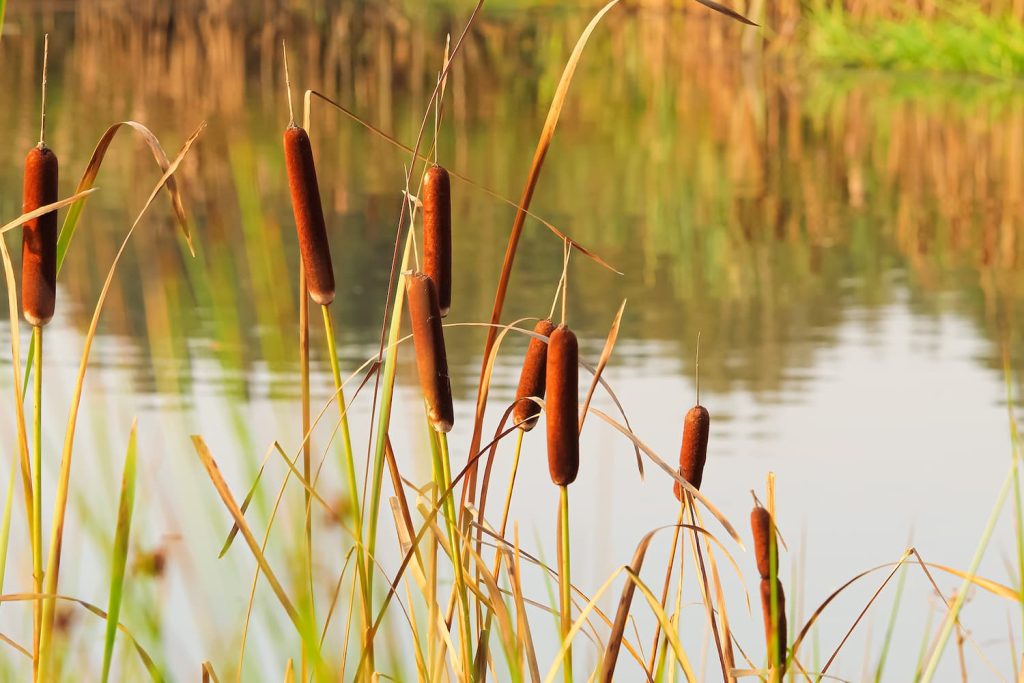
Cattails can take over a pond faster than most property owners expect. What starts as a few isolated plants along the shoreline can quickly turn into dense stands that block views, limit access, and reduce usable water.
If you are searching for how to get rid of cattails in a pond, the answer is not just about cutting them down once. It requires understanding why they grow, how they spread, and which removal method fits your pond’s conditions.
This guide is built for HOA board members, property managers, golf course superintendents, and private pond owners who need a clear, effective approach to aquatic weed removal that balances results with long-term pond health.
Why Do Cattails Grow So Quickly?
Before addressing how to get rid of cattails in a pond, it is important to understand why do cattails grow so quickly.
Cattails spread aggressively because of two key mechanisms:
- Rhizome expansion: Underground root systems spread horizontally, allowing new shoots to emerge rapidly
- Seed production: Each cattail head can release thousands of seeds that travel by wind and water
They thrive in conditions that are very common in managed ponds:
- Shallow water zones
- Nutrient-rich sediment
- Runoff from fertilized landscapes
- Reduced water depth from sediment buildup
As ponds gradually fill in with organic matter and sediment, they create ideal conditions for cattails to expand outward from the shoreline.
Are Cattails Native to Florida?
Many property owners ask, are cattails native to Florida?
Yes, cattails are native to Florida and play a natural role in wetland ecosystems. They are commonly found in marshes, lakes, and pond edges across the state.
Because they are native, they are not inherently “bad” plants. The issue arises when they become overgrown in managed environments.
In natural systems, cattails help stabilize shorelines and filter nutrients. In HOA ponds or golf course lakes, however, unchecked growth can interfere with:
- Aesthetics
- Access to the water
- Stormwater function
- Maintenance operations
This is why cattails are often managed rather than completely eliminated.
Are Cattails Good Habitat for Pond Wildlife?
Another common question is, are cattails good habitat for pond wildlife?
The answer is yes, in controlled amounts.
Cattails provide:
- Shelter for fish and amphibians
- Nesting areas for birds
- Habitat for beneficial insects
- Protection from predators in shallow water zones
However, when cattails dominate the shoreline, they can reduce open water habitat and limit biodiversity.
The goal is not complete removal. It is maintaining a balanced shoreline where habitat exists without overwhelming the pond.
How to Get Rid of Cattails in a Pond (Step-by-Step Approach)
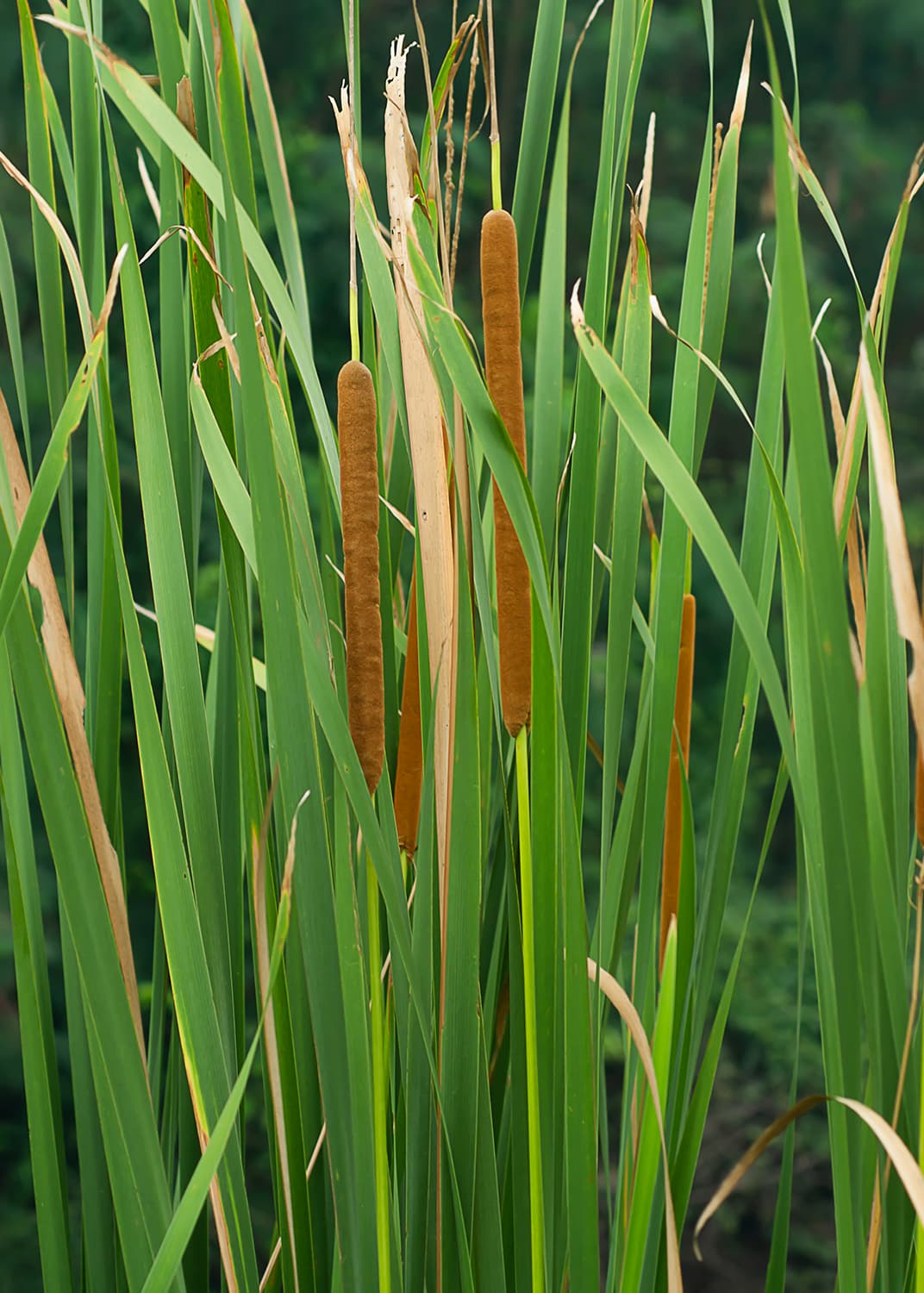
If you are dealing with overgrowth, here is a structured approach to how to get rid of cattails in a pond effectively.
Step 1: Assess the Extent of Growth
Start by identifying:
- How much shoreline is affected
- Whether cattails are spreading into open water
- The depth of water where they are growing
- Whether sediment buildup is contributing to expansion
This determines the best removal method.
Step 2: Choose the Right Removal Method
There are three primary approaches:
- Mechanical removal of cattails
- Chemical treatment
- Natural/manual control
Each has its place depending on the situation.
Mechanical Removal of Cattails: Fast and Effective
One of the most direct solutions is mechanical removal of cattails.
This involves physically cutting and removing the plants using specialized equipment such as amphibious machines or aquatic harvesters.
Benefits of mechanical removal:
- Immediate visual improvement
- Removes plant biomass from the pond
- Reduces nutrient recycling from decaying plants
- Opens access areas quickly
Mechanical removal is especially effective when:
- Cattails have formed dense stands
- Large areas need to be cleared
- Property appearance is a priority
Remove Cattails From Your Lake
Cattails can take over your pond and choke out other beneficial vegetation. Manage aquatic weeds with Pond Guru the right way!
How to Get Rid of Cattails Naturally
Some property owners prefer how to get rid of cattails naturally without relying heavily on chemicals.
Natural methods include:
- Cutting below the waterline to drown the plant
- Manual removal of young shoots
- Increasing water depth in shoreline areas
- Improving circulation and reducing stagnant zones
While these methods can work in small areas or early infestations, they are typically labor-intensive and less effective for large-scale overgrowth.
How to Get Rid of Cattails in Lake Environments
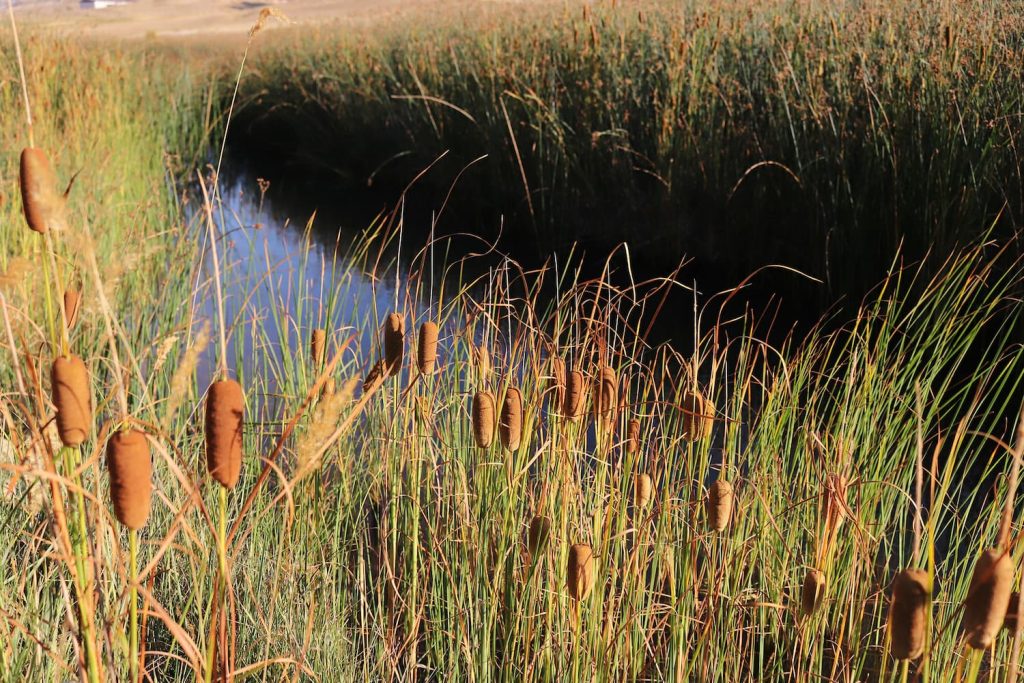
Managing how to get rid of cattails in lake settings requires a slightly different approach than smaller ponds.
Larger lakes often involve:
- Wider shoreline coverage
- Variable depths
- Greater nutrient inputs from surrounding land
In these environments, a combination of methods is often used:
- Mechanical removal to clear heavy growth
- Targeted treatment for regrowth
- Long-term shoreline management
Lake-scale cattail control is usually more successful when handled as part of a broader management plan rather than a one-time project.
Chemical Control: When It Makes Sense
Chemical treatment is another option for cattail control.
Aquatic-labeled herbicides can:
- Kill cattails at the root level
- Prevent regrowth in treated areas
- Be applied selectively
However, there are important considerations:
- Dead plant material remains in the water
- Large die-offs can impact oxygen levels
- Multiple treatments may be required
Chemical methods are often most effective when combined with mechanical removal or used for maintenance after initial clearing.
What Causes Cattails to Keep Coming Back?
Even after removal, cattails often return if underlying conditions are not addressed.
Common causes of regrowth include:
- Continued nutrient runoff
- Shallow water zones
- Sediment accumulation
- Lack of shoreline management
Cattails are opportunistic. If the environment supports them, they will reestablish.
This is why long-term control depends on managing the pond, not just removing the plants.
Creating a Balanced Shoreline Instead of Over-Clearing
One of the biggest mistakes in cattail removal is clearing everything at once.
A better strategy is:
- Removing cattails in high-use areas
- Maintaining some vegetation for habitat
- Creating defined edges instead of natural overgrowth
This approach supports both functionality and environmental health.
Why Professional Cattail Removal Is Often Necessary
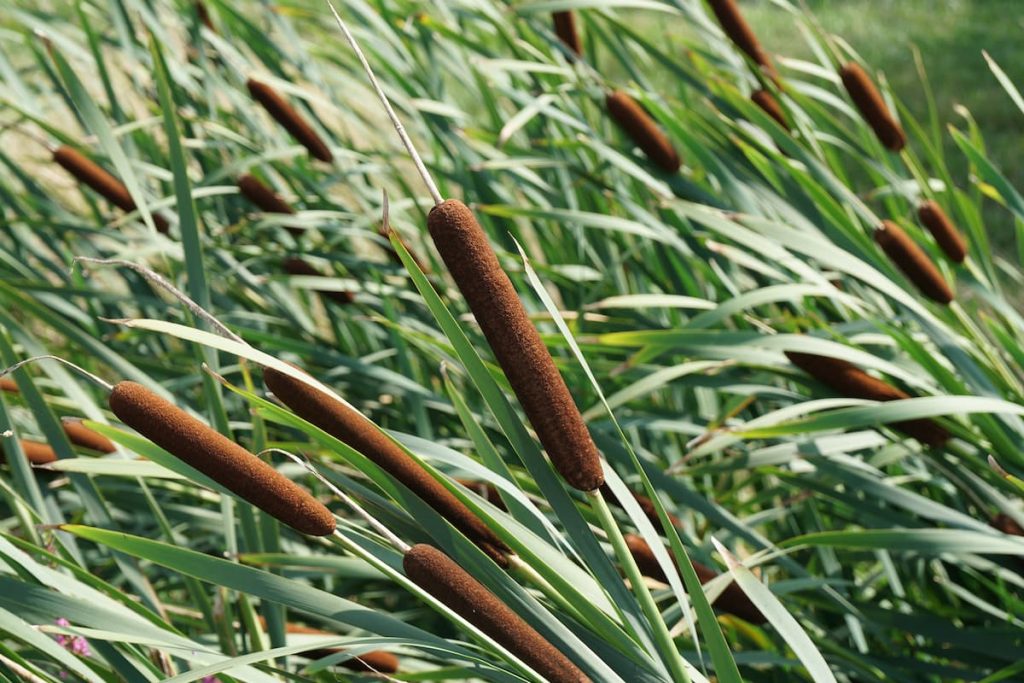
Large-scale cattail infestations are difficult to manage without proper equipment and planning.
Professional services can:
- Identify the best removal method
- Use specialized equipment for efficiency
- Prevent regrowth through proper timing
- Protect water quality during removal
For HOA ponds and commercial properties, professional management is often the most cost-effective long-term solution.
How Pond Guru Helps Remove and Manage Cattails
Pond Guru provides site-specific solutions for cattail overgrowth and shoreline management.
A site visit helps determine:
- Why cattails are spreading
- Whether mechanical removal of cattails is needed
- If chemical treatment is appropriate
- How to balance habitat and aesthetics
- Long-term strategies to prevent regrowth
Rather than applying a one-size-fits-all approach, Pond Guru develops a plan tailored to the pond’s size, use, and conditions.
Frequently Asked Questions
Permanent removal is difficult because cattails spread through roots and seeds. The best approach is combining removal with ongoing management like reducing nutrients and monitoring regrowth. Most ponds require consistent control rather than one-time elimination.
Yes, cattails are native to Florida and commonly found in natural wetlands. While they help stabilize shorelines, they can become overgrown in managed ponds, which is why they are typically controlled rather than left unchecked.
Yes, cattails provide habitat for fish, birds, and amphibians. However, too much growth can reduce open water and limit biodiversity, so maintaining a balanced amount is important.
Mechanical removal is the fastest method. It cuts and removes cattails immediately, providing quick visual results compared to chemical treatments, which take longer to show effects.
Pond Guru evaluates your pond and recommends the best removal method, whether mechanical or chemical, along with a long-term plan to prevent regrowth and maintain balance.
Ready to Schedule a Visit ?
Have questions about your pond or lake? Our experts are ready to help you take the next step.
Latest Article
Popular Post

Why Keeping Culverts Clear of Debris Matters for Stormwater Systems
Table of Contents A culvert is one of those…
Cattails can take over a pond faster than most property owners expect. What starts as a few isolated plants along the shoreline can quickly turn into dense stands that block views, limit access, and reduce usable water.
If you are searching for how to get rid of cattails in a pond, the answer is not just about cutting them down once. It requires understanding why they grow, how they spread, and which removal method fits your pond’s conditions.
This guide is built for HOA board members, property managers, golf course superintendents, and private pond owners who need a clear, effective approach to aquatic weed removal that balances results with long-term pond health.
Why Do Cattails Grow So Quickly?
Before addressing how to get rid of cattails in a pond, it is important to understand why do cattails grow so quickly.
Cattails spread aggressively because of two key mechanisms:
- Rhizome expansion: Underground root systems spread horizontally, allowing new shoots to emerge rapidly
- Seed production: Each cattail head can release thousands of seeds that travel by wind and water
They thrive in conditions that are very common in managed ponds:
- Shallow water zones
- Nutrient-rich sediment
- Runoff from fertilized landscapes
- Reduced water depth from sediment buildup
As ponds gradually fill in with organic matter and sediment, they create ideal conditions for cattails to expand outward from the shoreline.
Are Cattails Native to Florida?
Many property owners ask, are cattails native to Florida?
Yes, cattails are native to Florida and play a natural role in wetland ecosystems. They are commonly found in marshes, lakes, and pond edges across the state.
Because they are native, they are not inherently “bad” plants. The issue arises when they become overgrown in managed environments.
In natural systems, cattails help stabilize shorelines and filter nutrients. In HOA ponds or golf course lakes, however, unchecked growth can interfere with:
- Aesthetics
- Access to the water
- Stormwater function
- Maintenance operations
This is why cattails are often managed rather than completely eliminated.
Are Cattails Good Habitat for Pond Wildlife?
Another common question is, are cattails good habitat for pond wildlife?
The answer is yes, in controlled amounts.
Cattails provide:
- Shelter for fish and amphibians
- Nesting areas for birds
- Habitat for beneficial insects
- Protection from predators in shallow water zones
However, when cattails dominate the shoreline, they can reduce open water habitat and limit biodiversity.
The goal is not complete removal. It is maintaining a balanced shoreline where habitat exists without overwhelming the pond.
How to Get Rid of Cattails in a Pond (Step-by-Step Approach)
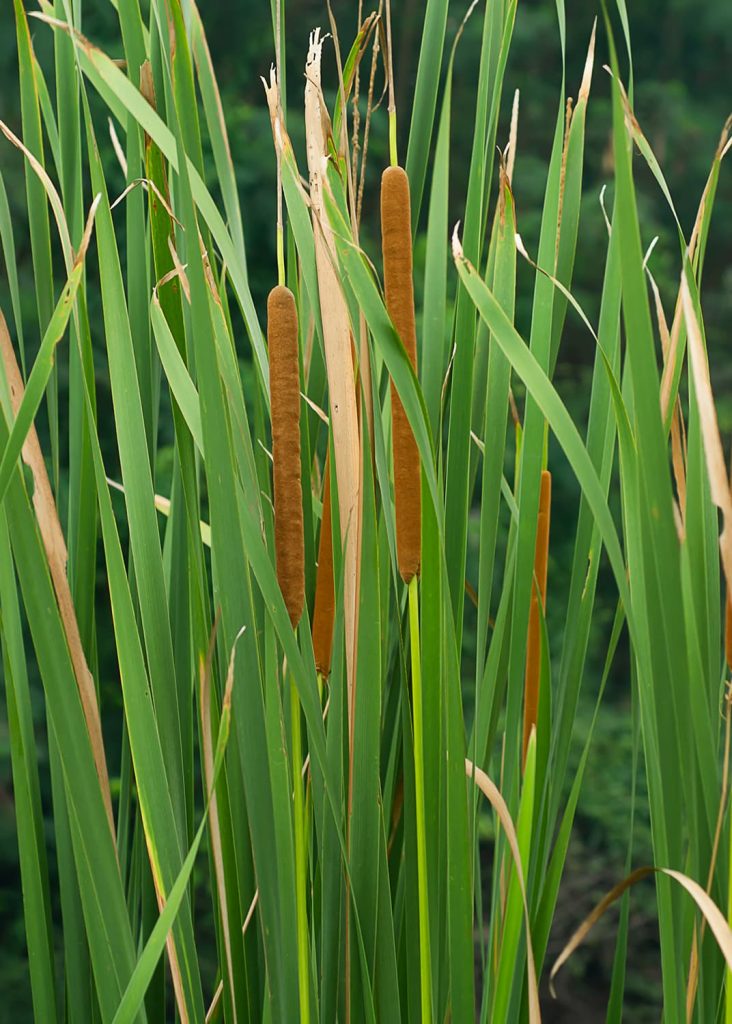
If you are dealing with overgrowth, here is a structured approach to how to get rid of cattails in a pond effectively.
Step 1: Assess the Extent of Growth
Start by identifying:
- How much shoreline is affected
- Whether cattails are spreading into open water
- The depth of water where they are growing
- Whether sediment buildup is contributing to expansion
This determines the best removal method.
Step 2: Choose the Right Removal Method
There are three primary approaches:
- Mechanical removal of cattails
- Chemical treatment
- Natural/manual control
Each has its place depending on the situation.
Mechanical Removal of Cattails: Fast and Effective
One of the most direct solutions is mechanical removal of cattails.
This involves physically cutting and removing the plants using specialized equipment such as amphibious machines or aquatic harvesters.
Benefits of mechanical removal:
- Immediate visual improvement
- Removes plant biomass from the pond
- Reduces nutrient recycling from decaying plants
- Opens access areas quickly
Mechanical removal is especially effective when:
- Cattails have formed dense stands
- Large areas need to be cleared
- Property appearance is a priority
Remove Cattails From Your Lake
Cattails can take over your pond and choke out other beneficial vegetation. Manage aquatic weeds with Pond Guru the right way!
How to Get Rid of Cattails Naturally
Some property owners prefer how to get rid of cattails naturally without relying heavily on chemicals.
Natural methods include:
- Cutting below the waterline to drown the plant
- Manual removal of young shoots
- Increasing water depth in shoreline areas
- Improving circulation and reducing stagnant zones
While these methods can work in small areas or early infestations, they are typically labor-intensive and less effective for large-scale overgrowth.
How to Get Rid of Cattails in Lake Environments
Managing how to get rid of cattails in lake settings requires a slightly different approach than smaller ponds.
Larger lakes often involve:
- Wider shoreline coverage
- Variable depths
- Greater nutrient inputs from surrounding land
In these environments, a combination of methods is often used:
- Mechanical removal to clear heavy growth
- Targeted treatment for regrowth
- Long-term shoreline management
Lake-scale cattail control is usually more successful when handled as part of a broader management plan rather than a one-time project.
Chemical Control: When It Makes Sense
Chemical treatment is another option for cattail control.
Aquatic-labeled herbicides can:
- Kill cattails at the root level
- Prevent regrowth in treated areas
- Be applied selectively
However, there are important considerations:
- Dead plant material remains in the water
- Large die-offs can impact oxygen levels
- Multiple treatments may be required
Chemical methods are often most effective when combined with mechanical removal or used for maintenance after initial clearing.
What Causes Cattails to Keep Coming Back?
Even after removal, cattails often return if underlying conditions are not addressed.
Common causes of regrowth include:
- Continued nutrient runoff
- Shallow water zones
- Sediment accumulation
- Lack of shoreline management
Cattails are opportunistic. If the environment supports them, they will reestablish.
This is why long-term control depends on managing the pond, not just removing the plants.
Creating a Balanced Shoreline Instead of Over-Clearing
One of the biggest mistakes in cattail removal is clearing everything at once.
A better strategy is:
- Removing cattails in high-use areas
- Maintaining some vegetation for habitat
- Creating defined edges instead of natural overgrowth
This approach supports both functionality and environmental health.
Why Professional Cattail Removal Is Often Necessary
Large-scale cattail infestations are difficult to manage without proper equipment and planning.
Professional services can:
- Identify the best removal method
- Use specialized equipment for efficiency
- Prevent regrowth through proper timing
- Protect water quality during removal
For HOA ponds and commercial properties, professional management is often the most cost-effective long-term solution.
How Pond Guru Helps Remove and Manage Cattails
Pond Guru provides site-specific solutions for cattail overgrowth and shoreline management.
A site visit helps determine:
- Why cattails are spreading
- Whether mechanical removal of cattails is needed
- If chemical treatment is appropriate
- How to balance habitat and aesthetics
- Long-term strategies to prevent regrowth
Rather than applying a one-size-fits-all approach, Pond Guru develops a plan tailored to the pond’s size, use, and conditions.
Frequently Asked Questions
Permanent removal is difficult because cattails spread through roots and seeds. The best approach is combining removal with ongoing management like reducing nutrients and monitoring regrowth. Most ponds require consistent control rather than one-time elimination.
Yes, cattails are native to Florida and commonly found in natural wetlands. While they help stabilize shorelines, they can become overgrown in managed ponds, which is why they are typically controlled rather than left unchecked.
Yes, cattails provide habitat for fish, birds, and amphibians. However, too much growth can reduce open water and limit biodiversity, so maintaining a balanced amount is important.
Mechanical removal is the fastest method. It cuts and removes cattails immediately, providing quick visual results compared to chemical treatments, which take longer to show effects.
Pond Guru evaluates your pond and recommends the best removal method, whether mechanical or chemical, along with a long-term plan to prevent regrowth and maintain balance.
Ready to Schedule a Visit ?
Have questions about your pond or lake? Our experts are ready to help you take the next step.
Latest Article
Popular Post
Why Keeping Culverts Clear of Debris Matters for Stormwater Systems
Table of Contents A culvert is one of those…