

Types of Wetlands in Florida
Types of Wetlands in Florida
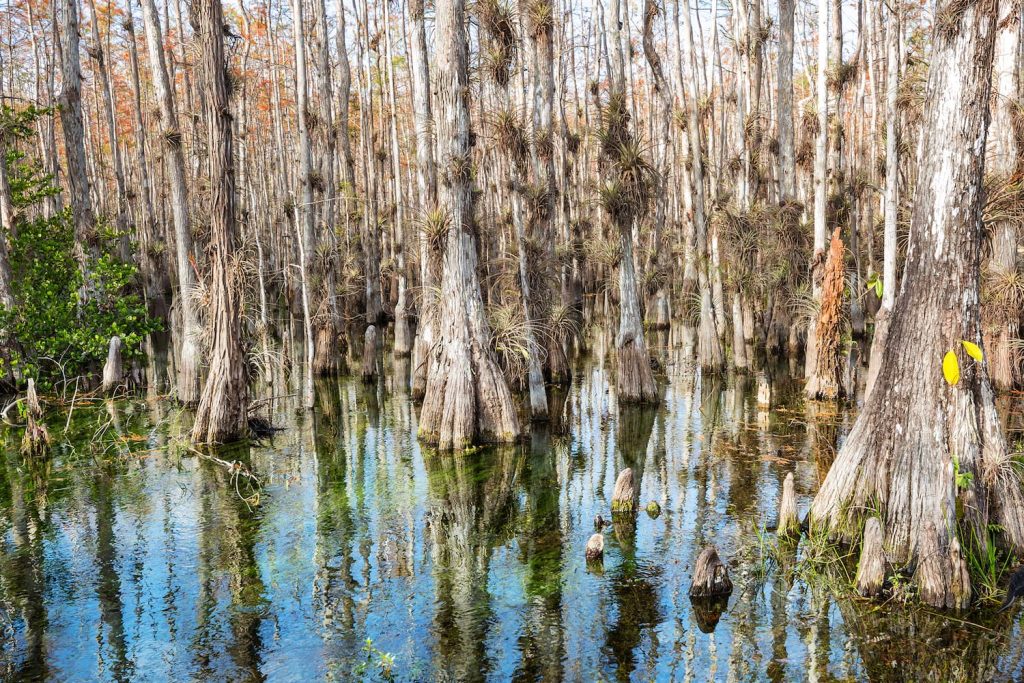
Florida is one of the most wetland-rich states in the country. From the sawgrass prairies of the Everglades to the mangrove tunnels of the Ten Thousand Islands, these soggy, in-between landscapes shape our weather, our wildlife, and even the value of our property. Yet most Floridians have only a vague sense of what separates a marsh from a swamp, or why an estuary matters for the home a few miles inland.
This guide walks you through the types of wetlands that define our state, what makes each one unique, and how proper wetland management keeps them functioning the way they should.
What Counts as a Wetland?
Before we get into the different types of wetlands, it helps to know what the word actually means. A wetland is a natural area of land that is either covered by shallow water or has soil saturated with water for a significant part of the year. That waterlogged condition shapes everything: the soil chemistry, the plants that can grow there, and the wildlife that depends on it.
A few quick traits define a wetland:
- Hydrology: Standing or moving water sits at or near the surface for extended periods.
- Hydric soils: Low-oxygen soils develop from being saturated for so long.
- Adapted vegetation: Specialized plants thrive in conditions that would drown most others.
In Florida, those conditions show up in many forms, which is why we have so many distinct wetland communities.
The Different Types of Wetlands in Florida
Florida’s geography, from the subtropical south to the temperate Panhandle, supports an unusually wide variety of wetland communities. The University of Florida’s IFAS Florida Wetlands Extension Program groups them by water source, vegetation, and soils, which gives us a clean way to talk about the different types of wetlands you’ll encounter across the state.
The major categories include:
- Freshwater marshes dominated by grasses and sedges
- Tidal salt marshes along low-energy coastlines
- Cypress swamps and other southern swamps with towering trees
- Mangrove swamps at the saltwater fringe
- Estuarine wetlands where rivers meet the sea
- Bog-like seepage slopes in the Panhandle
Each plays a different role in the ecosystem, and each one looks dramatically different from the next.
Freshwater Marsh: Florida's Most Famous Wetland Type
When most people picture a Florida wetland, they’re picturing a marsh. A freshwater marsh is a non-forested, periodically flooded ecosystem dominated by grasses, sedges, and other soft-stemmed plants. According to UF/IFAS, these marshes are the most diverse grouping of wetlands in Florida, and the Florida Everglades is the single largest marsh system in the United States, covering roughly 10,000 square kilometers.
Common features include:
- Tall reeds, sawgrass, and floating-leaved plants like water lilies
- Shallow, slow-moving water that may dry out seasonally
- Habitat for wading birds, alligators, frogs, and freshwater fish
Marshes are vital nursery habitat for wildlife and act as living filters for surface water before it reaches lakes and rivers.
Salt Marsh (or Salty Marsh): Florida's Coastal Buffer
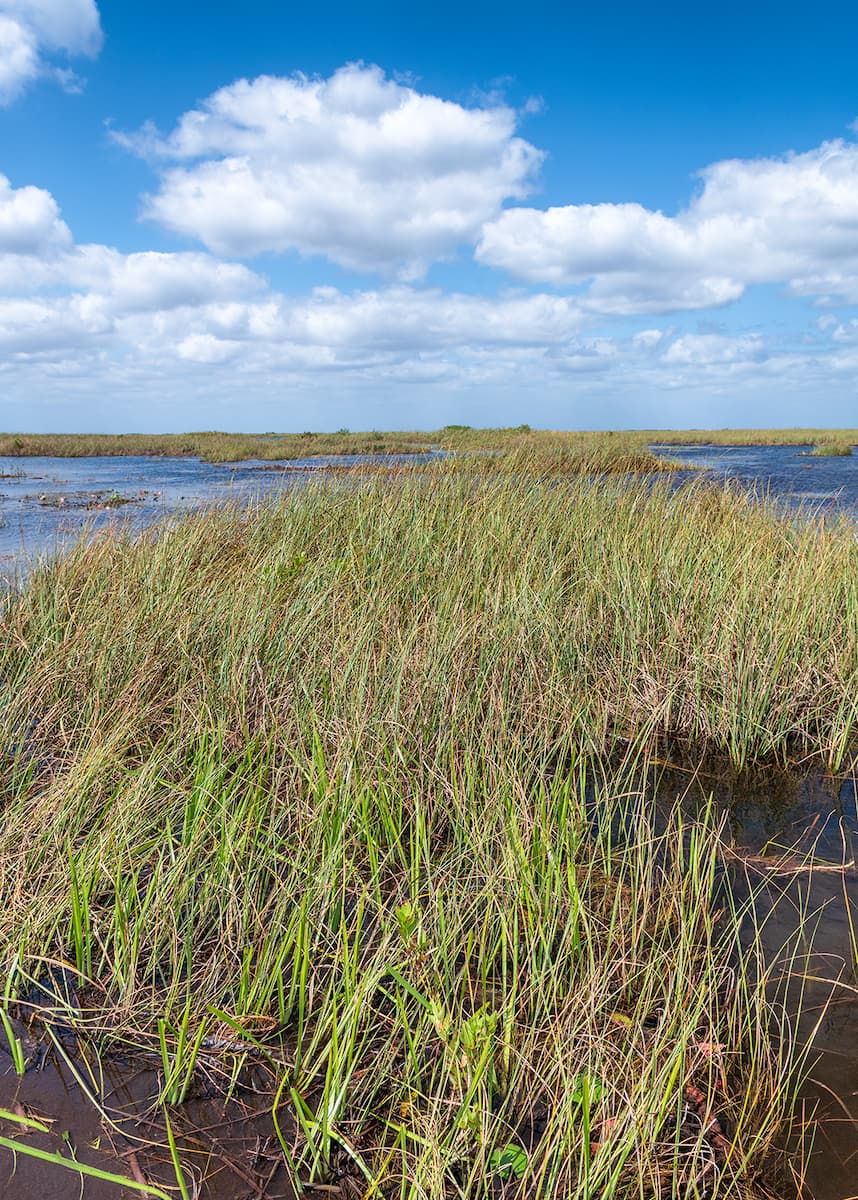
A salt marsh (sometimes searched as a salty marsh) is a tidal wetland flooded by salty or brackish water along the coast. UF/IFAS notes that Florida’s salt marshes are most abundant in the Big Bend area of the Gulf coast and along the Atlantic shoreline, with more than half dominated by black needlerush.
Salt marshes punch well above their weight ecologically. They’re among the most productive ecosystems in the world, producing up to 80 metric tons of plant material per hectare each year. They also stabilize coastal shorelines, prevent erosion, and provide nursery habitat for the juvenile fish and shellfish that fuel Florida’s commercial and recreational fisheries.
If you live on the coast, the salty marsh just down the road is doing more to protect your property than most people realize.
Swamp Ecosystems: Florida's Forested Wetlands
A swamp is essentially a wetland dominated by trees and woody vegetation, rather than grasses. Florida has two main flavors.
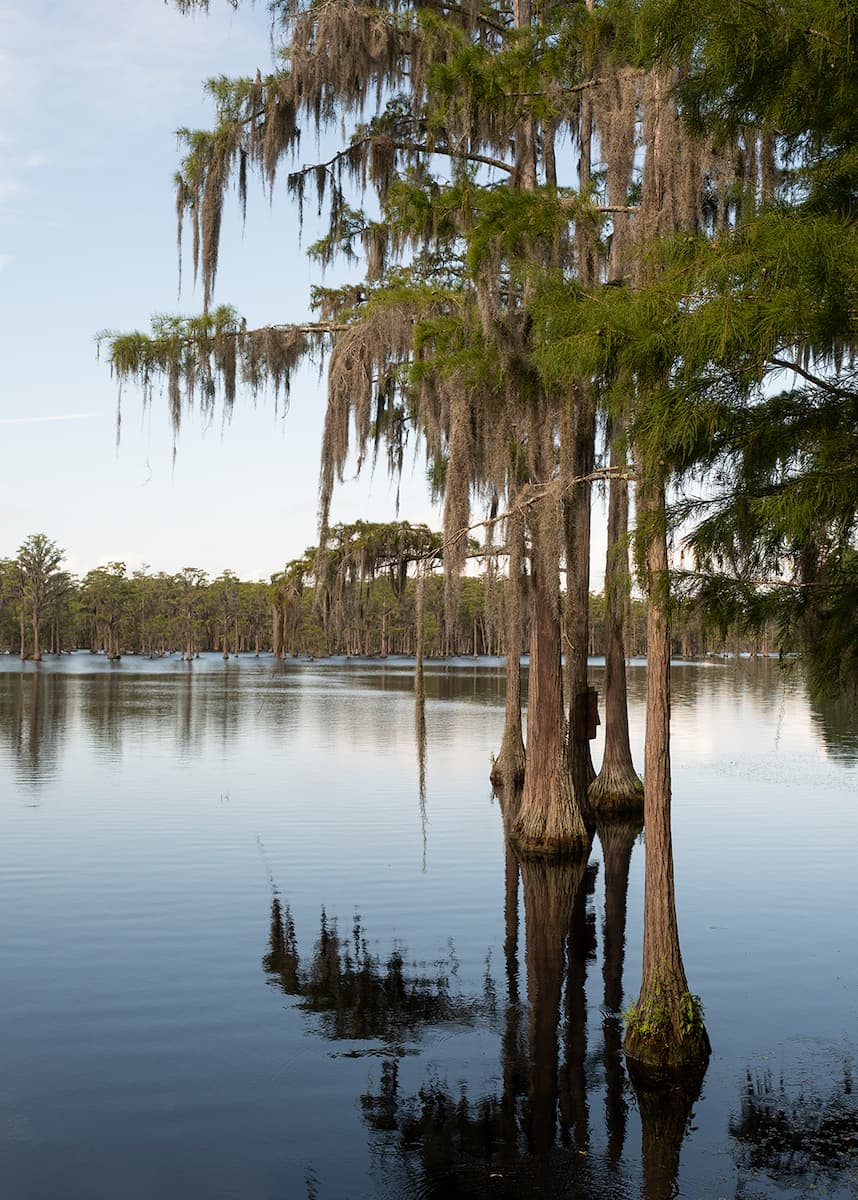
Southern swamps, often called cypress swamps, are inland forested wetlands. UF/IFAS describes their dominant canopy as bald cypress and water tupelo, with pond cypress and black gum on slightly higher ground. Cypress domes, circular stands of cypress in shallow depressions, are a classic Florida sight.
Mangrove swamps sit at the saltwater edge. Florida is home to roughly 2,700 square kilometers of mangrove swamps, concentrated along the southwest coast where the Everglades and Big Cypress Swamp drain into the Gulf. The Ten Thousand Islands area alone covers about 600 square kilometers, making it one of the largest mangrove systems in the world.
Together, these swamps store enormous amounts of carbon, slow storm surge, and provide habitat for everything from wood storks to manatees.
Manage Your Property's Wetland
Pond Guru is equipped to handle the sensitive conditions of Florida wetlands.
Wetlands and Estuaries: Where Fresh Water Meets the Sea
The relationship between wetlands and estuaries is one of the most important in Florida. An estuary is a partially enclosed body of water where freshwater rivers mix with saltwater from the sea. The estuarine wetlands that line these zones, including salt marshes, mangrove forests, seagrass beds, and tidal flats, are some of the most biologically productive places on earth.
Per the U.S. Environmental Protection Agency, more than 50 percent of the commercial fish and shellfish species in the Southeastern United States rely on coastal wetlands during some part of their life cycle. Estuarine wetlands also act as the first line of defense against storms, absorbing wave energy that would otherwise hammer the shoreline.
For Florida, where estuaries like Tampa Bay, the Indian River Lagoon, and Apalachicola Bay drive entire local economies, healthy estuarine wetlands are not optional.
What About Bogs in Florida?
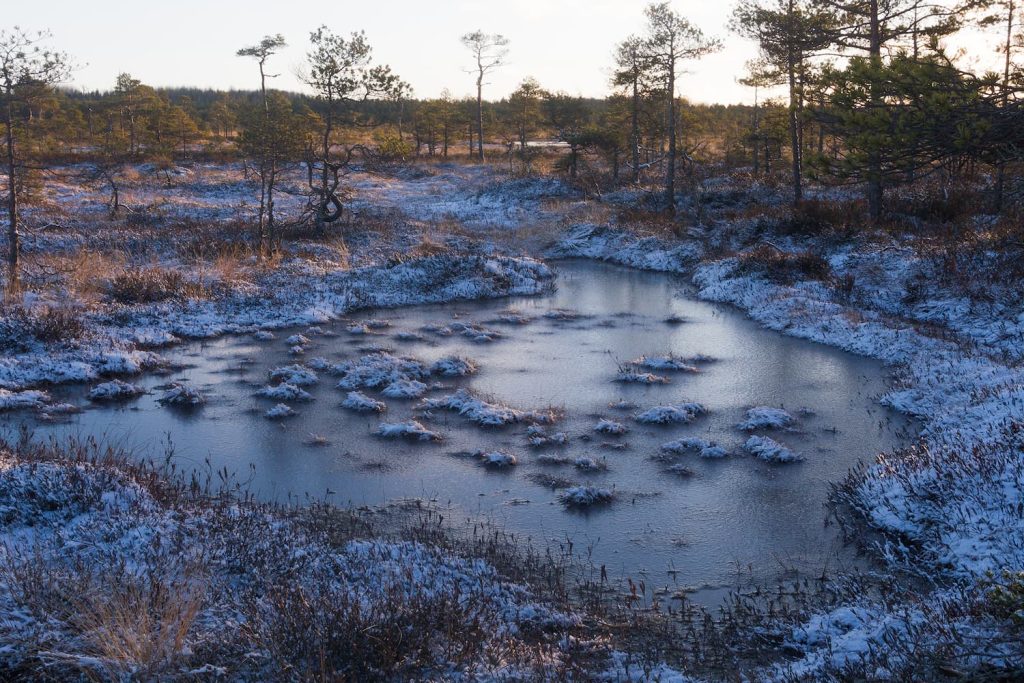
A bog is a peat-forming wetland fed mainly by rainfall, with highly acidic, low-nutrient soils. True bogs of the Northern Hemisphere variety are not really a Florida ecosystem; they’re more common in cooler, glaciated regions.
That said, Florida does have bog-like communities, particularly in the Panhandle. UF/IFAS calls these “seepage slope wetlands,” which are also referred to as pitcherplant bogs, herb bogs, or hanging bogs. They occur on gentle slopes where groundwater seeps to the surface and supports carnivorous plants like the yellow trumpet pitcherplant.
So if a neighbor calls their backyard wet spot a “bog,” they may not be technically wrong, but it’s almost certainly a seepage slope, a wet flatwoods area, or a shrub bog rather than a peat bog like you’d find up north.
Wetland Vegetation: How Plants Define Each Type
The clearest way to tell wetlands apart is by their plants. Wetland vegetation is highly adapted to flooded, low-oxygen conditions, and UF/IFAS catalogs several specialized features:
- Buttressed tree trunks swell at the base for stability, seen in bald cypress, water tupelo, and swamp blackgum.
- Pneumatophores are modified root systems that grow above the soil to access oxygen, most famously the “cypress knees” and mangrove prop roots.
- Floating stems and leaves with internal air spaces allow plants like water lilies to root in shallow water and still photosynthesize.
These adaptations are why a marsh, dominated by herbaceous plants, looks and feels nothing like a swamp packed with woody vegetation , even when they’re sitting under the same amount of water. Vegetation is the visual fingerprint of each wetland type.
How Do Wetlands Reduce Flooding and Erosion?
This is one of the most practical questions Florida residents ask: how do wetlands reduce flooding and erosion? The answer comes down to physics and plants.
The U.S. Environmental Protection Agency describes wetlands as “natural sponges” that trap and slowly release surface water, rain, snowmelt, and floodwaters. Trees, root mats, and other wetland vegetation also slow the speed of moving water and spread it out across the floodplain. That combined storage and braking action lowers flood heights and reduces erosion downstream.
The benefit is especially big in and around urban areas, where pavement and rooftops dump runoff much faster than natural ground can absorb it. A healthy wetland upstream of a neighborhood can be the difference between a damp lawn and a flooded living room.
Along the coast, salt marshes and mangroves dissipate wave energy and lock soil in place with dense root networks, preventing shoreline erosion during everyday tides and major storms alike.
Wetland Management and Swamp Maintenance: Why It Matters
Wetlands may be “natural,” but on developed land they don’t take care of themselves. Invasive plants, nutrient pollution, sediment buildup, and altered hydrology can all degrade a wetland’s function. That’s where professional wetland management comes in.
A well-managed wetland looks healthier, performs its flood-control and water-quality jobs more effectively, and stays compliant with state and federal regulations. Typical management work includes:
- Invasive species control for aggressive plants like Hymenachne, climbing fern, and torpedo grass
- Native planting and restoration to rebuild habitat where it’s been lost
- Hydrologic adjustments to restore the right water levels and flow
- Erosion and shoreline stabilization along banks and edges
- Routine swamp maintenance for forested wetlands, including selective vegetation work and debris management
For HOAs, golf courses, ranches, and private landowners, ongoing swamp maintenance and broader wetland care protects both the ecosystem and the value of the property it sits on.
Why Choose Pond Guru for Wetland Management
Florida’s wetlands are too important, ecologically and economically, to leave to guesswork. Pond Guru specializes in the kind of practical, science-grounded wetland and pond care that keeps Florida properties healthy and compliant.
Every site is different. The right plan for a backyard cypress dome looks nothing like the plan for a community salt marsh edge or a golf course retention wetland. That’s why a Pond Guru engagement starts with a site visit, where conditions like vegetation, hydrology, and any signs of invasive plants are assessed firsthand.
From there, Pond Guru can build a tailored management approach combining invasive species control, native restoration, swamp maintenance, shoreline stabilization, and ongoing monitoring. Whether you’re a homeowner with a small wetland on your property or a property manager responsible for a larger system, the goal is the same: a functioning, attractive wetland that does its job for decades.
Frequently Asked Questions
The major types include freshwater marshes (like the Everglades), tidal salt marshes, cypress and other southern swamps, mangrove swamps, estuarine wetlands, and bog-like seepage slopes in the Panhandle.
A marsh is dominated by grasses, sedges, and other herbaceous wetland vegetation. A swamp is dominated by trees and woody vegetation. Both can be freshwater or saline depending on location.
They act like sponges, absorbing rain and floodwater, then releasing it slowly. Their roots also slow water movement and hold soil in place, which reduces erosion along streams, lakes, and coastlines.
Not in the classic northern, peat-bog sense. Florida does have bog-like seepage slope communities in the Panhandle that share some features with true bogs, including acidic soils and carnivorous plants.
If you have a wetland on developed land, yes. Invasive species, altered drainage, and nutrient pollution can all degrade it over time. Professional wetland management and swamp maintenance keep it healthy and compliant with regulations.
Ready to Schedule a Visit ?
Have questions about your pond or lake? Our experts are ready to help you take the next step.
Latest Article
Popular Post

Broadleaf Arrowhead (Duck Potato): A Florida Pond Plant Guide
Source: AZGardens.com Table of Contents Walk the shallow edge…
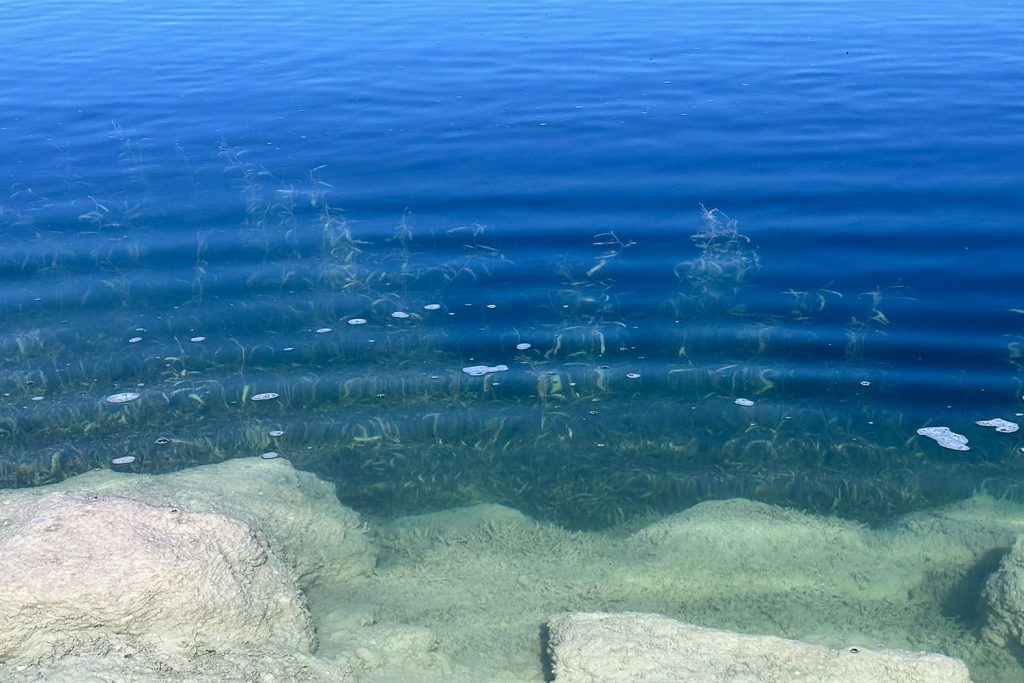
If you manage a community pond, a golf course water feature, or a backyard lake, you’ve probably watched green scum creep across the surface and wondered what you can do about it. One of the simplest, most affordable tools available is pond dye for algae control. It’s used everywhere from HOA retention ponds to championship golf courses, and for good reason.
This guide breaks down what pond dye actually is, how it works, whether it’s safe, and where it fits into a smart lake management plan.
What Is Pond Dye and Why Do People Dye Their Ponds Blue?
Pond dye is a concentrated, water-soluble colorant added to ponds and lakes to tint the water a deeper shade, most commonly blue. Once poured in, it disperses evenly and gives the water that clean, postcard-perfect look you see at resorts and well-kept communities.
But aesthetics are only part of the story. Why do people dye their ponds blue? The answer is mostly about function. According to Oklahoma State University Extension, aquatic dyes reduce the growth of submerged plants and algae by reducing the light levels that reach down into the water. Less sunlight means slower photosynthesis, which means less unwanted aquatic growth.
So while the rich color is a welcome bonus, most property managers and HOA boards aren’t dyeing for looks alone. They’re using it as a frontline strategy in their broader algae and weed management approach.
How Does Pond Dye Help With Algae?
Let’s tackle the question everyone asks: does pond dye help with algae? The short answer is yes, when it’s used correctly and as part of a complete plan.
Here’s the science in plain terms. Algae and nuisance aquatic weeds need sunlight to grow. Photosynthesis is the engine that fuels their reproduction. The U.S. Environmental Protection Agency’s product label for one widely used aquatic dye explains that these products contain a blend of blue and yellow dyes designed to absorb specific wavelengths of light that are critical to plant photosynthesis. By screening out the red-orange and blue-violet portions of the spectrum that submerged vegetation depends on, the dye inhibits growth in young, bottom-rooted plants and algae.
Ohio State University Extension notes that inert dyes can be used to control filamentous algae, because the color they give the water, usually blue, reduces sunlight penetration, which in turn reduces algae growth.
In short, here’s how the process works:
- Light goes in, color stops it. The dye absorbs the wavelengths algae and weeds need to photosynthesize.
- Growth slows at the source. With less usable light reaching the bottom, submerged plants and algae struggle to establish.
- The effect is ongoing. As long as the color is maintained, the suppression continues through the growing season.
A few important points to keep expectations realistic:
- Dye works best in ponds with adequate depth. Ohio State University Extension reports these dyes are not effective in water less than two feet deep.
- It’s most effective against submerged and bottom-dwelling growth, not floating mats that already sit on top of the water in full sun.
- It’s a preventive and suppressive tool, not an overnight cure for an existing bloom.
Think of pond dye as one piece of a layered defense. It slows the problem down dramatically and works hand in hand with aeration, beneficial bacteria, and professional treatments.
Is Pond Dye Safe for Fish, Pets, and Wildlife?
This is the second most common question we hear, and it’s an important one. Is pond dye safe for fish? Yes. High-quality, properly formulated pond dyes are non-toxic and safe for fish, waterfowl, pets, livestock, and the people who enjoy the water when applied according to the label.
Many of the dyes used in professional lake management services are registered with the U.S. Environmental Protection Agency for use in fish-bearing and fish-farming ponds and lakes.
A properly dyed pond remains a healthy habitat. Fish continue to thrive, frogs and turtles go about their business, and birds can drink and feed as usual. In fact, by suppressing excessive algae growth, dye can help support a more stable aquatic environment over time.
That said, “safe” depends entirely on using the right product at the right dose and following label directions, including any short waiting period before swimming or irrigation. Over-application or low-quality dye can be a problem.
Pond Dye Colors: Beyond Just Blue
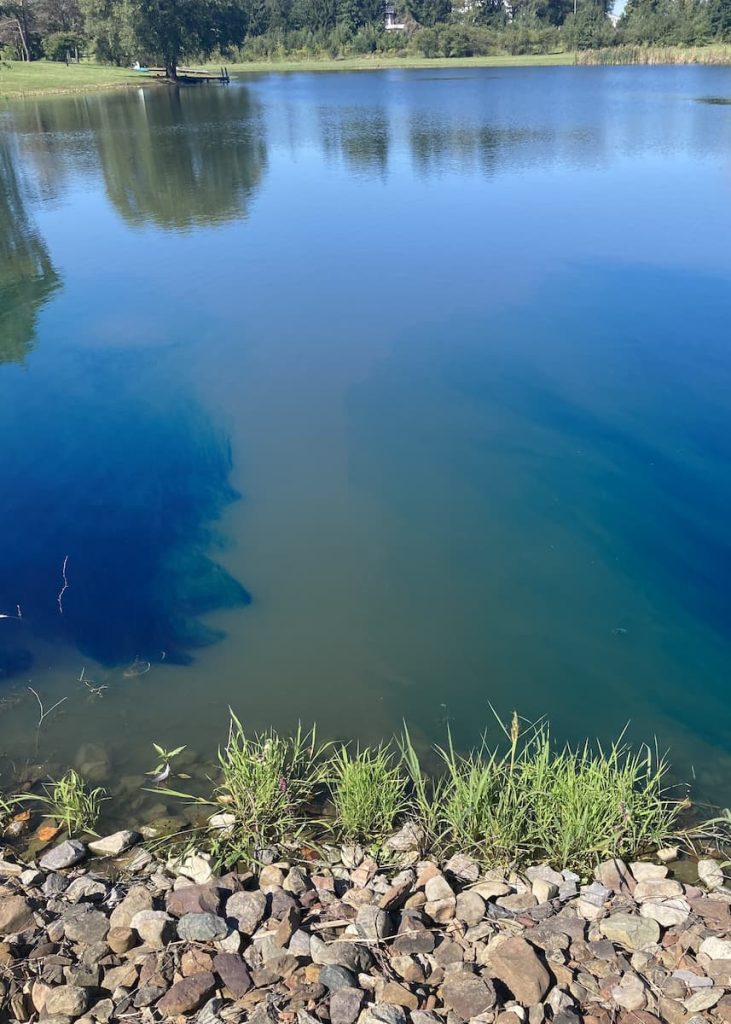
Blue dye for pond applications remains the most popular by far. Blue pond dye delivers that crisp, clean, tropical-water appearance that complements residential communities, corporate campuses, and golf courses. It reads as fresh and well-maintained.
Beyond classic blue, common options include:
- Aqua or turquoise for a brighter, more vivid resort-style finish.
- Blue-black or dark blends that create a natural, reflective, almost mirror-like surface mimicking a deep natural lake.
- Black dye for a sophisticated, natural woodland or wetland appearance that blends into surrounding landscaping. This look is especially popular as a reflective backdrop around golf greens.
The color you choose comes down to the aesthetic of your property and the surrounding environment. All of these options provide the same light-blocking benefits for algae and weed suppression. The difference is largely visual, so you get to pick the vibe that fits your setting.
Key Benefits of a Dyed Pond for Property Managers and HOAs
If you’re responsible for a community amenity, a water hazard, or a commercial property, the advantages of pond dye go well beyond color. Here’s what makes it such a valuable tool in modern lake management.
Improved curb appeal. A clean, blue water feature signals a well-maintained property. For HOAs and commercial sites, that visual impression matters to residents, members, and visitors alike.
Reduced algae and weed growth. By limiting sunlight, dye suppresses the conditions that lead to nuisance growth, cutting down on the green scum and tangled submerged weeds that frustrate property owners.
Cost-effective maintenance. New Mexico State University Extension notes that these dyes are inexpensive, though multiple applications across the season may be necessary. Compared to constant mechanical removal, dye is an affordable way to slow problems before they spiral, stretching the value of your overall maintenance budget.
A natural-looking finish. Modern dyes create a realistic, attractive surface without the artificial look of older products.
Protection for habitat. By moderating algae blooms, dye helps maintain a more stable, balanced aquatic environment.
Easy integration. Dye works alongside aeration, fountains, beneficial bacteria, and other tools, making it a flexible addition to any management plan.
Dye Your Pond the Right Way
Pond Guru can incorporate pond dye in your pond as part of our lake management services.
When Pond Dye Works Best (And When It Doesn't)
Setting realistic expectations is part of being a good steward of your water resources. Pond dye is powerful, but it isn’t magic, and knowing its limits helps you use it wisely.
Dye performs best in ponds with sufficient depth and relatively stable water levels. Shallow ponds let sunlight reach the bottom regardless of tint, so the suppressive effect is weaker.
Timing matters too. University extension specialists across several states agree that dye should be applied early in the growing season, before plants and algae take off.
It’s also worth noting that dye is preventive and suppressive. If your pond already has a thick surface mat of floating algae basking in direct sun, dye alone won’t dissolve it. In those cases, you’ll want a combined approach: treat the existing growth first, then use dye to help prevent the next round.
This is exactly why a professional assessment is so valuable. A site visit determines your pond’s depth, flow, sun exposure, and existing conditions, so the treatment plan is tailored rather than guessed.
Pond Dye Is One Part of Complete Lake Management Services
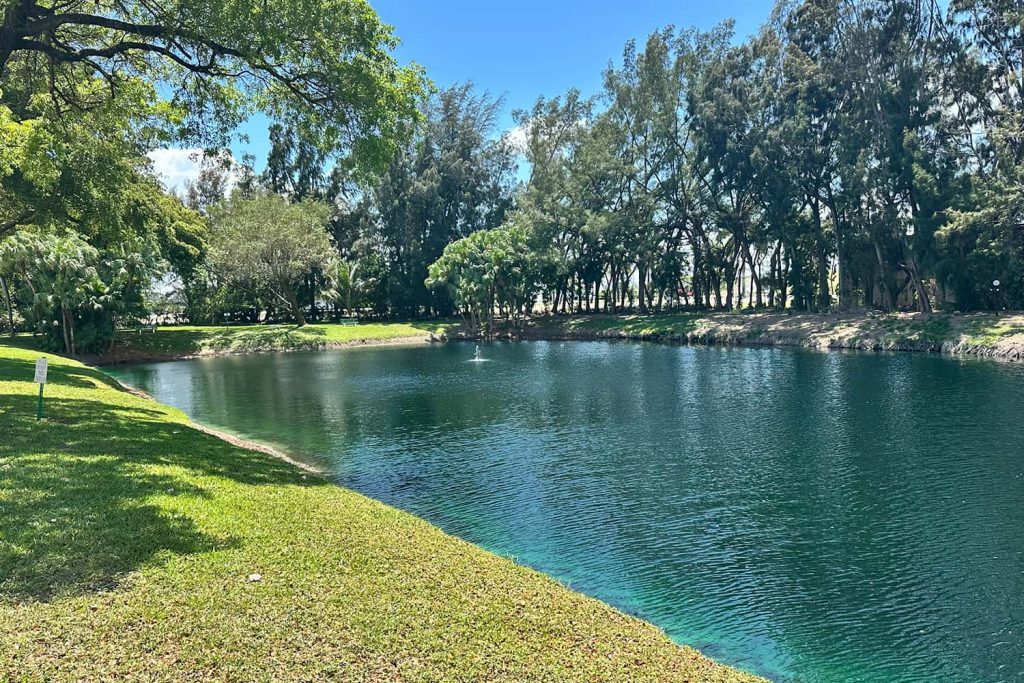
Here’s the most important takeaway for any HOA board member, golf course superintendent, or property manager: pond dye delivers its best results as part of a comprehensive program of lake management services, not as a standalone fix.
A complete approach typically combines several tools that reinforce one another:
- Aeration keeps water circulating and oxygenated, which discourages algae and supports fish.
- Beneficial bacteria help break down the excess nutrients and muck that feed algae blooms.
- Targeted treatments address existing problem growth that dye alone can’t reach.
- Pond dye ties it all together by suppressing the sunlight that fuels new growth.
When these elements work in concert, you get a healthier, clearer, more attractive water body that requires less reactive maintenance over time. Instead of fighting fires every summer, you’re managing your pond proactively.
That’s the difference between simply pouring something in the water and having a real strategy. The right plan saves money, protects your investment, and keeps your community’s water features looking their best year-round.
Why Choose Pond Guru for Your Pond and Lake Management
When it comes to keeping your water features healthy and beautiful, experience and expertise make all the difference. Pond Guru specializes in helping HOAs, golf courses, property managers, and homeowners get the most out of their ponds and lakes.
Rather than offering a one-size-fits-all product, Pond Guru starts with understanding your specific situation. Every pond is different in its depth, sun exposure, water flow, nutrient load, and the goals you have for it. That’s why the right first step is a professional site visit, where the conditions of your water body are evaluated firsthand.
From there, Pond Guru can recommend the ideal pond dye colors and concentration for your property, along with any complementary lake management services that will deliver lasting results. You get the clean, blue water you want, backed by a plan built around real expertise and applied according to product and regulatory guidelines.
Whether you’re battling a persistent algae problem or simply want to keep your community’s centerpiece looking pristine, Pond Guru has the knowledge to help.
Schedule Your Site Visit Today
Ready to see what a properly managed, beautifully dyed pond can do for your property? The best way to start is with a professional site visit. Pond Guru will assess your water feature, answer your questions about pond dye for algae control, and design a treatment plan tailored to your needs.
Don’t let another season slip by fighting algae the hard way. Contact Pond Guru to schedule your site visit and discover the difference expert lake management services can make.
Frequently Asked Questions
Yes. By blocking the sunlight that algae and aquatic weeds need for photosynthesis, pond dye suppresses growth, especially below the surface. It works best as part of a complete management plan and as a preventative measure applied early in the season.
Yes. Quality pond dyes, many of which are EPA-registered for fish-bearing ponds, are non-toxic and safe for fish, pets, wildlife, and people when applied according to the label. Oklahoma State University Extension confirms that fish from dyed ponds are safe to consume.
For two reasons: to create an attractive, clean-looking water feature, and to limit sunlight penetration, which helps control algae and submerged weeds.
It varies based on rainfall, water flow, and sun exposure, but most applications last several weeks to a couple of months before a touch-up is needed. A spring, summer, and fall application schedule is typical. A professional can advise on the right schedule for your pond.
Blue is the most popular, but options also include aqua, blue-black blends, and natural black, each providing the same algae-suppressing benefits with a different look.
Ready to Schedule a Visit ?
Have questions about your pond or lake? Our experts are ready to help you take the next step.
Latest Article
Popular Post
Broadleaf Arrowhead (Duck Potato): A Florida Pond Plant Guide
Source: AZGardens.com Table of Contents Walk the shallow edge…