

What Is Filamentous Algae? Pond Management
What Is Filamentous Algae? Pond Management
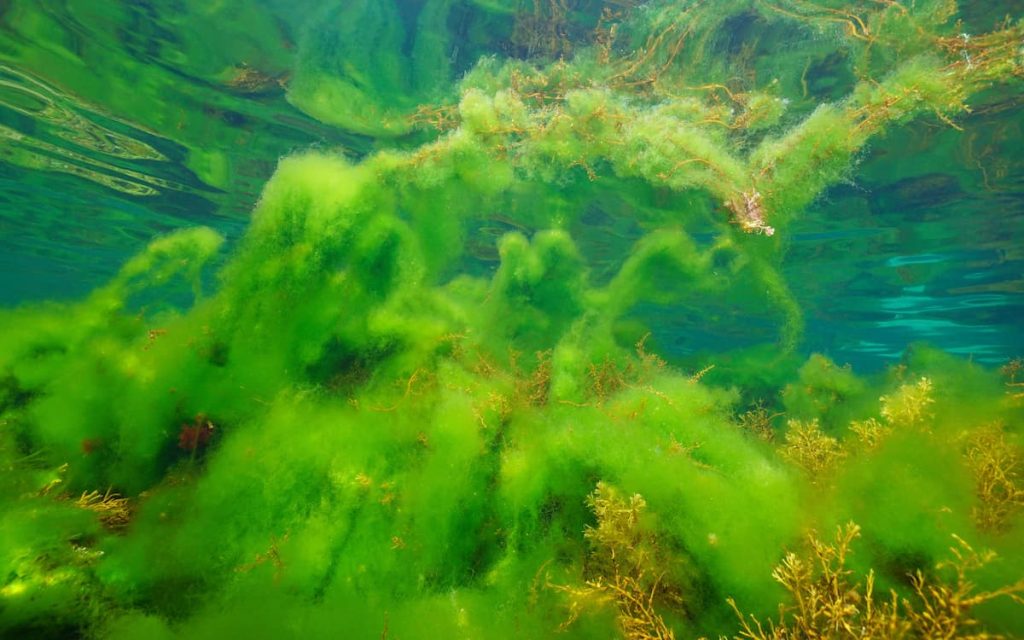
Filamentous algae, often referred to as “pond scum,” “string algae,” or “floating pond algae,” are common nuisances in ponds and lakes. These algae form dense, hair-like mats that can cover the water’s surface, disrupting the ecosystem and aesthetics of aquatic environments. Understanding filamentous algae is crucial for effective management and control.
Understanding Filamentous Algae
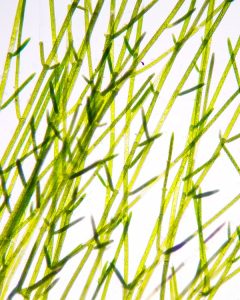
Filamentous algae are a type of green algae composed of long chains of cells that intertwine to form visible threads or filaments. These filaments can attach to submerged surfaces or float freely, creating thick mats on the water’s surface. Common genera include Spirogyra, Cladophora, and Pithophora.
What Does Filamentous Algae Look Like?
Filamentous algae appear as green, slimy, hair-like strands that can form extensive mats. These mats often float on the water’s surface, especially during warm, sunny days when oxygen produced during photosynthesis becomes trapped, causing the algae to rise. The texture can range from soft and cottony to coarse and gritty, depending on the species.
Causes of Filamentous Algae Growth

What Causes Filamentous Algae?
Several factors contribute to the proliferation of filamentous algae:
- Excess Nutrients: High levels of nitrogen and phosphorus from fertilizers, lawn runoff, or agricultural activities can fuel algae growth.
- Sunlight: Ponds with ample sunlight and shallow areas are more susceptible, as light promotes photosynthesis.
- Warm Temperatures: Algae thrive in warm water conditions, making summer months peak times for growth.
- Stagnant Water: Lack of water movement can lead to oxygen depletion and create favorable conditions for algae.
Impacts of Filamentous Algae
While filamentous algae are a natural part of aquatic ecosystems, excessive growth can lead to:
- Oxygen Depletion: Dense mats can block sunlight, affecting submerged plants and reducing oxygen levels, which can harm fish and other aquatic life.
- Aesthetic Issues: Thick algae mats can make ponds look unappealing and emit unpleasant odors.
- Recreational Hindrance: Algae can interfere with swimming, fishing, and other recreational activities.
Don't Let Algae Ruin Your Pond
Schedule a site visit with Pond Guru for algae control services in your community lake or pond.
Filamentous Algae Control Methods
Physical Removal
Manually removing algae using rakes or nets can be effective for small ponds. However, this method is labor-intensive and may not prevent regrowth if underlying nutrient issues aren’t addressed.
Biological Control
Introducing algae-eating fish, such as grass carp, can help control algae populations. However, this method requires careful consideration of the pond’s ecosystem and local regulations.
Chemical Treatments
Algaecides can be used to control filamentous algae. Products containing copper compounds are commonly used, but they must be applied carefully to avoid harming fish and beneficial plants. Always follow label instructions and consider consulting professionals before application.
Nutrient Management
Reducing nutrient inputs is crucial for long-term control. Implementing buffer zones with vegetation around the pond can help filter runoff. Limiting fertilizer use near water bodies and ensuring proper septic system maintenance are also effective strategies.

Pond Guru's Algae Control Services
Managing filamentous algae can be challenging, but professional assistance can make a significant difference. Pond Guru offers comprehensive algae control services tailored to your pond’s specific needs. Our team conducts thorough assessments and implements sustainable solutions to restore and maintain the health of your aquatic environment.
Frequently Asked Questions
Pond scum refers to the thick mats of filamentous algae that accumulate on the surface of ponds, giving a green, slimy appearance.
While small amounts are harmless, excessive filamentous algae can deplete oxygen levels, leading to fish stress or death.
Yes, but it's essential to choose fish-safe products and apply them according to the manufacturer's guidelines.
Managing nutrient inputs, ensuring proper aeration, and maintaining a balanced ecosystem are key preventive measures.
Pond Guru provides algae control services, including assessments, treatment plans, and ongoing maintenance to ensure a healthy pond environment.
Ready to Schedule a Visit ?
Have questions about your pond or lake? Our experts are ready to help you take the next step.
Latest Article
Popular Post

Pond Smelling Like Rotten Eggs? Foul Smelling Pond Water
Table of Contents That unmistakable rotten-egg, sulfur smell drifting…
Filamentous algae, often referred to as “pond scum,” “string algae,” or “floating pond algae,” are common nuisances in ponds and lakes. These algae form dense, hair-like mats that can cover the water’s surface, disrupting the ecosystem and aesthetics of aquatic environments. Understanding filamentous algae is crucial for effective management and control.
Understanding Filamentous Algae
Filamentous algae are a type of green algae composed of long chains of cells that intertwine to form visible threads or filaments. These filaments can attach to submerged surfaces or float freely, creating thick mats on the water’s surface. Common genera include Spirogyra, Cladophora, and Pithophora.
What Does Filamentous Algae Look Like?
Filamentous algae appear as green, slimy, hair-like strands that can form extensive mats. These mats often float on the water’s surface, especially during warm, sunny days when oxygen produced during photosynthesis becomes trapped, causing the algae to rise. The texture can range from soft and cottony to coarse and gritty, depending on the species.
Causes of Filamentous Algae Growth
What Causes Filamentous Algae?
Several factors contribute to the proliferation of filamentous algae:
- Excess Nutrients: High levels of nitrogen and phosphorus from fertilizers, lawn runoff, or agricultural activities can fuel algae growth.
- Sunlight: Ponds with ample sunlight and shallow areas are more susceptible, as light promotes photosynthesis.
- Warm Temperatures: Algae thrive in warm water conditions, making summer months peak times for growth.
- Stagnant Water: Lack of water movement can lead to oxygen depletion and create favorable conditions for algae.
Impacts of Filamentous Algae
While filamentous algae are a natural part of aquatic ecosystems, excessive growth can lead to:
- Oxygen Depletion: Dense mats can block sunlight, affecting submerged plants and reducing oxygen levels, which can harm fish and other aquatic life.
- Aesthetic Issues: Thick algae mats can make ponds look unappealing and emit unpleasant odors.
- Recreational Hindrance: Algae can interfere with swimming, fishing, and other recreational activities.
Don't Let Algae Ruin Your Pond
Schedule a site visit with Pond Guru for algae control services in your community lake or pond.
Filamentous Algae Control Methods
Physical Removal
Manually removing algae using rakes or nets can be effective for small ponds. However, this method is labor-intensive and may not prevent regrowth if underlying nutrient issues aren’t addressed.
Biological Control
Introducing algae-eating fish, such as grass carp, can help control algae populations. However, this method requires careful consideration of the pond’s ecosystem and local regulations.
Chemical Treatments
Algaecides can be used to control filamentous algae. Products containing copper compounds are commonly used, but they must be applied carefully to avoid harming fish and beneficial plants. Always follow label instructions and consider consulting professionals before application.
Nutrient Management
Reducing nutrient inputs is crucial for long-term control. Implementing buffer zones with vegetation around the pond can help filter runoff. Limiting fertilizer use near water bodies and ensuring proper septic system maintenance are also effective strategies.
Pond Guru's Algae Control Services
Managing filamentous algae can be challenging, but professional assistance can make a significant difference. Pond Guru offers comprehensive algae control services tailored to your pond’s specific needs. Our team conducts thorough assessments and implements sustainable solutions to restore and maintain the health of your aquatic environment.
Frequently Asked Questions
Pond scum refers to the thick mats of filamentous algae that accumulate on the surface of ponds, giving a green, slimy appearance.
While small amounts are harmless, excessive filamentous algae can deplete oxygen levels, leading to fish stress or death.
Yes, but it's essential to choose fish-safe products and apply them according to the manufacturer's guidelines.
Managing nutrient inputs, ensuring proper aeration, and maintaining a balanced ecosystem are key preventive measures.
Pond Guru provides algae control services, including assessments, treatment plans, and ongoing maintenance to ensure a healthy pond environment.
Ready to Schedule a Visit ?
Have questions about your pond or lake? Our experts are ready to help you take the next step.
Latest Article
Popular Post
Pond Smelling Like Rotten Eggs? Foul Smelling Pond Water
Table of Contents That unmistakable rotten-egg, sulfur smell drifting…