

How to Prevent Fertilizer Runoff into Ponds
How to Prevent Fertilizer Runoff into Ponds
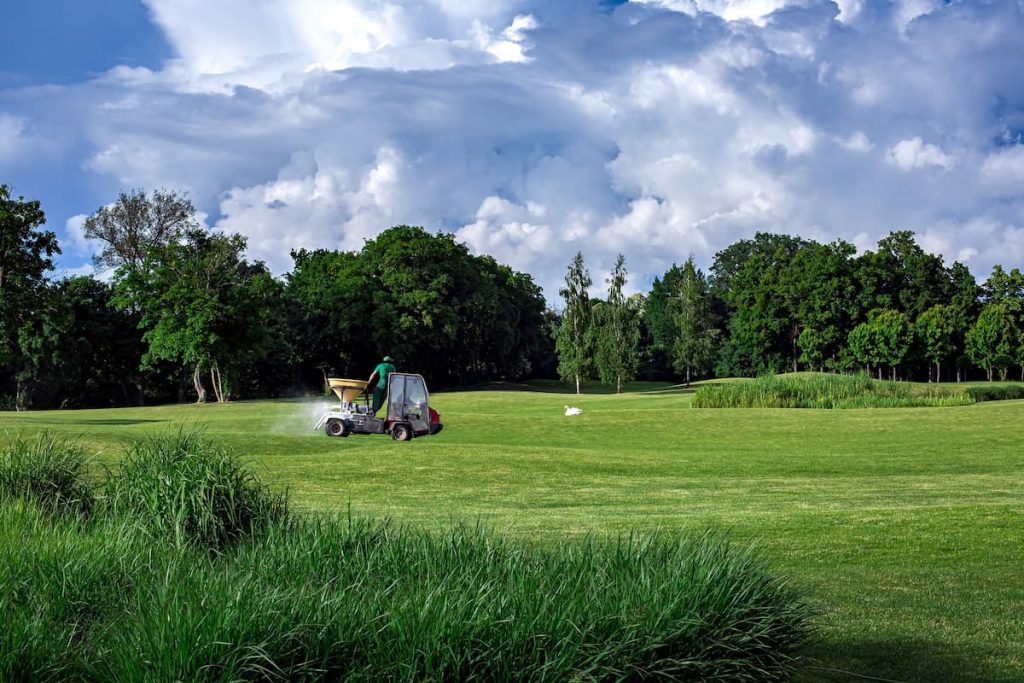
Fertilizer runoff is a major contributor to poor pond health and ugly algae blooms. Whether you manage a golf course pond, HOA water feature, or private property, preventing fertilizer runoff is key to maintaining a balanced ecosystem. In this article, you’ll learn what causes agricultural runoff, why fertilizer is bad for ponds, and how Pond Guru can help restore and protect your water.
What Is Fertilizer Runoff?
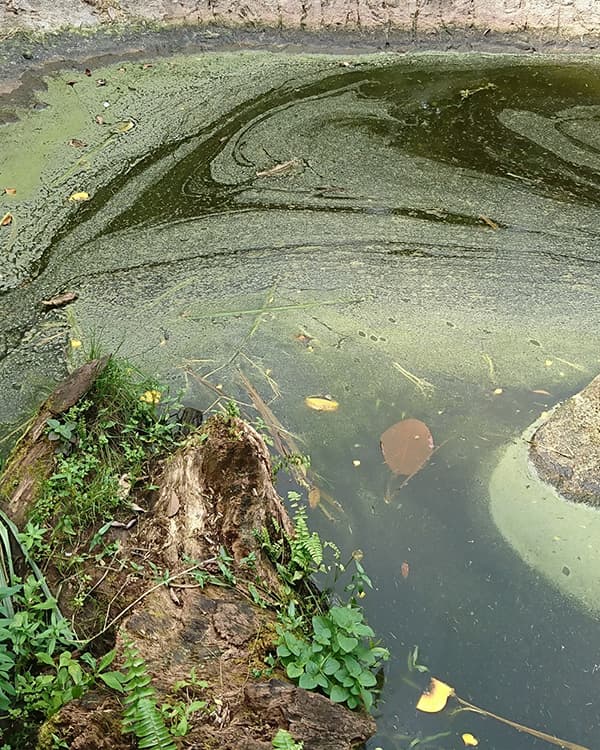
Fertilizer runoff happens when excess nutrients from lawn and garden fertilizers wash into nearby ponds, streams, or lakes through rain or irrigation. These nutrients—mainly nitrogen and phosphorus—fuel overgrowth of algae, turning ponds into nutrient-rich ponds that suffer from oxygen depletion and murky water.
Why Is Fertilizer Bad for Ponds?
Uncontrolled fertilizer application, whether from landscape fertilizer or larger agricultural sources, can lead to:
- Frequent and persistent algal blooms
- Oxygen depletion harming fish and beneficial organisms
- Accumulation of debris and unpleasant odors
- Poor water clarity and decreased aesthetic value
These conditions signal an unhealthy pond ecosystem that demands attention.
Agricultural Runoff: It’s Not Just for Crops
Agricultural runoff isn’t confined to farms; it often comes from golf courses, residential lawns, and landscaping projects. Whether you’re a property manager or HOA board member, runoff from garden fertilizer can threaten nearby ponds. Taking steps to limit nutrient flow is essential for sustainable pond management.
Best Landscape Practices to Minimize Runoff

Here’s how to safeguard your pond environment:
1. Use Precision Fertilizer
Choose slow-release or phosphorus-free fertilizer and apply only what plants need.
2. Time Applications Thoughtfully
Fertilize during dry periods and avoid irrigating or fertilizing before rain.
3. Establish Buffer Zones
Plant native grasses or shrubs around the pond edge to filter runoff.
4. Utilize Spot Treatments on Turf
Especially on golf courses, targeted fertilization reduces wasted nutrients.
5. Optimize Irrigation
Keep watering efficient and avoid over-watering to reduce runoff.
Pond Guru’s Nutrient Management Solutions
Even with best practices in place, runoff may still occur. Pond Guru’s proven services include:
- Water and nutrient testing
- Custom algae control strategies
- Buffer planting and native wetland restoration
Ongoing monitoring as part of comprehensive golf course pond management
Long-Term Strategies for Nutrient Pollution Prevention
To preserve pond health, consider:
- Switching to organic composts and natural soil amendments
- Installing turf-to-pond buffer strips
- Diverting surface water via swales or rain gardens
- Annual inspections to detect early signs of nutrient imbalance
When to Contact Pond Guru
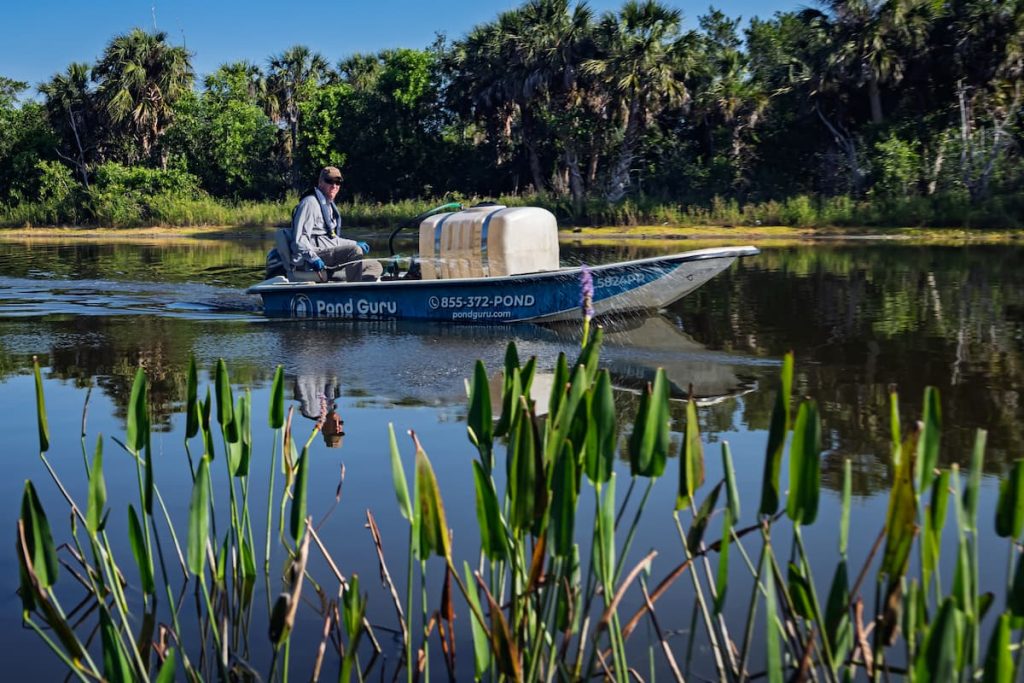
If you notice persistent algae blooms, foul odors, or cloudiness, it’s time to call Pond Guru. Their experts will:
- Test nutrient levels
- Identify sources of runoff
- Recommend solutions; buffer zones, aeration systems, or planting
- Implement and monitor effective pond care
Benefits of Nutrient Management
Taking proactive steps helps you:
- Maintain crystalline, healthy pond water
- Support aquatic wildlife and fish
- Reduce perimeter maintenance costs
- Improve property value and visual appeal
Ready to Protect Your Pond?
Stop letting fertilizer runoff threaten your pond’s health. Book a consultation with Pond Guru today for nutrient testing and an expert site visit. Let’s keep your pond thriving.
Frequently Asked Questions
A buffer of native grasses 6–10 ft wide filters nutrients effectively before they reach pond water.
Test water semi-annually (early spring and late summer) to track nitrogen and phosphorus levels.
Yes. Even slow-release fertilizers can leach into runoff if overapplied or used before rain.
Rain gardens slow water flow and absorb runoff, helping reduce nutrient load entering ponds.
Pond Guru offers both algae removal and long-term prevention through nutrient testing, buffer planting, and maintenance planning.
Ready to Schedule a Visit ?
Have questions about your pond or lake? Our experts are ready to help you take the next step.
Latest Article
Popular Post

Pennywort: From Lawn Weed to Pond Invader
Table of Contents Most Floridians know pennywort as dollarweed,…
Fertilizer runoff is a major contributor to poor pond health and ugly algae blooms. Whether you manage a golf course pond, HOA water feature, or private property, preventing fertilizer runoff is key to maintaining a balanced ecosystem. In this article, you’ll learn what causes agricultural runoff, why fertilizer is bad for ponds, and how Pond Guru can help restore and protect your water.
What Is Fertilizer Runoff?
Fertilizer runoff happens when excess nutrients from lawn and garden fertilizers wash into nearby ponds, streams, or lakes through rain or irrigation. These nutrients—mainly nitrogen and phosphorus—fuel overgrowth of algae, turning ponds into nutrient-rich ponds that suffer from oxygen depletion and murky water.
Why Is Fertilizer Bad for Ponds?
Uncontrolled fertilizer application, whether from landscape fertilizer or larger agricultural sources, can lead to:
- Frequent and persistent algal blooms
- Oxygen depletion harming fish and beneficial organisms
- Accumulation of debris and unpleasant odors
- Poor water clarity and decreased aesthetic value
These conditions signal an unhealthy pond ecosystem that demands attention.
Agricultural Runoff: It’s Not Just for Crops
Agricultural runoff isn’t confined to farms; it often comes from golf courses, residential lawns, and landscaping projects. Whether you’re a property manager or HOA board member, runoff from garden fertilizer can threaten nearby ponds. Taking steps to limit nutrient flow is essential for sustainable pond management.
Best Landscape Practices to Minimize Runoff

Here’s how to safeguard your pond environment:
1. Use Precision Fertilizer
Choose slow-release or phosphorus-free fertilizer and apply only what plants need.
2. Time Applications Thoughtfully
Fertilize during dry periods and avoid irrigating or fertilizing before rain.
3. Establish Buffer Zones
Plant native grasses or shrubs around the pond edge to filter runoff.
4. Utilize Spot Treatments on Turf
Especially on golf courses, targeted fertilization reduces wasted nutrients.
5. Optimize Irrigation
Keep watering efficient and avoid over-watering to reduce runoff.
Pond Guru’s Nutrient Management Solutions
Even with best practices in place, runoff may still occur. Pond Guru’s proven services include:
- Water and nutrient testing
- Custom algae control strategies
- Buffer planting and native wetland restoration
Ongoing monitoring as part of comprehensive golf course pond management
Long-Term Strategies for Nutrient Pollution Prevention
To preserve pond health, consider:
- Switching to organic composts and natural soil amendments
- Installing turf-to-pond buffer strips
- Diverting surface water via swales or rain gardens
- Annual inspections to detect early signs of nutrient imbalance
When to Contact Pond Guru
If you notice persistent algae blooms, foul odors, or cloudiness, it’s time to call Pond Guru. Their experts will:
- Test nutrient levels
- Identify sources of runoff
- Recommend solutions; buffer zones, aeration systems, or planting
- Implement and monitor effective pond care
Benefits of Nutrient Management
Taking proactive steps helps you:
- Maintain crystalline, healthy pond water
- Support aquatic wildlife and fish
- Reduce perimeter maintenance costs
- Improve property value and visual appeal
Ready to Protect Your Pond?
Stop letting fertilizer runoff threaten your pond’s health. Book a consultation with Pond Guru today for nutrient testing and an expert site visit. Let’s keep your pond thriving.
Frequently Asked Questions
A buffer of native grasses 6–10 ft wide filters nutrients effectively before they reach pond water.
Test water semi-annually (early spring and late summer) to track nitrogen and phosphorus levels.
Yes. Even slow-release fertilizers can leach into runoff if overapplied or used before rain.
Rain gardens slow water flow and absorb runoff, helping reduce nutrient load entering ponds.
Pond Guru offers both algae removal and long-term prevention through nutrient testing, buffer planting, and maintenance planning.
Ready to Schedule a Visit ?
Have questions about your pond or lake? Our experts are ready to help you take the next step.
Latest Article
Popular Post
Pennywort: From Lawn Weed to Pond Invader
Table of Contents Most Floridians know pennywort as dollarweed,…