

What is Common Spikerush (Eleocharis palustris)?
What is Common Spikerush (Eleocharis palustris)?
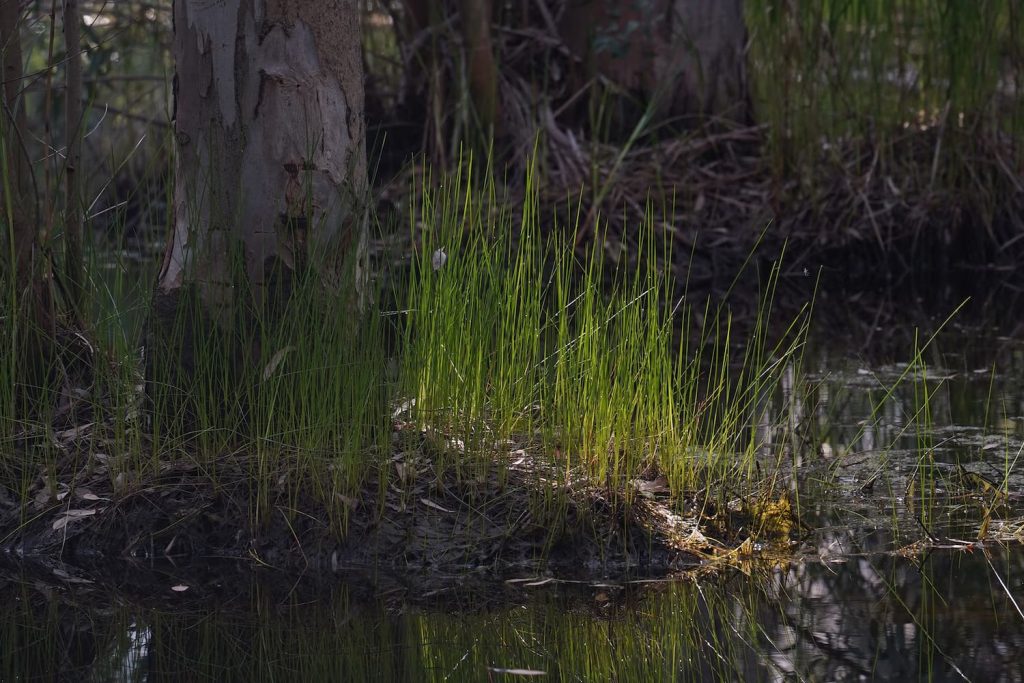
If you manage a pond, lake, or stormwater system in Florida, you have likely seen thin, grass-like stems growing along the shoreline and wondered whether they are beneficial or something that needs to be removed. One of the most common native species in these environments is spikerush, specifically eleocharis palustris.
Understanding what spikerush is, how it grows, and how to manage it properly is essential for HOA board members, property managers, golf course superintendents, and private pond owners. When handled correctly, it can be a valuable part of shoreline vegetation management. When left unmanaged, it can become overgrown and interfere with access and aesthetics.
This guide explains the role of the spike rush plant, how it functions in aquatic environments, and how to maintain the right balance between ecological benefit and visual control.
What is Spikerush (Eleocharis palustris)?
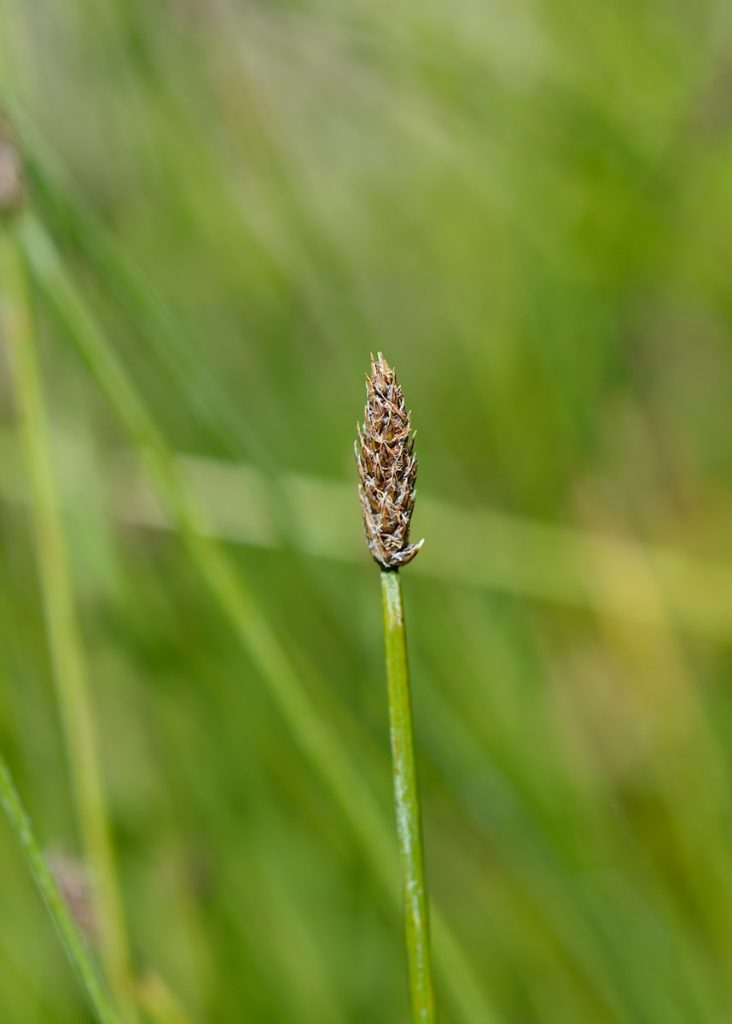
Spikerush, commonly referred to as spike rush, is a native wetland plant in the genus eleocharis. The species eleocharis palustris, also known as common spikerush, is widely found in shallow water zones, marshes, and pond edges throughout Florida and much of North America.
Despite its grass-like appearance, spikerush is not a true grass. It belongs to the sedge family, which is adapted to wet, saturated soils.
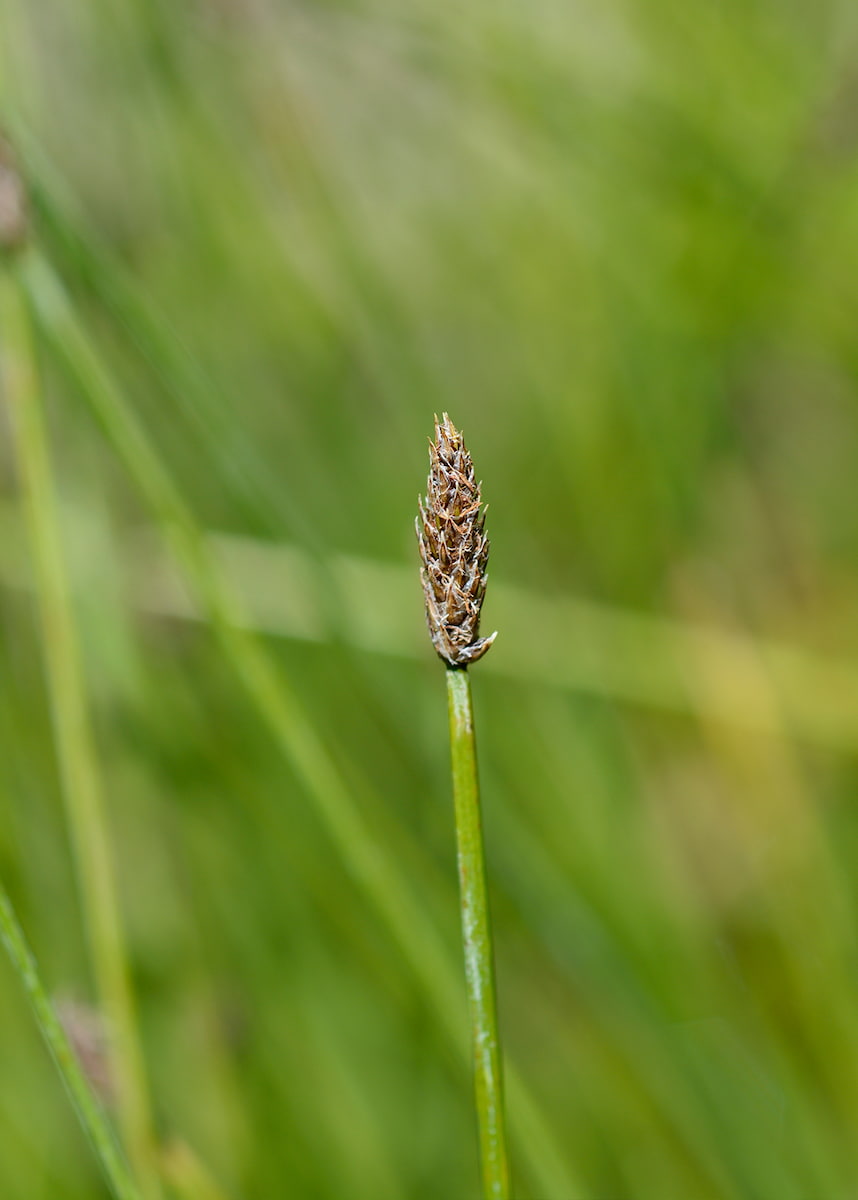
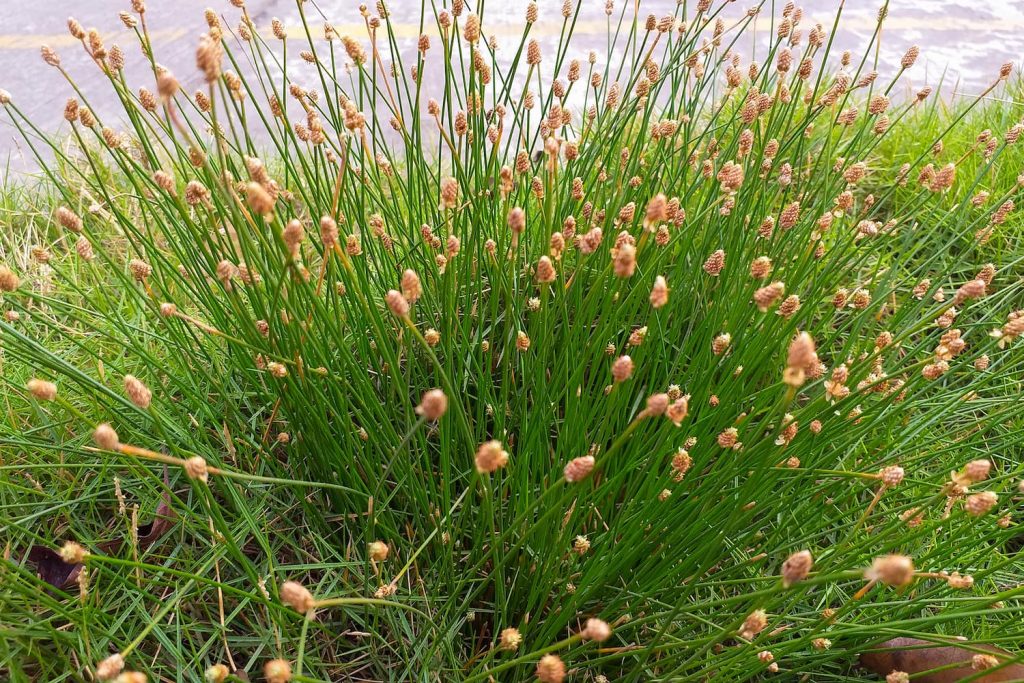
Key characteristics of the spikerush plant include:
- Thin, upright green stems
- Minimal or no visible leaves
- Growth in dense clumps or colonies
- Preference for shallow water or wet soils
- Tolerance for fluctuating water levels
Because of its structure and adaptability, spikerush is commonly found along pond margins where water meets land.
Eleocharis Species Overview: Understanding the Eleocharis Genus
The term eleocharis refers to a broader group of aquatic and semi-aquatic plants. There are multiple types of spike rush within this genus, each adapted to slightly different environments.
Common species include:
- Eleocharis palustris (common spikerush)
- Eleocharis cellulosa (gulf coast spikerush)
- Eleocharis montevidensis (sand spikerush)
While these species vary slightly in height, density, and preferred habitat, they all share similar characteristics:
- Thrive in wetland and shoreline zones
- Spread through rhizomes
- Provide structural habitat for aquatic ecosystems
For most Florida pond environments, eleocharis palustris is the most commonly encountered species.
How Does Spike Rush Grow?
Understanding how does spike rush grow is key to managing it effectively.
Spikerush spreads in two primary ways:
1. Rhizome expansion
Spikerush grows underground through horizontal root structures called rhizomes. These allow the plant to spread outward and form dense colonies over time.
2. Seed production
While less dominant than rhizome spread, spikerush can also reproduce through seeds, allowing it to establish in new areas.
Growth conditions that favor spikerush include:
- Shallow water zones (typically 0–12 inches deep)
- Saturated soils along shorelines
- Stable or slowly fluctuating water levels
- Nutrient-rich sediment
Because of this growth pattern, spikerush often forms a natural transition zone between open water and dry land.
Where Does Spikerush Exist in Pond and Lake Systems?
Spikerush is most commonly found in the littoral zone, which is the shallow edge of a pond or lake where sunlight reaches the bottom.
Typical locations include:
- Pond edges and shorelines
- Stormwater retention ponds
- Wetland margins
- Golf course water hazards
- Natural lakes and marshes
In Florida, spikerush is considered a native and beneficial plant in many of these environments.
However, its presence needs to be balanced with the intended use of the waterbody.
Types of Spike Rush and Their Role in Shoreline Vegetation
There are several types of spike rush, but from a management perspective, they are often grouped together because of their similar behavior.
These plants serve as part of a larger shoreline vegetation system that may include:
- Rushes and sedges
- Native grasses
- Emergent aquatic plants
- Shoreline stabilizing vegetation
Each plays a role in protecting the pond edge and supporting ecological function.
Spikerush, in particular, is often one of the first plants to establish in shallow areas, making it an important foundational species.
Manage Native Vegetation Properly
Not all grasses along your shoreline are bad for your pond environment! Schedule a consult with Pond Guru
Spike Rush as Wildlife Habitat
One of the most important benefits of spikerush is its role as spike rush as wildlife habitat.
Properly managed spikerush provides:
- Cover for small fish and juvenile species
- Habitat for amphibians such as frogs
- Nesting areas for birds
- Protection from predators in shallow water zones
- Support for aquatic insects and invertebrates
These functions contribute to a healthier, more balanced aquatic ecosystem.
For HOA ponds and golf course water features, maintaining some level of spikerush can improve biodiversity and ecological stability.
Benefits of the Spike Rush Plant in Pond Management
When incorporated into a structured plan, the spike rush plant provides several functional benefits:
Shoreline stabilization
Spikerush roots help hold soil in place, reducing erosion along pond edges.
Water filtration
The plant can trap sediment and absorb nutrients, helping improve water clarity.
Habitat support
As discussed, it provides shelter and breeding areas for aquatic life.
Natural appearance
Spikerush contributes to a more natural, less artificial shoreline aesthetic.
These benefits make it a valuable component of shoreline vegetation management when properly maintained.
When Spikerush Becomes a Problem
While beneficial, spikerush can become problematic if left unmanaged.
Common issues include:
- Overgrowth that limits access to the water
- Encroachment into open water areas
- Reduced aesthetic appeal in highly maintained properties
- Interference with drainage or stormwater flow
In managed environments such as HOAs and golf courses, balance is critical.
Too little vegetation can lead to erosion and poor water quality. Too much can limit usability and visual appeal.
Shoreline Vegetation Management: Finding the Right Balance
Effective shoreline vegetation management is not about removing all plant life. It is about controlling where and how vegetation grows.
A balanced approach to spikerush includes:
- Maintaining defined shoreline zones
- Selectively thinning overgrown areas
- Preserving habitat in designated sections
- Preventing spread into unwanted areas
- Integrating with other vegetation types
This approach allows property managers to maintain both function and aesthetics.
Managing Spikerush in HOA, Golf Course, and Residential Ponds
Different property types require different management strategies.
HOA ponds
Focus on appearance, access, and mosquito control while maintaining some habitat.
Golf course ponds
Balance playability, visibility, and erosion control.
Private residential ponds
Often prioritize aesthetics and recreational use with selective habitat preservation.
In all cases, the goal is not full removal, but controlled growth.
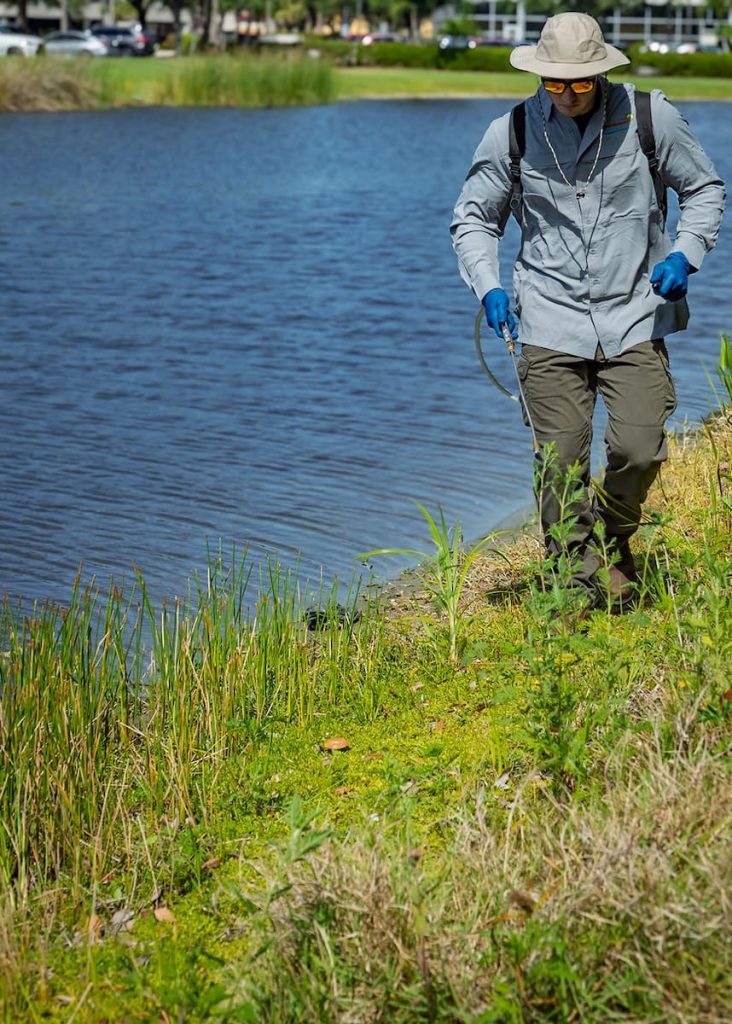
Why Professional Management Matters
Spikerush management may seem simple, but improper removal or over-treatment can create unintended consequences.
Common mistakes include:
- Removing too much vegetation at once
- Disrupting shoreline stability
- Eliminating beneficial habitat
- Allowing regrowth due to incomplete control
Working with a professional ensures that spikerush is managed in a way that supports both ecological health and property goals.
How Pond Guru Helps with Spikerush and Shoreline Vegetation
Pond Guru provides site-specific evaluations to determine the best approach to managing spikerush and other shoreline vegetation.
A consultation can help identify:
- Whether spikerush is beneficial or excessive
- How it is affecting the pond’s function
- What level of control is appropriate
- How to maintain habitat while improving appearance
- Long-term shoreline management strategies
Rather than removing vegetation indiscriminately, Pond Guru focuses on creating balanced, sustainable systems.
Frequently Asked Questions
Spikerush, including eleocharis palustris, is a native wetland plant commonly found along pond and lake shorelines throughout Florida.
It spreads primarily through underground rhizomes, forming dense colonies in shallow water and saturated soils.
Yes. It provides habitat, shelter, and breeding areas for fish, amphibians, birds, and aquatic insects.
Not entirely. It is best managed through selective control to maintain both function and appearance.
Pond Guru evaluates pond conditions and provides tailored strategies for controlling spikerush while preserving ecological benefits.
Ready to Schedule a Visit ?
Have questions about your pond or lake? Our experts are ready to help you take the next step.
Latest Article
Popular Post

What Is Pond Scum? Causes and How to Clear It
Table of Contents That green, stringy, sometimes slimy layer…
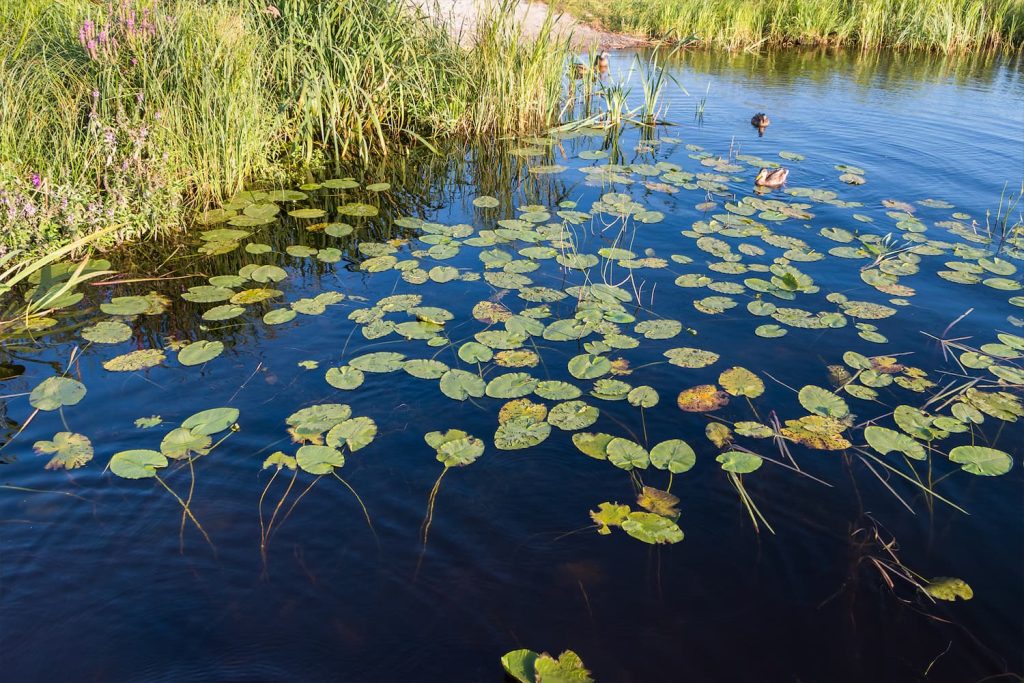
If you manage a pond, lake, or stormwater system in Florida, you have likely seen thin, grass-like stems growing along the shoreline and wondered whether they are beneficial or something that needs to be removed. One of the most common native species in these environments is spikerush, specifically eleocharis palustris.
Understanding what spikerush is, how it grows, and how to manage it properly is essential for HOA board members, property managers, golf course superintendents, and private pond owners. When handled correctly, it can be a valuable part of shoreline vegetation management. When left unmanaged, it can become overgrown and interfere with access and aesthetics.
This guide explains the role of the spike rush plant, how it functions in aquatic environments, and how to maintain the right balance between ecological benefit and visual control.
What is Spikerush (Eleocharis palustris)?
Spikerush, commonly referred to as spike rush, is a native wetland plant in the genus eleocharis. The species eleocharis palustris, also known as common spikerush, is widely found in shallow water zones, marshes, and pond edges throughout Florida and much of North America.
Despite its grass-like appearance, spikerush is not a true grass. It belongs to the sedge family, which is adapted to wet, saturated soils.
Key characteristics of the spikerush plant include:
- Thin, upright green stems
- Minimal or no visible leaves
- Growth in dense clumps or colonies
- Preference for shallow water or wet soils
- Tolerance for fluctuating water levels
Because of its structure and adaptability, spikerush is commonly found along pond margins where water meets land.
Eleocharis Species Overview: Understanding the Eleocharis Genus
The term eleocharis refers to a broader group of aquatic and semi-aquatic plants. There are multiple types of spike rush within this genus, each adapted to slightly different environments.
Common species include:
- Eleocharis palustris (common spikerush)
- Eleocharis cellulosa (gulf coast spikerush)
- Eleocharis montevidensis (sand spikerush)
While these species vary slightly in height, density, and preferred habitat, they all share similar characteristics:
- Thrive in wetland and shoreline zones
- Spread through rhizomes
- Provide structural habitat for aquatic ecosystems
For most Florida pond environments, eleocharis palustris is the most commonly encountered species.
How Does Spike Rush Grow?
Understanding how does spike rush grow is key to managing it effectively.
Spikerush spreads in two primary ways:
1. Rhizome expansion
Spikerush grows underground through horizontal root structures called rhizomes. These allow the plant to spread outward and form dense colonies over time.
2. Seed production
While less dominant than rhizome spread, spikerush can also reproduce through seeds, allowing it to establish in new areas.
Growth conditions that favor spikerush include:
- Shallow water zones (typically 0–12 inches deep)
- Saturated soils along shorelines
- Stable or slowly fluctuating water levels
- Nutrient-rich sediment
Because of this growth pattern, spikerush often forms a natural transition zone between open water and dry land.
Where Does Spikerush Exist in Pond and Lake Systems?
Spikerush is most commonly found in the littoral zone, which is the shallow edge of a pond or lake where sunlight reaches the bottom.
Typical locations include:
- Pond edges and shorelines
- Stormwater retention ponds
- Wetland margins
- Golf course water hazards
- Natural lakes and marshes
In Florida, spikerush is considered a native and beneficial plant in many of these environments.
However, its presence needs to be balanced with the intended use of the waterbody.
Types of Spike Rush and Their Role in Shoreline Vegetation
There are several types of spike rush, but from a management perspective, they are often grouped together because of their similar behavior.
These plants serve as part of a larger shoreline vegetation system that may include:
- Rushes and sedges
- Native grasses
- Emergent aquatic plants
- Shoreline stabilizing vegetation
Each plays a role in protecting the pond edge and supporting ecological function.
Spikerush, in particular, is often one of the first plants to establish in shallow areas, making it an important foundational species.
Manage Native Vegetation Properly
Not all grasses along your shoreline are bad for your pond environment! Schedule a consult with Pond Guru
Spike Rush as Wildlife Habitat
One of the most important benefits of spikerush is its role as spike rush as wildlife habitat.
Properly managed spikerush provides:
- Cover for small fish and juvenile species
- Habitat for amphibians such as frogs
- Nesting areas for birds
- Protection from predators in shallow water zones
- Support for aquatic insects and invertebrates
These functions contribute to a healthier, more balanced aquatic ecosystem.
For HOA ponds and golf course water features, maintaining some level of spikerush can improve biodiversity and ecological stability.
Benefits of the Spike Rush Plant in Pond Management
When incorporated into a structured plan, the spike rush plant provides several functional benefits:
Shoreline stabilization
Spikerush roots help hold soil in place, reducing erosion along pond edges.
Water filtration
The plant can trap sediment and absorb nutrients, helping improve water clarity.
Habitat support
As discussed, it provides shelter and breeding areas for aquatic life.
Natural appearance
Spikerush contributes to a more natural, less artificial shoreline aesthetic.
These benefits make it a valuable component of shoreline vegetation management when properly maintained.
When Spikerush Becomes a Problem
While beneficial, spikerush can become problematic if left unmanaged.
Common issues include:
- Overgrowth that limits access to the water
- Encroachment into open water areas
- Reduced aesthetic appeal in highly maintained properties
- Interference with drainage or stormwater flow
In managed environments such as HOAs and golf courses, balance is critical.
Too little vegetation can lead to erosion and poor water quality. Too much can limit usability and visual appeal.
Shoreline Vegetation Management: Finding the Right Balance
Effective shoreline vegetation management is not about removing all plant life. It is about controlling where and how vegetation grows.
A balanced approach to spikerush includes:
- Maintaining defined shoreline zones
- Selectively thinning overgrown areas
- Preserving habitat in designated sections
- Preventing spread into unwanted areas
- Integrating with other vegetation types
This approach allows property managers to maintain both function and aesthetics.
Managing Spikerush in HOA, Golf Course, and Residential Ponds
Different property types require different management strategies.
HOA ponds
Focus on appearance, access, and mosquito control while maintaining some habitat.
Golf course ponds
Balance playability, visibility, and erosion control.
Private residential ponds
Often prioritize aesthetics and recreational use with selective habitat preservation.
In all cases, the goal is not full removal, but controlled growth.
Why Professional Management Matters
Spikerush management may seem simple, but improper removal or over-treatment can create unintended consequences.
Common mistakes include:
- Removing too much vegetation at once
- Disrupting shoreline stability
- Eliminating beneficial habitat
- Allowing regrowth due to incomplete control
Working with a professional ensures that spikerush is managed in a way that supports both ecological health and property goals.
How Pond Guru Helps with Spikerush and Shoreline Vegetation
Pond Guru provides site-specific evaluations to determine the best approach to managing spikerush and other shoreline vegetation.
A consultation can help identify:
- Whether spikerush is beneficial or excessive
- How it is affecting the pond’s function
- What level of control is appropriate
- How to maintain habitat while improving appearance
- Long-term shoreline management strategies
Rather than removing vegetation indiscriminately, Pond Guru focuses on creating balanced, sustainable systems.
Frequently Asked Questions
Spikerush, including eleocharis palustris, is a native wetland plant commonly found along pond and lake shorelines throughout Florida.
It spreads primarily through underground rhizomes, forming dense colonies in shallow water and saturated soils.
Yes. It provides habitat, shelter, and breeding areas for fish, amphibians, birds, and aquatic insects.
Not entirely. It is best managed through selective control to maintain both function and appearance.
Pond Guru evaluates pond conditions and provides tailored strategies for controlling spikerush while preserving ecological benefits.
Ready to Schedule a Visit ?
Have questions about your pond or lake? Our experts are ready to help you take the next step.
Latest Article
Popular Post
What Is Pond Scum? Causes and How to Clear It
Table of Contents That green, stringy, sometimes slimy layer…