

What Makes a Pond More Turbid | Clear Water Guide
What Makes a Pond More Turbid | Clear Water Guide
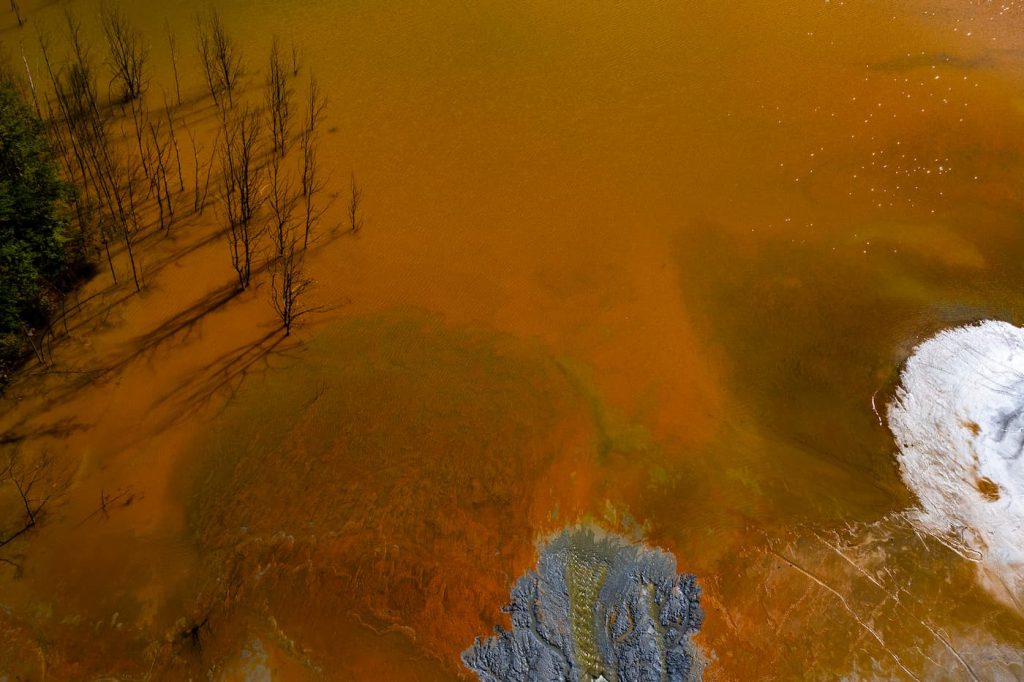
Pond clarity is one of the most visible indicators of water health. When water shifts from clear to murky, brown, or opaque, it signals underlying changes in the ecosystem. Property owners often describe the issue as cloudy pond water, brown pond water, or mucky water, but the technical term for this condition is turbidity.
Understanding what makes a pond more turbid is essential for homeowners, HOA board members, golf course superintendents, and property managers who want to protect water quality, maintain property value, and preserve aquatic life.
This guide explains what causes murky pond water, why pond water turns brown and cloudy, and how to clean pond water using science based pond management practices.
What Makes a Pond More Turbid?
Turbidity refers to the amount of suspended particles in water. The higher the turbidity, the less light can penetrate the water column. When evaluating what makes a pond more turbid, the causes typically fall into four main categories:
- Suspended soil and sediment
- Algae blooms
- Organic debris breakdown
- Excess nutrient loading
Clear pond water allows sunlight to penetrate to deeper levels, supporting balanced plant growth and oxygen production. When turbidity increases, oxygen levels can decline and aquatic ecosystems become stressed.
A clear water pond is not simply an aesthetic goal. It is a biological indicator of stability.
Cloudy Pond Water: Suspended Sediment and Runoff
Cloudy pond water often results from suspended soil particles that remain floating in the water column.
Common causes include:
- Heavy rainfall and stormwater runoff
- Erosion along shorelines
- Construction activity nearby
- Wildlife or livestock disturbing banks
- Aerators placed too close to shallow bottoms
When soil particles remain suspended, the water appears gray or opaque. In some cases, cloudy lake water and murky pond water look similar, especially after strong storms.
Reducing shoreline erosion and improving vegetative buffers are key steps toward maintaining clear pond water.
Brown Pond Water: Why Is My Pond Water Brown?
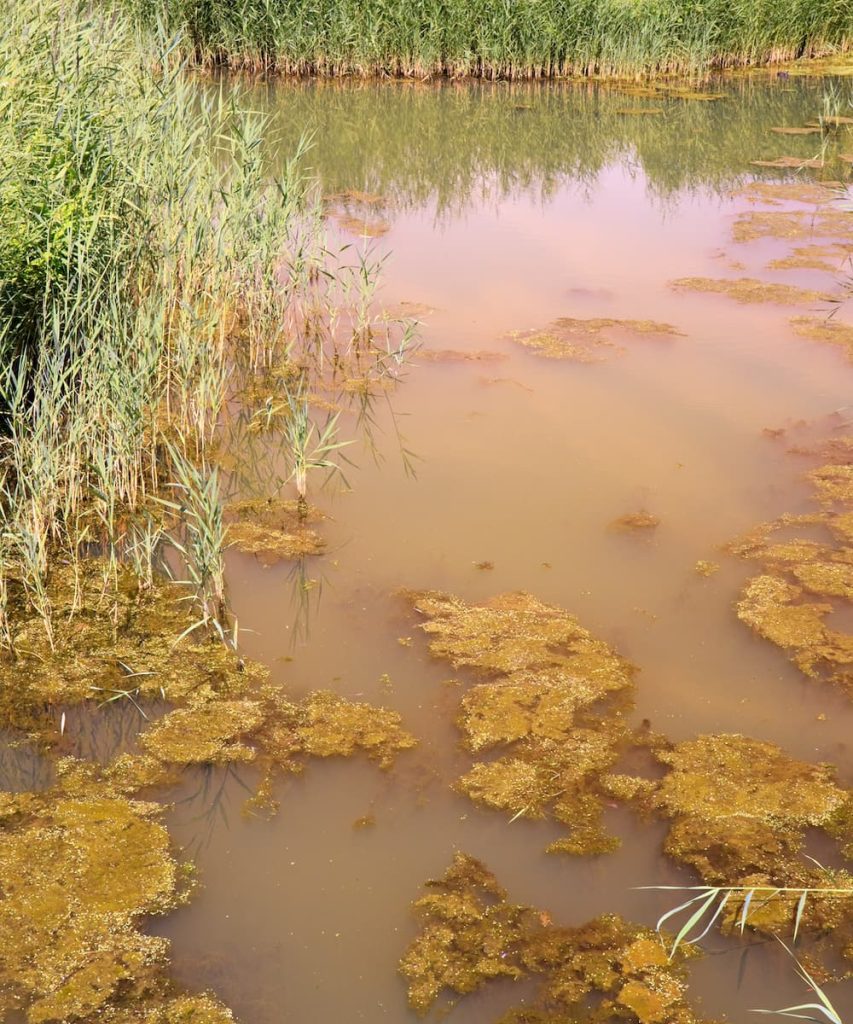
Many property owners report brown pond water and question what causes it. Brown coloration is usually caused by one of two factors:
- Tannins released from decaying leaves and organic matter
- Suspended clay or silt particles
Tannins are natural compounds released when leaves, pine needles, or organic debris decompose. This can give water a tea colored appearance even if it is otherwise healthy.
When soil runoff is involved, brown pond water may also appear cloudy and opaque. In that case, pond water is brown and cloudy often indicates both sediment disturbance and organic breakdown.
Identifying the difference between tannin staining and sediment turbidity is important before applying treatments.
My Pond Water Is Brown and Cloudy: Combined Causes
When water appears both brown and cloudy, multiple factors are usually contributing to turbidity.
These may include:
- Nutrient rich runoff entering the pond
- Organic debris accumulation on the bottom
- Fish stirring bottom sediments
- Algae growth reducing clarity
Mucky water conditions often develop in ponds that have not been regularly maintained. Over time, decomposing plant matter accumulates and contributes to suspended particles.
Without proper aeration and nutrient management, turbidity becomes persistent rather than temporary.
Tired of Murky Pond Water?
Meet with your local Pond Guru to discuss treatment options for your lake or pond.
Mucky Water and Organic Buildup
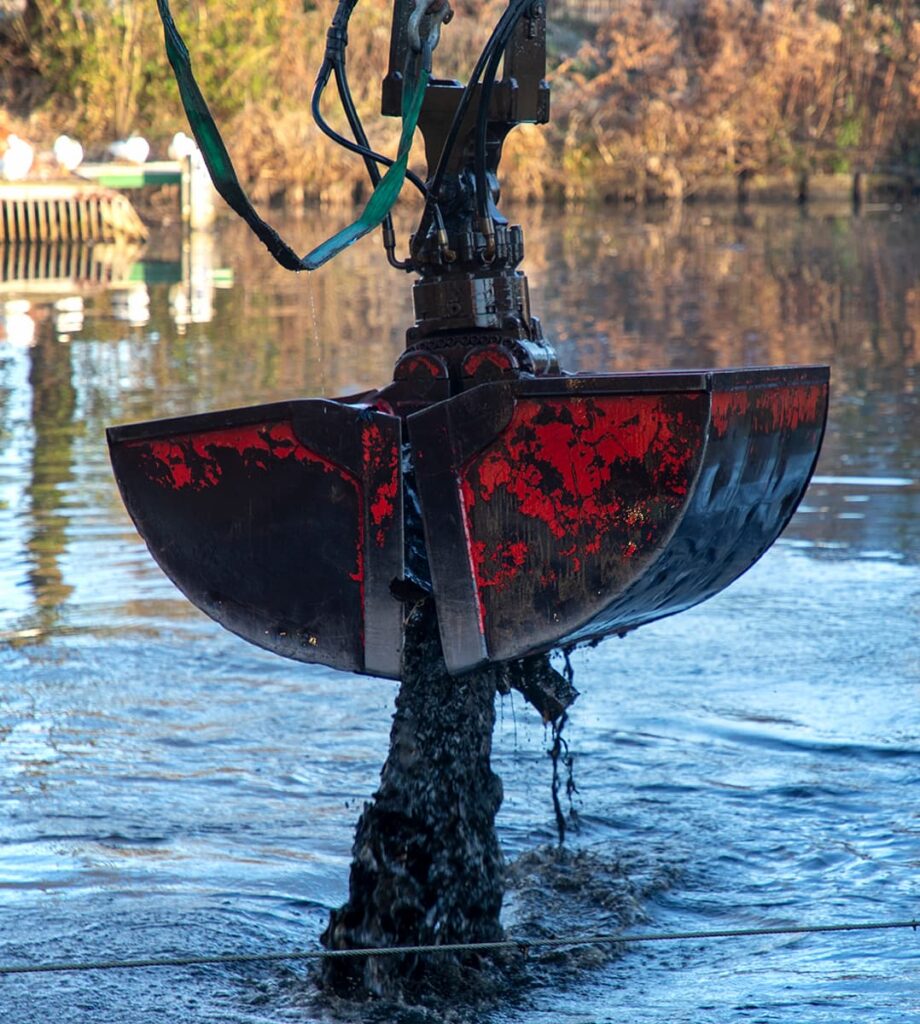
Mucky water is a common complaint in aging ponds. This condition develops when organic material accumulates on the pond bottom and begins to decompose.
Sources of muck include:
- Fallen leaves
- Grass clippings
- Dead algae
- Fish waste
- Runoff carrying fertilizers
As organic matter breaks down, it consumes oxygen and releases nutrients back into the water. This cycle fuels additional algae growth, which further contributes to cloudy pond water.
Long term muck accumulation significantly increases what makes a pond more turbid.
Cloudy Lake Water and Algae Blooms
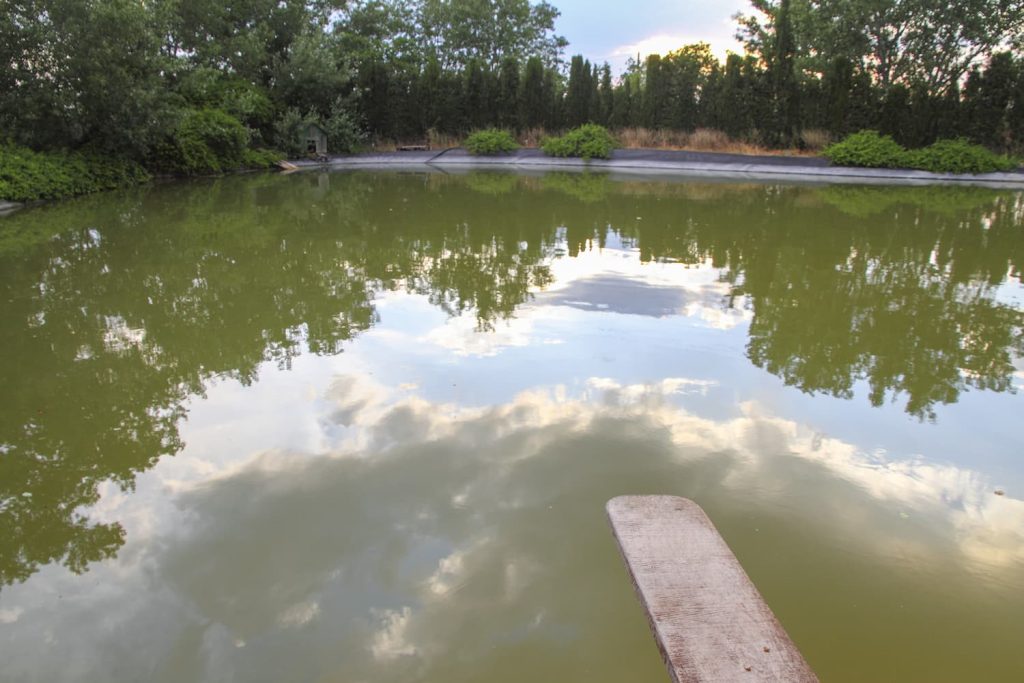
Cloudy lake water and murky pond water are frequently linked to algae blooms.
Algae blooms occur when excess nutrients such as nitrogen and phosphorus enter the water. These nutrients may come from:
- Lawn fertilizer runoff
- Golf course turf management
- HOA landscape applications
- Stormwater systems
- Failing septic systems
When algae multiply rapidly, water appears green, cloudy, or opaque. As algae die and decompose, they add to organic buildup and turbidity.
Maintaining nutrient balance is critical to achieving clear water pond conditions.
How to Make Pond Water Clear
Understanding how to make pond water clear begins with identifying the specific cause of turbidity.
Effective strategies include:
- Installing or optimizing aeration systems
- Reducing shoreline erosion
- Managing nutrient inflow
- Removing excess organic debris
- Applying beneficial bacteria treatments
- Implementing long term vegetation control
Clear pond water is achieved through ecosystem balance rather than quick chemical fixes.
How to Clean Pond Water Safely and Effectively
When property owners search how to clean pond water, the focus should be on long term correction rather than temporary clarity.
Professional pond management typically includes:
- Water quality testing
- Sediment analysis
- Aeration system evaluation
- Nutrient source identification
- Customized treatment planning
Clear water pond conditions result from consistent monitoring and proactive management.
For golf courses and HOA communities, maintaining clear pond water also supports property aesthetics, irrigation reliability, and resident satisfaction.
How to Clear Brown Pond Water
How to clear brown pond water depends on whether the issue is tannins or sediment.
If tannins are the cause:
- Reduce leaf accumulation
- Improve circulation
- Install skimming systems
If sediment is the cause:
- Stabilize shorelines with vegetation
- Install erosion control measures
- Adjust aeration placement
- Limit fish populations that disturb bottom soils
Correct diagnosis prevents ineffective treatments and unnecessary costs.
Why Water Clarity Matters
Clear pond water is more than an aesthetic improvement.
Proper clarity supports:
- Healthy fish populations
- Balanced aquatic vegetation
- Improved oxygen levels
- Reduced mosquito breeding conditions
- Enhanced property value
Turbidity reduces sunlight penetration and can disrupt the entire aquatic food chain. Maintaining a clear water pond is a reflection of proper ecological management.
How Pond Guru Addresses Turbidity and Cloudy Pond Water
Pond Guru approaches turbidity through comprehensive water management.
Services include:
- On site water quality evaluation
- Aeration system design and optimization
- Nutrient reduction planning
- Shoreline stabilization guidance
- Biological and mechanical treatment programs
Every pond is unique. Homeowners, HOA boards, and property managers benefit from customized assessments that identify what makes a pond more turbid in their specific environment.
Scheduling a professional site visit allows for accurate diagnosis and targeted correction.
Schedule a Site Visit for Your Cloudy Pond
Persistent cloudy pond water, brown pond water, or mucky water conditions indicate underlying ecosystem imbalance.
Pond Guru provides professional site evaluations to identify contributing factors and develop long term clarity solutions. Whether managing a residential pond, HOA community water feature, or golf course lake system, professional assessment ensures effective treatment.
Schedule a site visit with Pond Guru to evaluate your cloudy pond and receive a customized clarity management plan.
Frequently Asked Questions
Suspended sediment, algae blooms, organic debris breakdown, and excess nutrient loading are the primary contributors to turbidity.
Brown pond water is commonly caused by tannins from decomposing leaves or suspended soil particles from runoff.
Improving aeration, reducing nutrients, stabilizing shorelines, and managing organic buildup help restore clear pond water.
Identify whether tannins or sediment are responsible, then implement circulation improvements, debris removal, and erosion control strategies.
Combined sediment disturbance and organic decomposition often cause brown and cloudy conditions simultaneously. Professional evaluation ensures proper correction.
Ready to Schedule a Visit ?
Have questions about your pond or lake? Our experts are ready to help you take the next step.
Latest Article
Popular Post

Saltwater Intrusion in Florida Community Lakes: Causes and Testing
Table of Contents A community lake that has looked…
Pond clarity is one of the most visible indicators of water health. When water shifts from clear to murky, brown, or opaque, it signals underlying changes in the ecosystem. Property owners often describe the issue as cloudy pond water, brown pond water, or mucky water, but the technical term for this condition is turbidity.
Understanding what makes a pond more turbid is essential for homeowners, HOA board members, golf course superintendents, and property managers who want to protect water quality, maintain property value, and preserve aquatic life.
This guide explains what causes murky pond water, why pond water turns brown and cloudy, and how to clean pond water using science based pond management practices.
What Makes a Pond More Turbid?
Turbidity refers to the amount of suspended particles in water. The higher the turbidity, the less light can penetrate the water column. When evaluating what makes a pond more turbid, the causes typically fall into four main categories:
- Suspended soil and sediment
- Algae blooms
- Organic debris breakdown
- Excess nutrient loading
Clear pond water allows sunlight to penetrate to deeper levels, supporting balanced plant growth and oxygen production. When turbidity increases, oxygen levels can decline and aquatic ecosystems become stressed.
A clear water pond is not simply an aesthetic goal. It is a biological indicator of stability.
Cloudy Pond Water: Suspended Sediment and Runoff
Cloudy pond water often results from suspended soil particles that remain floating in the water column.
Common causes include:
- Heavy rainfall and stormwater runoff
- Erosion along shorelines
- Construction activity nearby
- Wildlife or livestock disturbing banks
- Aerators placed too close to shallow bottoms
When soil particles remain suspended, the water appears gray or opaque. In some cases, cloudy lake water and murky pond water look similar, especially after strong storms.
Reducing shoreline erosion and improving vegetative buffers are key steps toward maintaining clear pond water.
Brown Pond Water: Why Is My Pond Water Brown?
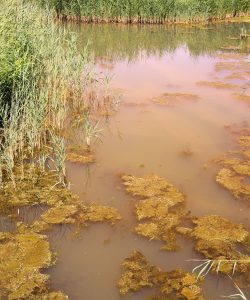
Many property owners report brown pond water and question what causes it. Brown coloration is usually caused by one of two factors:
- Tannins released from decaying leaves and organic matter
- Suspended clay or silt particles
Tannins are natural compounds released when leaves, pine needles, or organic debris decompose. This can give water a tea colored appearance even if it is otherwise healthy.
When soil runoff is involved, brown pond water may also appear cloudy and opaque. In that case, pond water is brown and cloudy often indicates both sediment disturbance and organic breakdown.
Identifying the difference between tannin staining and sediment turbidity is important before applying treatments.
My Pond Water Is Brown and Cloudy: Combined Causes
When water appears both brown and cloudy, multiple factors are usually contributing to turbidity.
These may include:
- Nutrient rich runoff entering the pond
- Organic debris accumulation on the bottom
- Fish stirring bottom sediments
- Algae growth reducing clarity
Mucky water conditions often develop in ponds that have not been regularly maintained. Over time, decomposing plant matter accumulates and contributes to suspended particles.
Without proper aeration and nutrient management, turbidity becomes persistent rather than temporary.
Tired of Murky Pond Water?
Meet with your local Pond Guru to discuss treatment options for your lake or pond.
Mucky Water and Organic Buildup
Mucky water is a common complaint in aging ponds. This condition develops when organic material accumulates on the pond bottom and begins to decompose.
Sources of muck include:
- Fallen leaves
- Grass clippings
- Dead algae
- Fish waste
- Runoff carrying fertilizers
As organic matter breaks down, it consumes oxygen and releases nutrients back into the water. This cycle fuels additional algae growth, which further contributes to cloudy pond water.
Long term muck accumulation significantly increases what makes a pond more turbid.
Cloudy Lake Water and Algae Blooms
Cloudy lake water and murky pond water are frequently linked to algae blooms.
Algae blooms occur when excess nutrients such as nitrogen and phosphorus enter the water. These nutrients may come from:
- Lawn fertilizer runoff
- Golf course turf management
- HOA landscape applications
- Stormwater systems
- Failing septic systems
When algae multiply rapidly, water appears green, cloudy, or opaque. As algae die and decompose, they add to organic buildup and turbidity.
Maintaining nutrient balance is critical to achieving clear water pond conditions.
How to Make Pond Water Clear
Understanding how to make pond water clear begins with identifying the specific cause of turbidity.
Effective strategies include:
- Installing or optimizing aeration systems
- Reducing shoreline erosion
- Managing nutrient inflow
- Removing excess organic debris
- Applying beneficial bacteria treatments
- Implementing long term vegetation control
Clear pond water is achieved through ecosystem balance rather than quick chemical fixes.
How to Clean Pond Water Safely and Effectively
When property owners search how to clean pond water, the focus should be on long term correction rather than temporary clarity.
Professional pond management typically includes:
- Water quality testing
- Sediment analysis
- Aeration system evaluation
- Nutrient source identification
- Customized treatment planning
Clear water pond conditions result from consistent monitoring and proactive management.
For golf courses and HOA communities, maintaining clear pond water also supports property aesthetics, irrigation reliability, and resident satisfaction.
How to Clear Brown Pond Water
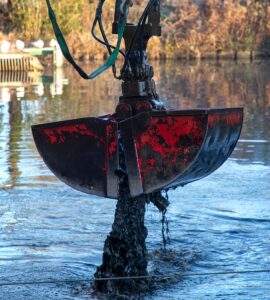
How to clear brown pond water depends on whether the issue is tannins or sediment.
If tannins are the cause:
- Reduce leaf accumulation
- Improve circulation
- Install skimming systems
If sediment is the cause:
- Stabilize shorelines with vegetation
- Install erosion control measures
- Adjust aeration placement
- Limit fish populations that disturb bottom soils
Correct diagnosis prevents ineffective treatments and unnecessary costs.
Why Water Clarity Matters
Clear pond water is more than an aesthetic improvement.
Proper clarity supports:
- Healthy fish populations
- Balanced aquatic vegetation
- Improved oxygen levels
- Reduced mosquito breeding conditions
- Enhanced property value
Turbidity reduces sunlight penetration and can disrupt the entire aquatic food chain. Maintaining a clear water pond is a reflection of proper ecological management.
How Pond Guru Addresses Turbidity and Cloudy Pond Water
Pond Guru approaches turbidity through comprehensive water management.
Services include:
- On site water quality evaluation
- Aeration system design and optimization
- Nutrient reduction planning
- Shoreline stabilization guidance
- Biological and mechanical treatment programs
Every pond is unique. Homeowners, HOA boards, and property managers benefit from customized assessments that identify what makes a pond more turbid in their specific environment.
Scheduling a professional site visit allows for accurate diagnosis and targeted correction.
Schedule a Site Visit for Your Cloudy Pond
Persistent cloudy pond water, brown pond water, or mucky water conditions indicate underlying ecosystem imbalance.
Pond Guru provides professional site evaluations to identify contributing factors and develop long term clarity solutions. Whether managing a residential pond, HOA community water feature, or golf course lake system, professional assessment ensures effective treatment.
Schedule a site visit with Pond Guru to evaluate your cloudy pond and receive a customized clarity management plan.
Frequently Asked Questions
Suspended sediment, algae blooms, organic debris breakdown, and excess nutrient loading are the primary contributors to turbidity.
Brown pond water is commonly caused by tannins from decomposing leaves or suspended soil particles from runoff.
Improving aeration, reducing nutrients, stabilizing shorelines, and managing organic buildup help restore clear pond water.
Identify whether tannins or sediment are responsible, then implement circulation improvements, debris removal, and erosion control strategies.
Combined sediment disturbance and organic decomposition often cause brown and cloudy conditions simultaneously. Professional evaluation ensures proper correction.
Ready to Schedule a Visit ?
Have questions about your pond or lake? Our experts are ready to help you take the next step.
Latest Article
Popular Post
Saltwater Intrusion in Florida Community Lakes: Causes and Testing
Table of Contents A community lake that has looked…