

Detention Pond vs Retention Pond: Key Differences Explained
Detention Pond vs Retention Pond: Key Differences Explained
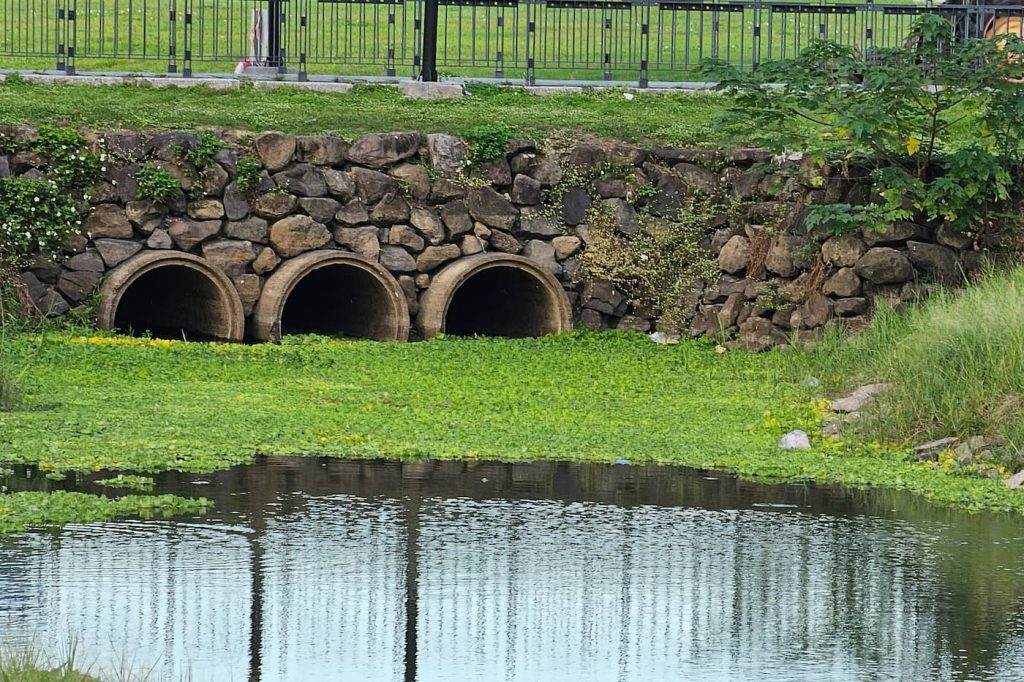
Stormwater ponds are a common part of residential communities, commercial properties, golf courses, and managed landscapes. They help control runoff, protect surrounding infrastructure, and support overall drainage performance. Even though the terms are often used interchangeably, there are important distinctions between a detention pond vs retention pond.
Understanding the difference between detention ponds vs retention ponds helps homeowners, HOA board members, golf course superintendents, and property managers make better decisions about inspection, maintenance, water quality, and long term performance.
In this guide, we explain retention vs detention pond design, define what is a retention pond and what is a retention basin, and outline the maintenance considerations that matter most for effective stormwater management.
Detention Pond vs Retention Pond
The main difference in a detention pond and retention pond is how water is stored.
A detention pond is designed to temporarily hold stormwater after a rain event and then release it slowly through a control structure. A retention pond is designed to hold a permanent pool of water while also collecting additional runoff during storms.
This difference affects water level, appearance, maintenance needs, vegetation growth, and water quality management. It also changes how the system functions during and after rainfall.
A detention vs retention pond comparison is especially important for property managers because each type of pond requires a different maintenance approach.
What Is a Retention Pond
A retention pond is a stormwater management pond that permanently holds water. The pond is built to collect runoff from nearby streets, parking lots, landscapes, and developed areas while maintaining a standing water level over time.
When defining a retention pond, the most important characteristic is permanent water storage.
Retention ponds are commonly used to:
- Collect and store stormwater runoff
- Allow sediment to settle out of the water column
- Improve water quality before overflow leaves the pond
- Reduce downstream flooding pressure
- Support a more stable aquatic environment
Because water remains in the pond, retention ponds often develop aquatic vegetation, algae pressure, shoreline growth, and biological activity that must be managed regularly.
What Is a Retention Basin
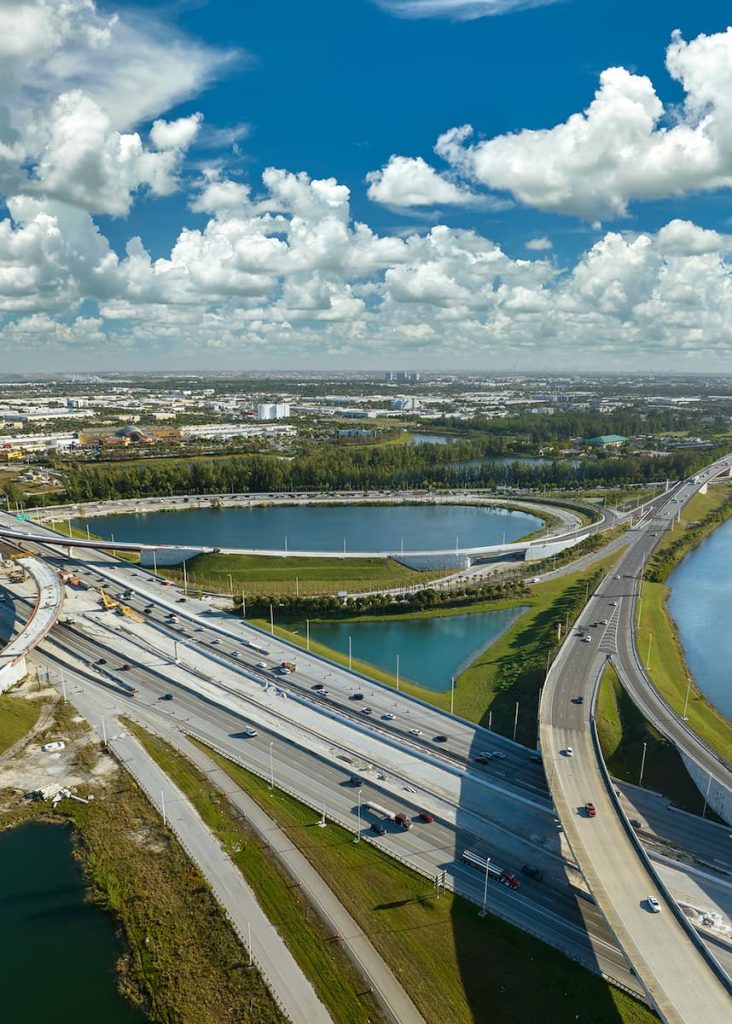
The term retention basin is closely related to retention pond. In many cases, the two terms are used interchangeably. A retention basin generally refers to the engineered stormwater structure that permanently retains water and provides storage capacity for runoff.
Understanding a retention basin helps clarify the terminology often used in development plans, engineering reports, HOA documents, and municipal records.
A retention basin may include:
- A permanent pool of water
- Engineered inlets and outlets
- Sloped shorelines
- Sediment collection zones
- Storm overflow structures
- Vegetative buffers
Over time, a retention basin can accumulate nutrients, debris, and sediment. Without maintenance, these systems may lose storage capacity and experience declining water quality.
Retention Pond vs Detention Pond
A retention pond and detention pond comparison comes down to function.
A retention pond permanently holds water and is often visible year round as a pond or lake feature. A detention pond temporarily stores stormwater and is usually dry between rain events, although some may hold small amounts of water for short periods.
Detention ponds are primarily designed to slow the flow of runoff. Retention ponds are designed to store water, reduce pollutant movement, and improve water quality through settling and biological processes.
This distinction matters because the appearance of the pond does not always tell the full story. Some stormwater systems look similar from the surface but serve very different engineering purposes.
Clean Your Retention Pond
Don’t let an overgrown pond lead to aesthetic and compliance issues. Tackle the problem with proper pond maintenance.
Retention vs Detention Pond: Structural Differences
A retention and detention pond system differs in several key ways.
Water Level
- A retention pond maintains permanent standing water.
- A detention pond usually holds water only after rain and then drains down to a lower level or dry bottom.
Primary Purpose
- A retention pond is focused on long term water storage and water quality improvement.
- A detention pond is focused on temporary stormwater storage and controlled discharge.
Vegetation
- Retention ponds often support aquatic plants, shoreline grasses, algae growth, and habitat activity.
- Detention ponds usually support grasses and upland vegetation because water is not permanently present.
Water Quality Concerns
- Retention ponds are more likely to experience algae blooms, nutrient buildup, cloudy water, and aquatic weed pressure.
- Detention ponds are more likely to experience sediment buildup, erosion, clogged structures, and drainage issues.
Maintenance Style
- Retention pond maintenance often includes water quality management, algae control, aeration, beneficial bacteria, aquatic vegetation management, and shoreline stabilization.
- Detention pond maintenance often includes sediment removal, mowing, erosion repair, outlet inspection, and drainage structure clearing.
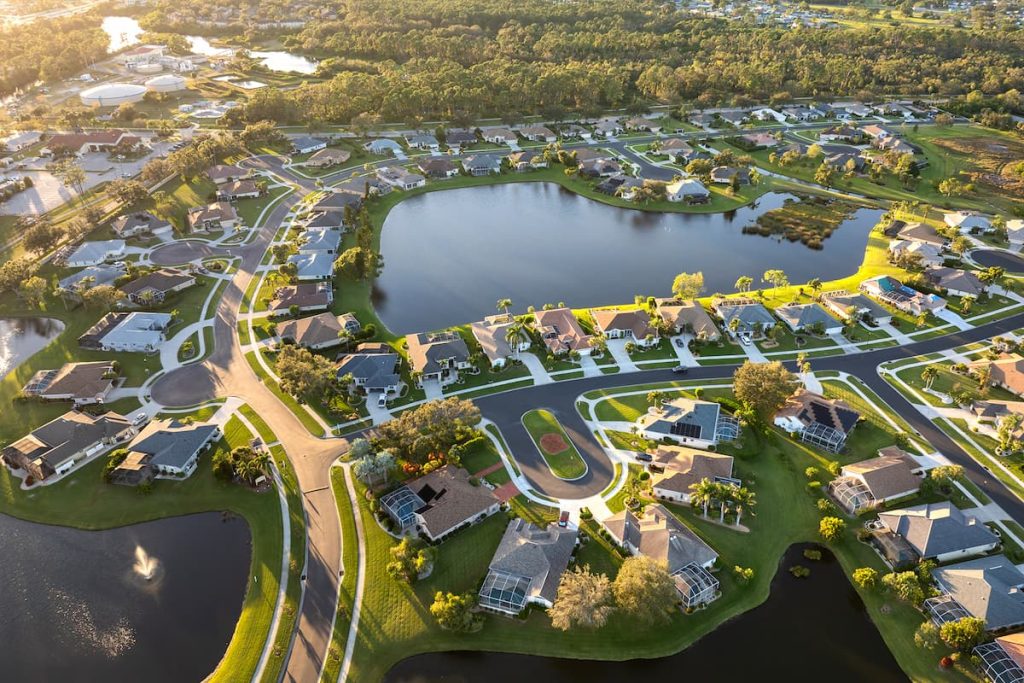
Detention vs Retention Pond Performance in Managed Properties
A detention vs retention pond system can affect how a property handles rainfall, drainage complaints, erosion, and landscape appearance.
- In residential communities, these ponds help protect roads, sidewalks, homes, and common areas from stormwater damage.
- In golf course settings, they help manage runoff from fairways, cart paths, maintenance areas, and irrigated turf.
- In commercial and mixed use properties, they support drainage design and help properties meet local stormwater requirements.
Because these systems are functional infrastructure, neglected maintenance can lead to operational problems, poor appearance, and reduced stormwater performance.
HOA and Residential Communities
Detention ponds and retention ponds are common in HOA communities and neighborhood developments. Many residents see them as decorative features, but their actual role is stormwater management.
Retention ponds in residential settings often become a focal point of the neighborhood. They may improve appearance when well maintained, but they can also develop algae, shoreline overgrowth, foul odors, and mosquito pressure when neglected.
Detention ponds in residential settings may be overlooked because they do not always hold standing water. Even so, they still require routine inspection, mowing, sediment management, and outlet maintenance.
HOA board members and property managers benefit from understanding which type of pond is on site so maintenance budgets and service expectations are aligned correctly.
Golf Courses and Commercial Properties
Golf courses and commercial properties may have both detention ponds vs retention ponds within the same site plan.
Retention ponds may serve as visible water features, irrigation storage areas, or runoff collection basins. Their maintenance often affects both function and presentation.
Detention ponds may be located in less visible areas but remain equally important for drainage performance and erosion control.
On these properties, pond maintenance should be coordinated with the larger site management plan, especially where fertilizer runoff, turf management, sediment movement, and shoreline wear affect stormwater performance.
Why Proper Maintenance Matters
Both pond types require ongoing attention to remain functional.
Stormwater ponds naturally collect:
- Sediment
- Leaves and organic debris
- Nutrients from fertilizer runoff
- Trash and floating material
- Eroded soil from surrounding areas
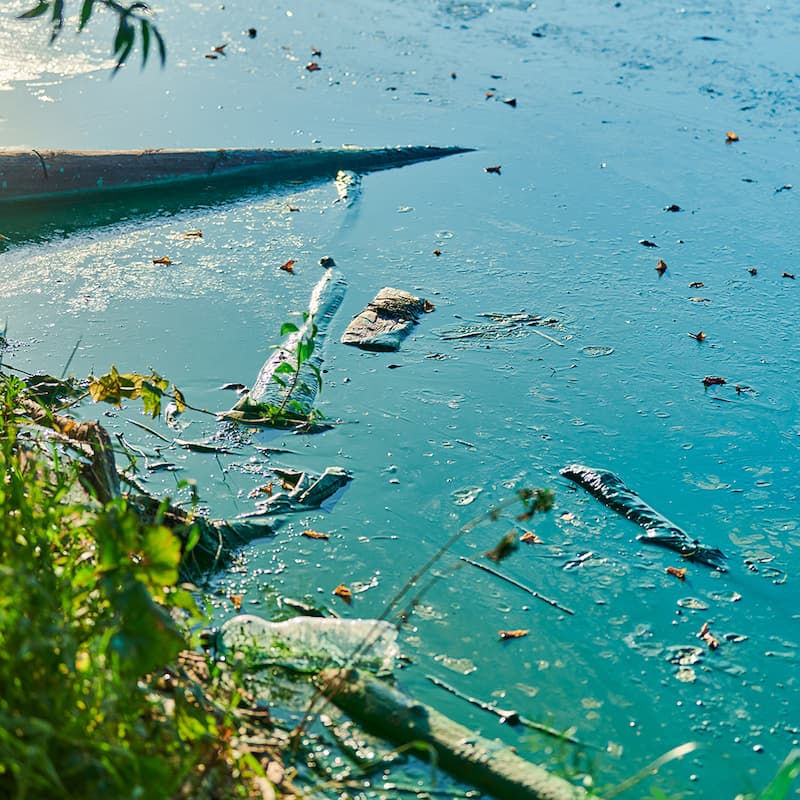
Without proper maintenance, detention ponds and retention ponds can both lose performance over time. A poorly maintained retention pond may develop water quality issues and invasive growth. A poorly maintained detention pond may lose storage capacity, suffer from erosion, or fail to drain properly.
Regular inspections help identify problems before they become more expensive to correct.
How Pond Guru Helps Maintain Stormwater Ponds
Understanding the difference between a detention pond and retention pond is the first step. Proper maintenance planning is what protects long term performance.
Pond Guru helps homeowners, HOA boards, golf course superintendents, and property managers evaluate stormwater ponds and identify the right maintenance approach for each system.
Site visits can help assess:
- Whether the pond is a detention or retention system
- Current shoreline and vegetation conditions
- Water quality concerns
- Sediment buildup
- Drainage structure performance
- Visible signs of erosion or runoff issues
A professional evaluation provides a clearer understanding of how the pond is functioning and what maintenance steps are needed to keep it performing properly.
Frequently Asked Questions
A detention pond temporarily stores stormwater and slowly releases it after rainfall. A retention pond permanently holds water and collects additional runoff during storms. The main distinction is whether the system keeps a standing pool of water year round or only stores water temporarily.
A retention pond is used to collect and hold stormwater runoff, improve water quality by allowing particles to settle, and reduce stress on downstream drainage systems. In many communities and commercial properties, it also serves as a visible water feature that requires ongoing maintenance.
A retention basin is an engineered stormwater structure designed to permanently retain water. The term is often used interchangeably with retention pond, especially in construction documents, engineering plans, and municipal stormwater records. It typically includes inlets, outlet structures, shoreline grading, and storage capacity for runoff.
Both types of ponds collect sediment, nutrients, debris, and runoff related pollutants over time. Without maintenance, they can lose storage capacity, experience erosion, develop water quality issues, and perform below design standards. Regular maintenance helps preserve stormwater function and improve site appearance.
Pond Guru can evaluate whether a pond is a detention or retention system, assess visible maintenance concerns, and recommend service strategies based on site conditions. A professional site visit helps property owners and managers better understand pond function, maintenance needs, and long term care priorities.
Ready to Schedule a Visit ?
Have questions about your pond or lake? Our experts are ready to help you take the next step.
Latest Article
Popular Post

Why Keeping Culverts Clear of Debris Matters for Stormwater Systems
Table of Contents A culvert is one of those…
Stormwater ponds are a common part of residential communities, commercial properties, golf courses, and managed landscapes. They help control runoff, protect surrounding infrastructure, and support overall drainage performance. Even though the terms are often used interchangeably, there are important distinctions between a detention pond vs retention pond.
Understanding the difference between detention ponds vs retention ponds helps homeowners, HOA board members, golf course superintendents, and property managers make better decisions about inspection, maintenance, water quality, and long term performance.
In this guide, we explain retention vs detention pond design, define what is a retention pond and what is a retention basin, and outline the maintenance considerations that matter most for effective stormwater management.
Detention Pond vs Retention Pond
The main difference in a detention pond and retention pond is how water is stored.
A detention pond is designed to temporarily hold stormwater after a rain event and then release it slowly through a control structure. A retention pond is designed to hold a permanent pool of water while also collecting additional runoff during storms.
This difference affects water level, appearance, maintenance needs, vegetation growth, and water quality management. It also changes how the system functions during and after rainfall.
A detention vs retention pond comparison is especially important for property managers because each type of pond requires a different maintenance approach.
What Is a Retention Pond
A retention pond is a stormwater management pond that permanently holds water. The pond is built to collect runoff from nearby streets, parking lots, landscapes, and developed areas while maintaining a standing water level over time.
When defining a retention pond, the most important characteristic is permanent water storage.
Retention ponds are commonly used to:
- Collect and store stormwater runoff
- Allow sediment to settle out of the water column
- Improve water quality before overflow leaves the pond
- Reduce downstream flooding pressure
- Support a more stable aquatic environment
Because water remains in the pond, retention ponds often develop aquatic vegetation, algae pressure, shoreline growth, and biological activity that must be managed regularly.
What Is a Retention Basin
The term retention basin is closely related to retention pond. In many cases, the two terms are used interchangeably. A retention basin generally refers to the engineered stormwater structure that permanently retains water and provides storage capacity for runoff.
Understanding a retention basin helps clarify the terminology often used in development plans, engineering reports, HOA documents, and municipal records.
A retention basin may include:
- A permanent pool of water
- Engineered inlets and outlets
- Sloped shorelines
- Sediment collection zones
- Storm overflow structures
- Vegetative buffers
Over time, a retention basin can accumulate nutrients, debris, and sediment. Without maintenance, these systems may lose storage capacity and experience declining water quality.
Retention Pond vs Detention Pond
A retention pond and detention pond comparison comes down to function.
A retention pond permanently holds water and is often visible year round as a pond or lake feature. A detention pond temporarily stores stormwater and is usually dry between rain events, although some may hold small amounts of water for short periods.
Detention ponds are primarily designed to slow the flow of runoff. Retention ponds are designed to store water, reduce pollutant movement, and improve water quality through settling and biological processes.
This distinction matters because the appearance of the pond does not always tell the full story. Some stormwater systems look similar from the surface but serve very different engineering purposes.
Clean Your Retention Pond
Don’t let an overgrown pond lead to aesthetic and compliance issues. Tackle the problem with proper pond maintenance.
Retention vs Detention Pond: Structural Differences
A retention and detention pond system differs in several key ways.
Water Level
- A retention pond maintains permanent standing water.
- A detention pond usually holds water only after rain and then drains down to a lower level or dry bottom.
Primary Purpose
- A retention pond is focused on long term water storage and water quality improvement.
- A detention pond is focused on temporary stormwater storage and controlled discharge.
Vegetation
- Retention ponds often support aquatic plants, shoreline grasses, algae growth, and habitat activity.
- Detention ponds usually support grasses and upland vegetation because water is not permanently present.
Water Quality Concerns
- Retention ponds are more likely to experience algae blooms, nutrient buildup, cloudy water, and aquatic weed pressure.
- Detention ponds are more likely to experience sediment buildup, erosion, clogged structures, and drainage issues.
Maintenance Style
- Retention pond maintenance often includes water quality management, algae control, aeration, beneficial bacteria, aquatic vegetation management, and shoreline stabilization.
- Detention pond maintenance often includes sediment removal, mowing, erosion repair, outlet inspection, and drainage structure clearing.
Detention vs Retention Pond Performance in Managed Properties
A detention vs retention pond system can affect how a property handles rainfall, drainage complaints, erosion, and landscape appearance.
- In residential communities, these ponds help protect roads, sidewalks, homes, and common areas from stormwater damage.
- In golf course settings, they help manage runoff from fairways, cart paths, maintenance areas, and irrigated turf.
- In commercial and mixed use properties, they support drainage design and help properties meet local stormwater requirements.
Because these systems are functional infrastructure, neglected maintenance can lead to operational problems, poor appearance, and reduced stormwater performance.
HOA and Residential Communities
Detention ponds and retention ponds are common in HOA communities and neighborhood developments. Many residents see them as decorative features, but their actual role is stormwater management.
Retention ponds in residential settings often become a focal point of the neighborhood. They may improve appearance when well maintained, but they can also develop algae, shoreline overgrowth, foul odors, and mosquito pressure when neglected.
Detention ponds in residential settings may be overlooked because they do not always hold standing water. Even so, they still require routine inspection, mowing, sediment management, and outlet maintenance.
HOA board members and property managers benefit from understanding which type of pond is on site so maintenance budgets and service expectations are aligned correctly.
Golf Courses and Commercial Properties
Golf courses and commercial properties may have both detention ponds vs retention ponds within the same site plan.
Retention ponds may serve as visible water features, irrigation storage areas, or runoff collection basins. Their maintenance often affects both function and presentation.
Detention ponds may be located in less visible areas but remain equally important for drainage performance and erosion control.
On these properties, pond maintenance should be coordinated with the larger site management plan, especially where fertilizer runoff, turf management, sediment movement, and shoreline wear affect stormwater performance.
Why Proper Maintenance Matters
Both pond types require ongoing attention to remain functional.
Stormwater ponds naturally collect:
- Sediment
- Leaves and organic debris
- Nutrients from fertilizer runoff
- Trash and floating material
- Eroded soil from surrounding areas
Without proper maintenance, detention ponds and retention ponds can both lose performance over time. A poorly maintained retention pond may develop water quality issues and invasive growth. A poorly maintained detention pond may lose storage capacity, suffer from erosion, or fail to drain properly.
Regular inspections help identify problems before they become more expensive to correct.
How Pond Guru Helps Maintain Stormwater Ponds
Understanding the difference between a detention pond and retention pond is the first step. Proper maintenance planning is what protects long term performance.
Pond Guru helps homeowners, HOA boards, golf course superintendents, and property managers evaluate stormwater ponds and identify the right maintenance approach for each system.
Site visits can help assess:
- Whether the pond is a detention or retention system
- Current shoreline and vegetation conditions
- Water quality concerns
- Sediment buildup
- Drainage structure performance
- Visible signs of erosion or runoff issues
A professional evaluation provides a clearer understanding of how the pond is functioning and what maintenance steps are needed to keep it performing properly.
Frequently Asked Questions
A detention pond temporarily stores stormwater and slowly releases it after rainfall. A retention pond permanently holds water and collects additional runoff during storms. The main distinction is whether the system keeps a standing pool of water year round or only stores water temporarily.
A retention pond is used to collect and hold stormwater runoff, improve water quality by allowing particles to settle, and reduce stress on downstream drainage systems. In many communities and commercial properties, it also serves as a visible water feature that requires ongoing maintenance.
A retention basin is an engineered stormwater structure designed to permanently retain water. The term is often used interchangeably with retention pond, especially in construction documents, engineering plans, and municipal stormwater records. It typically includes inlets, outlet structures, shoreline grading, and storage capacity for runoff.
Both types of ponds collect sediment, nutrients, debris, and runoff related pollutants over time. Without maintenance, they can lose storage capacity, experience erosion, develop water quality issues, and perform below design standards. Regular maintenance helps preserve stormwater function and improve site appearance.
Pond Guru can evaluate whether a pond is a detention or retention system, assess visible maintenance concerns, and recommend service strategies based on site conditions. A professional site visit helps property owners and managers better understand pond function, maintenance needs, and long term care priorities.
Ready to Schedule a Visit ?
Have questions about your pond or lake? Our experts are ready to help you take the next step.
Latest Article
Popular Post
Why Keeping Culverts Clear of Debris Matters for Stormwater Systems
Table of Contents A culvert is one of those…