

Stocking Ponds with Bluegill Fish: Pros, Cons, and Best Practices
Stocking Ponds with Bluegill Fish: Pros, Cons, and Best Practices
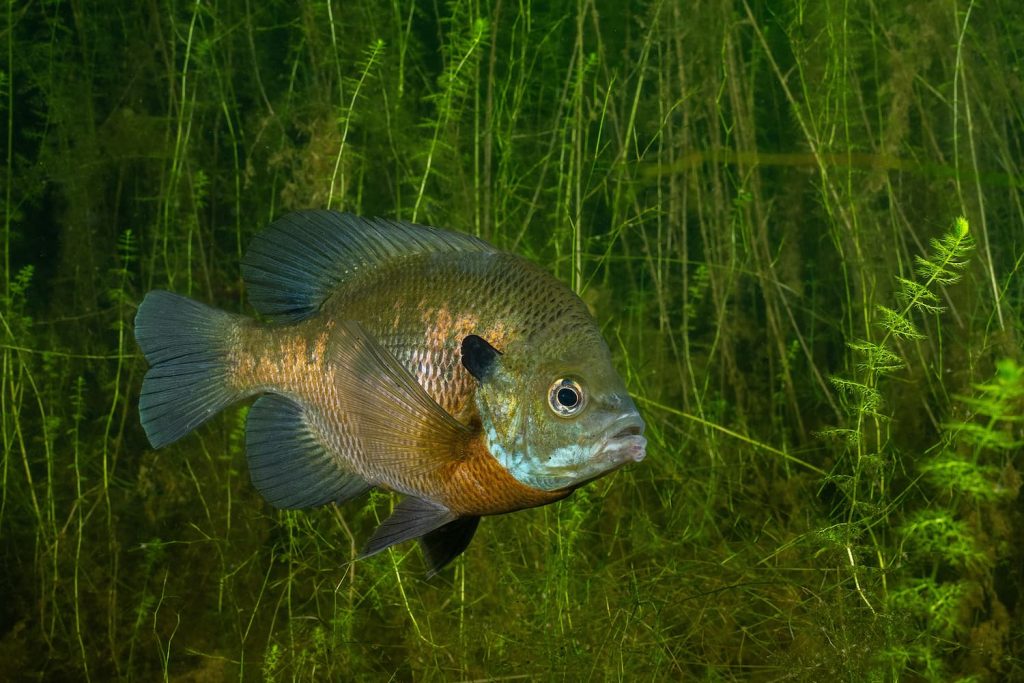
Bluegill are one of the most commonly stocked fish in ponds across the Southeast. For homeowners, HOAs, golf courses, and property managers, they offer a practical way to build a functional and enjoyable fishery.
However, successful results depend on more than simply adding fish. Stocking a pond with bluegill requires a clear plan that considers water conditions, habitat, and long-term population balance.
This guide breaks down the real advantages, risks, and strategies behind bluegill stocking so you can make informed decisions for your property.
Stock Pond Planning Before Adding Bluegill
A pond should never be treated as a container where fish are simply added. A stock pond must first be evaluated as an ecosystem.
Before stocking bluegill, review:
- Pond size and depth profile
- Water quality and clarity
- Oxygen levels
- Existing fish populations
- Shoreline stability and habitat
- Aquatic vegetation levels
- Intended use of the pond (fishing, aesthetics, stormwater, etc.)
Each of these factors directly affects survival, reproduction, and long-term balance.
A pond built for recreational fishing will require a very different stocking approach than a decorative or irrigation pond. Skipping this evaluation step is one of the most common reasons fish populations fail to perform as expected.
Stocking a Pond with Bluegill: Why It Is So Widely Used
Stocking a pond with bluegill is popular because they serve multiple roles within a fishery.
They function as:
- A primary forage fish for predators like bass
- A recreational species for easy fishing
- A stabilizing component in balanced ecosystems
Bluegill are especially valuable because they reproduce consistently and can support ongoing food supply for predator fish. In smaller ponds, they also provide a simple, low-barrier fishing experience for families and residents.
Their adaptability makes them a strong starting species, but that same adaptability can create issues if not managed correctly.
The Pros of Stocking a Pond with Bluegill
Bluegill offer several clear benefits when used appropriately.
Reliable forage production
Bluegill spawn multiple times per year in favorable conditions, providing a steady food source for bass and other predators.
Accessible fishing
They are easy to catch, making them ideal for residential ponds and community spaces where casual fishing is desired.
Adaptability
Bluegill tolerate a range of pond conditions better than many species, allowing them to perform well in moderately managed systems.
Contribution to balanced fisheries
When stocked alongside predators and managed with proper pond stocking rates, bluegill help maintain a stable food chain.
Visual activity
Healthy bluegill populations create visible movement in the water, improving the overall appearance and liveliness of a pond.
The Cons of Stocking a Pond with Bluegill
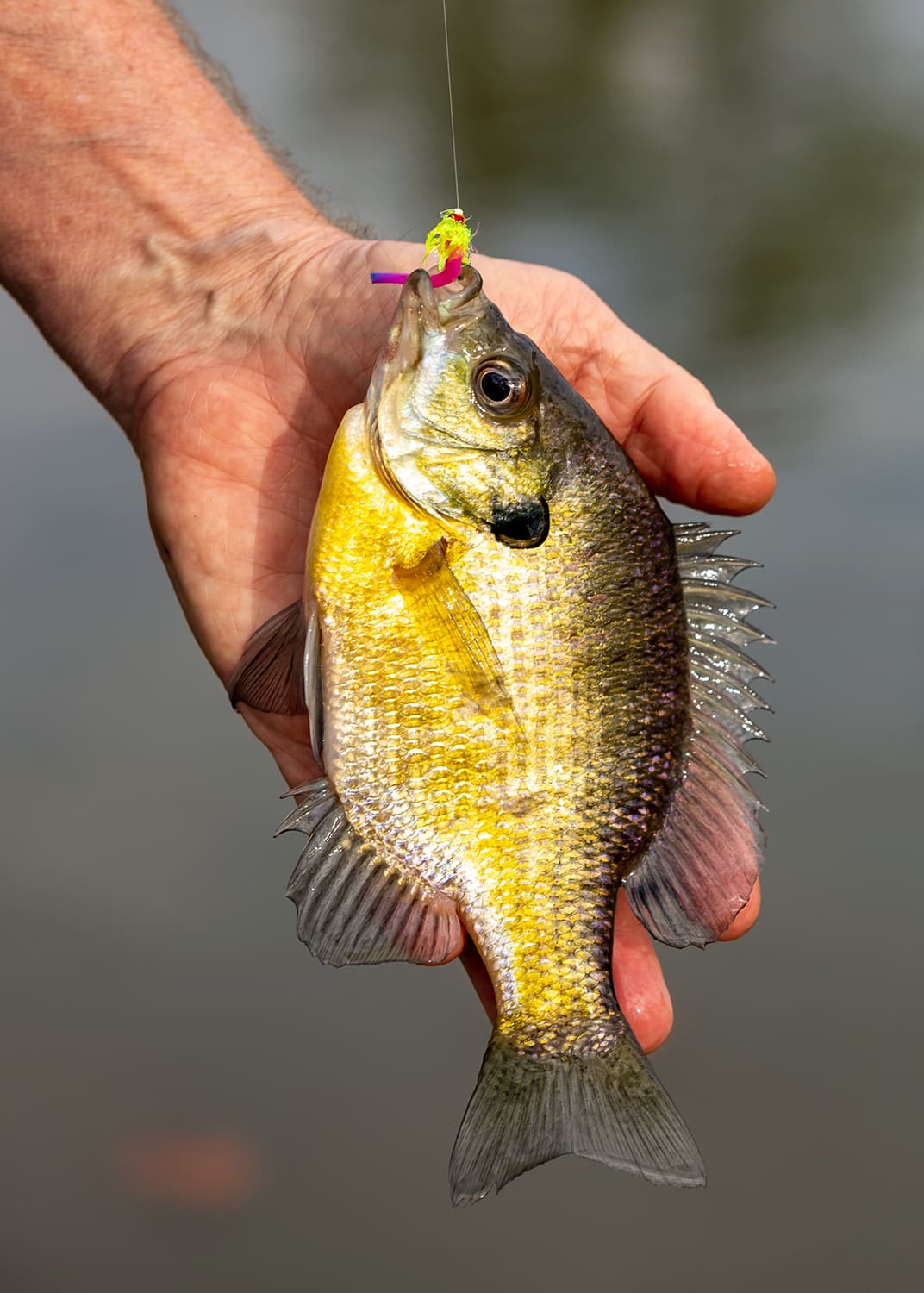
Despite their benefits, bluegill can create long-term challenges if not managed properly.
Overpopulation risk
Their high reproduction rate can lead to overcrowding, especially in ponds without sufficient predator pressure.
Stunted growth
Too many bluegill competing for limited food resources often results in smaller, underdeveloped fish.
Dependence on predator balance
Bluegill populations typically require predators like largemouth bass to maintain control. Without that balance, the system can quickly become overcrowded.
Sensitivity to poor conditions
While adaptable, bluegill still require adequate oxygen, water quality, and habitat. Poor conditions will limit their success.
Stocking mistakes are hard to correct
Incorrect pond stocking rates can create long-term imbalances that are difficult and costly to fix.
Pond Stocking Rates for Bluegill
Pond stocking rates for bluegill should always align with the intended use of the pond.
A common starting range for new ponds managed as bass-bluegill systems is:
- 500 to 1,000 bluegill per acre
These fish are typically stocked before bass to establish a forage base.
However, this is not a universal rule. Stocking rates should be adjusted based on:
- Pond fertility
- Oxygen availability
- Presence of aeration
- Feeding programs
- Predator plans
Using generic numbers without evaluating these factors often leads to imbalance.
Stock Your Pond with Bluegill Today
Start building a healthy ecosystem by introducing bluegill to your pond or lake to establish a healthy population of prey fish for predators like largemouth bass.
Fish Stocking Rates for Ponds: Why Custom Planning Matters
Fish stocking rates for ponds are not determined by acreage alone.
Two ponds of the same size can support very different fish populations depending on:
- Water quality
- Habitat structure
- Oxygen levels
- Existing fish populations
- Management intensity
A pond with aeration and active management can support higher densities. A shallow pond with poor circulation may require conservative stocking.
This is why site-specific planning consistently produces better results than relying on standard estimates.
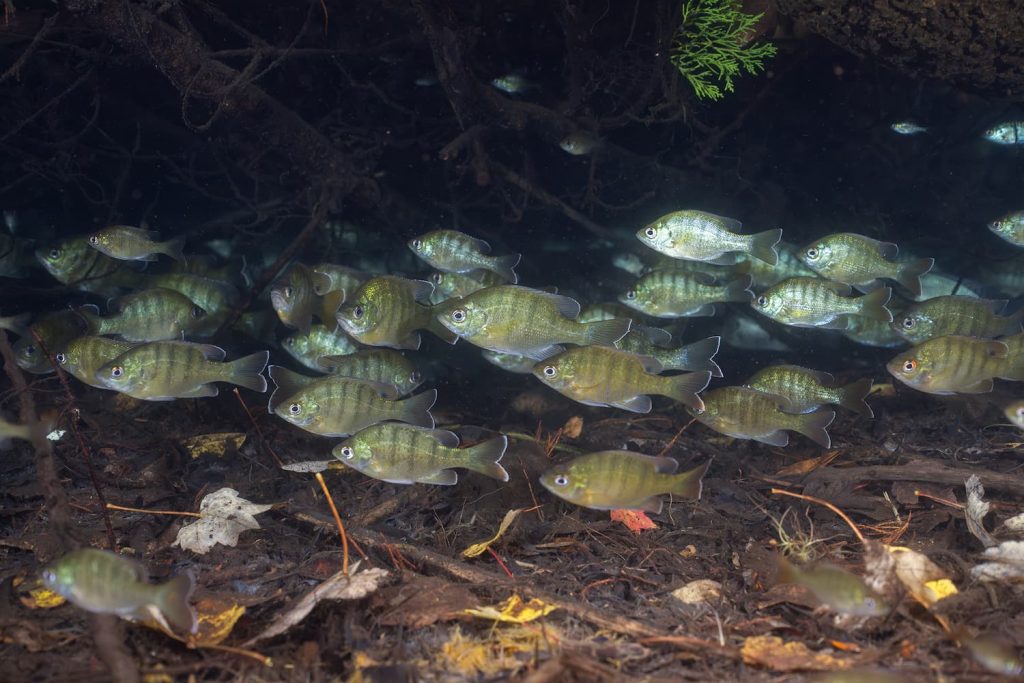
How Much to Stock a Pond with Bluegill
Determining how much to stock a pond requires balancing multiple variables at once.
Key considerations include:
- Whether the pond is new or existing
- The presence of predator fish
- The size of fish being stocked
- Available spawning habitat
- Long-term management goals
Bluegill are rarely stocked alone. In most cases, they are part of a broader system that includes bass or other species.
Stocking too aggressively can create overcrowding. Stocking too lightly can delay fishery development. The goal is to match stocking levels to the pond’s carrying capacity.
How Many Bluegill Per Acre
The question how many bluegill per acre is often oversimplified.
While 500 to 1,000 per acre is a common starting point, the real answer depends on whether the pond can support that population over time.
Important factors include:
- Predator presence
- Nutrient levels
- Oxygen stability
- Habitat availability
Because bluegill reproduce rapidly, even moderate stocking levels can grow into large populations under the right conditions.
Stocking a Pond with Bluegill in New vs Existing Ponds
Stocking strategy differs significantly between new and existing ponds.
New ponds
New ponds allow full control over fish populations. Bluegill can be stocked first, followed by predators later to establish balance.
Existing ponds
Existing ponds require evaluation before adding fish.
Important questions include:
- Are bluegill already present?
- Is the population balanced or overcrowded?
- Are predator species present?
- Is water quality sufficient?
Adding bluegill to an already imbalanced pond often worsens the problem rather than improving it.
Habitat, Water Quality, and Oxygen for Bluegill Success
Even the best pond stocking rates will fail if the pond environment is not suitable.
Bluegill perform best in ponds with:
- Stable oxygen levels
- Moderate vegetation
- Defined spawning areas
- Controlled nutrient levels
- Functional aeration where needed
Ponds with heavy algae, excessive muck, or low oxygen should be improved before stocking fish.
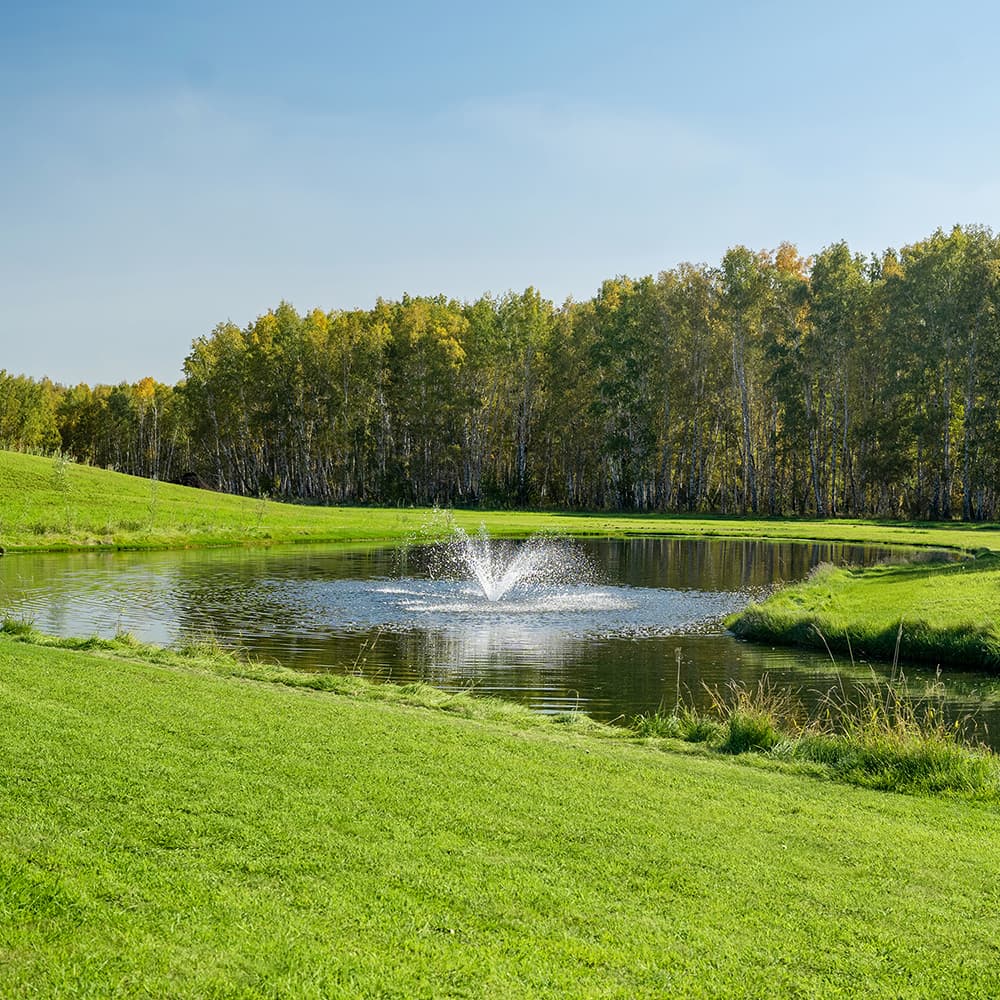
Best Situations for a Stock Pond with Bluegill
Bluegill are a strong fit in:
- Residential fishing ponds
- HOA community ponds
- Golf course water features
- Managed recreational fisheries
They are less suitable in ponds with severe water quality issues or no plan for long-term management.
How Pond Guru Helps with Pond Fish Stocking
Pond Guru provides site-specific evaluations to determine whether bluegill are appropriate and how they should be stocked.
A site visit includes:
- Pond measurement and depth analysis
- Water quality and oxygen testing
- Fish population assessment
- Habitat evaluation
- Stocking recommendations based on actual conditions
This approach reduces risk and helps avoid common issues like overcrowding, poor survival, and long-term imbalance.
Frequently Asked Questions
Bluegill provide strong forage for bass, are easy to catch, and adapt well to many pond environments when properly managed.
They can overpopulate quickly, leading to overcrowding and stunted growth if predator balance is not maintained.
A common starting range is 500 to 1,000 per acre, but this should be adjusted based on pond conditions and management goals.
Existing ponds should be evaluated first. Adding fish without understanding the current balance can worsen overcrowding or imbalance.
Pond Guru evaluates pond conditions and provides customized stocking strategies based on water quality, habitat, and long-term goals.
Ready to Schedule a Visit ?
Have questions about your pond or lake? Our experts are ready to help you take the next step.
Latest Article
Popular Post

Pennywort: From Lawn Weed to Pond Invader
Table of Contents Most Floridians know pennywort as dollarweed,…
Bluegill are one of the most commonly stocked fish in ponds across the Southeast. For homeowners, HOAs, golf courses, and property managers, they offer a practical way to build a functional and enjoyable fishery.
However, successful results depend on more than simply adding fish. Stocking a pond with bluegill requires a clear plan that considers water conditions, habitat, and long-term population balance.
This guide breaks down the real advantages, risks, and strategies behind bluegill stocking so you can make informed decisions for your property.
Stock Pond Planning Before Adding Bluegill
A pond should never be treated as a container where fish are simply added. A stock pond must first be evaluated as an ecosystem.
Before stocking bluegill, review:
- Pond size and depth profile
- Water quality and clarity
- Oxygen levels
- Existing fish populations
- Shoreline stability and habitat
- Aquatic vegetation levels
- Intended use of the pond (fishing, aesthetics, stormwater, etc.)
Each of these factors directly affects survival, reproduction, and long-term balance.
A pond built for recreational fishing will require a very different stocking approach than a decorative or irrigation pond. Skipping this evaluation step is one of the most common reasons fish populations fail to perform as expected.
Stocking a Pond with Bluegill: Why It Is So Widely Used
Stocking a pond with bluegill is popular because they serve multiple roles within a fishery.
They function as:
- A primary forage fish for predators like bass
- A recreational species for easy fishing
- A stabilizing component in balanced ecosystems
Bluegill are especially valuable because they reproduce consistently and can support ongoing food supply for predator fish. In smaller ponds, they also provide a simple, low-barrier fishing experience for families and residents.
Their adaptability makes them a strong starting species, but that same adaptability can create issues if not managed correctly.
The Pros of Stocking a Pond with Bluegill
Bluegill offer several clear benefits when used appropriately.
Reliable forage production
Bluegill spawn multiple times per year in favorable conditions, providing a steady food source for bass and other predators.
Accessible fishing
They are easy to catch, making them ideal for residential ponds and community spaces where casual fishing is desired.
Adaptability
Bluegill tolerate a range of pond conditions better than many species, allowing them to perform well in moderately managed systems.
Contribution to balanced fisheries
When stocked alongside predators and managed with proper pond stocking rates, bluegill help maintain a stable food chain.
Visual activity
Healthy bluegill populations create visible movement in the water, improving the overall appearance and liveliness of a pond.
The Cons of Stocking a Pond with Bluegill
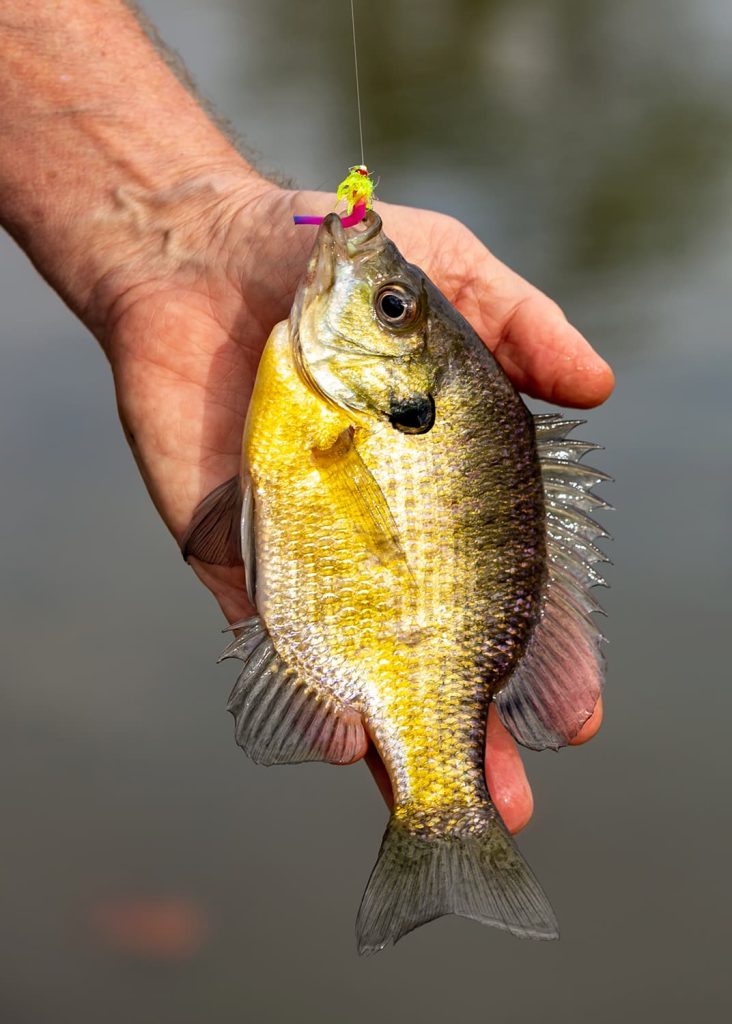
Despite their benefits, bluegill can create long-term challenges if not managed properly.
Overpopulation risk
Their high reproduction rate can lead to overcrowding, especially in ponds without sufficient predator pressure.
Stunted growth
Too many bluegill competing for limited food resources often results in smaller, underdeveloped fish.
Dependence on predator balance
Bluegill populations typically require predators like largemouth bass to maintain control. Without that balance, the system can quickly become overcrowded.
Sensitivity to poor conditions
While adaptable, bluegill still require adequate oxygen, water quality, and habitat. Poor conditions will limit their success.
Stocking mistakes are hard to correct
Incorrect pond stocking rates can create long-term imbalances that are difficult and costly to fix.
Pond Stocking Rates for Bluegill
Pond stocking rates for bluegill should always align with the intended use of the pond.
A common starting range for new ponds managed as bass-bluegill systems is:
- 500 to 1,000 bluegill per acre
These fish are typically stocked before bass to establish a forage base.
However, this is not a universal rule. Stocking rates should be adjusted based on:
- Pond fertility
- Oxygen availability
- Presence of aeration
- Feeding programs
- Predator plans
Using generic numbers without evaluating these factors often leads to imbalance.
Stock Your Pond with Bluegill Today
Start building a healthy ecosystem by introducing bluegill to your pond or lake to establish a healthy population of prey fish for predators like largemouth bass.
Fish Stocking Rates for Ponds: Why Custom Planning Matters
Fish stocking rates for ponds are not determined by acreage alone.
Two ponds of the same size can support very different fish populations depending on:
- Water quality
- Habitat structure
- Oxygen levels
- Existing fish populations
- Management intensity
A pond with aeration and active management can support higher densities. A shallow pond with poor circulation may require conservative stocking.
This is why site-specific planning consistently produces better results than relying on standard estimates.
How Much to Stock a Pond with Bluegill
Determining how much to stock a pond requires balancing multiple variables at once.
Key considerations include:
- Whether the pond is new or existing
- The presence of predator fish
- The size of fish being stocked
- Available spawning habitat
- Long-term management goals
Bluegill are rarely stocked alone. In most cases, they are part of a broader system that includes bass or other species.
Stocking too aggressively can create overcrowding. Stocking too lightly can delay fishery development. The goal is to match stocking levels to the pond’s carrying capacity.
How Many Bluegill Per Acre
The question how many bluegill per acre is often oversimplified.
While 500 to 1,000 per acre is a common starting point, the real answer depends on whether the pond can support that population over time.
Important factors include:
- Predator presence
- Nutrient levels
- Oxygen stability
- Habitat availability
Because bluegill reproduce rapidly, even moderate stocking levels can grow into large populations under the right conditions.
Stocking a Pond with Bluegill in New vs Existing Ponds
Stocking strategy differs significantly between new and existing ponds.
New ponds
New ponds allow full control over fish populations. Bluegill can be stocked first, followed by predators later to establish balance.
Existing ponds
Existing ponds require evaluation before adding fish.
Important questions include:
- Are bluegill already present?
- Is the population balanced or overcrowded?
- Are predator species present?
- Is water quality sufficient?
Adding bluegill to an already imbalanced pond often worsens the problem rather than improving it.
Habitat, Water Quality, and Oxygen for Bluegill Success
Even the best pond stocking rates will fail if the pond environment is not suitable.
Bluegill perform best in ponds with:
- Stable oxygen levels
- Moderate vegetation
- Defined spawning areas
- Controlled nutrient levels
- Functional aeration where needed
Ponds with heavy algae, excessive muck, or low oxygen should be improved before stocking fish.
Best Situations for a Stock Pond with Bluegill
Bluegill are a strong fit in:
- Residential fishing ponds
- HOA community ponds
- Golf course water features
- Managed recreational fisheries
They are less suitable in ponds with severe water quality issues or no plan for long-term management.
How Pond Guru Helps with Pond Fish Stocking
Pond Guru provides site-specific evaluations to determine whether bluegill are appropriate and how they should be stocked.
A site visit includes:
- Pond measurement and depth analysis
- Water quality and oxygen testing
- Fish population assessment
- Habitat evaluation
- Stocking recommendations based on actual conditions
This approach reduces risk and helps avoid common issues like overcrowding, poor survival, and long-term imbalance.
Frequently Asked Questions
Bluegill provide strong forage for bass, are easy to catch, and adapt well to many pond environments when properly managed.
They can overpopulate quickly, leading to overcrowding and stunted growth if predator balance is not maintained.
A common starting range is 500 to 1,000 per acre, but this should be adjusted based on pond conditions and management goals.
Existing ponds should be evaluated first. Adding fish without understanding the current balance can worsen overcrowding or imbalance.
Pond Guru evaluates pond conditions and provides customized stocking strategies based on water quality, habitat, and long-term goals.
Ready to Schedule a Visit ?
Have questions about your pond or lake? Our experts are ready to help you take the next step.
Latest Article
Popular Post
Pennywort: From Lawn Weed to Pond Invader
Table of Contents Most Floridians know pennywort as dollarweed,…