

Largemouth Bass Diet and Coloration Explained
Largemouth Bass Diet and Coloration Explained
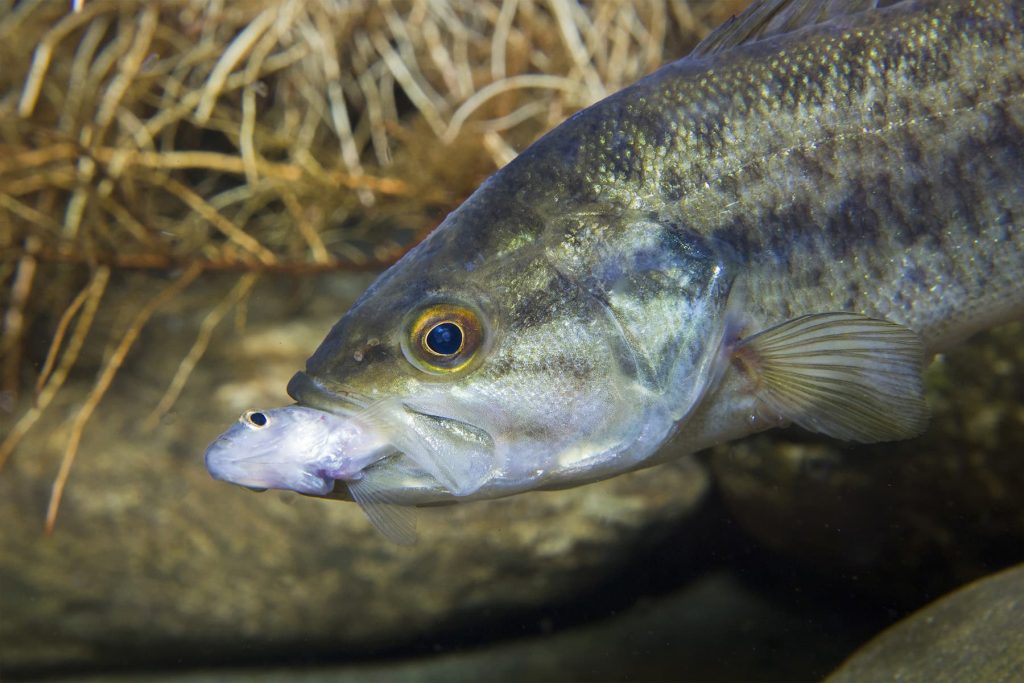
Largemouth bass are one of the most recognized sport fish found in private ponds, HOA lakes, golf course water features, and managed freshwater systems. Their growth, health, behavior, and appearance are all closely tied to food availability and pond conditions. For pond owners and property managers, understanding the largemouth bass diet is an important part of building a healthy fish population and maintaining a balanced ecosystem.
In a properly managed pond, largemouth bass do not exist in isolation. They depend on a stable food web, suitable habitat, adequate oxygen, and a forage base that can support growth over time. Their feeding patterns also influence body condition, fish size, and even largemouth bass coloration.
This guide explains what do largemouth bass eat at different life stages, outlines the diet of largemouth bass in pond environments, and explores how food supply, water quality, and habitat affect largemouth bass coloration. It also explains how Pond Guru can help determine whether your pond can sustain largemouth bass and support a stronger fishery.
What Do Largemouth Bass Eat in a Pond
What largemouth bass eat depends on their size, age, and the type of forage available in the pond. Largemouth bass are opportunistic predators, which means they feed on the most available and easiest prey they can capture.
In most pond settings, largemouth bass commonly eat:
- Small fish such as bluegill, minnows, and other forage species
- Insects and insect larvae
- Crawfish
- Tadpoles and frogs
- Aquatic invertebrates
- Occasionally small snakes or very small mammals near the waterline
In a balanced pond, the main diet of largemouth bass usually centers on smaller fish. Bluegill are often one of the most important forage species because they reproduce well and provide a reliable food source for growing bass.
Young largemouth bass begin with much smaller prey and gradually shift into eating fish as they mature. This progression is one reason pond fish populations need to be managed as a system rather than by species alone.
The Diet of Largemouth Bass at Different Growth Stages
The diet of largemouth bass changes as the fish grows. A juvenile bass does not eat the same prey as a mature bass, and this shift affects how a pond should be stocked and managed.
Young bass
Very young largemouth bass feed on:
- Zooplankton
- Tiny aquatic insects
- Larvae
- Small invertebrates
At this stage, the fish rely on microscopic and very small prey found in productive water.
Intermediate bass
As bass grow, they move into larger prey such as:
- Insect larvae
- Small minnows
- Small bluegill fry
- Crawfish juveniles
This is the stage where forage availability begins to shape future growth potential.
Adult bass
Larger bass feed mainly on:
- Bluegill
- Minnows
- Small fish of many kinds
- Crawfish
- Frogs
- Larger aquatic insects when available
In most ponds, the long term diet of largemouth bass is strongest when a reliable forage fish population is present. Without enough forage, bass can become thin, stunted, or overly aggressive in competition.
What Do Largemouth Bass Eat Most Often in Managed Ponds
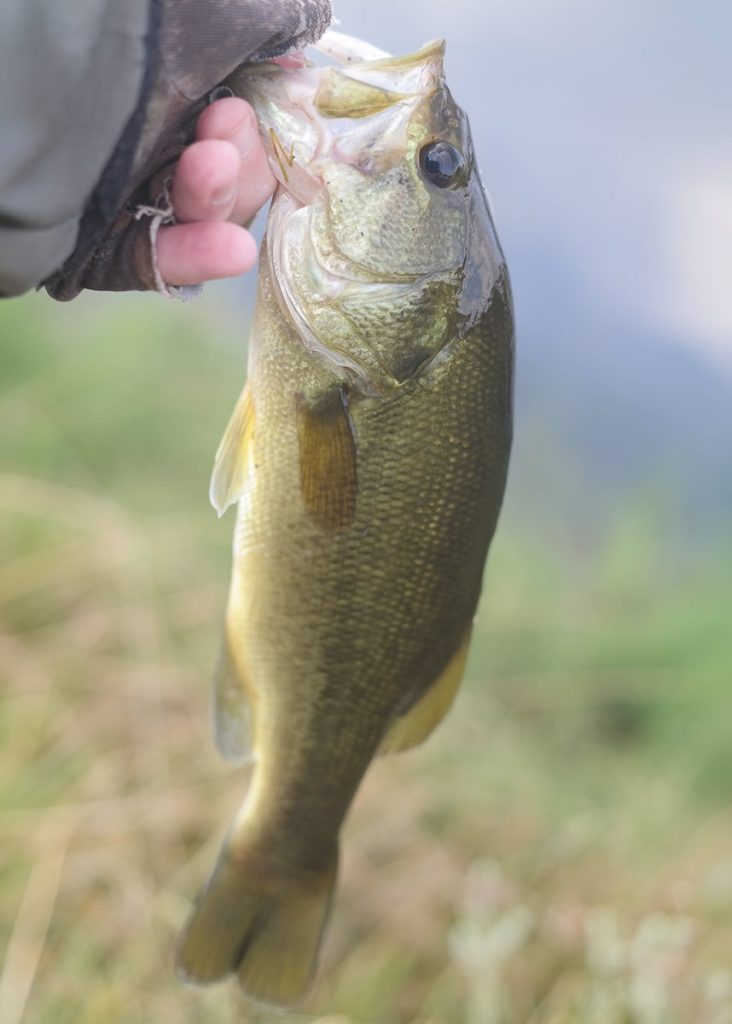
In a private or community pond, what do largemouth bass eat most often usually comes down to the forage species that are easiest to catch and most abundant.
In well managed bass ponds, common prey includes:
- Bluegill
- Fathead minnows in appropriate stocking phases
- Redear sunfish juveniles in some systems
- Crawfish
- Seasonal insect activity
Bluegill are often considered one of the most important food sources because they reproduce frequently and help sustain bass growth. When the bluegill population is healthy and well balanced, largemouth bass have a much better chance of maintaining body condition and growth rates.
If the pond does not have enough forage species, bass may struggle to thrive even if the water appears suitable on the surface.
Diet of Largemouth Bass and the Importance of Forage Balance
The diet of largemouth bass is directly tied to pond balance. A pond that supports bass successfully must also support the prey base those bass depend on.
That means the pond should have:
- Adequate forage fish numbers
- Suitable spawning habitat for prey species
- Water quality that supports both predator and prey
- Cover for juvenile fish
- Managed vegetation levels
- Sufficient oxygen year round
A pond with too many bass and not enough forage can create thin fish and slow growth. A pond with too many bluegill and not enough bass can create overcrowding and stunting in the forage population. The best results come from managing both sides of the fish community together.
This is why fish stocking plans, habitat structure, and ongoing pond maintenance matter so much.
Stock Competition Bass in Your Pond
Work with Pond Guru for pond fish stocking! Give us a call to properly stock your pond and build a healthy ecosystem.
What Do Largemouth Bass Eat When Natural Forage Is Limited
When natural forage is limited, largemouth bass may still survive, but they usually do not perform at their best. In ponds with poor forage availability, bass often show signs of stress or underperformance such as:
- Lower body weight
- Slower growth
- Increased competition
- Greater dependence on small opportunistic prey
- Reduced overall fishery quality
In some ponds, limited forage may result from:
- Poor initial stocking plans
- Overharvest of forage species
- Habitat loss
- Water quality decline
- Repeated oxygen stress events
- Excess algae or vegetation imbalance affecting spawning areas
A pond intended to support largemouth bass needs enough natural productivity to sustain the full food web, not just the bass themselves.
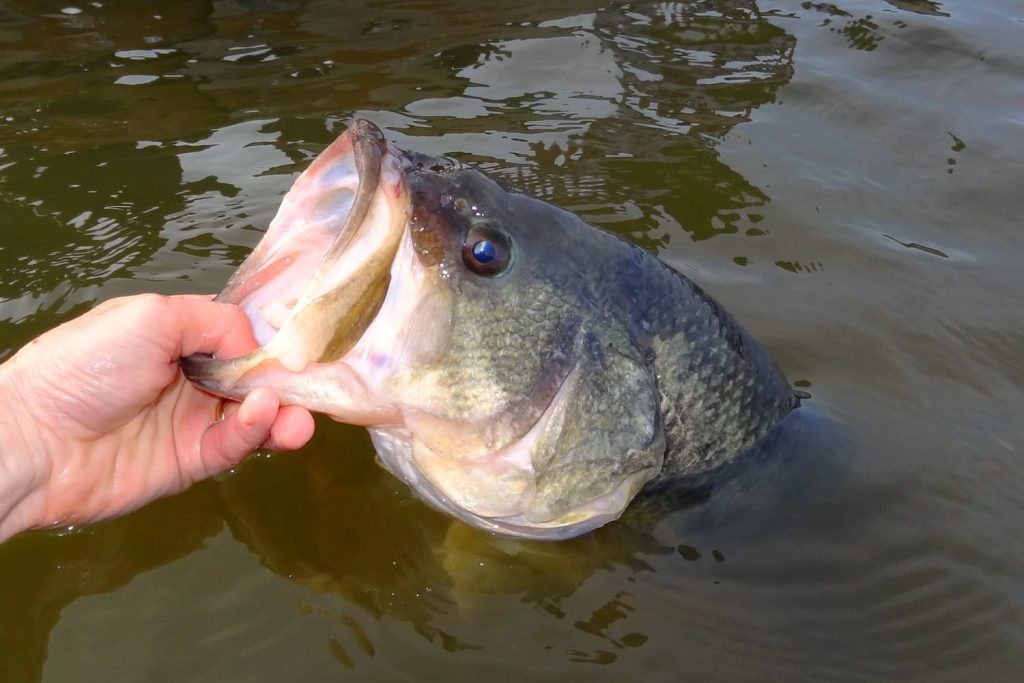
Largemouth Bass Coloration and What It Can Reveal
Largemouth bass coloration can vary widely depending on environment, genetics, stress level, age, and overall health. In many pond systems, bass may appear green, olive, bronze, or darker along the back with lighter sides and a pale underside.
Largemouth bass coloration is influenced by:
- Water clarity
- Bottom color and pond environment
- Sunlight penetration
- Stress level
- Nutrition and body condition
- Genetics
Bass living in darker, stained, or heavily vegetated water may appear darker. Bass in clearer water may show brighter contrast and more visible side patterning. Healthy fish with good access to forage often display stronger body condition and more vibrant overall appearance.
While coloration alone does not tell the full story, it can provide clues about the pond environment and the condition of the fish population.
Diet of Largemouth Bass and Largemouth Bass Coloration
The diet of largemouth bass plays an indirect but important role in largemouth bass coloration. Nutrition affects overall fish health, body condition, and energy levels, all of which influence how the fish presents visually.
A pond with a strong forage base tends to produce bass that are:
- Fuller bodied
- More active
- Less stressed
- Better conditioned overall
This stronger body condition often supports cleaner, richer coloration and a healthier appearance. Poor nutrition, overcrowding, or chronic stress can lead to fish that look thinner, duller, and less vigorous.
Color is also shaped by habitat. Bass in heavily stained or muddy ponds may naturally appear darker or less defined in pattern than fish from clearer water. For pond owners, this means largemouth bass coloration should be viewed together with forage availability, water quality, and habitat condition.
What Pond Conditions Help Feed Largemouth Bass Successfully
A pond that can feed largemouth bass successfully usually has more than open water and stocked fish. It has the biological support needed to maintain a functioning prey population.
Important pond features include:
Forage fish population
Bluegill and other forage species must be established in enough numbers to support bass growth.
Habitat structure
Juvenile fish need protected areas such as vegetation edges, brush piles, or designed habitat zones to survive long enough to become forage.
Water quality
Clear enough water, stable oxygen levels, and controlled nutrient inputs all support a healthier fish community.
Balanced vegetation
Too little vegetation can reduce refuge for young forage fish. Too much vegetation can make predation less efficient and complicate balance.
Aeration and circulation
Oxygen support is especially important in ponds with higher fish loads or warmer seasonal temperatures.
A pond lacking these elements may hold bass, but it may not sustain them well over time.
Signs Your Pond May Not Sustain Largemouth Bass Well
A pond may struggle to sustain largemouth bass if it shows repeated problems such as:
- Thin bass with narrow body profiles
- Limited bluegill or forage fish activity
- Poor water clarity from heavy algae or turbidity
- Chronic low oxygen events
- Severe weed overgrowth
- Stunted fish populations
- Lack of visible habitat for spawning and forage survival
These conditions do not always mean bass cannot survive, but they do suggest the pond may need management improvements before it can support a stronger and healthier bass population.
How Pond Guru Helps Evaluate Bass Ponds
Pond Guru helps property owners evaluate whether a pond can realistically support largemouth bass and the forage they depend on. A site visit can assess the broader conditions that affect both feeding and fish health.
That evaluation may include:
- Pond size and depth review
- Water quality observations
- Oxygen and circulation concerns
- Existing fish population balance
- Habitat structure and shoreline condition
- Aquatic vegetation levels
- Signs of forage limitation
- Recommendations for aeration, stocking, or habitat improvement
For private homeowners, HOA communities, golf course properties, and managed water features, this kind of review helps turn a general pond into a more functional and sustainable fishery.
Frequently Asked Questions
Largemouth bass most often eat smaller fish, especially bluegill and other forage species, along with insects, crawfish, and frogs when available. The exact prey depends on the size of the bass and what the pond naturally supports. In a balanced pond, forage fish are usually the most important long term food source for adult bass.
Young largemouth bass begin by feeding on zooplankton, tiny aquatic insects, and small invertebrates. As they grow, they shift into larger prey such as minnows, juvenile bluegill, crawfish, and other fish. This change is one reason pond owners need a forage plan that supports bass at multiple life stages rather than only focusing on adult fish.
Food availability affects overall health and body condition, which can influence largemouth bass coloration indirectly. Bass with better nutrition often appear stronger, fuller, and healthier. Color also depends on water clarity, habitat, stress levels, and genetics, so coloration should be evaluated together with the pond’s overall condition.
A healthy bass pond needs a dependable forage base, stable oxygen levels, appropriate habitat, balanced vegetation, and good water quality. It should also support spawning and survival for prey species such as bluegill. Without these conditions, bass may survive but often will not grow or perform as well as they should.
Pond Guru can evaluate the pond’s water quality, habitat, oxygen support, forage base, and existing fish balance to determine whether largemouth bass are likely to do well. A site visit helps identify limitations in the pond and provides recommendations for improvements that can support healthier fish and a more stable fishery over time.
Ready to Schedule a Visit ?
Have questions about your pond or lake? Our experts are ready to help you take the next step.
Latest Article
Popular Post

Pennywort: From Lawn Weed to Pond Invader
Table of Contents Most Floridians know pennywort as dollarweed,…
Largemouth bass are one of the most recognized sport fish found in private ponds, HOA lakes, golf course water features, and managed freshwater systems. Their growth, health, behavior, and appearance are all closely tied to food availability and pond conditions. For pond owners and property managers, understanding the largemouth bass diet is an important part of building a healthy fish population and maintaining a balanced ecosystem.
In a properly managed pond, largemouth bass do not exist in isolation. They depend on a stable food web, suitable habitat, adequate oxygen, and a forage base that can support growth over time. Their feeding patterns also influence body condition, fish size, and even largemouth bass coloration.
This guide explains what do largemouth bass eat at different life stages, outlines the diet of largemouth bass in pond environments, and explores how food supply, water quality, and habitat affect largemouth bass coloration. It also explains how Pond Guru can help determine whether your pond can sustain largemouth bass and support a stronger fishery.
What Do Largemouth Bass Eat in a Pond
What largemouth bass eat depends on their size, age, and the type of forage available in the pond. Largemouth bass are opportunistic predators, which means they feed on the most available and easiest prey they can capture.
In most pond settings, largemouth bass commonly eat:
- Small fish such as bluegill, minnows, and other forage species
- Insects and insect larvae
- Crawfish
- Tadpoles and frogs
- Aquatic invertebrates
- Occasionally small snakes or very small mammals near the waterline
In a balanced pond, the main diet of largemouth bass usually centers on smaller fish. Bluegill are often one of the most important forage species because they reproduce well and provide a reliable food source for growing bass.
Young largemouth bass begin with much smaller prey and gradually shift into eating fish as they mature. This progression is one reason pond fish populations need to be managed as a system rather than by species alone.
The Diet of Largemouth Bass at Different Growth Stages
The diet of largemouth bass changes as the fish grows. A juvenile bass does not eat the same prey as a mature bass, and this shift affects how a pond should be stocked and managed.
Young bass
Very young largemouth bass feed on:
- Zooplankton
- Tiny aquatic insects
- Larvae
- Small invertebrates
At this stage, the fish rely on microscopic and very small prey found in productive water.
Intermediate bass
As bass grow, they move into larger prey such as:
- Insect larvae
- Small minnows
- Small bluegill fry
- Crawfish juveniles
This is the stage where forage availability begins to shape future growth potential.
Adult bass
Larger bass feed mainly on:
- Bluegill
- Minnows
- Small fish of many kinds
- Crawfish
- Frogs
- Larger aquatic insects when available
In most ponds, the long term diet of largemouth bass is strongest when a reliable forage fish population is present. Without enough forage, bass can become thin, stunted, or overly aggressive in competition.
What Do Largemouth Bass Eat Most Often in Managed Ponds
In a private or community pond, what do largemouth bass eat most often usually comes down to the forage species that are easiest to catch and most abundant.
In well managed bass ponds, common prey includes:
- Bluegill
- Fathead minnows in appropriate stocking phases
- Redear sunfish juveniles in some systems
- Crawfish
- Seasonal insect activity
Bluegill are often considered one of the most important food sources because they reproduce frequently and help sustain bass growth. When the bluegill population is healthy and well balanced, largemouth bass have a much better chance of maintaining body condition and growth rates.
If the pond does not have enough forage species, bass may struggle to thrive even if the water appears suitable on the surface.
Diet of Largemouth Bass and the Importance of Forage Balance
The diet of largemouth bass is directly tied to pond balance. A pond that supports bass successfully must also support the prey base those bass depend on.
That means the pond should have:
- Adequate forage fish numbers
- Suitable spawning habitat for prey species
- Water quality that supports both predator and prey
- Cover for juvenile fish
- Managed vegetation levels
- Sufficient oxygen year round
A pond with too many bass and not enough forage can create thin fish and slow growth. A pond with too many bluegill and not enough bass can create overcrowding and stunting in the forage population. The best results come from managing both sides of the fish community together.
This is why fish stocking plans, habitat structure, and ongoing pond maintenance matter so much.
Stock Competition Bass in Your Pond
Work with Pond Guru for pond fish stocking! Give us a call to properly stock your pond and build a healthy ecosystem.
What Do Largemouth Bass Eat When Natural Forage Is Limited
When natural forage is limited, largemouth bass may still survive, but they usually do not perform at their best. In ponds with poor forage availability, bass often show signs of stress or underperformance such as:
- Lower body weight
- Slower growth
- Increased competition
- Greater dependence on small opportunistic prey
- Reduced overall fishery quality
In some ponds, limited forage may result from:
- Poor initial stocking plans
- Overharvest of forage species
- Habitat loss
- Water quality decline
- Repeated oxygen stress events
- Excess algae or vegetation imbalance affecting spawning areas
A pond intended to support largemouth bass needs enough natural productivity to sustain the full food web, not just the bass themselves.
Largemouth Bass Coloration and What It Can Reveal
Largemouth bass coloration can vary widely depending on environment, genetics, stress level, age, and overall health. In many pond systems, bass may appear green, olive, bronze, or darker along the back with lighter sides and a pale underside.
Largemouth bass coloration is influenced by:
- Water clarity
- Bottom color and pond environment
- Sunlight penetration
- Stress level
- Nutrition and body condition
- Genetics
Bass living in darker, stained, or heavily vegetated water may appear darker. Bass in clearer water may show brighter contrast and more visible side patterning. Healthy fish with good access to forage often display stronger body condition and more vibrant overall appearance.
While coloration alone does not tell the full story, it can provide clues about the pond environment and the condition of the fish population.
Diet of Largemouth Bass and Largemouth Bass Coloration
The diet of largemouth bass plays an indirect but important role in largemouth bass coloration. Nutrition affects overall fish health, body condition, and energy levels, all of which influence how the fish presents visually.
A pond with a strong forage base tends to produce bass that are:
- Fuller bodied
- More active
- Less stressed
- Better conditioned overall
This stronger body condition often supports cleaner, richer coloration and a healthier appearance. Poor nutrition, overcrowding, or chronic stress can lead to fish that look thinner, duller, and less vigorous.
Color is also shaped by habitat. Bass in heavily stained or muddy ponds may naturally appear darker or less defined in pattern than fish from clearer water. For pond owners, this means largemouth bass coloration should be viewed together with forage availability, water quality, and habitat condition.
What Pond Conditions Help Feed Largemouth Bass Successfully
A pond that can feed largemouth bass successfully usually has more than open water and stocked fish. It has the biological support needed to maintain a functioning prey population.
Important pond features include:
Forage fish population
Bluegill and other forage species must be established in enough numbers to support bass growth.
Habitat structure
Juvenile fish need protected areas such as vegetation edges, brush piles, or designed habitat zones to survive long enough to become forage.
Water quality
Clear enough water, stable oxygen levels, and controlled nutrient inputs all support a healthier fish community.
Balanced vegetation
Too little vegetation can reduce refuge for young forage fish. Too much vegetation can make predation less efficient and complicate balance.
Aeration and circulation
Oxygen support is especially important in ponds with higher fish loads or warmer seasonal temperatures.
A pond lacking these elements may hold bass, but it may not sustain them well over time.
Signs Your Pond May Not Sustain Largemouth Bass Well
A pond may struggle to sustain largemouth bass if it shows repeated problems such as:
- Thin bass with narrow body profiles
- Limited bluegill or forage fish activity
- Poor water clarity from heavy algae or turbidity
- Chronic low oxygen events
- Severe weed overgrowth
- Stunted fish populations
- Lack of visible habitat for spawning and forage survival
These conditions do not always mean bass cannot survive, but they do suggest the pond may need management improvements before it can support a stronger and healthier bass population.
How Pond Guru Helps Evaluate Bass Ponds
Pond Guru helps property owners evaluate whether a pond can realistically support largemouth bass and the forage they depend on. A site visit can assess the broader conditions that affect both feeding and fish health.
That evaluation may include:
- Pond size and depth review
- Water quality observations
- Oxygen and circulation concerns
- Existing fish population balance
- Habitat structure and shoreline condition
- Aquatic vegetation levels
- Signs of forage limitation
- Recommendations for aeration, stocking, or habitat improvement
For private homeowners, HOA communities, golf course properties, and managed water features, this kind of review helps turn a general pond into a more functional and sustainable fishery.
Frequently Asked Questions
Largemouth bass most often eat smaller fish, especially bluegill and other forage species, along with insects, crawfish, and frogs when available. The exact prey depends on the size of the bass and what the pond naturally supports. In a balanced pond, forage fish are usually the most important long term food source for adult bass.
Young largemouth bass begin by feeding on zooplankton, tiny aquatic insects, and small invertebrates. As they grow, they shift into larger prey such as minnows, juvenile bluegill, crawfish, and other fish. This change is one reason pond owners need a forage plan that supports bass at multiple life stages rather than only focusing on adult fish.
Food availability affects overall health and body condition, which can influence largemouth bass coloration indirectly. Bass with better nutrition often appear stronger, fuller, and healthier. Color also depends on water clarity, habitat, stress levels, and genetics, so coloration should be evaluated together with the pond’s overall condition.
A healthy bass pond needs a dependable forage base, stable oxygen levels, appropriate habitat, balanced vegetation, and good water quality. It should also support spawning and survival for prey species such as bluegill. Without these conditions, bass may survive but often will not grow or perform as well as they should.
Pond Guru can evaluate the pond’s water quality, habitat, oxygen support, forage base, and existing fish balance to determine whether largemouth bass are likely to do well. A site visit helps identify limitations in the pond and provides recommendations for improvements that can support healthier fish and a more stable fishery over time.
Ready to Schedule a Visit ?
Have questions about your pond or lake? Our experts are ready to help you take the next step.
Latest Article
Popular Post
Pennywort: From Lawn Weed to Pond Invader
Table of Contents Most Floridians know pennywort as dollarweed,…