

What Causes Fish Kills in Florida HOA Lakes
What Causes Fish Kills in Florida HOA Lakes
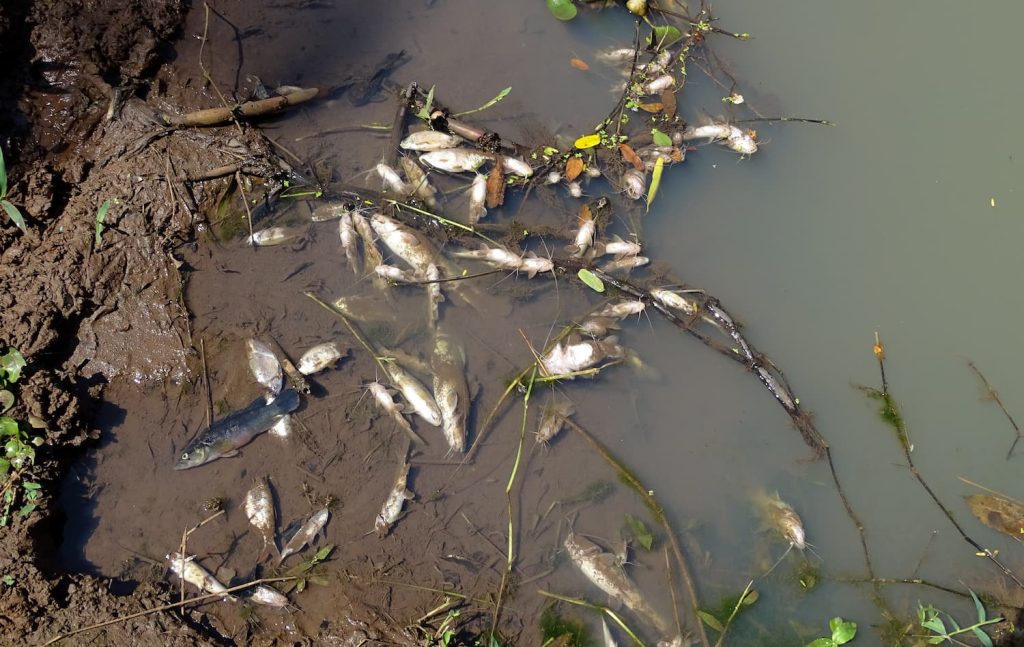
Table of Contents
Few things alarm an HOA community like waking up to dead fish floating across the lake. Boards field panicked emails, residents assume the water is poisoned, and everyone wants an answer immediately. The reassuring truth is that most fish kills are natural events with a single dominant cause, and most are preventable with the right management. Understanding what actually happened is the first step to calming the community and stopping it from happening again.
This guide explains what causes fish kills in Florida HOA lakes, why low oxygen is almost always the culprit, the specific triggers like summer heat, algae die-offs, and turnover events, what to do when a fish kill happens, and how aeration and good management prevent them.
Most fish kills in Florida HOA lakes are caused by low dissolved oxygen, not poisoning. Oxygen drops when algae blooms die off, when hot weather reduces oxygen levels, or when a turnover event mixes oxygen-poor bottom water into the lake. Fish suffocate, often overnight. Aeration and nutrient management are the most effective prevention.
Key Takeaways
- Low dissolved oxygen causes the vast majority of fish kills. Fish suffocate, they are rarely poisoned.
- Most kills happen in summer, when warm water holds less oxygen and biological demand is highest.
- Algae bloom die-offs are a leading trigger, since decomposing algae consume enormous amounts of oxygen.
- Turnover events mix oxygen-poor bottom water into the whole lake, sometimes killing fish within hours.
- Aeration is the single best prevention, keeping oxygen levels stable and the water column mixed.
What Causes Most Fish Kills?
The vast majority of fish kills are caused by low dissolved oxygen in the water, not by contamination or poisoning. Fish breathe oxygen dissolved in the water, and when levels drop too low, they suffocate. This is by far the most common cause of fish kills in ponds and lakes, especially in warm, nutrient-rich Florida waterbodies.
Getting this fact established first is important, because the community’s instinct is almost always to suspect poisoning, and that is almost always wrong.
According to the Florida Fish and Wildlife Conservation Commission, fish breathe oxygen dissolved in the water, and after the sun has been down for several hours, especially by early morning, so much oxygen may have been consumed that there is no longer enough for fish to breathe, and they suffocate. This is especially a problem in warm, stagnant waterbodies like ponds.
The daily oxygen cycle explains why:
- During the day, algae and plants produce oxygen through photosynthesis, and levels rise.
- At night, those same organisms consume oxygen instead of producing it, and levels fall.
- By early morning, oxygen can bottom out, which is why fish kills are so often discovered at dawn.
A telltale early warning sign, noted by FWC, is fish gasping at the surface just before a low-oxygen kill, often at first light. This is the fish trying to reach the thin oxygen-rich layer at the very top of the water. When a community sees fish gulping at the surface in the early morning, it is a signal that oxygen is dangerously low.

Why Do Fish Kills Happen Most in Summer?
Fish kills happen most in summer because warm water holds less dissolved oxygen while biological oxygen demand is at its peak. Hot temperatures reduce oxygen solubility, algae and bacteria consume more oxygen, and stratification traps oxygen-poor water at the bottom. This combination makes late summer, roughly July through September, the peak fish kill season.
The summer timing is one of the most reliable patterns in pond management, and it points straight at oxygen.
Several summer factors stack on top of each other:
- Warm water holds less oxygen. Higher temperatures decrease the solubility of oxygen in water, so hot water simply cannot carry as much.
- Higher oxygen demand. Heat increases oxygen consumption by fish, algae, bacteria, and decomposing organic matter all at once.
- Dense algae blooms. Summer sun and nutrients drive heavy blooms that swing oxygen wildly between day and night.
- Cloudy weather. Several overcast days reduce photosynthesis and oxygen production while consumption continues.
- Stratification. The lake layers into a warm oxygen-rich top and a cool oxygen-poor bottom, setting the stage for a turnover.
As multiple extension sources document, simple oxygen depletion most often occurs from July through September during the time of highest water temperature. In Florida’s climate, that warm-water window is long, which is why fish kills are a recurring summer concern for community lakes.
What Is a Turnover Event?

A turnover event happens when a lake’s temperature layers suddenly mix, bringing oxygen-poor water from the bottom up through the whole lake. This is often triggered by cold, heavy rain or strong wind after a hot, calm period. The sudden mixing can crash oxygen levels lakewide and cause a rapid fish kill, sometimes within hours.
Turnover is worth its own section because it is the cause that most surprises communities, since it can strike a healthy-looking lake seemingly out of nowhere.
Here is how a turnover unfolds:
- Stratification forms. During hot, calm weather, the lake separates into a warm, oxygen-rich surface layer and a cool, oxygen-depleted bottom layer that do not mix.
- The bottom goes anoxic. Decomposition at the bottom consumes the limited oxygen there, and the deep water can also build up toxic gases like hydrogen sulfide.
- A trigger mixes the layers. A cold, heavy rain or strong wind breaks down the layering and mixes the water column.
- Oxygen crashes. The oxygen-poor bottom water suddenly mixes throughout the lake, and the surface cannot compensate fast enough, so lakewide oxygen plummets.
As extension research explains, this mixing, referred to as turnover, occurs when cool rainwater or heavy wind on the surface breaks down the layering pattern, and the result can be an algae die-off, a fish kill, or both. Deeper lakes are more prone to turnover because they hold larger volumes of oxygen-poor bottom water. This is why a summer thunderstorm after a hot spell can be followed within a day by dead fish.
How Do Algae Blooms Cause Fish Kills?
Algae blooms cause fish kills mainly when the bloom suddenly dies. A large mass of dead algae is decomposed by bacteria that consume enormous amounts of oxygen, crashing dissolved oxygen levels and suffocating fish. This algae die-off is one of the most common triggers of summer fish kills in nutrient-rich HOA lakes.
The algae connection is critical because it links fish kills directly to the nutrient problems most community lakes already have.
The mechanism is straightforward:
- Nutrients fuel a bloom. Excess nitrogen and phosphorus, often from fertilizer runoff, drive rapid, dense algae growth.
- The bloom crashes. Blooms can die off suddenly, whether naturally, from cloudy weather, or after treatment.
- Decomposition consumes oxygen. Bacteria breaking down the dead algae use up huge amounts of dissolved oxygen.
- Fish suffocate. The oxygen crash starves fish, often overnight.
There is an important management caution here. Because killing a large algae bloom all at once causes exactly this kind of oxygen crash, treating heavy algae improperly can itself trigger a fish kill. As FWC notes, when many plants die at once, they decompose and use up the oxygen fish need, causing a low-oxygen kill. This is why professional algae control treats in stages and pairs treatment with aeration, and why addressing the nutrient cause through water quality management is the real long-term fix.

Can Ammonia or Other Factors Cause Fish Kills?
Yes. While low oxygen is the leading cause, fish kills can also result from ammonia spikes, sudden temperature changes, disease, spawning stress, toxic algae, and, rarely, actual contamination. Ammonia often rises alongside an algae die-off, compounding the oxygen problem. These secondary causes are less common but real.
Covering the other causes gives a complete and honest picture, even though oxygen dominates.
Other contributors to fish kills include:
- Ammonia spikes. Decomposing algae and organic matter release ammonia, which is toxic to fish, so an algae die-off often delivers a double blow of low oxygen and high ammonia.
- Temperature stress. Sudden temperature swings, or water that simply gets too warm for a species, can stress or kill fish. Cold snaps can kill temperature-sensitive species like tilapia.
- Spawning stress. Spawning is physically taxing, and some natural die-offs follow spawning season.
- Disease and parasites. Outbreaks can cause die-offs, often affecting one species rather than all.
- Toxic algae. Some blue-green algae blooms produce toxins that can harm fish and other animals.
- Contamination. Genuine pollution, such as a chemical or fuel spill, does happen but is far rarer than people assume.
A useful diagnostic clue: a low-oxygen kill usually affects many species and the larger fish first, since bigger fish need more oxygen. A kill affecting only one species points more toward disease or a species-specific temperature issue. This distinction helps identify what actually happened.
Cleaning Up a Fish Kill?
Ponds with low dissolved oxygen are likely to cause a fish kill. Work with Pond Guru to improve your ponds conditions.
What Should You Do When a Fish Kill Happens?
When a fish kill happens, first recognize that it is usually a natural low-oxygen event, not an emergency requiring panic. Remove dead fish promptly to protect water quality, avoid treating the water blindly, run or add aeration if possible, and report significant kills to the FWC Fish Kill Hotline. Then investigate the cause to prevent a repeat.
Having a clear response plan helps a board act calmly and correctly rather than making the situation worse.
A practical response sequence:
- Do not panic or assume poisoning. Most kills are natural oxygen events. Reassure residents while you investigate.
- Remove dead fish promptly. Decomposing fish consume more oxygen and worsen water quality, so removing them helps the surviving fish.
- Add or run aeration. If the lake has aeration, ensure it is running. Emergency aeration can help in an active low-oxygen event.
- Do not treat blindly. Avoid applying algaecides or chemicals during or right after a kill, since that can deepen the oxygen crash.
- Report significant kills. Report large or unusual fish kills to the FWC Fish Kill Hotline at 800-636-0511, which helps the state track events and can help identify the cause.
- Investigate and prevent. Once the immediate event passes, identify the cause and address it so it does not recur.
Reporting matters both for tracking and for peace of mind, since if there is any genuine concern about contamination, the state can help evaluate it. For most kills, though, the investigation confirms a natural oxygen event and points toward prevention.
How Do You Prevent Fish Kills?
The most effective way to prevent fish kills is aeration, which keeps dissolved oxygen levels stable and prevents the stratification that leads to turnovers. Combined with nutrient management to limit algae blooms, careful algae treatment, and not overstocking, aeration dramatically reduces the risk of oxygen-related kills in an HOA lake.
Prevention is where a community gains real control, since most of the causes trace back to oxygen and nutrients.
The core prevention strategies:
- Aeration. This is the single most effective measure. Aeration adds oxygen and, critically, keeps the water column mixed so stratification and turnovers do not develop. Circulation and mixing are the only reliable way to prevent turnover. Learn more about pond aeration and fountains.
- Nutrient management. Reducing the nitrogen and phosphorus that fuel algae blooms lowers the risk of a bloom-and-crash cycle. This is where limiting fertilizer runoff and shoreline buffers help.
- Careful algae control. When algae must be treated, doing it in stages with aeration avoids the oxygen crash that improper treatment can cause.
- Avoid overstocking. Too many fish increase oxygen demand and make a lake far more vulnerable, so sensible fish stocking matters.
- Reduce muck. Excess organic matter on the bottom consumes oxygen as it decomposes, so muck management reduces the underlying demand.
- Monitor water quality. Regular testing catches the nutrient and oxygen problems that precede kills.
The through-line is clear: keep oxygen up and nutrients down. A well-aerated, nutrient-managed lake is dramatically less likely to experience a fish kill, which turns an alarming, unpredictable event into a manageable risk.
Schedule a Site Visit With Pond Guru
A fish kill is alarming, but it is usually a symptom of a manageable problem: not enough oxygen, too many nutrients, or a lake left to stratify. The same conditions that cause a kill are the ones good management addresses, which means most fish kills are genuinely preventable with the right aeration and nutrient strategy.
Pond Guru works with HOA boards and property managers across Florida to install and maintain aeration, manage nutrients and algae safely, monitor water quality, and reduce the risk of fish kills in community lakes and ponds.
Because every lake is different, the process starts with an on-site evaluation of oxygen, depth, nutrients, and aeration needs. To protect your community’s lake and its fish, schedule a site visit with Pond Guru and a specialist will assess conditions and recommend a plan.
If your lake is actively experiencing a large fish kill, you can report it to the FWC Fish Kill Hotline at 800-636-0511.

Frequently Asked Questions
The most likely cause is low dissolved oxygen, not poisoning. Fish suffocate when oxygen drops too low, often overnight in warm weather, after an algae bloom dies off, or during a turnover event that mixes oxygen-poor bottom water into the lake. Most fish kills are natural oxygen events rather than contamination.
A cold, heavy rain or strong wind after a hot, calm period can trigger a turnover, suddenly mixing oxygen-poor bottom water throughout the lake. This crashes oxygen levels lakewide and can kill fish within hours. Deeper lakes are especially prone to turnover, which is why a storm can be followed by dead fish the next day.
Rarely. While genuine contamination like a chemical or fuel spill can cause a fish kill, it is far less common than people assume. The vast majority of fish kills are natural events caused by low dissolved oxygen. A clue is that low-oxygen kills usually affect many species and the largest fish first, rather than one species.
Aeration is the most effective prevention, since it keeps oxygen levels stable and prevents the stratification that leads to turnovers. Combine it with nutrient management to limit algae blooms, careful staged algae treatment, and avoiding overstocking. Together these address the low-oxygen conditions behind the vast majority of fish kills.
Yes, significant or unusual fish kills should be reported to the FWC Fish Kill Hotline at 800-636-0511. Reporting helps the state track when and where kills occur and can help identify the cause, including ruling out contamination. For most kills, the cause turns out to be a natural low-oxygen event.
Ready to Schedule a Visit ?
Have questions about your pond or lake? Our experts are ready to help you take the next step.
Latest Article
Popular Post

The Secchi Disk: Measuring Water Clarity
Table of Contents For a tool that is essentially…
Table of Contents
Few things alarm an HOA community like waking up to dead fish floating across the lake. Boards field panicked emails, residents assume the water is poisoned, and everyone wants an answer immediately. The reassuring truth is that most fish kills are natural events with a single dominant cause, and most are preventable with the right management. Understanding what actually happened is the first step to calming the community and stopping it from happening again.
This guide explains what causes fish kills in Florida HOA lakes, why low oxygen is almost always the culprit, the specific triggers like summer heat, algae die-offs, and turnover events, what to do when a fish kill happens, and how aeration and good management prevent them.
Most fish kills in Florida HOA lakes are caused by low dissolved oxygen, not poisoning. Oxygen drops when algae blooms die off, when hot weather reduces oxygen levels, or when a turnover event mixes oxygen-poor bottom water into the lake. Fish suffocate, often overnight. Aeration and nutrient management are the most effective prevention.
Key Takeaways
- Low dissolved oxygen causes the vast majority of fish kills. Fish suffocate, they are rarely poisoned.
- Most kills happen in summer, when warm water holds less oxygen and biological demand is highest.
- Algae bloom die-offs are a leading trigger, since decomposing algae consume enormous amounts of oxygen.
- Turnover events mix oxygen-poor bottom water into the whole lake, sometimes killing fish within hours.
- Aeration is the single best prevention, keeping oxygen levels stable and the water column mixed.
What Causes Most Fish Kills?
The vast majority of fish kills are caused by low dissolved oxygen in the water, not by contamination or poisoning. Fish breathe oxygen dissolved in the water, and when levels drop too low, they suffocate. This is by far the most common cause of fish kills in ponds and lakes, especially in warm, nutrient-rich Florida waterbodies.
Getting this fact established first is important, because the community’s instinct is almost always to suspect poisoning, and that is almost always wrong.
According to the Florida Fish and Wildlife Conservation Commission, fish breathe oxygen dissolved in the water, and after the sun has been down for several hours, especially by early morning, so much oxygen may have been consumed that there is no longer enough for fish to breathe, and they suffocate. This is especially a problem in warm, stagnant waterbodies like ponds.
The daily oxygen cycle explains why:
- During the day, algae and plants produce oxygen through photosynthesis, and levels rise.
- At night, those same organisms consume oxygen instead of producing it, and levels fall.
- By early morning, oxygen can bottom out, which is why fish kills are so often discovered at dawn.
A telltale early warning sign, noted by FWC, is fish gasping at the surface just before a low-oxygen kill, often at first light. This is the fish trying to reach the thin oxygen-rich layer at the very top of the water. When a community sees fish gulping at the surface in the early morning, it is a signal that oxygen is dangerously low.
Why Do Fish Kills Happen Most in Summer?
Fish kills happen most in summer because warm water holds less dissolved oxygen while biological oxygen demand is at its peak. Hot temperatures reduce oxygen solubility, algae and bacteria consume more oxygen, and stratification traps oxygen-poor water at the bottom. This combination makes late summer, roughly July through September, the peak fish kill season.
The summer timing is one of the most reliable patterns in pond management, and it points straight at oxygen.
Several summer factors stack on top of each other:
- Warm water holds less oxygen. Higher temperatures decrease the solubility of oxygen in water, so hot water simply cannot carry as much.
- Higher oxygen demand. Heat increases oxygen consumption by fish, algae, bacteria, and decomposing organic matter all at once.
- Dense algae blooms. Summer sun and nutrients drive heavy blooms that swing oxygen wildly between day and night.
- Cloudy weather. Several overcast days reduce photosynthesis and oxygen production while consumption continues.
- Stratification. The lake layers into a warm oxygen-rich top and a cool oxygen-poor bottom, setting the stage for a turnover.
As multiple extension sources document, simple oxygen depletion most often occurs from July through September during the time of highest water temperature. In Florida’s climate, that warm-water window is long, which is why fish kills are a recurring summer concern for community lakes.
What Is a Turnover Event?
A turnover event happens when a lake’s temperature layers suddenly mix, bringing oxygen-poor water from the bottom up through the whole lake. This is often triggered by cold, heavy rain or strong wind after a hot, calm period. The sudden mixing can crash oxygen levels lakewide and cause a rapid fish kill, sometimes within hours.
Turnover is worth its own section because it is the cause that most surprises communities, since it can strike a healthy-looking lake seemingly out of nowhere.
Here is how a turnover unfolds:
- Stratification forms. During hot, calm weather, the lake separates into a warm, oxygen-rich surface layer and a cool, oxygen-depleted bottom layer that do not mix.
- The bottom goes anoxic. Decomposition at the bottom consumes the limited oxygen there, and the deep water can also build up toxic gases like hydrogen sulfide.
- A trigger mixes the layers. A cold, heavy rain or strong wind breaks down the layering and mixes the water column.
- Oxygen crashes. The oxygen-poor bottom water suddenly mixes throughout the lake, and the surface cannot compensate fast enough, so lakewide oxygen plummets.
As extension research explains, this mixing, referred to as turnover, occurs when cool rainwater or heavy wind on the surface breaks down the layering pattern, and the result can be an algae die-off, a fish kill, or both. Deeper lakes are more prone to turnover because they hold larger volumes of oxygen-poor bottom water. This is why a summer thunderstorm after a hot spell can be followed within a day by dead fish.
How Do Algae Blooms Cause Fish Kills?
Algae blooms cause fish kills mainly when the bloom suddenly dies. A large mass of dead algae is decomposed by bacteria that consume enormous amounts of oxygen, crashing dissolved oxygen levels and suffocating fish. This algae die-off is one of the most common triggers of summer fish kills in nutrient-rich HOA lakes.
The algae connection is critical because it links fish kills directly to the nutrient problems most community lakes already have.
The mechanism is straightforward:
- Nutrients fuel a bloom. Excess nitrogen and phosphorus, often from fertilizer runoff, drive rapid, dense algae growth.
- The bloom crashes. Blooms can die off suddenly, whether naturally, from cloudy weather, or after treatment.
- Decomposition consumes oxygen. Bacteria breaking down the dead algae use up huge amounts of dissolved oxygen.
- Fish suffocate. The oxygen crash starves fish, often overnight.
There is an important management caution here. Because killing a large algae bloom all at once causes exactly this kind of oxygen crash, treating heavy algae improperly can itself trigger a fish kill. As FWC notes, when many plants die at once, they decompose and use up the oxygen fish need, causing a low-oxygen kill. This is why professional algae control treats in stages and pairs treatment with aeration, and why addressing the nutrient cause through water quality management is the real long-term fix.
Can Ammonia or Other Factors Cause Fish Kills?
Yes. While low oxygen is the leading cause, fish kills can also result from ammonia spikes, sudden temperature changes, disease, spawning stress, toxic algae, and, rarely, actual contamination. Ammonia often rises alongside an algae die-off, compounding the oxygen problem. These secondary causes are less common but real.
Covering the other causes gives a complete and honest picture, even though oxygen dominates.
Other contributors to fish kills include:
- Ammonia spikes. Decomposing algae and organic matter release ammonia, which is toxic to fish, so an algae die-off often delivers a double blow of low oxygen and high ammonia.
- Temperature stress. Sudden temperature swings, or water that simply gets too warm for a species, can stress or kill fish. Cold snaps can kill temperature-sensitive species like tilapia.
- Spawning stress. Spawning is physically taxing, and some natural die-offs follow spawning season.
- Disease and parasites. Outbreaks can cause die-offs, often affecting one species rather than all.
- Toxic algae. Some blue-green algae blooms produce toxins that can harm fish and other animals.
- Contamination. Genuine pollution, such as a chemical or fuel spill, does happen but is far rarer than people assume.
A useful diagnostic clue: a low-oxygen kill usually affects many species and the larger fish first, since bigger fish need more oxygen. A kill affecting only one species points more toward disease or a species-specific temperature issue. This distinction helps identify what actually happened.
Cleaning Up a Fish Kill?
Ponds with low dissolved oxygen are likely to cause a fish kill. Work with Pond Guru to improve your ponds conditions.
What Should You Do When a Fish Kill Happens?
When a fish kill happens, first recognize that it is usually a natural low-oxygen event, not an emergency requiring panic. Remove dead fish promptly to protect water quality, avoid treating the water blindly, run or add aeration if possible, and report significant kills to the FWC Fish Kill Hotline. Then investigate the cause to prevent a repeat.
Having a clear response plan helps a board act calmly and correctly rather than making the situation worse.
A practical response sequence:
- Do not panic or assume poisoning. Most kills are natural oxygen events. Reassure residents while you investigate.
- Remove dead fish promptly. Decomposing fish consume more oxygen and worsen water quality, so removing them helps the surviving fish.
- Add or run aeration. If the lake has aeration, ensure it is running. Emergency aeration can help in an active low-oxygen event.
- Do not treat blindly. Avoid applying algaecides or chemicals during or right after a kill, since that can deepen the oxygen crash.
- Report significant kills. Report large or unusual fish kills to the FWC Fish Kill Hotline at 800-636-0511, which helps the state track events and can help identify the cause.
- Investigate and prevent. Once the immediate event passes, identify the cause and address it so it does not recur.
Reporting matters both for tracking and for peace of mind, since if there is any genuine concern about contamination, the state can help evaluate it. For most kills, though, the investigation confirms a natural oxygen event and points toward prevention.
How Do You Prevent Fish Kills?
The most effective way to prevent fish kills is aeration, which keeps dissolved oxygen levels stable and prevents the stratification that leads to turnovers. Combined with nutrient management to limit algae blooms, careful algae treatment, and not overstocking, aeration dramatically reduces the risk of oxygen-related kills in an HOA lake.
Prevention is where a community gains real control, since most of the causes trace back to oxygen and nutrients.
The core prevention strategies:
- Aeration. This is the single most effective measure. Aeration adds oxygen and, critically, keeps the water column mixed so stratification and turnovers do not develop. Circulation and mixing are the only reliable way to prevent turnover. Learn more about pond aeration and fountains.
- Nutrient management. Reducing the nitrogen and phosphorus that fuel algae blooms lowers the risk of a bloom-and-crash cycle. This is where limiting fertilizer runoff and shoreline buffers help.
- Careful algae control. When algae must be treated, doing it in stages with aeration avoids the oxygen crash that improper treatment can cause.
- Avoid overstocking. Too many fish increase oxygen demand and make a lake far more vulnerable, so sensible fish stocking matters.
- Reduce muck. Excess organic matter on the bottom consumes oxygen as it decomposes, so muck management reduces the underlying demand.
- Monitor water quality. Regular testing catches the nutrient and oxygen problems that precede kills.
The through-line is clear: keep oxygen up and nutrients down. A well-aerated, nutrient-managed lake is dramatically less likely to experience a fish kill, which turns an alarming, unpredictable event into a manageable risk.
Schedule a Site Visit With Pond Guru

A fish kill is alarming, but it is usually a symptom of a manageable problem: not enough oxygen, too many nutrients, or a lake left to stratify. The same conditions that cause a kill are the ones good management addresses, which means most fish kills are genuinely preventable with the right aeration and nutrient strategy.
Pond Guru works with HOA boards and property managers across Florida to install and maintain aeration, manage nutrients and algae safely, monitor water quality, and reduce the risk of fish kills in community lakes and ponds.
Because every lake is different, the process starts with an on-site evaluation of oxygen, depth, nutrients, and aeration needs. To protect your community’s lake and its fish, schedule a site visit with Pond Guru and a specialist will assess conditions and recommend a plan.
If your lake is actively experiencing a large fish kill, you can report it to the FWC Fish Kill Hotline at 800-636-0511.
Frequently Asked Questions
The most likely cause is low dissolved oxygen, not poisoning. Fish suffocate when oxygen drops too low, often overnight in warm weather, after an algae bloom dies off, or during a turnover event that mixes oxygen-poor bottom water into the lake. Most fish kills are natural oxygen events rather than contamination.
A cold, heavy rain or strong wind after a hot, calm period can trigger a turnover, suddenly mixing oxygen-poor bottom water throughout the lake. This crashes oxygen levels lakewide and can kill fish within hours. Deeper lakes are especially prone to turnover, which is why a storm can be followed by dead fish the next day.
Rarely. While genuine contamination like a chemical or fuel spill can cause a fish kill, it is far less common than people assume. The vast majority of fish kills are natural events caused by low dissolved oxygen. A clue is that low-oxygen kills usually affect many species and the largest fish first, rather than one species.
Aeration is the most effective prevention, since it keeps oxygen levels stable and prevents the stratification that leads to turnovers. Combine it with nutrient management to limit algae blooms, careful staged algae treatment, and avoiding overstocking. Together these address the low-oxygen conditions behind the vast majority of fish kills.
Yes, significant or unusual fish kills should be reported to the FWC Fish Kill Hotline at 800-636-0511. Reporting helps the state track when and where kills occur and can help identify the cause, including ruling out contamination. For most kills, the cause turns out to be a natural low-oxygen event.
Ready to Schedule a Visit ?
Have questions about your pond or lake? Our experts are ready to help you take the next step.
Latest Article
Popular Post
The Secchi Disk: Measuring Water Clarity
Table of Contents For a tool that is essentially…