

Do Pond Fish Feeders Work? Risks to Overfeeding
Do Pond Fish Feeders Work? Risks to Overfeeding
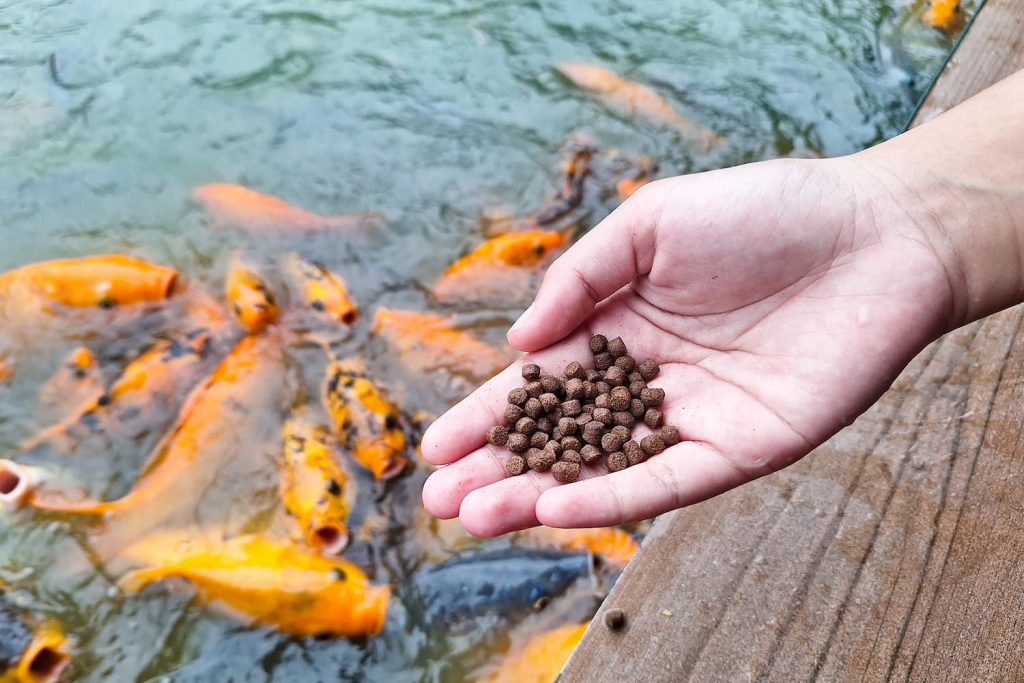
Feeding pond fish affects more than growth. It also affects water quality, algae pressure, oxygen demand, and overall pond balance. An automatic fish feeder can be useful in the right setting, especially for private ponds, HOA lakes, golf course water features, and managed properties where consistency matters.
The problem starts when the feeder is treated like a simple convenience tool instead of part of a pond management plan. Too much food, poor placement, or the wrong feeding schedule can create waste, nutrient buildup, and fish stress.
This guide explains how an automatic fish feeder works, when a pond fish feeder makes sense, and how to avoid the most common mistake in fish feeding pond systems: overfeeding.
Automatic Fish Feeder Basics
An automatic fish feeder is a timed device that dispenses measured amounts of fish food on a schedule. In pond settings, it is often used for bluegill, koi, catfish, and other managed fish populations.
A good feeder can help with:
- consistent feeding times
- better portion control
- reduced missed feedings
- support for fish growth goals
- less dependence on daily manual feeding
That consistency is the main advantage. Fish often respond well to a regular feeding routine, especially in ponds that are already healthy enough to support supplemental feeding.
Pond Fish Feeder Benefits
A pond fish feeder works best when the pond already has solid water quality, stable oxygen, and a fish population that can benefit from added feed.
The most practical benefits include:
- more predictable feeding response
- easier routine for larger properties
- better support for managed fish populations
- less random overfeeding from hand tossing food
For many properties, a fish feeder for pond use is most helpful when fish growth is an active goal and daily hand feeding is not realistic.
Auto Feeding Fish Risks
The biggest issue with auto feeding fish is overfeeding. Fish may rush the surface every time food is dispensed, but that does not mean the pond needs more food.
Excess feed often leads to:
- uneaten food sinking to the bottom
- added nutrients in the water
- more algae growth
- muck buildup
- lower water clarity
- oxygen stress
In warm weather, these problems build faster. Decaying feed increases biological demand in the pond, and that can make already stressed water conditions worse.
An automatic fish food feeder only helps when feed amounts are matched to what the fish can actually consume and what the pond can actually handle.
Fish Feeding Pond Conditions
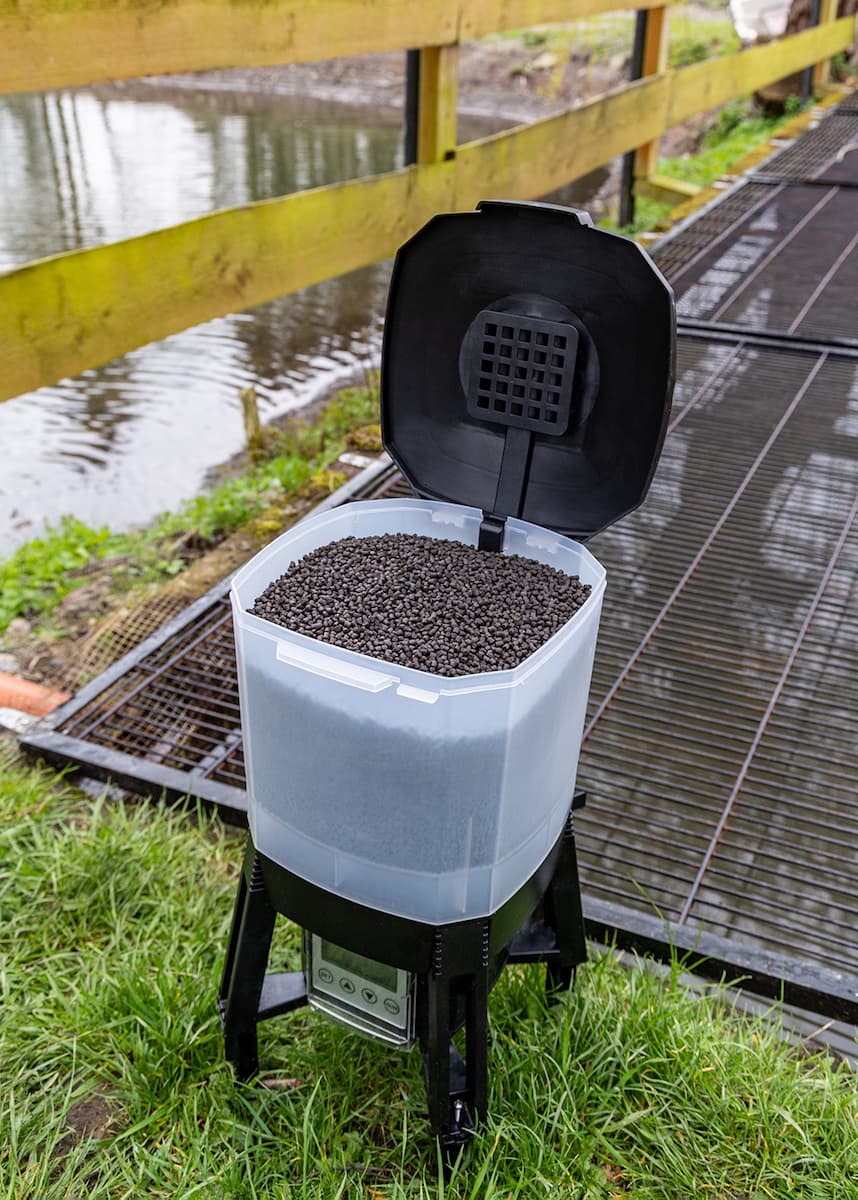
Not every pond is a good candidate for supplemental feeding. A feeder usually makes more sense when the pond has:
- active fish management goals
- healthy fish already responding to feed
- good aeration or oxygen support
- manageable nutrient levels
- a stable shoreline feeding area
A feeder may be a poor fit when the pond already has:
- heavy algae pressure
- low oxygen problems
- overcrowded fish
- poor water clarity
- limited fish activity
In those situations, adding feed often adds to the problem instead of improving fish performance.
Manual Feeding and Automatic Fish Feeders
Manual feeding still has value because it allows observation. It is easier to notice changes in appetite, unusual behavior, or early water quality issues when someone is actively watching the fish.
Automatic fish feeders provide consistency, but they do not watch the pond.
For many properties, the strongest approach is a mix of both. Let the feeder handle routine feeding, then use occasional manual checks to confirm that:
- fish are feeding actively
- feed amounts still make sense
- seasonal adjustments are being made
- water quality remains stable
- no signs of overfeeding are developing
This approach keeps the feeder useful without letting it run the pond blindly.
Need Fish Feeders For Your Pond?
Get automatic fish feeders responsibly installed on your pond or lake with Pond Guru.
Choosing Fish Feeders for Ponds
Not every automatic pond fish feeder is right for every site. The best option depends on the fish, the pond, and the feeding goal.
A good evaluation should consider:
- fish species being fed
- pond size and shape
- shoreline setup
- oxygen support
- feeding frequency
- risk of overfeeding
- whether automatic fish feeders for ponds are appropriate at all
Some ponds need a simple, low volume program. Others may need water quality improvements before any feeder is installed.
How Pond Guru Helps
Pond Guru helps determine whether supplemental feeding makes sense and what type of feeder setup fits the property best.
A site visit can help evaluate:
- whether the pond is ready for a feeder
- which fish are being fed
- current water quality and oxygen support
- feeding location options
- signs of nutrient stress or overfeeding risk
- whether a fish feeder, fish food auto feeder, or other automatic feeder fish setup is appropriate
This kind of review helps match the feeding plan to real pond conditions instead of guessing based on convenience alone.
Frequently Asked Questions
Yes, but only when the pond is already healthy enough to support supplemental feeding. Automatic fish feeders work best in ponds with stable oxygen, manageable nutrient levels, and fish that are actively being managed for growth or long term care. In a stressed pond, a feeder can make existing problems worse instead of better.
The biggest risk is overfeeding. Excess food sinks, breaks down, and adds nutrients to the water. That often leads to algae growth, muck buildup, oxygen stress, and lower water clarity. A feeder becomes a problem when the feed amount is based on routine alone instead of actual pond conditions.
They are better for consistency, but not always better for oversight. Hand feeding makes it easier to watch fish behavior and notice problems early. Automatic fish feeders are useful because they keep timing and portions more stable. For many ponds, the best system uses both.
A pond may benefit from one if fish growth is an active goal, the fish respond well to feed, and the pond has enough oxygen and water quality support to handle supplemental feeding. If the pond already has algae, overcrowding, or poor oxygen, those issues should usually be addressed first.
Pond Guru can evaluate fish population balance, feeding goals, shoreline layout, oxygen support, and water quality before a feeder is installed. That helps determine whether a pond fish feeder is appropriate, where it should go, and how feeding can be managed without creating water quality problems.
Ready to Schedule a Visit ?
Have questions about your pond or lake? Our experts are ready to help you take the next step.
Latest Article
Popular Post

Pennywort: From Lawn Weed to Pond Invader
Table of Contents Most Floridians know pennywort as dollarweed,…
Feeding pond fish affects more than growth. It also affects water quality, algae pressure, oxygen demand, and overall pond balance. An automatic fish feeder can be useful in the right setting, especially for private ponds, HOA lakes, golf course water features, and managed properties where consistency matters.
The problem starts when the feeder is treated like a simple convenience tool instead of part of a pond management plan. Too much food, poor placement, or the wrong feeding schedule can create waste, nutrient buildup, and fish stress.
This guide explains how an automatic fish feeder works, when a pond fish feeder makes sense, and how to avoid the most common mistake in fish feeding pond systems: overfeeding.
Automatic Fish Feeder Basics
An automatic fish feeder is a timed device that dispenses measured amounts of fish food on a schedule. In pond settings, it is often used for bluegill, koi, catfish, and other managed fish populations.
A good feeder can help with:
- consistent feeding times
- better portion control
- reduced missed feedings
- support for fish growth goals
- less dependence on daily manual feeding
That consistency is the main advantage. Fish often respond well to a regular feeding routine, especially in ponds that are already healthy enough to support supplemental feeding.
Pond Fish Feeder Benefits
A pond fish feeder works best when the pond already has solid water quality, stable oxygen, and a fish population that can benefit from added feed.
The most practical benefits include:
- more predictable feeding response
- easier routine for larger properties
- better support for managed fish populations
- less random overfeeding from hand tossing food
For many properties, a fish feeder for pond use is most helpful when fish growth is an active goal and daily hand feeding is not realistic.
Auto Feeding Fish Risks
The biggest issue with auto feeding fish is overfeeding. Fish may rush the surface every time food is dispensed, but that does not mean the pond needs more food.
Excess feed often leads to:
- uneaten food sinking to the bottom
- added nutrients in the water
- more algae growth
- muck buildup
- lower water clarity
- oxygen stress
In warm weather, these problems build faster. Decaying feed increases biological demand in the pond, and that can make already stressed water conditions worse.
An automatic fish food feeder only helps when feed amounts are matched to what the fish can actually consume and what the pond can actually handle.
Fish Feeding Pond Conditions
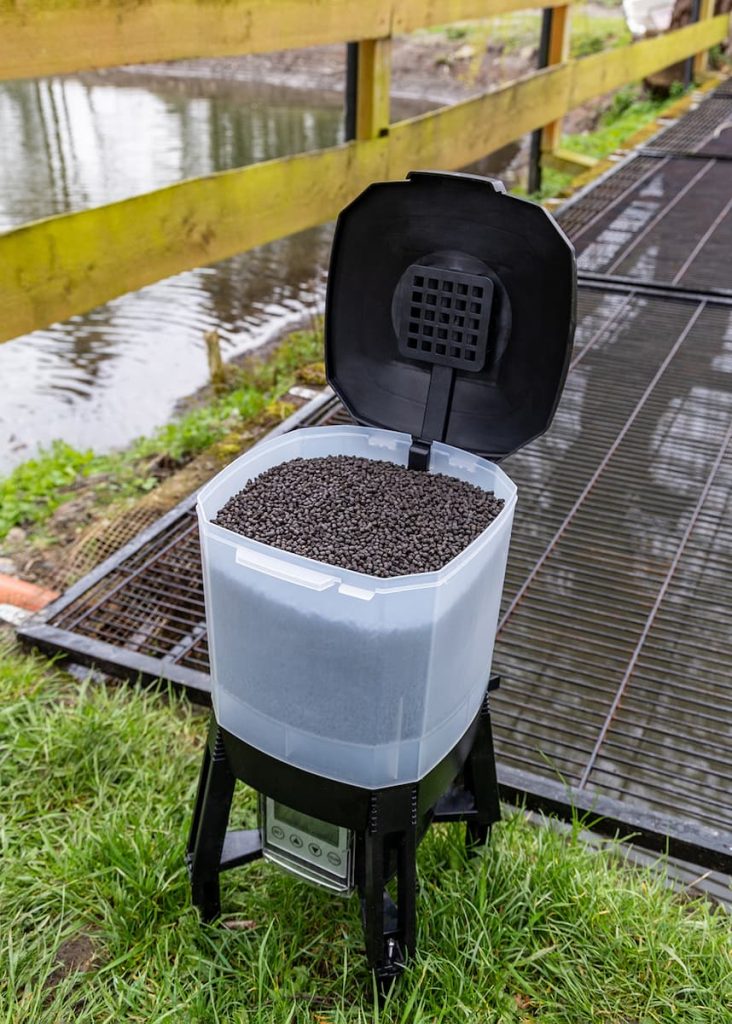
Not every pond is a good candidate for supplemental feeding. A feeder usually makes more sense when the pond has:
- active fish management goals
- healthy fish already responding to feed
- good aeration or oxygen support
- manageable nutrient levels
- a stable shoreline feeding area
A feeder may be a poor fit when the pond already has:
- heavy algae pressure
- low oxygen problems
- overcrowded fish
- poor water clarity
- limited fish activity
In those situations, adding feed often adds to the problem instead of improving fish performance.
Manual Feeding and Automatic Fish Feeders
Manual feeding still has value because it allows observation. It is easier to notice changes in appetite, unusual behavior, or early water quality issues when someone is actively watching the fish.
Automatic fish feeders provide consistency, but they do not watch the pond.
For many properties, the strongest approach is a mix of both. Let the feeder handle routine feeding, then use occasional manual checks to confirm that:
- fish are feeding actively
- feed amounts still make sense
- seasonal adjustments are being made
- water quality remains stable
- no signs of overfeeding are developing
This approach keeps the feeder useful without letting it run the pond blindly.
Need Fish Feeders For Your Pond?
Get automatic fish feeders responsibly installed on your pond or lake with Pond Guru.
Choosing Fish Feeders for Ponds
Not every automatic pond fish feeder is right for every site. The best option depends on the fish, the pond, and the feeding goal.
A good evaluation should consider:
- fish species being fed
- pond size and shape
- shoreline setup
- oxygen support
- feeding frequency
- risk of overfeeding
- whether automatic fish feeders for ponds are appropriate at all
Some ponds need a simple, low volume program. Others may need water quality improvements before any feeder is installed.
How Pond Guru Helps
Pond Guru helps determine whether supplemental feeding makes sense and what type of feeder setup fits the property best.
A site visit can help evaluate:
- whether the pond is ready for a feeder
- which fish are being fed
- current water quality and oxygen support
- feeding location options
- signs of nutrient stress or overfeeding risk
- whether a fish feeder, fish food auto feeder, or other automatic feeder fish setup is appropriate
This kind of review helps match the feeding plan to real pond conditions instead of guessing based on convenience alone.
Frequently Asked Questions
Yes, but only when the pond is already healthy enough to support supplemental feeding. Automatic fish feeders work best in ponds with stable oxygen, manageable nutrient levels, and fish that are actively being managed for growth or long term care. In a stressed pond, a feeder can make existing problems worse instead of better.
The biggest risk is overfeeding. Excess food sinks, breaks down, and adds nutrients to the water. That often leads to algae growth, muck buildup, oxygen stress, and lower water clarity. A feeder becomes a problem when the feed amount is based on routine alone instead of actual pond conditions.
They are better for consistency, but not always better for oversight. Hand feeding makes it easier to watch fish behavior and notice problems early. Automatic fish feeders are useful because they keep timing and portions more stable. For many ponds, the best system uses both.
A pond may benefit from one if fish growth is an active goal, the fish respond well to feed, and the pond has enough oxygen and water quality support to handle supplemental feeding. If the pond already has algae, overcrowding, or poor oxygen, those issues should usually be addressed first.
Pond Guru can evaluate fish population balance, feeding goals, shoreline layout, oxygen support, and water quality before a feeder is installed. That helps determine whether a pond fish feeder is appropriate, where it should go, and how feeding can be managed without creating water quality problems.
Ready to Schedule a Visit ?
Have questions about your pond or lake? Our experts are ready to help you take the next step.
Latest Article
Popular Post
Pennywort: From Lawn Weed to Pond Invader
Table of Contents Most Floridians know pennywort as dollarweed,…