

How to Get Rid of Duckweed in a Pond
How to Get Rid of Duckweed in a Pond
Duckweed can quickly turn a healthy pond into a blanket of green, creating aesthetic issues and harming aquatic life. If you’re wondering how to get rid of duckweed in a pond without damaging your fish or ecosystem, this guide will walk you through proven solutions used by professionals like Pond Guru.
What Is Duckweed?
Duckweed is a small, fast-growing aquatic plant that floats on the surface of still or slow-moving bodies of water. It often appears as a green mat and reproduces rapidly in nutrient-rich environments. While some pond owners initially tolerate it, unchecked duckweed in a pond can block sunlight, deplete oxygen, and choke out desirable plant and animal life.
What Does Duckweed Look Like?
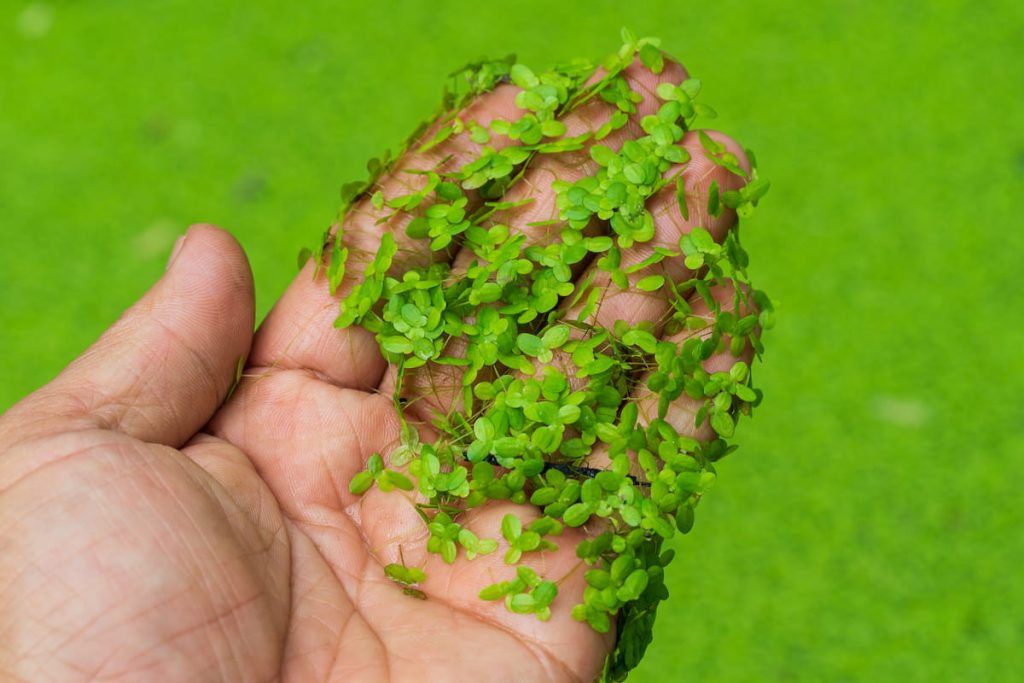
Duckweed is composed of tiny, oval-shaped fronds usually less than a quarter inch in diameter. It floats freely and may be mistaken for algae, but each duckweed frond often has a root hanging beneath it. In large colonies, it gives the pond a smooth green appearance.
Why Is Duckweed a Problem?
Excessive duckweed in a pond can lead to several issues:
- Reduced oxygen levels, which can stress or kill fish
- Blocked sunlight, inhibiting beneficial submerged plant growth
- Rapid reproduction, making it difficult to control once established
- Imbalanced ecosystems, encouraging mosquito breeding and poor water quality
What Eats Duckweed?
If you’re searching for a natural method of duckweed control, you may consider biological solutions. Some animals that eat duckweed include:
- Grass carp – commonly stocked for duckweed control, though their legality varies by state
- Koi and goldfish – will nibble at duckweed but are not a complete solution
- Waterfowl – such as ducks, can consume duckweed but may also contribute to nutrient buildup
Duckweed Control: Mechanical, Biological, and Chemical Options
Mechanical Duckweed Removal
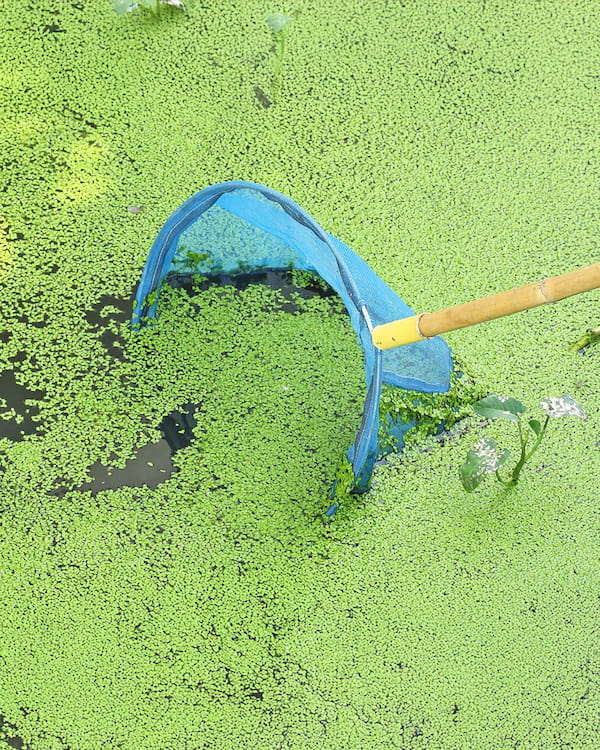
Manual removal is the first line of defense. Skimming the surface with a rake, net, or specialized harvester can reduce the biomass and slow down spread. However, it must be repeated frequently to be effective.
Biological Control of Duckweed
As discussed, fish such as grass carp can assist with duckweed removal. However, they may also consume other aquatic plants and must be managed carefully. Always check state regulations before introducing grass carp into your pond.
Clean Your Lake with Pond Guru!
Schedule an appointment for a site visit with our lake management team.
How to Get Rid of Duckweed Without Killing Fish
Chemical control is effective but must be applied cautiously to avoid harming aquatic life. Safe duckweed herbicides target broadleaf floating plants while minimizing harm to fish.
Key considerations for safe chemical use:
- Use fish-safe, EPA-approved herbicides
- Apply in stages to avoid oxygen crashes
- Monitor oxygen levels closely after treatment
Pond Guru specializes in safe duckweed removal that protects the overall pond ecosystem. Our technicians assess water chemistry, oxygen levels, and fish health before treatment.
How to Prevent Duckweed from Returning
Long-term duckweed control requires preventing the nutrient conditions that support its rapid growth. Consider the following:
- Aeration: Improves oxygen levels and disrupts duckweed colonies
- Nutrient control: Reduce runoff from fertilizers, livestock, and lawn clippings
- Shading: Install floating plants like lilies to block light and slow growth
- Regular maintenance: Monitor for early signs of return and remove promptly
Call the Experts at Pond Guru
Dealing with duckweed in a pond is not a one-time event. If you’re struggling with repeated outbreaks or want a professional, eco-friendly solution, contact Pond Guru. We offer expert site visits, personalized pond treatment plans, and long-term duckweed control strategies. Check out more Articles to know more about our services.
Frequently Asked Questions
Duckweed thrives in nutrient-rich, still water with ample sunlight. Excess nitrogen and phosphorus from runoff accelerate its growth.
In large quantities, duckweed blocks oxygen exchange and sunlight, which can lead to low oxygen levels and fish kills.
If more than 25% of the surface is covered, it's likely impacting pond health and should be removed.
Yes, mechanical skimming and stocking herbivorous fish are non-chemical options. However, they require consistent effort and may not fully eradicate duckweed.
Yes, Pond Guru offers professional site visits and treatment services for ponds and lakes throughout the region. Contact us to schedule your consultation.
Ready to Schedule a Visit ?
Have questions about your pond or lake? Our experts are ready to help you take the next step.
Latest Article
Popular Post

How Fertilizer Runoff Destroys HOA Lakes | 5 Landscaping Tips
Table of Contents The lush, green lawns that surround…
Duckweed can quickly turn a healthy pond into a blanket of green, creating aesthetic issues and harming aquatic life. If you’re wondering how to get rid of duckweed in a pond without damaging your fish or ecosystem, this guide will walk you through proven solutions used by professionals like Pond Guru.
What Is Duckweed?
Duckweed is a small, fast-growing aquatic plant that floats on the surface of still or slow-moving bodies of water. It often appears as a green mat and reproduces rapidly in nutrient-rich environments. While some pond owners initially tolerate it, unchecked duckweed in a pond can block sunlight, deplete oxygen, and choke out desirable plant and animal life.
What Does Duckweed Look Like?
Duckweed is composed of tiny, oval-shaped fronds usually less than a quarter inch in diameter. It floats freely and may be mistaken for algae, but each duckweed frond often has a root hanging beneath it. In large colonies, it gives the pond a smooth green appearance.
Why Is Duckweed a Problem?
Excessive duckweed in a pond can lead to several issues:
- Reduced oxygen levels, which can stress or kill fish
- Blocked sunlight, inhibiting beneficial submerged plant growth
- Rapid reproduction, making it difficult to control once established
- Imbalanced ecosystems, encouraging mosquito breeding and poor water quality
What Eats Duckweed?
If you’re searching for a natural method of duckweed control, you may consider biological solutions. Some animals that eat duckweed include:
- Grass carp – commonly stocked for duckweed control, though their legality varies by state
- Koi and goldfish – will nibble at duckweed but are not a complete solution
- Waterfowl – such as ducks, can consume duckweed but may also contribute to nutrient buildup
Duckweed Control: Mechanical, Biological, and Chemical Options
Mechanical Duckweed Removal
Manual removal is the first line of defense. Skimming the surface with a rake, net, or specialized harvester can reduce the biomass and slow down spread. However, it must be repeated frequently to be effective.
Biological Control of Duckweed
As discussed, fish such as grass carp can assist with duckweed removal. However, they may also consume other aquatic plants and must be managed carefully. Always check state regulations before introducing grass carp into your pond.
Clean Your Lake with Pond Guru!
Schedule a appointment for a site visit with our lake management team.
How to Get Rid of Duckweed Without Killing Fish
Chemical control is effective but must be applied cautiously to avoid harming aquatic life. Safe duckweed herbicides target broadleaf floating plants while minimizing harm to fish.
Key considerations for safe chemical use:
- Use fish-safe, EPA-approved herbicides
- Apply in stages to avoid oxygen crashes
- Monitor oxygen levels closely after treatment
Pond Guru specializes in safe duckweed removal that protects the overall pond ecosystem. Our technicians assess water chemistry, oxygen levels, and fish health before treatment.
How to Prevent Duckweed from Returning
Long-term duckweed control requires preventing the nutrient conditions that support its rapid growth. Consider the following:
- Aeration: Improves oxygen levels and disrupts duckweed colonies
- Nutrient control: Reduce runoff from fertilizers, livestock, and lawn clippings
- Shading: Install floating plants like lilies to block light and slow growth
- Regular maintenance: Monitor for early signs of return and remove promptly
Call the Experts at Pond Guru
Dealing with duckweed in a pond is not a one-time event. If you’re struggling with repeated outbreaks or want a professional, eco-friendly solution, contact Pond Guru. We offer expert site visits, personalized pond treatment plans, and long-term duckweed control strategies. Check out more Articles to know more about our services.
Frequently Asked Questions
Duckweed thrives in nutrient-rich, still water with ample sunlight. Excess nitrogen and phosphorus from runoff accelerate its growth.
In large quantities, duckweed blocks oxygen exchange and sunlight, which can lead to low oxygen levels and fish kills.
If more than 25% of the surface is covered, it's likely impacting pond health and should be removed.
Yes, mechanical skimming and stocking herbivorous fish are non-chemical options. However, they require consistent effort and may not fully eradicate duckweed.
Yes, Pond Guru offers professional site visits and treatment services for ponds and lakes throughout the region. Contact us to schedule your consultation.
Ready to Schedule a Visit ?
Have questions about your pond or lake? Our experts are ready to help you take the next step.
Latest Article
Popular Post
How Fertilizer Runoff Destroys HOA Lakes | 5 Landscaping Tips
Table of Contents The lush, green lawns that surround…