What Is Bacopa Caroliniana? Lemon Bacopa in Florida Ponds

January 29, 2026

What Is Bacopa Caroliniana? Lemon Bacopa in Florida Ponds

January 29, 2026
what is bacopa caroliniana

Bacopa caroliniana, commonly known as lemon bacopa, is a fragrant, aquatic plant found in ponds, wetlands, and lake margins across the southeastern United States. While its lemony scent and bright green leaves may seem harmless, this native species can become problematic in Florida pond ecosystems when not properly managed.

In this article, we’ll explain what lemon bacopa is, whether it’s invasive, when it becomes a nuisance, and how Pond Guru provides expert aquatic weed removal and lake management services to help you restore balance to your waterbody.

What Is Bacopa Caroliniana?

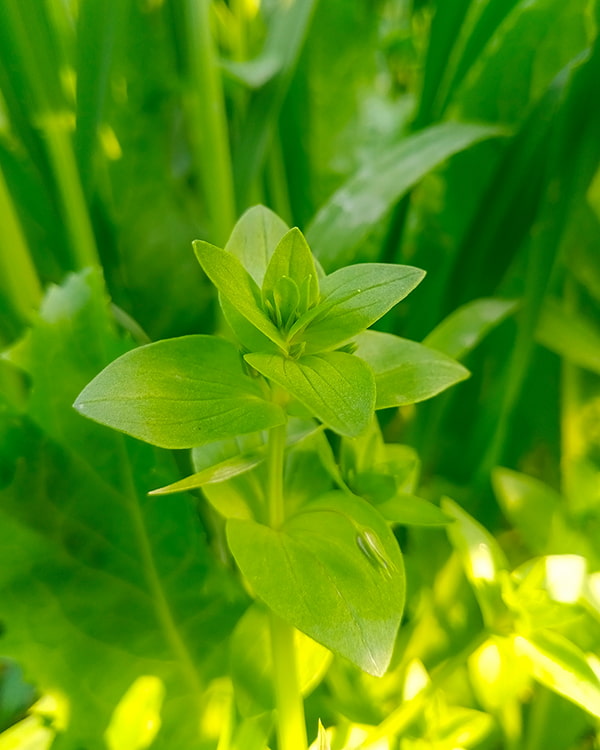
Bacopa caroliniana is a semi-aquatic plant that grows in shallow freshwater environments. It’s known for its:

  • Bright green, succulent leaves
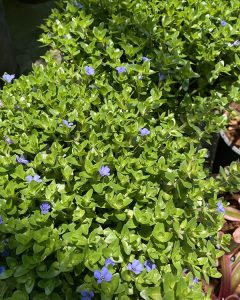
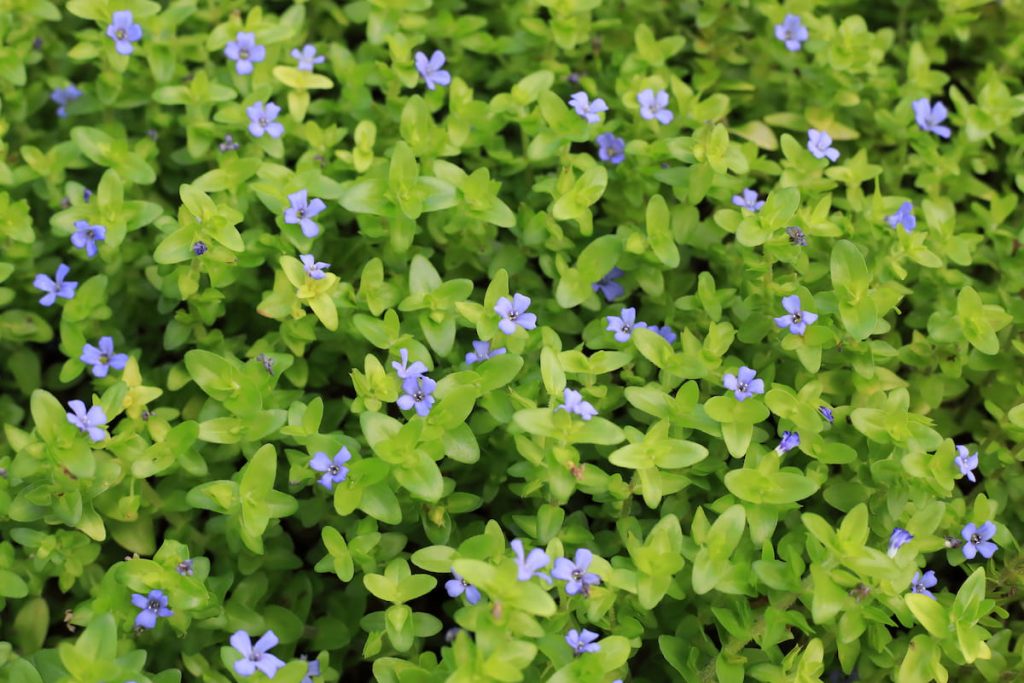
  • Small, blue or purple flowers
  • Citrus-like scent when crushed (hence the name lemon bacopa)

It’s often used in aquariums, water gardens, and wetland restoration projects because of its visual appeal and tolerance to nutrient-rich water. But outside of controlled environments, it can quickly spread in Florida ponds, clogging shorelines and competing with more desirable species.

Is Lemon Bacopa Invasive in Florida?

is lemon bacopa invasive in Florida

While lemon bacopa is native to parts of the southeastern U.S., including Florida, it can still behave invasively under the right conditions. In nutrient-rich ponds or stormwater basins, it may form dense mats that:

  • Disrupt recreational use (fishing, paddling, etc.)
  • Crowd out native emergent vegetation
  • Impair water flow near inflows and outflows
  • Contribute to habitat loss for native fish and amphibians

So, is lemon bacopa invasive in Florida? Not in the traditional non-native sense; but it can absolutely act like an invasive species when left unmanaged in shallow, nutrient-loaded pond environments.

Is Lemon Bacopa Beneficial?

In limited quantities, lemon bacopa can be beneficial. It stabilizes shoreline soils, offers habitat for aquatic invertebrates, and helps absorb excess nutrients that contribute to algae blooms.

However, those benefits are often outweighed when the plant begins to spread aggressively. At that point, it becomes an obstruction, not an asset. If you’re unsure whether the lemon bacopa in your pond is helping or hurting, Pond Guru can assess the situation and recommend a tailored solution.

Remove Aquatic Weeds Today!

Don’t let aquatic weeds like lemon bacopa invade your pond

How to Remove Lemon Bacopa

Effective lemon bacopa removal requires a targeted strategy based on the size and location of the infestation.

1. Manual Removal

For small ponds or limited growth, hand-pulling or mechanical cutting can be a short-term option. However, the plant often regrows from stem fragments or buried roots.

2. Herbicide Treatment

Aquatic-approved herbicides can selectively control bacopa without harming native wildlife; but timing, dosage, and application method matter. Over-application or incorrect products may cause harm or fail entirely.

3. Integrated Management

In many cases, the best approach includes physical removal + herbicide application + ongoing monitoring, especially in HOA retention ponds or golf course lakes.

Important: Improper treatment may worsen the problem or damage your pond’s ecological balance. That’s why we recommend a professional site visit to ensure proper diagnosis and action.

is lemon bacopa beneficial

Why Lemon Bacopa Thrives in Florida Ponds

Florida’s climate, combined with nutrient-rich runoff and shallow retention ponds, creates the perfect storm for aquatic weeds like bacopa caroliniana. The same conditions that fuel algae blooms such as warm temperatures, slow-moving water, and fertilizer runoff, also encourage lemon bacopa to spread.

That’s why effective lake management isn’t just about treating visible weeds. It involves:

  • Managing nutrient input
  • Installing aeration systems
  • Controlling erosion and sedimentation
  • Scheduling proactive maintenance visits

Pond Guru specializes in full-service pond and lake management, helping you keep weeds under control year-round.

lemon bacopa weed removal

Schedule a Site Visit with Pond Guru

If you’re seeing signs of lemon bacopa spreading along your pond edge or disrupting your HOA lake’s aesthetic, it’s time to call in the experts.

Pond Guru offers:

  • On-site assessments
  • Custom aquatic weed removal plans
  • Ongoing maintenance packages
  • Eco-conscious solutions

Don’t wait for your pond to become overrun. Contact Pond Guru today to schedule a site visit and restore balance to your aquatic ecosystem.

Frequently Asked Questions

What does bacopa caroliniana look like?

It’s a low-growing aquatic plant with bright green, oval leaves and blue to purple flowers. The leaves emit a lemon scent when crushed.

Is lemon bacopa invasive in Florida ponds?

While native, lemon bacopa can behave invasively in nutrient-rich environments by forming dense mats that disrupt pond balance.

How do you remove lemon bacopa from a pond?

It can be removed manually, chemically, or through integrated lake management strategies. Professional assessment is recommended.

Is lemon bacopa ever beneficial?

Yes, in controlled environments, it can stabilize banks and absorb excess nutrients. But when overgrown, it becomes a nuisance.

Who should I call for aquatic weed removal in Florida?

Pond Guru provides expert aquatic weed control and lake management services for homeowners, HOAs, golf courses, and property managers.

Ready to Schedule a Visit ?

Have questions about your pond or lake? Our experts are ready to help you take the next step.

Latest Article

Popular Post

  • What Is Filamentous Algae? Pond Management

    Filamentous algae, often referred to as “pond scum,” “string algae,”…

  • what is bacopa caroliniana

    Bacopa caroliniana, commonly known as lemon bacopa, is a fragrant, aquatic plant found in ponds, wetlands, and lake margins across the southeastern United States. While its lemony scent and bright green leaves may seem harmless, this native species can become problematic in Florida pond ecosystems when not properly managed.

    In this article, we’ll explain what lemon bacopa is, whether it’s invasive, when it becomes a nuisance, and how Pond Guru provides expert aquatic weed removal and lake management services to help you restore balance to your waterbody.

    What Is Bacopa Caroliniana?

    Bacopa caroliniana is a semi-aquatic plant that grows in shallow freshwater environments. It’s known for its:

    • Bright green, succulent leaves
    • Small, blue or purple flowers
    • Citrus-like scent when crushed (hence the name lemon bacopa)

    It’s often used in aquariums, water gardens, and wetland restoration projects because of its visual appeal and tolerance to nutrient-rich water. But outside of controlled environments, it can quickly spread in Florida ponds, clogging shorelines and competing with more desirable species.

    Is Lemon Bacopa Invasive in Florida?

    While lemon bacopa is native to parts of the southeastern U.S., including Florida, it can still behave invasively under the right conditions. In nutrient-rich ponds or stormwater basins, it may form dense mats that:

    • Disrupt recreational use (fishing, paddling, etc.)
    • Crowd out native emergent vegetation
    • Impair water flow near inflows and outflows
    • Contribute to habitat loss for native fish and amphibians

    So, is lemon bacopa invasive in Florida? Not in the traditional non-native sense; but it can absolutely act like an invasive species when left unmanaged in shallow, nutrient-loaded pond environments.

    is lemon bacopa invasive in Florida

    Is Lemon Bacopa Beneficial?

    In limited quantities, lemon bacopa can be beneficial. It stabilizes shoreline soils, offers habitat for aquatic invertebrates, and helps absorb excess nutrients that contribute to algae blooms.

    However, those benefits are often outweighed when the plant begins to spread aggressively. At that point, it becomes an obstruction, not an asset. If you’re unsure whether the lemon bacopa in your pond is helping or hurting, Pond Guru can assess the situation and recommend a tailored solution.

    Remove Aquatic Weeds Today!

    Don’t let aquatic weeds like lemon bacopa invade your pond

    How to Remove Lemon Bacopa

    Effective lemon bacopa removal requires a targeted strategy based on the size and location of the infestation.

    1. Manual Removal

    For small ponds or limited growth, hand-pulling or mechanical cutting can be a short-term option. However, the plant often regrows from stem fragments or buried roots.

    2. Herbicide Treatment

    Aquatic-approved herbicides can selectively control bacopa without harming native wildlife; but timing, dosage, and application method matter. Over-application or incorrect products may cause harm or fail entirely.

    3. Integrated Management

    In many cases, the best approach includes physical removal + herbicide application + ongoing monitoring, especially in HOA retention ponds or golf course lakes.

    Important: Improper treatment may worsen the problem or damage your pond’s ecological balance. That’s why we recommend a professional site visit to ensure proper diagnosis and action.

    is lemon bacopa beneficial

    Why Lemon Bacopa Thrives in Florida Ponds

    Florida’s climate, combined with nutrient-rich runoff and shallow retention ponds, creates the perfect storm for aquatic weeds like bacopa caroliniana. The same conditions that fuel algae blooms such as warm temperatures, slow-moving water, and fertilizer runoff, also encourage lemon bacopa to spread.

    That’s why effective lake management isn’t just about treating visible weeds. It involves:

    • Managing nutrient input
    • Installing aeration systems
    • Controlling erosion and sedimentation
    • Scheduling proactive maintenance visits

    Pond Guru specializes in full-service pond and lake management, helping you keep weeds under control year-round.

    lemon bacopa weed removal

    Schedule a Site Visit with Pond Guru

    If you’re seeing signs of lemon bacopa spreading along your pond edge or disrupting your HOA lake’s aesthetic, it’s time to call in the experts.

    Pond Guru offers:

    • On-site assessments
    • Custom aquatic weed removal plans
    • Ongoing maintenance packages
    • Eco-conscious solutions

    Don’t wait for your pond to become overrun. Contact Pond Guru today to schedule a site visit and restore balance to your aquatic ecosystem.
    Frequently Asked Questions

    What does bacopa caroliniana look like?

    It’s a low-growing aquatic plant with bright green, oval leaves and blue to purple flowers. The leaves emit a lemon scent when crushed.

    Is lemon bacopa invasive in Florida ponds?

    While native, lemon bacopa can behave invasively in nutrient-rich environments by forming dense mats that disrupt pond balance.

    How do you remove lemon bacopa from a pond?

    It can be removed manually, chemically, or through integrated lake management strategies. Professional assessment is recommended.

    Is lemon bacopa ever beneficial?

    Yes, in controlled environments, it can stabilize banks and absorb excess nutrients. But when overgrown, it becomes a nuisance.

    Who should I call for aquatic weed removal in Florida?

    Pond Guru provides expert aquatic weed control and lake management services for homeowners, HOAs, golf courses, and property managers.

    Ready to Schedule a Visit ?

    Have questions about your pond or lake? Our experts are ready to help you take the next step.

    Latest Article

    Popular Post

  • What Is Filamentous Algae? Pond Management

    Filamentous algae, often referred to as “pond scum,” “string algae,”…