
Is Tilapia Invasive in Florida? Fish Management
Is Tilapia Invasive in Florida? Fish Management
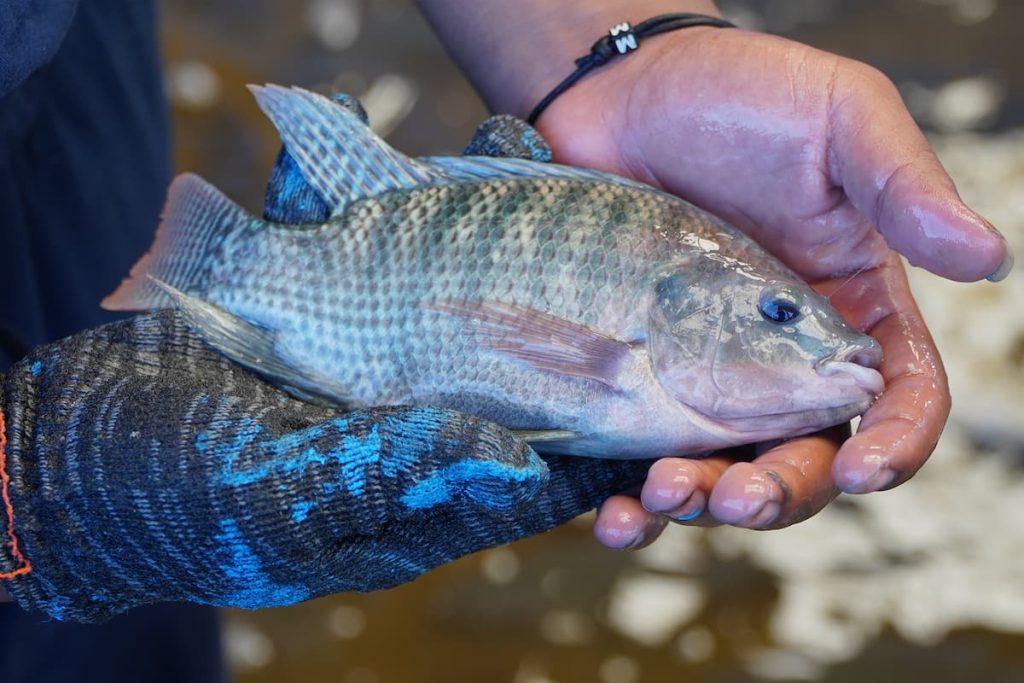
Tilapia is one of the most talked-about fish species in Florida’s aquatic environments, especially when it comes to pond wildlife management. Known for their fast reproduction and adaptability, tilapia can be both a useful tool in some settings and a serious threat in others. So the question remains: is tilapia invasive in Florida?
Whether you’re a private landowner, HOA board member, golf course superintendent, or a property manager, understanding the risks of invasive fish in lakes and ponds is key to maintaining a balanced ecosystem. In this guide, we’ll explain why tilapia are considered invasive, how they impact aquatic systems, and what to consider if you’re thinking about stocking tilapia in your pond.
What Makes Tilapia Invasive in Florida?
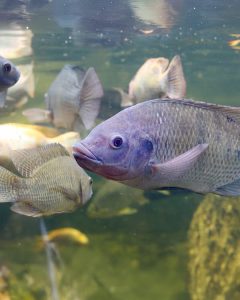
Yes, tilapia are considered invasive in Florida. Originally introduced from Africa and the Middle East for aquaculture purposes, several species of tilapia, including blue tilapia (Oreochromis aureus), now thrive in Florida’s warm freshwater habitats.
Tilapia are highly adaptable. They:
- Survive in low-oxygen water
- Tolerate high salinity and poor water quality
- Reproduce rapidly, sometimes year-round
- Compete with native fish for food and habitat
Their aggressive nesting behavior and appetite for aquatic vegetation allow them to disrupt native ecosystems, making tilapia a genuine concern for pond wildlife management in Florida.
Tilapia in Ponds: Helpful or Harmful?
Many private pond owners wonder whether tilapia in a pond can be beneficial. In some cases, tilapia are stocked intentionally to help control algae and aquatic weeds, as they are known to feed on filamentous algae and detritus.
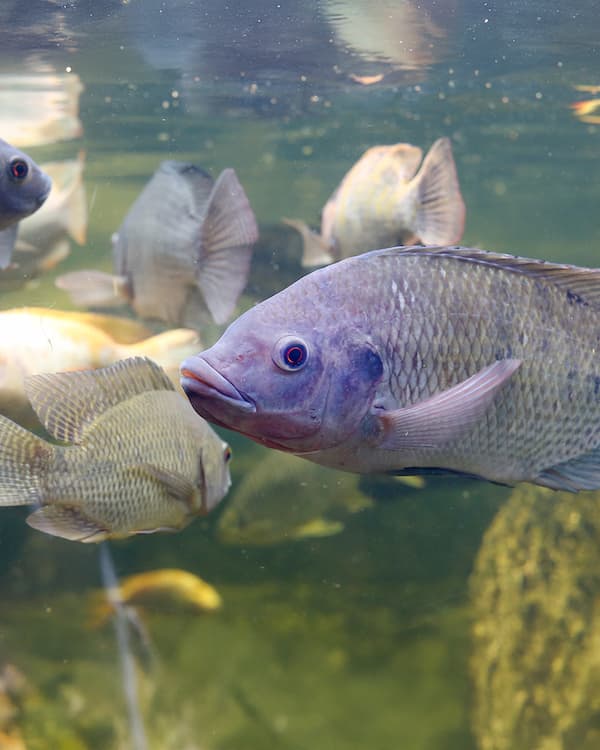
However, the downsides can be significant:
- Overpopulation: Tilapia breed quickly and in large numbers.
- Oxygen depletion: Dense populations can reduce dissolved oxygen, especially in warm months.
- Habitat damage: Their nesting habits disturb sediment and destroy native fish spawning grounds.
- Competition: Native species like bluegill, bass, and sunfish may suffer due to competition for food and territory.
For most pond owners, the risks of invasive fish in lakes like tilapia outweigh the short-term benefits. That’s why professional oversight is critical.
Fishing for Tilapia: Can You Keep Populations in Check?
Fishing for tilapia is legal in Florida and is one method some landowners use to control their numbers. Tilapia can be caught using:
- Cast nets
- Light tackle with bread balls or dough bait
- Bowfishing, which is popular in shallow waters
Knowing how to catch tilapia is one thing, but keeping their population under control is another. Because of their rapid breeding cycle, fishing alone is rarely effective long term. Sustainable pond wildlife management strategies should include a combination of removal, predator fish stocking, and possible habitat alterations.
Stock Your Pond the Right Way
Tilapia might be invasive in Florida, but there are other options that might fit your pond better. Schedule a site visit today!
The Risks of Invasive Fish in Lakes and Ponds
Introducing or allowing invasive fish in ponds can have lasting ecological consequences. These include:
- Biodiversity loss: Native fish populations decline when food sources and habitat are overtaken.
- Poor water quality: Excess tilapia waste can contribute to nutrient overload and algal blooms.
- Unbalanced food chains: Predators either have too much or too little prey, throwing off the entire system.
For communities and golf courses, these changes can impact aesthetics, increase maintenance costs, and harm recreational fishing. That’s why professional intervention is often needed.
Fish Stocking Considerations: Should You Add Tilapia?
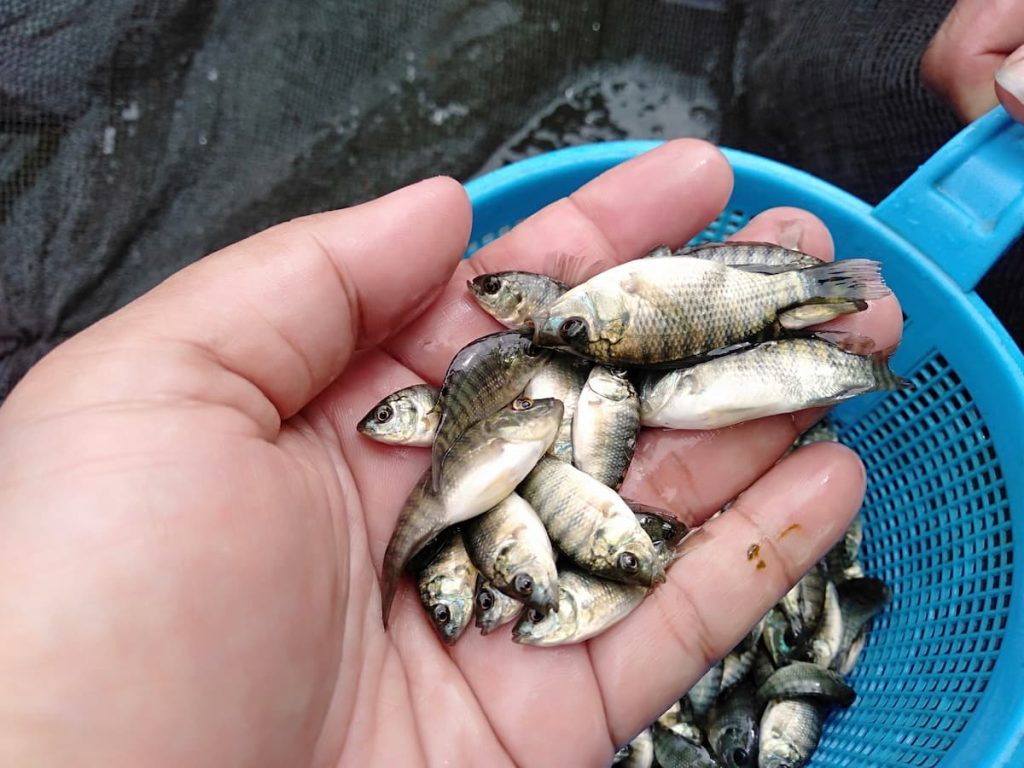
Fish stocking is a vital part of managing any private pond or small lake. In Florida, it’s tempting to consider tilapia for algae control or as a forage fish for bass—but doing so without a comprehensive plan can backfire.
Before introducing tilapia, ask yourself:
- Are native fish struggling to thrive?
- Is vegetation control better managed through mechanical or chemical means?
- Do you have a plan for controlling tilapia numbers?
At Pond Guru, we specialize in strategic fish stocking and offer science-based evaluations to determine if tilapia—or any other species—are appropriate for your aquatic environment.
Schedule a Site Visit with Pond Guru
If you’re unsure whether you’re dealing with an invasive fish problem or considering stocking your pond with tilapia, we’re here to help. Pond Guru’s expert technicians offer site visits to assess water quality, fish populations, and ecological balance.
We provide tailored solutions for:
- Aeration and oxygenation
- Weed and algae management
- Fish stocking with ecological balance in mind
Whether you manage a private pond, a large HOA waterway, or a golf course lake, our team can help ensure your water stays healthy, clear, and beautiful.
Frequently Asked Questions
Yes, tilapia are considered invasive and can disrupt native aquatic ecosystems.
While tilapia can help with algae control, their rapid reproduction and habitat disturbance make them risky without professional oversight.
You can use bread balls on a hook, cast nets, or bowfishing to remove them manually.
Invasive species can reduce oxygen levels, outcompete native fish, and degrade water quality.
Our team offers full-service pond wildlife management, including site assessments, fish population control, and long-term health plans.
Ready to Schedule a Visit ?
Have questions about your pond or lake? Our experts are ready to help you take the next step.
Latest Article
Popular Post
Pond Weed Management | Eco-Friendly Herbicide Solutions
Weed growth is a natural part of any pond, but…
Tilapia is one of the most talked-about fish species in Florida’s aquatic environments, especially when it comes to pond wildlife management. Known for their fast reproduction and adaptability, tilapia can be both a useful tool in some settings and a serious threat in others. So the question remains: is tilapia invasive in Florida?
Whether you’re a private landowner, HOA board member, golf course superintendent, or a property manager, understanding the risks of invasive fish in lakes and ponds is key to maintaining a balanced ecosystem. In this guide, we’ll explain why tilapia are considered invasive, how they impact aquatic systems, and what to consider if you’re thinking about stocking tilapia in your pond.
What Makes Tilapia Invasive in Florida?
Yes, tilapia are considered invasive in Florida. Originally introduced from Africa and the Middle East for aquaculture purposes, several species of tilapia, including blue tilapia (Oreochromis aureus), now thrive in Florida’s warm freshwater habitats.
Tilapia are highly adaptable. They:
- Survive in low-oxygen water
- Tolerate high salinity and poor water quality
- Reproduce rapidly, sometimes year-round
- Compete with native fish for food and habitat
Their aggressive nesting behavior and appetite for aquatic vegetation allow them to disrupt native ecosystems, making tilapia a genuine concern for pond wildlife management in Florida.
Tilapia in Ponds: Helpful or Harmful?
Many private pond owners wonder whether tilapia in a pond can be beneficial. In some cases, tilapia are stocked intentionally to help control algae and aquatic weeds, as they are known to feed on filamentous algae and detritus.
However, the downsides can be significant:
- Overpopulation: Tilapia breed quickly and in large numbers.
- Oxygen depletion: Dense populations can reduce dissolved oxygen, especially in warm months.
- Habitat damage: Their nesting habits disturb sediment and destroy native fish spawning grounds.
- Competition: Native species like bluegill, bass, and sunfish may suffer due to competition for food and territory.
For most pond owners, the risks of invasive fish in lakes like tilapia outweigh the short-term benefits. That’s why professional oversight is critical.
Fishing for Tilapia: Can You Keep Populations in Check?
Fishing for tilapia is legal in Florida and is one method some landowners use to control their numbers. Tilapia can be caught using:
- Cast nets
- Light tackle with bread balls or dough bait
- Bowfishing, which is popular in shallow waters
Knowing how to catch tilapia is one thing, but keeping their population under control is another. Because of their rapid breeding cycle, fishing alone is rarely effective long term. Sustainable pond wildlife management strategies should include a combination of removal, predator fish stocking, and possible habitat alterations.
Stock Your Pond the Right Way
Tilapia might be invasive in Florida, but there are other options that might fit your pond better. Schedule a site visit today!
The Risks of Invasive Fish in Lakes and Ponds
Introducing or allowing invasive fish in ponds can have lasting ecological consequences. These include:
- Biodiversity loss: Native fish populations decline when food sources and habitat are overtaken.
- Poor water quality: Excess tilapia waste can contribute to nutrient overload and algal blooms.
- Unbalanced food chains: Predators either have too much or too little prey, throwing off the entire system.
For communities and golf courses, these changes can impact aesthetics, increase maintenance costs, and harm recreational fishing. That’s why professional intervention is often needed.
Fish Stocking Considerations: Should You Add Tilapia?
Fish stocking is a vital part of managing any private pond or small lake. In Florida, it’s tempting to consider tilapia for algae control or as a forage fish for bass, but doing so without a comprehensive plan can backfire.
Before introducing tilapia, ask yourself:
- Are native fish struggling to thrive?
- Is vegetation control better managed through mechanical or chemical means?
- Do you have a plan for controlling tilapia numbers?
At Pond Guru, we specialize in strategic fish stocking and offer science-based evaluations to determine if tilapia—or any other species—are appropriate for your aquatic environment.
Schedule a Site Visit with Pond Guru
If you’re unsure whether you’re dealing with an invasive fish problem or considering stocking your pond with tilapia, we’re here to help. Pond Guru’s expert technicians offer site visits to assess water quality, fish populations, and ecological balance.
We provide tailored solutions for:
- Aeration and oxygenation
- Weed and algae management
- Fish stocking with ecological balance in mind
Whether you manage a private pond, a large HOA waterway, or a golf course lake, our team can help ensure your water stays healthy, clear, and beautiful.
Frequently Asked Questions
Yes, tilapia are considered invasive and can disrupt native aquatic ecosystems.
While tilapia can help with algae control, their rapid reproduction and habitat disturbance make them risky without professional oversight.
You can use bread balls on a hook, cast nets, or bowfishing to remove them manually.
Invasive species can reduce oxygen levels, outcompete native fish, and degrade water quality.
Our team offers full-service pond wildlife management, including site assessments, fish population control, and long-term health plans.
Ready to Schedule a Visit ?
Have questions about your pond or lake? Our experts are ready to help you take the next step.
Latest Article
Popular Post
Pond Weed Management | Eco-Friendly Herbicide Solutions
Weed growth is a natural part of any pond, but…