
Hydrilla: Aquatic Weed Control for Ponds and Lakes
Hydrilla: Aquatic Weed Control for Ponds and Lakes
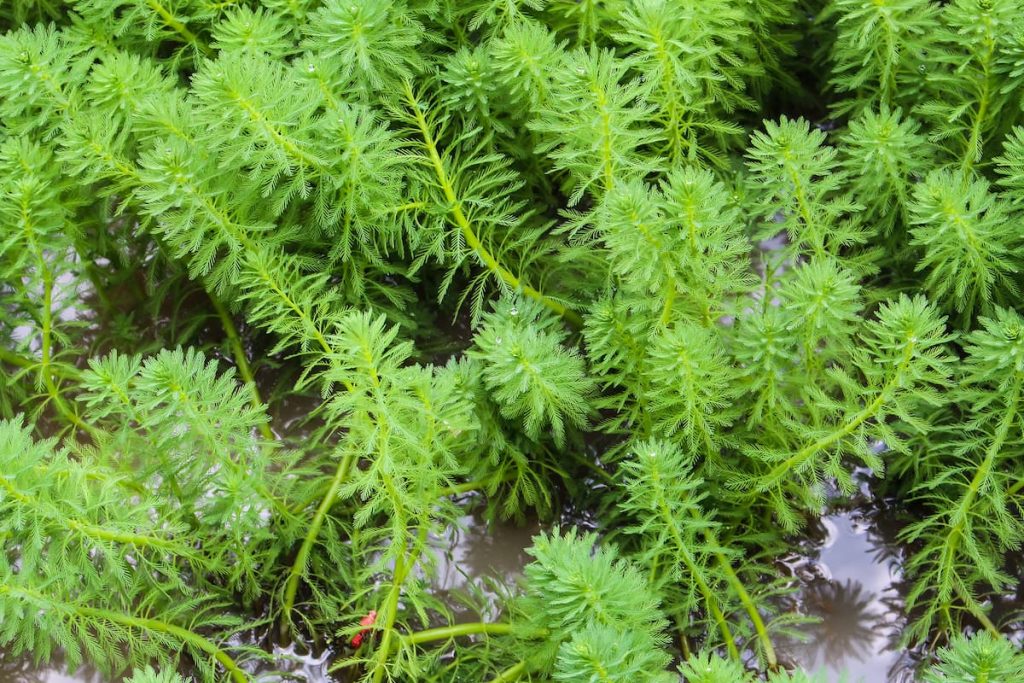
Hydrilla is one of the most aggressive and invasive aquatic weeds found in Florida and throughout much of the southeastern United States. What may begin as a few strands of green can quickly turn into dense mats that choke out native plants, clog waterways, and degrade water quality. If you manage a pond or lake and notice rapid underwater plant growth, there’s a good chance you’re dealing with hydrilla.
In this guide, we’ll explain what hydrilla is, how it spreads, why it’s so hard to control, and what Pond Guru can do to help. Whether you’re a homeowner, HOA board member, or golf course superintendent, understanding how to identify and remove hydrilla verticillata is the first step toward regaining control of your waterbody.
What Is Hydrilla?
Hydrilla, also known as hydrilla verticillata, is a submerged aquatic plant native to Asia. It was first introduced to the United States through the aquarium trade and has since spread aggressively across many freshwater ecosystems.
Its common nickname, water thyme, comes from its physical resemblance to the terrestrial herb. But make no mistake, this is no garden variety plant. Hydrilla grows quickly, forms dense underwater colonies, and crowds out beneficial native vegetation.
Hydrilla Scientific Name and Classification
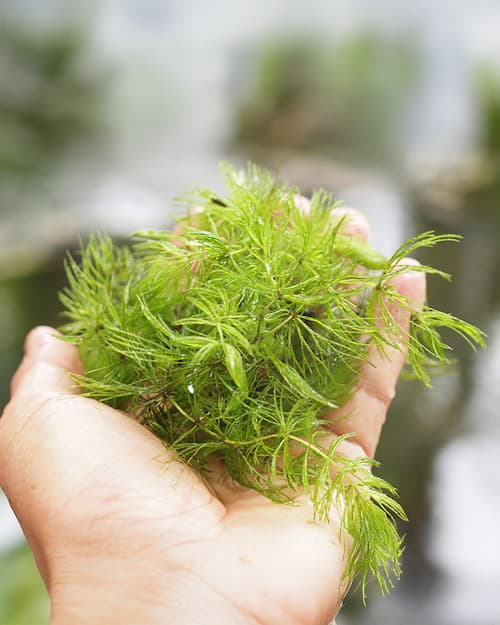
- Common Name: Hydrilla
- Scientific Name: Hydrilla verticillata
- Family: Hydrocharitaceae
- Common Nickname: Water thyme
This classification is important for identifying the plant correctly during inspections or aquatic weed surveys. At Pond Guru, we use this taxonomic detail to distinguish hydrilla from other submerged weeds like coontail or elodea.
Where Did Hydrilla Come From?
So, where did hydrilla come from and how did it end up clogging ponds in Florida and beyond?
Hydrilla is native to Asia, Africa, and parts of Australia. It was first introduced to the United States in the 1950s through the aquarium trade. Discarded aquarium plants found their way into Florida waterways and quickly took root. Since then, the plant has spread through:
- Fragments attached to boats or trailers
- Waterfowl migration
- Stormwater runoff
- Unauthorized pond or lake plantings
Hydrilla in Florida is now considered a Class I invasive species, the highest category, meaning it has severe ecological and economic impacts.
Get Rid of Pond Hydrilla
Contact Pond Guru today to get invasive weeds like hydrilla removed from your pond.
How Hydrilla Grows and Spreads
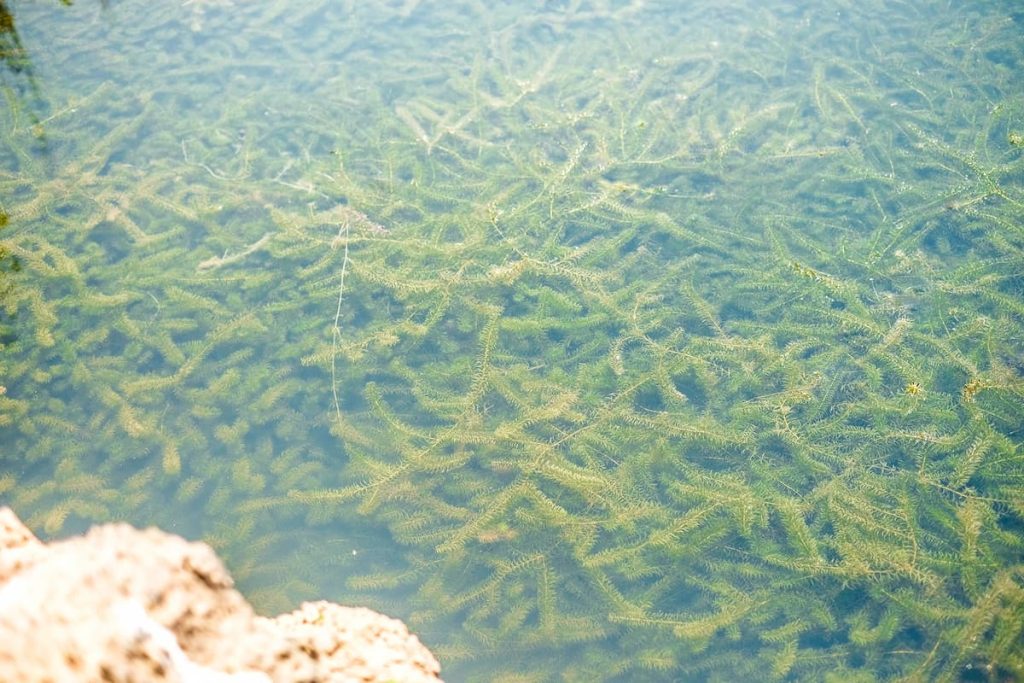
Underwater hydrilla is a master of survival and rapid reproduction. It grows from fragments, tubers, and turions (specialized buds), which means even a small piece of the plant can restart an entire colony.
Hydrilla can grow as much as 1 inch per day, reaching the water’s surface and forming thick mats that block sunlight and lower oxygen levels.
Key traits of hydrilla growth:
- Rapid vertical and horizontal spread
- Forms dense canopies that shade out native plants
- Inhibits recreational activities like boating and fishing
- Contributes to cloudy pond water and stagnant conditions
- Tolerates a wide range of temperatures and water qualities
If left untreated, hydrilla can dominate a pond within a single season, making early identification and treatment critical.
What Eats Hydrilla?
A natural question many pond owners ask is: what eats hydrilla?
There are a few biological controls that feed on hydrilla, including:
- Triploid grass carp (sterile)
- Certain aquatic insects and snails
- A foreign leaf-mining fly used in limited biological control programs
However, biological methods alone are rarely enough to fully remove hydrilla once it has spread. Pond Guru often incorporates grass carp into an integrated plan, but we always start with proper identification and targeted removal strategies.
How to Remove Hydrilla From a Lake or Pond
Controlling hydrilla takes more than a rake or a few manual trimmings. Here’s how to remove hydrilla from lake systems or private ponds using professional strategies:
1. Mechanical Removal
Skimming or cutting hydrilla manually is possible for small patches but can actually make the problem worse if fragments are left behind. For large infestations, Pond Guru uses specialized harvesters or Truxor aquatic machines to remove vegetation safely and thoroughly.
2. Herbicide Application
EPA-approved aquatic herbicides can target hydrilla effectively when used responsibly. Timing, dosage, and water movement must all be considered to minimize damage to fish and other plants.
3. Biological Control
In some cases, triploid grass carp are introduced to gradually reduce hydrilla biomass. These fish are sterile and regulated in many states, including Florida.
4. Long-Term Management
One-time treatment isn’t enough. Pond Guru provides follow-up monitoring, water quality analysis, and seasonal maintenance to ensure hydrilla doesn’t return.
Why Pond Guru Is Your Hydrilla Control Partner
If you’re dealing with hydrilla Florida infestations or suspect submerged weeds are taking over your pond, Pond Guru is your go-to solution. Our team specializes in identifying aquatic weeds, recommending the best control method, and maintaining long-term pond health.
We offer:
- Site visits and vegetation surveys
- Custom hydrilla removal plans
- Mechanical and biological control options
- Regulatory compliance (triploid grass carp permits, EPA-safe applications)
- Year-round support for HOAs, golf courses, and private pond owners
Managing Hydrilla the Right Way
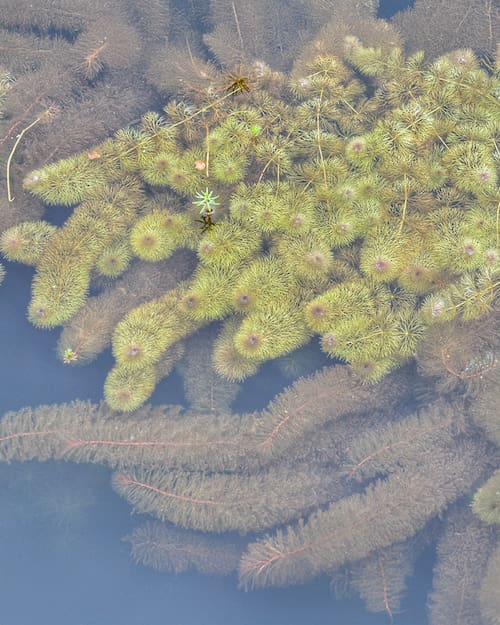
Hydrilla is one of the most invasive aquatic weeds in the U.S., especially in warm climates like Florida. Its rapid growth, resilience, and ability to reproduce from fragments make it a challenging opponent; but not an unbeatable one.
With professional support from Pond Guru, you can reclaim your pond or lake from hydrilla, restore balance to your aquatic ecosystem, and prevent future outbreaks.
Frequently Asked Questions
Hydrilla is an invasive aquatic plant that grows rapidly and chokes out native vegetation. It creates dense mats that lower oxygen and disrupt pond ecosystems.
It spreads through fragments, tubers, and turions. Even a small piece can regrow into a full colony.
Triploid grass carp are commonly used for biological control, along with some insects, but these are typically supplemental strategies.
Effective removal involves mechanical harvesting, herbicide application, and long-term maintenance; all of which Pond Guru can provide.
Yes. Florida is one of the most heavily affected states, and hydrilla is considered a top-tier invasive species in the region.
Ready to Schedule a Visit ?
Have questions about your pond or lake? Our experts are ready to help you take the next step.
Latest Article
Popular Post
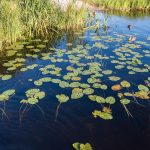
Pond Weed Management | Eco-Friendly Herbicide Solutions
Weed growth is a natural part of any pond, but…
Hydrilla is one of the most aggressive and invasive aquatic weeds found in Florida and throughout much of the southeastern United States. What may begin as a few strands of green can quickly turn into dense mats that choke out native plants, clog waterways, and degrade water quality. If you manage a pond or lake and notice rapid underwater plant growth, there’s a good chance you’re dealing with hydrilla.
In this guide, we’ll explain what hydrilla is, how it spreads, why it’s so hard to control, and what Pond Guru can do to help. Whether you’re a homeowner, HOA board member, or golf course superintendent, understanding how to identify and remove hydrilla verticillata is the first step toward regaining control of your waterbody.
What Is Hydrilla?
Hydrilla, also known as hydrilla verticillata, is a submerged aquatic plant native to Asia. It was first introduced to the United States through the aquarium trade and has since spread aggressively across many freshwater ecosystems.
Its common nickname, water thyme, comes from its physical resemblance to the terrestrial herb. But make no mistake, this is no garden variety plant. Hydrilla grows quickly, forms dense underwater colonies, and crowds out beneficial native vegetation.
Hydrilla Scientific Name and Classification
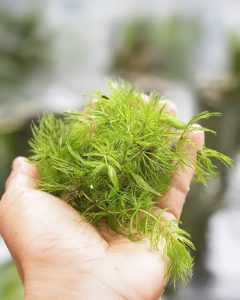
- Common Name: Hydrilla
- Scientific Name: Hydrilla verticillata
- Family: Hydrocharitaceae
- Common Nickname: Water thyme
This classification is important for identifying the plant correctly during inspections or aquatic weed surveys. At Pond Guru, we use this taxonomic detail to distinguish hydrilla from other submerged weeds like coontail or elodea.
Where Did Hydrilla Come From?
So, where did hydrilla come from and how did it end up clogging ponds in Florida and beyond?
Hydrilla is native to Asia, Africa, and parts of Australia. It was first introduced to the United States in the 1950s through the aquarium trade. Discarded aquarium plants found their way into Florida waterways and quickly took root. Since then, the plant has spread through:
- Fragments attached to boats or trailers
- Waterfowl migration
- Stormwater runoff
- Unauthorized pond or lake plantings
Hydrilla in Florida is now considered a Class I invasive species, the highest category, meaning it has severe ecological and economic impacts.
Get Rid of Pond Hydrilla
Contact Pond Guru today to get invasive weeds like hydrilla removed from your pond.
How Hydrilla Grows and Spreads
Underwater hydrilla is a master of survival and rapid reproduction. It grows from fragments, tubers, and turions (specialized buds), which means even a small piece of the plant can restart an entire colony.
Hydrilla can grow as much as 1 inch per day, reaching the water’s surface and forming thick mats that block sunlight and lower oxygen levels.
Key traits of hydrilla growth:
- Rapid vertical and horizontal spread
- Forms dense canopies that shade out native plants
- Inhibits recreational activities like boating and fishing
- Contributes to cloudy pond water and stagnant conditions
- Tolerates a wide range of temperatures and water qualities
If left untreated, hydrilla can dominate a pond within a single season, making early identification and treatment critical.
What Eats Hydrilla?
A natural question many pond owners ask is: what eats hydrilla?
There are a few biological controls that feed on hydrilla, including:
- Triploid grass carp (sterile)
- Certain aquatic insects and snails
- A foreign leaf-mining fly used in limited biological control programs
However, biological methods alone are rarely enough to fully remove hydrilla once it has spread. Pond Guru often incorporates grass carp into an integrated plan, but we always start with proper identification and targeted removal strategies.
How to Remove Hydrilla From a Lake or Pond
Controlling hydrilla takes more than a rake or a few manual trimmings. Here’s how to remove hydrilla from lake systems or private ponds using professional strategies:
1. Mechanical Removal
Skimming or cutting hydrilla manually is possible for small patches but can actually make the problem worse if fragments are left behind. For large infestations, Pond Guru uses specialized harvesters or Truxor aquatic machines to remove vegetation safely and thoroughly.
2. Herbicide Application
EPA-approved aquatic herbicides can target hydrilla effectively when used responsibly. Timing, dosage, and water movement must all be considered to minimize damage to fish and other plants.
3. Biological Control
In some cases, triploid grass carp are introduced to gradually reduce hydrilla biomass. These fish are sterile and regulated in many states, including Florida.
4. Long-Term Management
One-time treatment isn’t enough. Pond Guru provides follow-up monitoring, water quality analysis, and seasonal maintenance to ensure hydrilla doesn’t return.
Why Pond Guru Is Your Hydrilla Control Partner
If you’re dealing with hydrilla Florida infestations or suspect submerged weeds are taking over your pond, Pond Guru is your go-to solution. Our team specializes in identifying aquatic weeds, recommending the best control method, and maintaining long-term pond health.
We offer:
- Site visits and vegetation surveys
- Custom hydrilla removal plans
- Mechanical and biological control options
- Regulatory compliance (triploid grass carp permits, EPA-safe applications)
- Year-round support for HOAs, golf courses, and private pond owners
Managing Hydrilla the Right Way
Hydrilla is one of the most invasive aquatic weeds in the U.S., especially in warm climates like Florida. Its rapid growth, resilience, and ability to reproduce from fragments make it a challenging opponent; but not an unbeatable one.
With professional support from Pond Guru, you can reclaim your pond or lake from hydrilla, restore balance to your aquatic ecosystem, and prevent future outbreaks.
Frequently Asked Questions
Hydrilla is an invasive aquatic plant that grows rapidly and chokes out native vegetation. It creates dense mats that lower oxygen and disrupt pond ecosystems.
It spreads through fragments, tubers, and turions. Even a small piece can regrow into a full colony.
Triploid grass carp are commonly used for biological control, along with some insects, but these are typically supplemental strategies.
Effective removal involves mechanical harvesting, herbicide application, and long-term maintenance; all of which Pond Guru can provide.
Yes. Florida is one of the most heavily affected states, and hydrilla is considered a top-tier invasive species in the region.
Ready to Schedule a Visit ?
Have questions about your pond or lake? Our experts are ready to help you take the next step.
Latest Article
Popular Post
Pond Weed Management | Eco-Friendly Herbicide Solutions
Weed growth is a natural part of any pond, but…