

HOA Lake Water Quality Testing: What Every Board Should Measure
HOA Lake Water Quality Testing: What Every Board Should Measure
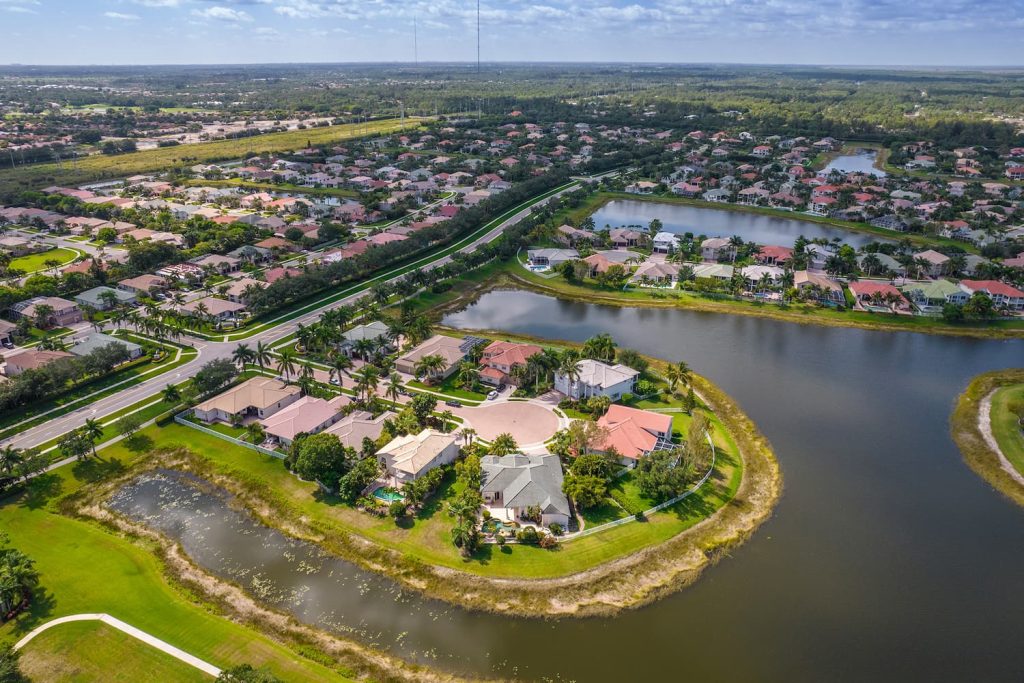
Table of Contents
For most HOA communities, the lake or pond is the centerpiece amenity and a piece of permitted infrastructure at the same time. What you cannot see below the surface, the oxygen levels, the nutrient load, the clarity, determines whether that water stays clear and healthy or turns green, smelly, and expensive to fix.
This guide explains what HOA lake water quality testing measures, why each parameter matters, what causes water quality to decline, and how regular testing helps boards protect both the ecosystem and the community’s investment.
HOA lake water quality testing is the routine measurement of a pond’s key physical, chemical, and biological indicators, including dissolved oxygen, pH, nutrients, and clarity. It helps boards detect problems early, identify the causes of algae and fish kills, guide treatment decisions, and support permit compliance before small issues become costly ones.
Key Takeaways
- Testing reveals problems before they are visible. Most water quality decline begins below the surface, well before a bloom appears.
- The core parameters include dissolved oxygen, pH, nutrients (phosphorus and nitrogen), clarity (turbidity and Secchi depth), alkalinity, conductivity, and chlorophyll-a.
- Nutrients drive most problems. Excess phosphorus and nitrogen from runoff fuel algae blooms and eutrophication.
- Dissolved oxygen is the most critical factor for fish, and low oxygen is the leading cause of fish kills.
- Routine, often quarterly, testing gives boards the data to act early, budget wisely, and document compliance.
What Is HOA Lake Water Quality Testing and Why Does It Matter?
HOA lake water quality testing is the systematic measurement of a community pond’s chemical, physical, and biological condition. It matters because it converts an invisible, below-the-surface ecosystem into clear data. With that data, boards can catch declining conditions early, understand what is causing algae or odor problems, and make informed, cost-effective management decisions.
The value of lake water test data is that it replaces guesswork with evidence. A lake can look fine one week and turn green the next, but the chemistry usually shifts before the symptoms show.
Water quality problems are common and costly. As New Mexico State University Extension notes, poor water quality can lead to excessive algal blooms, overgrowth of plants, noxious smells, or dead and dying fish, and preventing these problems requires an understanding of basic water chemistry and physical parameters.
For an HOA board, that understanding has direct financial stakes. Catching a nutrient problem early through routine pond water testing is far cheaper than responding to a full-blown bloom, a fish kill, and the resident complaints that follow.
What Water Quality Parameters Should an HOA Lake Test Measure?
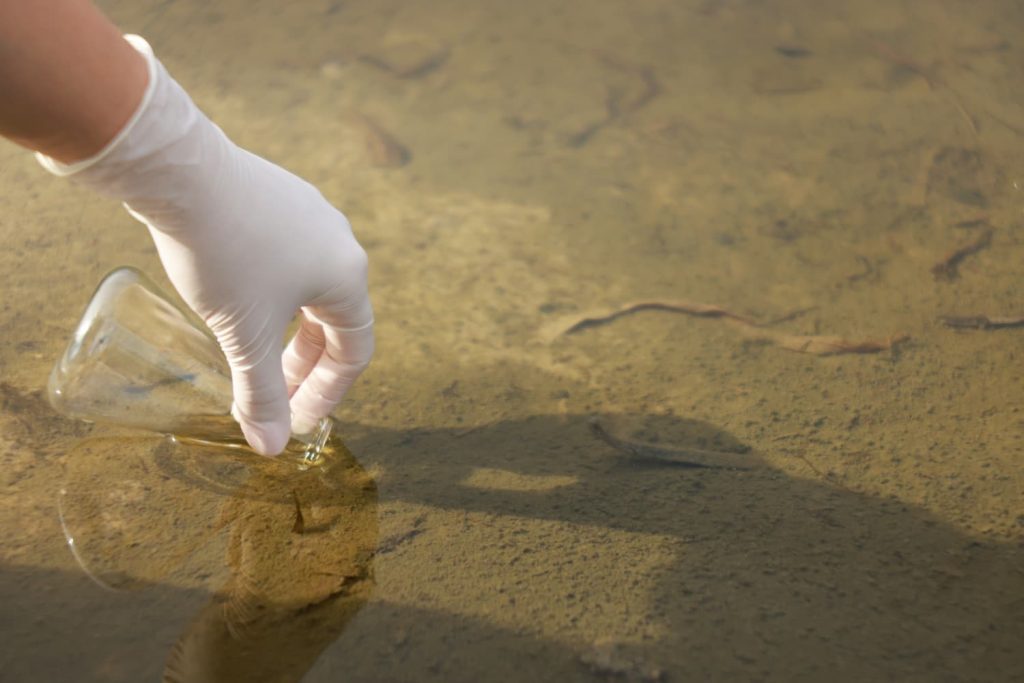
An HOA lake test should measure dissolved oxygen, pH, nutrients (phosphorus and nitrogen), turbidity and Secchi depth for clarity, alkalinity, conductivity, and chlorophyll-a. Together these water quality parameters describe the lake’s ability to support life, its nutrient load, its clarity, and its algae levels, giving a complete picture of pond health.
A useful lake water test covers several categories of water quality parameters at once, because no single number tells the whole story. Here is the core panel and what each reveals.
- Dissolved oxygen: The amount of oxygen available to fish and aquatic life.
- pH: How acidic or basic the water is.
- Phosphorus and nitrogen: The nutrients that fuel algae and plant growth.
- Turbidity and Secchi depth: Water clarity and suspended particles.
- Alkalinity: The water’s ability to resist pH swings.
- Conductivity: Dissolved salts and minerals in the water.
- Chlorophyll-a: A direct indicator of how much algae is present.
Each is explained in detail below. A professional pond water testing program typically combines on-site field measurements with laboratory analysis for the parameters that require it.
Why Is Dissolved Oxygen the Most Important Parameter?
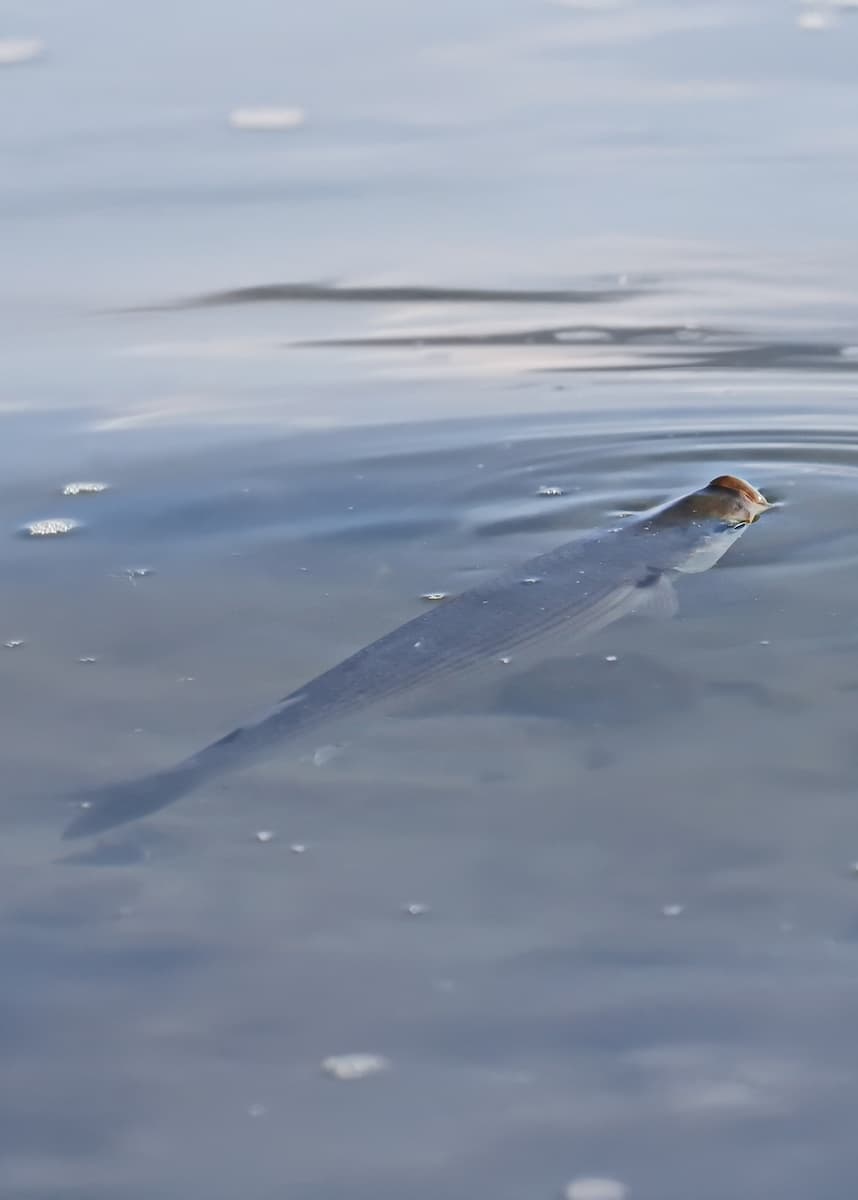
Dissolved oxygen is the most important water quality parameter because fish and aquatic organisms cannot survive without it. Most healthy ponds aim for at least 6 mg/L. When dissolved oxygen falls below about 4 mg/L organisms begin to suffer, and below 2 mg/L conditions become hypoxic and potentially fatal. Low oxygen is the leading cause of fish kills.
Among all parameters, dissolved oxygen is the one that most directly determines whether a lake can support life. New Mexico State University Extension calls it probably the single most important water quality factor for pond owners.
The thresholds are well established. The Great Pond Foundation identifies a management goal of 6 mg/L for a healthy pond, notes that organisms begin to suffer below 4 mg/L, and warns that water becomes hypoxic below 2 mg/L, where oxygen deficiencies can be fatal.
Oxygen also fluctuates more than people expect. Penn State Extension explains that a lack of dissolved oxygen is the most common cause of fish kills, often occurring when algae die off in summer and the bacteria decomposing them consume the remaining oxygen. Warmer water also holds less oxygen, which is why hot, still summer nights are the highest-risk period.
What Do pH and Alkalinity Reveal About a Lake?
pH measures how acidic or basic the water is, and alkalinity measures the water’s capacity to resist pH changes. For most fish, a pH between 6 and 9 supports healthy growth, while values below 4.5 or above 10 can be deadly. Alkalinity acts as a buffer that keeps pH stable, protecting fish from dangerous daily swings.
Together, pH and alkalinity describe both the current acidity of the water and how stable that acidity is likely to stay.
According to New Mexico State University Extension, the optimum pH for fish growth and health is between 6 and 9, with reduced growth outside that range and mortalities when pH falls below 4.5 or rises above 10. Algae blooms can push pH up sharply during the day through photosynthesis, then let it fall at night.
This is where alkalinity earns its importance. Water with adequate alkalinity buffers against those daily pH swings, keeping conditions stable. Low-alkalinity water is more volatile and also influences how aquatic treatments behave, which is why both numbers belong on a complete test panel.
Know Whats In Your Lake's Water
Whether you’re using your lake’s water for irrigation, fishing, or swimming, you should know what’s in your water.
How Do Phosphorus and Nitrogen Affect HOA Lakes?
Phosphorus and nitrogen are the nutrients that drive most HOA lake problems. When they accumulate from runoff, they fuel a process called eutrophication, producing excessive algae and plant growth. Phosphorus is usually the key nutrient controlling freshwater algae blooms, so monitoring and limiting it is central to keeping a community lake healthy.
The role of phosphorus and nitrogen is the single most important thing for a board to understand, because these two nutrients are behind the majority of algae and weed complaints.
Research is clear on the priority. A review in Environmental Science & Technology found that controlling algal blooms and other symptoms of eutrophication in freshwater lakes depends on reducing inputs of a single nutrient: phosphorus. When phosphorus is reduced, chlorophyll (and algae) decline in proportion.
The amounts involved are small but powerful. Penn State Extension notes that even trace levels of nutrients readily feed aquatic plants and algae, and that long-term control is best accomplished by reducing nutrient sources rather than repeatedly treating the symptoms.
Monitoring these nutrients tells a board not just whether a problem exists, but how big the fuel supply for the next bloom really is.
What Causes Water Quality Problems in HOA Lakes?
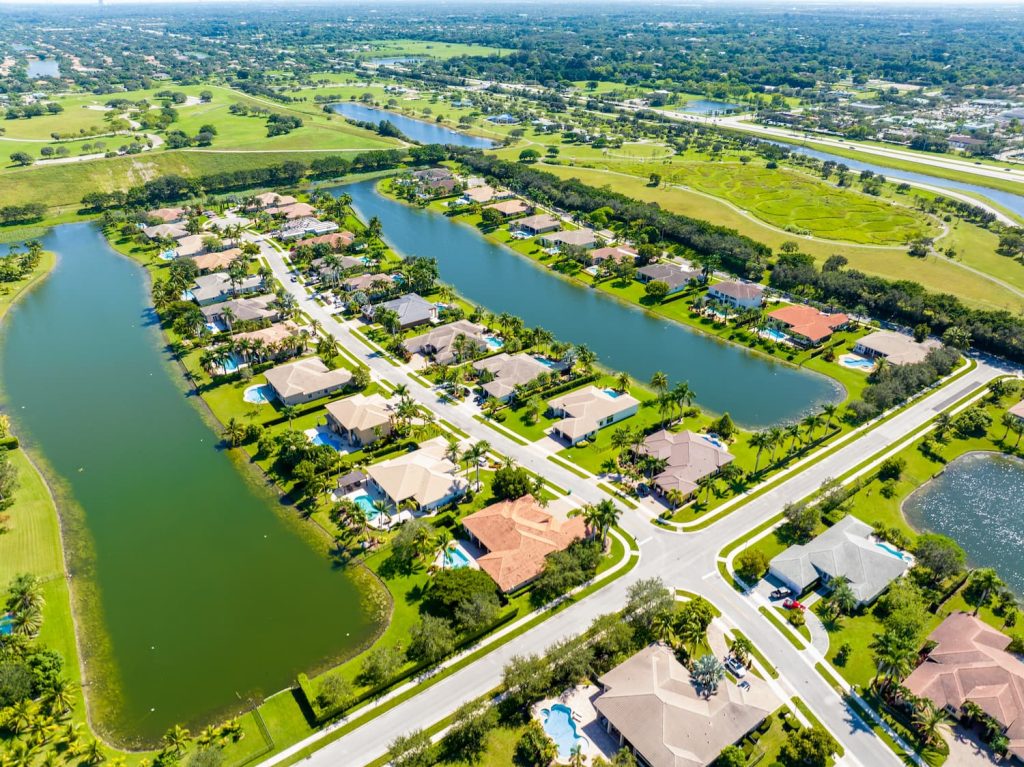
Most HOA lake water quality problems come from excess nutrients entering the water through stormwater runoff. Fertilizer from lawns, grass clippings, pet waste, eroding shorelines, and failing septic systems all add phosphorus and nitrogen. These nutrients accumulate in the pond, fueling algae blooms, low oxygen, and declining clarity over time.
Understanding the causes is what makes testing actionable. The dominant source in most communities is nutrient runoff from the surrounding landscape.
The scale can be striking. In a Florida total maximum daily load analysis for Lake Jesup, the St. Johns River Water Management District and Florida DEP found that surface runoff accounted for roughly 42 percent of total nitrogen and 48 percent of total phosphorus entering the lake, with targets requiring loading reductions of about half. Runoff is not a minor contributor; it is frequently the main one.
Common nutrient and pollutant sources around HOA lakes include:
- Lawn and landscape fertilizer washing in after rain or irrigation
- Grass clippings and leaf litter blown or swept toward the water
- Pet waste along shorelines and common areas
- Shoreline erosion delivering sediment and bound phosphorus
- Failing or aging septic systems in older communities
Because so much of the problem arrives with runoff, managing the landscape and shoreline is as important as treating the water itself.
How Do Turbidity, Secchi Depth, and Clarity Get Measured?
Water clarity is measured through turbidity and Secchi depth. Turbidity gauges how many suspended particles cloud the water, reported in nephelometric turbidity units. Secchi depth uses a black-and-white disk lowered until it disappears from view, measuring how deep light penetrates. Together they indicate clarity, suspended solids, and algae levels.
Clarity is one of the most visible signs of lake health, and turbidity and Secchi depth are the two standard ways to quantify it.
The U.S. Environmental Protection Agency explains that turbidity is reported in nephelometric turbidity units or as Secchi depth in meters, and recommends collecting it alongside related parameters like temperature, dissolved oxygen, conductivity, and pH.
The Secchi disk method is refreshingly simple. As Clemson University Extension describes, a Secchi disk is an alternating black-and-white object lowered into the water until it is no longer visible, giving an estimate of clarity and suspended solids. Cloudy water can come from algae, suspended sediment, or runoff, and tracking clarity over time helps reveal which.
What Do Conductivity and Chlorophyll-a Tell You?
Conductivity measures the dissolved salts and minerals in water, serving as an indicator of overall mineral content and potential pollution inputs. Chlorophyll-a measures the green pigment in algae, providing a direct estimate of algae abundance. Rising chlorophyll-a signals a developing bloom, making it a valuable early warning indicator.
Two more parameters round out a thorough panel: conductivity and chlorophyll-a.
Conductivity reflects the concentration of dissolved ions in the water. Sudden changes can flag a new input, such as a runoff event or a pollutant source, making it a useful general indicator of what is entering the lake.
Chlorophyll-a is the more direct algae measurement. As the Missouri Department of Natural Resources explains, chlorophyll-a is a photosynthetic pigment, and measuring it is a fairly accurate way to gauge how much algae growth is occurring. Some states set numeric chlorophyll-a standards for lakes specifically to protect against eutrophication. For a board, a rising chlorophyll-a trend is an early warning that a bloom may be building before it is visible at the surface.
How Often Should an HOA Test Its Lake Water?
Most HOA lakes benefit from water quality testing at least quarterly, with more frequent monitoring during warm months when algae and oxygen problems peak. Quarterly testing captures seasonal changes, establishes baseline trends, and catches developing issues early. High-use lakes or those with a history of problems may need monthly testing during summer.
The right testing frequency balances cost against early detection. For most communities, quarterly water testing is a practical baseline that captures the lake through each season.
Trends matter more than any single reading. One test is a snapshot; a series of tests reveals direction, whether nutrients are climbing, oxygen is dipping, or clarity is fading. That trend data is what lets a board act before a problem peaks rather than after.
Summer deserves extra attention. Because warm water holds less oxygen and accelerates algae growth, the risk of blooms and fish kills concentrates in the hottest months. Many communities increase monitoring during that window. A consistent program of lake management services folds this testing schedule into routine care so nothing slips through the cracks.
How Does Pond Guru Test and Treat HOA Lakes?
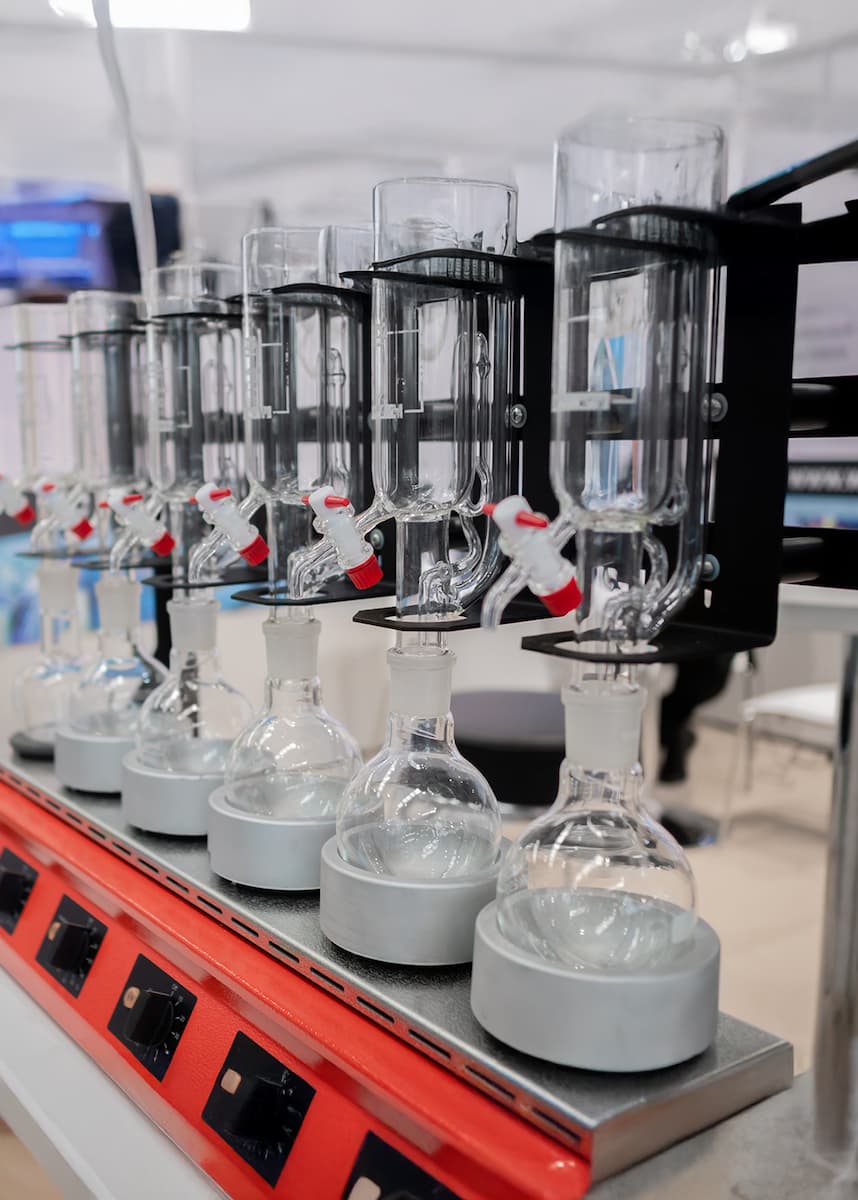
Pond Guru evaluates HOA lakes through combined field and laboratory testing, measuring the full range of water quality parameters on site and in the lab. The results guide a tailored management plan that may include nutrient management, aeration, algae and weed control, and shoreline care, addressing the underlying causes rather than just the visible symptoms.
Effective management connects testing to treatment, and that is the core of how Pond Guru approaches a community lake.
The process starts with measurement. On-site field testing captures parameters like dissolved oxygen, pH, temperature, conductivity, and clarity in real time, while laboratory analysis handles nutrients and chlorophyll-a that require more precise methods. Together they build a complete profile of the lake.
From there, the data drives the plan. Depending on what the testing reveals, a program might combine nutrient management, aeration to support oxygen levels, targeted algae and aquatic weed control, and shoreline measures to reduce incoming runoff. Pond Guru’s lake management services and dedicated pond water testing are built to treat the cause, not just chase the symptom.
Schedule HOA Lake Water Quality Testing With Pond Guru
Reliable data is the foundation of every good lake management decision. Without it, treatments are guesswork and problems are caught late. With it, a board can protect water quality, plan budgets, and document the care it is providing to the community.
Pond Guru works with HOA boards, property managers, and homeowners across Florida to provide in-depth field and laboratory water quality testing and the management programs that follow from the results.
To get an accurate picture of your community’s water, schedule an appointment with Pond Guru for field and laboratory water quality testing. A specialist will assess your lake, interpret the results, and recommend a plan suited to your property’s conditions and goals.
Frequently Asked Questions
It measures a pond's key indicators of health, including dissolved oxygen, pH, alkalinity, nutrients like phosphorus and nitrogen, clarity through turbidity and Secchi depth, conductivity, and chlorophyll-a. Together these parameters reveal whether the lake can support life, how much nutrient load it carries, and whether algae problems are developing.
Dissolved oxygen is essential for fish and aquatic life. Healthy ponds generally aim for at least 6 mg/L. Below about 4 mg/L organisms begin to suffer, and below 2 mg/L conditions become hypoxic and can be fatal. Low dissolved oxygen is the most common cause of fish kills in ponds.
Algae blooms are driven by excess nutrients, mainly phosphorus and nitrogen, entering the lake. These usually arrive through stormwater runoff carrying lawn fertilizer, grass clippings, pet waste, and eroded sediment. Warm temperatures and sunlight accelerate the growth, turning a nutrient-rich pond green.
Most HOA lakes benefit from at least quarterly testing, with more frequent monitoring in warm months when algae and low-oxygen risks peak. Quarterly testing establishes seasonal baselines and trends, while lakes with a history of problems may need monthly summer testing to catch issues early.
Basic test kits exist for parameters like pH and dissolved oxygen, and they offer a rough snapshot. However, accurate nutrient and chlorophyll-a analysis usually requires laboratory methods, and interpreting results across parameters takes expertise. Professional field and laboratory testing provides the reliability boards need for decisions and documentation.
Testing catches developing problems early, when they are cheaper to address. Correcting a rising nutrient trend costs far less than responding to a major algae bloom, a fish kill, and resident complaints. Regular data also guides efficient treatment and supports permit compliance, avoiding reactive emergency spending.
Ready to Schedule a Visit ?
Have questions about your pond or lake? Our experts are ready to help you take the next step.
Latest Article
Popular Post

The Secchi Disk: Measuring Water Clarity
Table of Contents For a tool that is essentially…
Table of Contents
For most HOA communities, the lake or pond is the centerpiece amenity and a piece of permitted infrastructure at the same time. What you cannot see below the surface, the oxygen levels, the nutrient load, the clarity, determines whether that water stays clear and healthy or turns green, smelly, and expensive to fix.
This guide explains what HOA lake water quality testing measures, why each parameter matters, what causes water quality to decline, and how regular testing helps boards protect both the ecosystem and the community’s investment.
HOA lake water quality testing is the routine measurement of a pond’s key physical, chemical, and biological indicators, including dissolved oxygen, pH, nutrients, and clarity. It helps boards detect problems early, identify the causes of algae and fish kills, guide treatment decisions, and support permit compliance before small issues become costly ones.
Key Takeaways
- Testing reveals problems before they are visible. Most water quality decline begins below the surface, well before a bloom appears.
- The core parameters include dissolved oxygen, pH, nutrients (phosphorus and nitrogen), clarity (turbidity and Secchi depth), alkalinity, conductivity, and chlorophyll-a.
- Nutrients drive most problems. Excess phosphorus and nitrogen from runoff fuel algae blooms and eutrophication.
- Dissolved oxygen is the most critical factor for fish, and low oxygen is the leading cause of fish kills.
- Routine, often quarterly, testing gives boards the data to act early, budget wisely, and document compliance.
What Is HOA Lake Water Quality Testing and Why Does It Matter?
HOA lake water quality testing is the systematic measurement of a community pond’s chemical, physical, and biological condition. It matters because it converts an invisible, below-the-surface ecosystem into clear data. With that data, boards can catch declining conditions early, understand what is causing algae or odor problems, and make informed, cost-effective management decisions.
The value of lake water test data is that it replaces guesswork with evidence. A lake can look fine one week and turn green the next, but the chemistry usually shifts before the symptoms show.
Water quality problems are common and costly. As New Mexico State University Extension notes, poor water quality can lead to excessive algal blooms, overgrowth of plants, noxious smells, or dead and dying fish, and preventing these problems requires an understanding of basic water chemistry and physical parameters.
For an HOA board, that understanding has direct financial stakes. Catching a nutrient problem early through routine pond water testing is far cheaper than responding to a full-blown bloom, a fish kill, and the resident complaints that follow.
What Water Quality Parameters Should an HOA Lake Test Measure?
An HOA lake test should measure dissolved oxygen, pH, nutrients (phosphorus and nitrogen), turbidity and Secchi depth for clarity, alkalinity, conductivity, and chlorophyll-a. Together these water quality parameters describe the lake’s ability to support life, its nutrient load, its clarity, and its algae levels, giving a complete picture of pond health.
A useful lake water test covers several categories of water quality parameters at once, because no single number tells the whole story. Here is the core panel and what each reveals.
- Dissolved oxygen: The amount of oxygen available to fish and aquatic life.
- pH: How acidic or basic the water is.
- Phosphorus and nitrogen: The nutrients that fuel algae and plant growth.
- Turbidity and Secchi depth: Water clarity and suspended particles.
- Alkalinity: The water’s ability to resist pH swings.
- Conductivity: Dissolved salts and minerals in the water.
- Chlorophyll-a: A direct indicator of how much algae is present.
Each is explained in detail below. A professional pond water testing program typically combines on-site field measurements with laboratory analysis for the parameters that require it.
Why Is Dissolved Oxygen the Most Important Parameter?
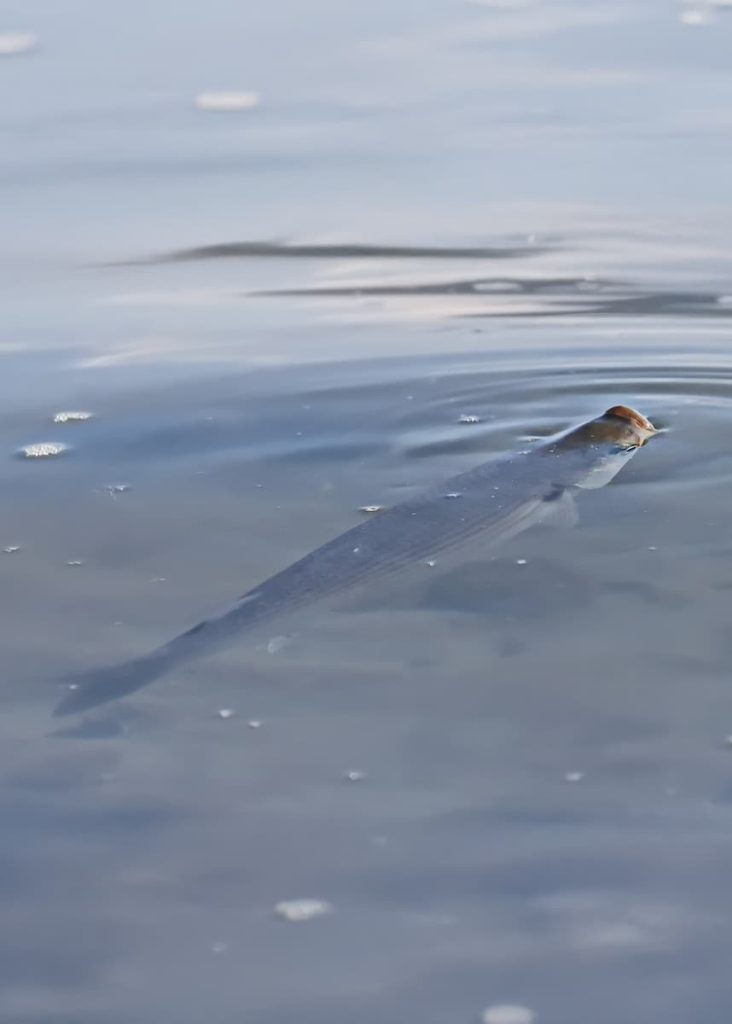
Dissolved oxygen is the most important water quality parameter because fish and aquatic organisms cannot survive without it. Most healthy ponds aim for at least 6 mg/L. When dissolved oxygen falls below about 4 mg/L organisms begin to suffer, and below 2 mg/L conditions become hypoxic and potentially fatal. Low oxygen is the leading cause of fish kills.
Among all parameters, dissolved oxygen is the one that most directly determines whether a lake can support life. New Mexico State University Extension calls it probably the single most important water quality factor for pond owners.
The thresholds are well established. The Great Pond Foundation identifies a management goal of 6 mg/L for a healthy pond, notes that organisms begin to suffer below 4 mg/L, and warns that water becomes hypoxic below 2 mg/L, where oxygen deficiencies can be fatal.
Oxygen also fluctuates more than people expect. Penn State Extension explains that a lack of dissolved oxygen is the most common cause of fish kills, often occurring when algae die off in summer and the bacteria decomposing them consume the remaining oxygen. Warmer water also holds less oxygen, which is why hot, still summer nights are the highest-risk period.
What Do pH and Alkalinity Reveal About a Lake?
pH measures how acidic or basic the water is, and alkalinity measures the water’s capacity to resist pH changes. For most fish, a pH between 6 and 9 supports healthy growth, while values below 4.5 or above 10 can be deadly. Alkalinity acts as a buffer that keeps pH stable, protecting fish from dangerous daily swings.
Together, pH and alkalinity describe both the current acidity of the water and how stable that acidity is likely to stay.
According to New Mexico State University Extension, the optimum pH for fish growth and health is between 6 and 9, with reduced growth outside that range and mortalities when pH falls below 4.5 or rises above 10. Algae blooms can push pH up sharply during the day through photosynthesis, then let it fall at night.
This is where alkalinity earns its importance. Water with adequate alkalinity buffers against those daily pH swings, keeping conditions stable. Low-alkalinity water is more volatile and also influences how aquatic treatments behave, which is why both numbers belong on a complete test panel.
Know Whats In Your Lake's Water
Whether you’re using your lake’s water for irrigation, fishing, or swimming, you should know what’s in your water.
How Do Phosphorus and Nitrogen Affect HOA Lakes?
Phosphorus and nitrogen are the nutrients that drive most HOA lake problems. When they accumulate from runoff, they fuel a process called eutrophication, producing excessive algae and plant growth. Phosphorus is usually the key nutrient controlling freshwater algae blooms, so monitoring and limiting it is central to keeping a community lake healthy.
The role of phosphorus and nitrogen is the single most important thing for a board to understand, because these two nutrients are behind the majority of algae and weed complaints.
Research is clear on the priority. A review in Environmental Science & Technology found that controlling algal blooms and other symptoms of eutrophication in freshwater lakes depends on reducing inputs of a single nutrient: phosphorus. When phosphorus is reduced, chlorophyll (and algae) decline in proportion.
The amounts involved are small but powerful. Penn State Extension notes that even trace levels of nutrients readily feed aquatic plants and algae, and that long-term control is best accomplished by reducing nutrient sources rather than repeatedly treating the symptoms.
Monitoring these nutrients tells a board not just whether a problem exists, but how big the fuel supply for the next bloom really is.
What Causes Water Quality Problems in HOA Lakes?
Most HOA lake water quality problems come from excess nutrients entering the water through stormwater runoff. Fertilizer from lawns, grass clippings, pet waste, eroding shorelines, and failing septic systems all add phosphorus and nitrogen. These nutrients accumulate in the pond, fueling algae blooms, low oxygen, and declining clarity over time.
Understanding the causes is what makes testing actionable. The dominant source in most communities is nutrient runoff from the surrounding landscape.
The scale can be striking. In a Florida total maximum daily load analysis for Lake Jesup, the St. Johns River Water Management District and Florida DEP found that surface runoff accounted for roughly 42 percent of total nitrogen and 48 percent of total phosphorus entering the lake, with targets requiring loading reductions of about half. Runoff is not a minor contributor; it is frequently the main one.
Common nutrient and pollutant sources around HOA lakes include:
- Lawn and landscape fertilizer washing in after rain or irrigation
- Grass clippings and leaf litter blown or swept toward the water
- Pet waste along shorelines and common areas
- Shoreline erosion delivering sediment and bound phosphorus
- Failing or aging septic systems in older communities
Because so much of the problem arrives with runoff, managing the landscape and shoreline is as important as treating the water itself.
How Do Turbidity, Secchi Depth, and Clarity Get Measured?
Water clarity is measured through turbidity and Secchi depth. Turbidity gauges how many suspended particles cloud the water, reported in nephelometric turbidity units. Secchi depth uses a black-and-white disk lowered until it disappears from view, measuring how deep light penetrates. Together they indicate clarity, suspended solids, and algae levels.
Clarity is one of the most visible signs of lake health, and turbidity and Secchi depth are the two standard ways to quantify it.
The U.S. Environmental Protection Agency explains that turbidity is reported in nephelometric turbidity units or as Secchi depth in meters, and recommends collecting it alongside related parameters like temperature, dissolved oxygen, conductivity, and pH.
The Secchi disk method is refreshingly simple. As Clemson University Extension describes, a Secchi disk is an alternating black-and-white object lowered into the water until it is no longer visible, giving an estimate of clarity and suspended solids. Cloudy water can come from algae, suspended sediment, or runoff, and tracking clarity over time helps reveal which.
What Do Conductivity and Chlorophyll-a Tell You?
Conductivity measures the dissolved salts and minerals in water, serving as an indicator of overall mineral content and potential pollution inputs. Chlorophyll-a measures the green pigment in algae, providing a direct estimate of algae abundance. Rising chlorophyll-a signals a developing bloom, making it a valuable early warning indicator.
Two more parameters round out a thorough panel: conductivity and chlorophyll-a.
Conductivity reflects the concentration of dissolved ions in the water. Sudden changes can flag a new input, such as a runoff event or a pollutant source, making it a useful general indicator of what is entering the lake.
Chlorophyll-a is the more direct algae measurement. As the Missouri Department of Natural Resources explains, chlorophyll-a is a photosynthetic pigment, and measuring it is a fairly accurate way to gauge how much algae growth is occurring. Some states set numeric chlorophyll-a standards for lakes specifically to protect against eutrophication. For a board, a rising chlorophyll-a trend is an early warning that a bloom may be building before it is visible at the surface.
How Often Should an HOA Test Its Lake Water?
Most HOA lakes benefit from water quality testing at least quarterly, with more frequent monitoring during warm months when algae and oxygen problems peak. Quarterly testing captures seasonal changes, establishes baseline trends, and catches developing issues early. High-use lakes or those with a history of problems may need monthly testing during summer.
The right testing frequency balances cost against early detection. For most communities, quarterly water testing is a practical baseline that captures the lake through each season.
Trends matter more than any single reading. One test is a snapshot; a series of tests reveals direction, whether nutrients are climbing, oxygen is dipping, or clarity is fading. That trend data is what lets a board act before a problem peaks rather than after.
Summer deserves extra attention. Because warm water holds less oxygen and accelerates algae growth, the risk of blooms and fish kills concentrates in the hottest months. Many communities increase monitoring during that window. A consistent program of lake management services folds this testing schedule into routine care so nothing slips through the cracks.
How Does Pond Guru Test and Treat HOA Lakes?
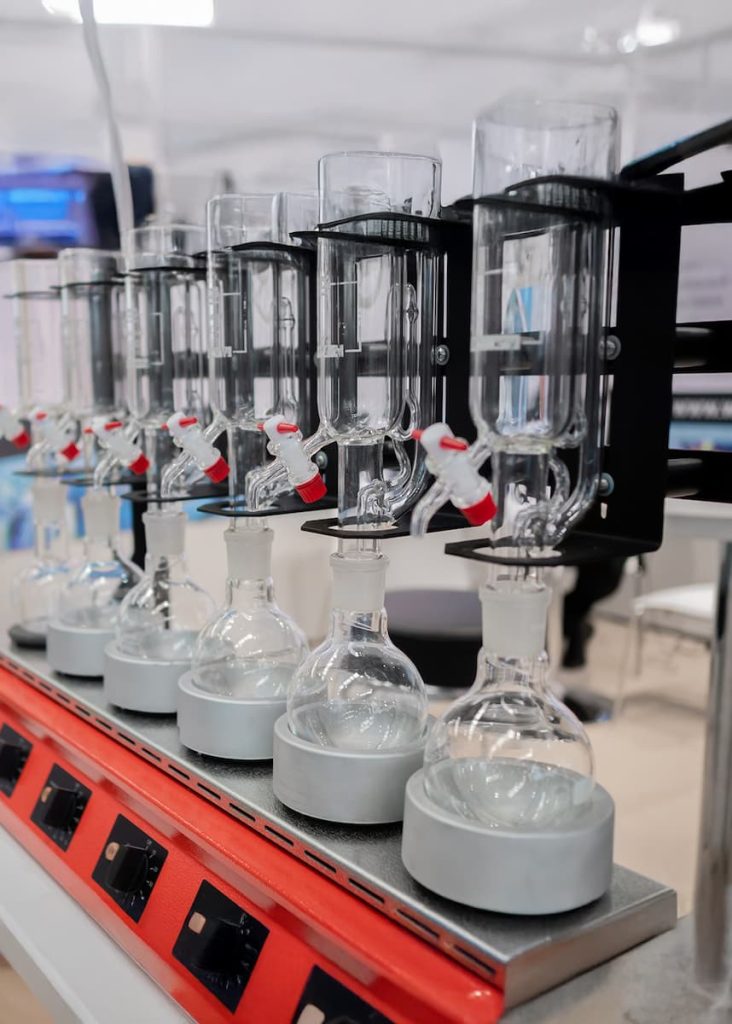
Pond Guru evaluates HOA lakes through combined field and laboratory testing, measuring the full range of water quality parameters on site and in the lab. The results guide a tailored management plan that may include nutrient management, aeration, algae and weed control, and shoreline care, addressing the underlying causes rather than just the visible symptoms.
Effective management connects testing to treatment, and that is the core of how Pond Guru approaches a community lake.
The process starts with measurement. On-site field testing captures parameters like dissolved oxygen, pH, temperature, conductivity, and clarity in real time, while laboratory analysis handles nutrients and chlorophyll-a that require more precise methods. Together they build a complete profile of the lake.
From there, the data drives the plan. Depending on what the testing reveals, a program might combine nutrient management, aeration to support oxygen levels, targeted algae and aquatic weed control, and shoreline measures to reduce incoming runoff. Pond Guru’s lake management services and dedicated pond water testing are built to treat the cause, not just chase the symptom.
Schedule HOA Lake Water Quality Testing With Pond Guru
Reliable data is the foundation of every good lake management decision. Without it, treatments are guesswork and problems are caught late. With it, a board can protect water quality, plan budgets, and document the care it is providing to the community.
Pond Guru works with HOA boards, property managers, and homeowners across Florida to provide in-depth field and laboratory water quality testing and the management programs that follow from the results.
To get an accurate picture of your community’s water, schedule an appointment with Pond Guru for field and laboratory water quality testing. A specialist will assess your lake, interpret the results, and recommend a plan suited to your property’s conditions and goals.
Frequently Asked Questions
It measures a pond's key indicators of health, including dissolved oxygen, pH, alkalinity, nutrients like phosphorus and nitrogen, clarity through turbidity and Secchi depth, conductivity, and chlorophyll-a. Together these parameters reveal whether the lake can support life, how much nutrient load it carries, and whether algae problems are developing.
Dissolved oxygen is essential for fish and aquatic life. Healthy ponds generally aim for at least 6 mg/L. Below about 4 mg/L organisms begin to suffer, and below 2 mg/L conditions become hypoxic and can be fatal. Low dissolved oxygen is the most common cause of fish kills in ponds.
Algae blooms are driven by excess nutrients, mainly phosphorus and nitrogen, entering the lake. These usually arrive through stormwater runoff carrying lawn fertilizer, grass clippings, pet waste, and eroded sediment. Warm temperatures and sunlight accelerate the growth, turning a nutrient-rich pond green.
Most HOA lakes benefit from at least quarterly testing, with more frequent monitoring in warm months when algae and low-oxygen risks peak. Quarterly testing establishes seasonal baselines and trends, while lakes with a history of problems may need monthly summer testing to catch issues early.
Basic test kits exist for parameters like pH and dissolved oxygen, and they offer a rough snapshot. However, accurate nutrient and chlorophyll-a analysis usually requires laboratory methods, and interpreting results across parameters takes expertise. Professional field and laboratory testing provides the reliability boards need for decisions and documentation.
Testing catches developing problems early, when they are cheaper to address. Correcting a rising nutrient trend costs far less than responding to a major algae bloom, a fish kill, and resident complaints. Regular data also guides efficient treatment and supports permit compliance, avoiding reactive emergency spending.
Ready to Schedule a Visit ?
Have questions about your pond or lake? Our experts are ready to help you take the next step.
Latest Article
Popular Post
The Secchi Disk: Measuring Water Clarity
Table of Contents For a tool that is essentially…