

Does Alum Treatment Work for Pond Water Clarity?
Does Alum Treatment Work for Pond Water Clarity?
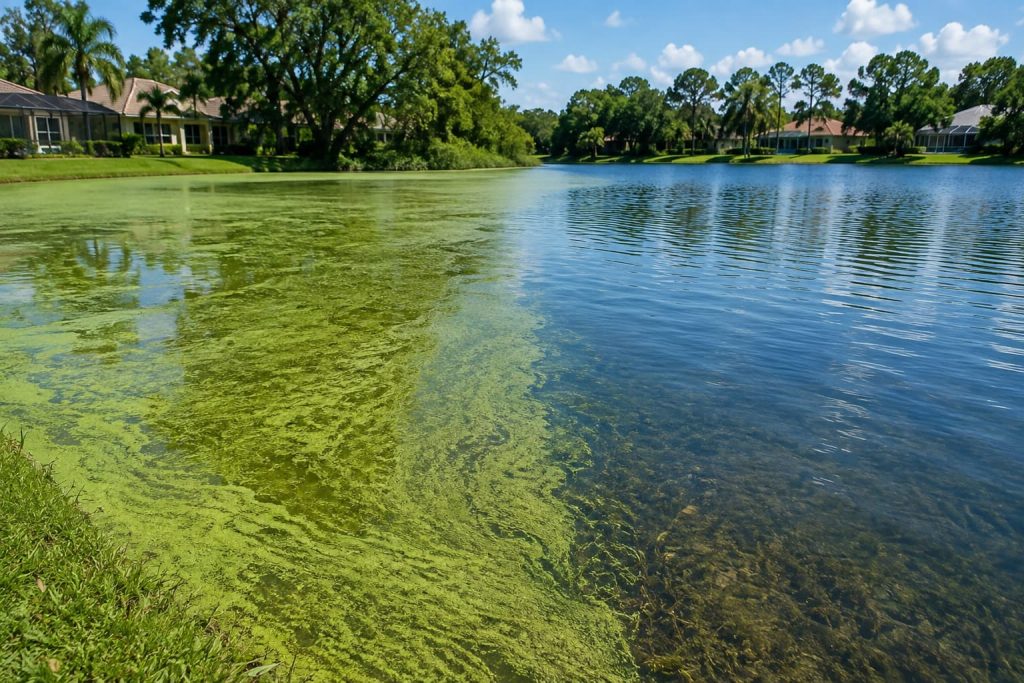
Table of Contents
If your community lake stays green and cloudy no matter how many times the algae is treated, the problem is probably phosphorus, and alum may be the answer. Alum treatment is one of the most proven tools in lake management for turning murky, algae-prone water clear, not by killing algae, but by removing the nutrient that feeds it. It sounds almost too simple, so it is worth understanding how it actually works and where its limits are.
This guide explains whether alum treatment works, the science of how it clears water and locks up phosphorus, how long results last, whether it is safe for fish and people, and how it compares to other approaches.
Yes, alum treatment works and is a well-established method for improving pond and lake water clarity. Alum (aluminum sulfate) binds with phosphorus, the nutrient that fuels algae, and forms a floc that settles to the bottom, clearing the water and locking phosphorus in the sediment. Results appear within days and can last for years when applied correctly.
Key Takeaways
- Alum treatment works and is a proven, widely used lake restoration method for water clarity.
- It targets phosphorus, not algae directly. Alum binds phosphorus so algae cannot use it to grow.
- Results are fast and lasting. Water often clears within days, and the effect can last years to decades.
- It locks legacy phosphorus in the sediment, stopping the internal nutrient recycling that fuels chronic blooms.
- It is safe when applied correctly, but requires professional dosing and pH management to protect fish.
Does Alum Actually Clear Pond Water?
Yes. Alum is one of the fastest and most proven ways to clear cloudy pond water. When alum is added, it forms a floc that grabs suspended particles and phosphorus and settles to the bottom, flipping the water from cloudy to clear, often within a few days. It is a well-established lake restoration technique.
The effectiveness of alum is genuinely well documented, which is why it is used on lakes and even drinking water reservoirs.
According to reporting on lake restoration science, aluminum sulfate has a strong affinity for phosphorus, and in water it forms a fluffy floc that grabs phosphorus and other particles as it settles, flipping the water from cloudy to clear. Environmental engineers describe an immediate visible impact on clarity, and peer-reviewed studies of treated lakes report that alum treatments increased water clarity, reduced algae blooms, and lowered oxygen demand for multiple years.
The clarity comes from two effects happening together:
- Particle removal. The floc pulls together suspended clay, organic matter, and algae particles, which settle out and clear the haze.
- Phosphorus removal. The same floc binds dissolved phosphorus, removing the nutrient algae need.
This dual action is why a properly applied alum treatment can produce dramatic, visible clarity improvements quickly.

How Does Alum Treatment Work?
Alum works through a process called phosphorus inactivation. When aluminum sulfate is added to water, the aluminum reacts with phosphorus to form an insoluble aluminum phosphate, and also forms an aluminum hydroxide floc that settles to the bottom. This floc clarifies the water and forms a layer over the sediment that blocks phosphorus from being released back into the water.
Understanding the mechanism explains why alum addresses the cause of green water rather than just the symptom.
As described by Texas A&M AgriLife Extension, the aluminum reacts with soluble reactive phosphorus to form aluminum phosphate that is insoluble across a wide pH range, while the aluminum also undergoes hydrolysis to form an aluminum hydroxide floc that clarifies the water column and adsorbs additional phosphorus. That precipitate and floc settle to the bottom, forming a thin film over the sediment that decreases phosphorus release and recycling from the bottom.
The process step by step:
- Alum is applied in carefully controlled amounts, usually as a liquid spread evenly across the surface.
- It binds phosphorus in the water column, forming insoluble aluminum phosphate.
- It forms a floc that clarifies the water as it settles, capturing particles on the way down.
- It seals the sediment with a thin layer that blocks phosphorus from leaching back out.
That final step is the key to alum’s lasting power. It does not just clean the water once; it interrupts the internal phosphorus cycle that keeps refueling algae.
Why Does Locking Phosphorus Matter?
Locking phosphorus matters because in many ponds the phosphorus that fuels algae comes not from outside but from the sediment itself, a process called internal loading. Even after outside pollution is reduced, this legacy phosphorus keeps leaching from the bottom and feeding blooms for years. Alum seals it in, stopping the cycle at its source.
This is the insight that makes alum so valuable and so different from algaecides.
Ponds can be frustrating because the problem often lives in the sediment. Even when external nutrient sources are reduced, phosphorus can keep leaking from the bottom and fueling algae for years. This internal loading is why some lakes stay green no matter how often the surface algae is treated.
Alum addresses this directly:
- It targets the internal load. Alum is used specifically to deactivate the cycling of phosphorus that has accumulated in lake sediments.
- The effect persists. Alum floc rests in the sediment and continues to bind phosphorus for years, even decades.
- It starves algae at the source. With legacy phosphorus locked away, potentially harmful algae lose their fuel supply.
Contrast this with algaecides, which kill existing algae but leave the nutrients behind. When that algae decomposes, it releases nutrients that feed the next bloom. Alum breaks the cycle instead of feeding it, which is why it addresses the root cause rather than the symptom.
How Long Does Alum Treatment Last?

A properly applied alum treatment can improve water clarity and suppress algae for several years, and in some lakes for a decade or more. The longevity depends on the dose, the pond’s conditions, and, critically, whether ongoing external phosphorus sources like runoff are also controlled. Alum is long-lasting but not always permanent.
Setting realistic expectations about duration helps a community plan and budget properly.
Research and field experience show alum’s durability. Treated lakes have shown reduced phosphorus, relief from blooms, and improved clarity for multiple years, and experts note the floc continues binding phosphorus for years to decades. Cost analyses suggest alum treatments generally pay for themselves within about a decade through the results they deliver.
What affects how long it lasts:
- Dose and design. Treatments designed around the pond’s phosphorus and alkalinity last longer than casual applications.
- External inputs. If fertilizer runoff and other outside phosphorus sources keep loading the pond, the benefit erodes faster.
- Pond conditions. Depth, sediment, and biology all influence longevity.
The most important factor a community controls is external nutrient input. Alum handles the phosphorus already in the sediment, but pairing it with runoff reduction and good water quality monitoring is what makes the results last.
Is Alum Treatment Safe for Fish and People?
Alum treatment is considered safe when applied correctly by professionals. It has been used on lakes, ponds, and even drinking water reservoirs for decades. The main risk is a sharp drop in pH during application, which can harm fish, so proper dosing and pH buffering are essential. Applied properly, alum is safe for fish, aquatic life, and recreation.
Safety is a legitimate question, and the honest answer is that alum is safe with correct application but requires expertise.
Alum has a long track record in water treatment. The key considerations, drawn from state agency guidance like the Wisconsin DNR, are about managing the chemistry:
- pH is the main concern. Alum consumes alkalinity as it reacts, which can lower pH. If pH drops too far, it can harm fish, so treatments are dosed carefully and often buffered.
- Buffering protects sensitive ponds. In low-alkalinity water, a buffering agent such as sodium aluminate is added to hold pH steady, and buffered alum products exist for this purpose.
- Fish generally avoid the floc. In real-world applications, fish tend to avoid settling floc, and most aluminum taken in by fish and invertebrates is readily excreted, so bioaccumulation potential is low.
- Dosing limits matter. Applications are limited per day and per treatment to avoid pH swings and excessive floc.
This is precisely why alum is not a do-it-yourself product. Proper treatment starts with water testing to determine dose and alkalinity, then uses specialized equipment to apply it evenly. Done professionally, it is both safe and effective; done carelessly, it can stress or kill fish.
Reduce Phosphorus With Alum Treatments
Pond Guru can help improve water clarity by adding alum treatments to your lake management program.
When Should You Use Alum Instead of Other Treatments?
Alum is best when a pond has chronic algae or cloudy water driven by high phosphorus, especially internal phosphorus loading from the sediment. It is ideal when algaecides only provide temporary relief. Alum is often faster and cheaper per pound of phosphorus removed than dredging, though the right choice depends on the pond’s specific problem.
Knowing when alum is the right tool, versus other options, helps a community invest wisely.
Alum is particularly well suited when:
- Algaecides keep failing. If the pond greens up again shortly after every algae treatment, the nutrient supply is the real issue, which alum addresses.
- Phosphorus is the driver. Water testing showing high phosphorus, especially from sediment, points toward alum.
- Clarity is the goal. Alum delivers fast, dramatic clarity improvements.
- Speed and cost matter. Alum can be done quickly and often removes more phosphorus per dollar than dredging.
It is not always the only answer. Where excessive muck and sediment have physically filled in a pond, dredging or muck removal may be needed. Where runoff is the dominant source, shoreline buffers and littoral plantings reduce inputs. Often the best result comes from combining alum with these approaches, and from ongoing algae control as part of a complete management plan. This is why alum works best as part of a strategy informed by water testing, not as a standalone quick fix.
Schedule a Site Visit With Pond Guru
Alum treatment is one of the most effective tools available for a chronically green or cloudy pond, but it is also one that depends entirely on correct dosing, pH management, and matching the treatment to the real cause of the problem. That starts with understanding your pond’s phosphorus and water chemistry.
Pond Guru provides alum application services for HOA boards, property managers, and communities across Florida, along with the water quality testing that determines whether alum is the right solution and how it should be dosed.
Because every pond’s chemistry is different, the process starts with an evaluation and testing. To find out whether alum treatment could clear your community’s water, schedule a site visit with Pond Guru and a specialist will assess conditions and recommend a plan.

Frequently Asked Questions
Yes. Alum is a proven lake restoration method that clears cloudy water by binding phosphorus and suspended particles into a floc that settles to the bottom. Water often clears within days, and the effect can last years. It works by removing the nutrient that fuels algae rather than just killing the algae.
Alum (aluminum sulfate) reacts with phosphorus to form an insoluble compound and creates a floc that settles, clarifying the water and sealing the sediment so phosphorus cannot be released back. This process, called phosphorus inactivation, starves algae of the nutrient it needs, addressing the cause of green water rather than the symptom.
A properly applied alum treatment can improve clarity and suppress algae for several years, and sometimes a decade or more. Longevity depends on the dose, pond conditions, and whether outside phosphorus sources like runoff are also controlled. Pairing alum with runoff reduction makes the results last significantly longer.
Alum is considered safe when applied correctly, and it has been used on lakes and drinking water reservoirs for decades. The main risk is a sharp pH drop during application, which is why professional dosing and pH buffering are essential. Applied properly, it is safe for fish, aquatic life, and recreation.
It depends on the problem. Alum is faster and often cheaper per pound of phosphorus removed than dredging, and unlike algaecides it addresses the nutrient cause rather than providing temporary relief. Where muck has physically filled a pond, dredging may be needed. Often the best results combine alum with other approaches based on water testing.
Ready to Schedule a Visit ?
Have questions about your pond or lake? Our experts are ready to help you take the next step.
Latest Article
Popular Post

Why Keeping Culverts Clear of Debris Matters for Stormwater Systems
Table of Contents A culvert is one of those…
Table of Contents
If your community lake stays green and cloudy no matter how many times the algae is treated, the problem is probably phosphorus, and alum may be the answer. Alum treatment is one of the most proven tools in lake management for turning murky, algae-prone water clear, not by killing algae, but by removing the nutrient that feeds it. It sounds almost too simple, so it is worth understanding how it actually works and where its limits are.
This guide explains whether alum treatment works, the science of how it clears water and locks up phosphorus, how long results last, whether it is safe for fish and people, and how it compares to other approaches.
Yes, alum treatment works and is a well-established method for improving pond and lake water clarity. Alum (aluminum sulfate) binds with phosphorus, the nutrient that fuels algae, and forms a floc that settles to the bottom, clearing the water and locking phosphorus in the sediment. Results appear within days and can last for years when applied correctly.
Key Takeaways
- Alum treatment works and is a proven, widely used lake restoration method for water clarity.
- It targets phosphorus, not algae directly. Alum binds phosphorus so algae cannot use it to grow.
- Results are fast and lasting. Water often clears within days, and the effect can last years to decades.
- It locks legacy phosphorus in the sediment, stopping the internal nutrient recycling that fuels chronic blooms.
- It is safe when applied correctly, but requires professional dosing and pH management to protect fish.
Does Alum Actually Clear Pond Water?
Yes. Alum is one of the fastest and most proven ways to clear cloudy pond water. When alum is added, it forms a floc that grabs suspended particles and phosphorus and settles to the bottom, flipping the water from cloudy to clear, often within a few days. It is a well-established lake restoration technique.
The effectiveness of alum is genuinely well documented, which is why it is used on lakes and even drinking water reservoirs.
According to reporting on lake restoration science, aluminum sulfate has a strong affinity for phosphorus, and in water it forms a fluffy floc that grabs phosphorus and other particles as it settles, flipping the water from cloudy to clear. Environmental engineers describe an immediate visible impact on clarity, and peer-reviewed studies of treated lakes report that alum treatments increased water clarity, reduced algae blooms, and lowered oxygen demand for multiple years.
The clarity comes from two effects happening together:
- Particle removal. The floc pulls together suspended clay, organic matter, and algae particles, which settle out and clear the haze.
- Phosphorus removal. The same floc binds dissolved phosphorus, removing the nutrient algae need.
This dual action is why a properly applied alum treatment can produce dramatic, visible clarity improvements quickly.
How Does Alum Treatment Work?
Alum works through a process called phosphorus inactivation. When aluminum sulfate is added to water, the aluminum reacts with phosphorus to form an insoluble aluminum phosphate, and also forms an aluminum hydroxide floc that settles to the bottom. This floc clarifies the water and forms a layer over the sediment that blocks phosphorus from being released back into the water.
Understanding the mechanism explains why alum addresses the cause of green water rather than just the symptom.
As described by Texas A&M AgriLife Extension, the aluminum reacts with soluble reactive phosphorus to form aluminum phosphate that is insoluble across a wide pH range, while the aluminum also undergoes hydrolysis to form an aluminum hydroxide floc that clarifies the water column and adsorbs additional phosphorus. That precipitate and floc settle to the bottom, forming a thin film over the sediment that decreases phosphorus release and recycling from the bottom.
The process step by step:
- Alum is applied in carefully controlled amounts, usually as a liquid spread evenly across the surface.
- It binds phosphorus in the water column, forming insoluble aluminum phosphate.
- It forms a floc that clarifies the water as it settles, capturing particles on the way down.
- It seals the sediment with a thin layer that blocks phosphorus from leaching back out.
That final step is the key to alum’s lasting power. It does not just clean the water once; it interrupts the internal phosphorus cycle that keeps refueling algae.
Why Does Locking Phosphorus Matter?
Locking phosphorus matters because in many ponds the phosphorus that fuels algae comes not from outside but from the sediment itself, a process called internal loading. Even after outside pollution is reduced, this legacy phosphorus keeps leaching from the bottom and feeding blooms for years. Alum seals it in, stopping the cycle at its source.
This is the insight that makes alum so valuable and so different from algaecides.
Ponds can be frustrating because the problem often lives in the sediment. Even when external nutrient sources are reduced, phosphorus can keep leaking from the bottom and fueling algae for years. This internal loading is why some lakes stay green no matter how often the surface algae is treated.
Alum addresses this directly:
- It targets the internal load. Alum is used specifically to deactivate the cycling of phosphorus that has accumulated in lake sediments.
- The effect persists. Alum floc rests in the sediment and continues to bind phosphorus for years, even decades.
- It starves algae at the source. With legacy phosphorus locked away, potentially harmful algae lose their fuel supply.
Contrast this with algaecides, which kill existing algae but leave the nutrients behind. When that algae decomposes, it releases nutrients that feed the next bloom. Alum breaks the cycle instead of feeding it, which is why it addresses the root cause rather than the symptom.
How Long Does Alum Treatment Last?

A properly applied alum treatment can improve water clarity and suppress algae for several years, and in some lakes for a decade or more. The longevity depends on the dose, the pond’s conditions, and, critically, whether ongoing external phosphorus sources like runoff are also controlled. Alum is long-lasting but not always permanent.
Setting realistic expectations about duration helps a community plan and budget properly.
Research and field experience show alum’s durability. Treated lakes have shown reduced phosphorus, relief from blooms, and improved clarity for multiple years, and experts note the floc continues binding phosphorus for years to decades. Cost analyses suggest alum treatments generally pay for themselves within about a decade through the results they deliver.
What affects how long it lasts:
- Dose and design. Treatments designed around the pond’s phosphorus and alkalinity last longer than casual applications.
- External inputs. If fertilizer runoff and other outside phosphorus sources keep loading the pond, the benefit erodes faster.
- Pond conditions. Depth, sediment, and biology all influence longevity.
The most important factor a community controls is external nutrient input. Alum handles the phosphorus already in the sediment, but pairing it with runoff reduction and good water quality monitoring is what makes the results last.
Is Alum Treatment Safe for Fish and People?
Alum treatment is considered safe when applied correctly by professionals. It has been used on lakes, ponds, and even drinking water reservoirs for decades. The main risk is a sharp drop in pH during application, which can harm fish, so proper dosing and pH buffering are essential. Applied properly, alum is safe for fish, aquatic life, and recreation.
Safety is a legitimate question, and the honest answer is that alum is safe with correct application but requires expertise.
Alum has a long track record in water treatment. The key considerations, drawn from state agency guidance like the Wisconsin DNR, are about managing the chemistry:
- pH is the main concern. Alum consumes alkalinity as it reacts, which can lower pH. If pH drops too far, it can harm fish, so treatments are dosed carefully and often buffered.
- Buffering protects sensitive ponds. In low-alkalinity water, a buffering agent such as sodium aluminate is added to hold pH steady, and buffered alum products exist for this purpose.
- Fish generally avoid the floc. In real-world applications, fish tend to avoid settling floc, and most aluminum taken in by fish and invertebrates is readily excreted, so bioaccumulation potential is low.
- Dosing limits matter. Applications are limited per day and per treatment to avoid pH swings and excessive floc.
This is precisely why alum is not a do-it-yourself product. Proper treatment starts with water testing to determine dose and alkalinity, then uses specialized equipment to apply it evenly. Done professionally, it is both safe and effective; done carelessly, it can stress or kill fish.
Reduce Phosphorus With Alum Treatments
Pond Guru can help improve water clarity by adding alum treatments to your lake management program.
When Should You Use Alum Instead of Other Treatments?
Alum is best when a pond has chronic algae or cloudy water driven by high phosphorus, especially internal phosphorus loading from the sediment. It is ideal when algaecides only provide temporary relief. Alum is often faster and cheaper per pound of phosphorus removed than dredging, though the right choice depends on the pond’s specific problem.
Knowing when alum is the right tool, versus other options, helps a community invest wisely.
Alum is particularly well suited when:
- Algaecides keep failing. If the pond greens up again shortly after every algae treatment, the nutrient supply is the real issue, which alum addresses.
- Phosphorus is the driver. Water testing showing high phosphorus, especially from sediment, points toward alum.
- Clarity is the goal. Alum delivers fast, dramatic clarity improvements.
- Speed and cost matter. Alum can be done quickly and often removes more phosphorus per dollar than dredging.
It is not always the only answer. Where excessive muck and sediment have physically filled in a pond, dredging or muck removal may be needed. Where runoff is the dominant source, shoreline buffers and littoral plantings reduce inputs. Often the best result comes from combining alum with these approaches, and from ongoing algae control as part of a complete management plan. This is why alum works best as part of a strategy informed by water testing, not as a standalone quick fix.
Schedule a Site Visit With Pond Guru

Alum treatment is one of the most effective tools available for a chronically green or cloudy pond, but it is also one that depends entirely on correct dosing, pH management, and matching the treatment to the real cause of the problem. That starts with understanding your pond’s phosphorus and water chemistry.
Pond Guru provides alum application services for HOA boards, property managers, and communities across Florida, along with the water quality testing that determines whether alum is the right solution and how it should be dosed.
Because every pond’s chemistry is different, the process starts with an evaluation and testing. To find out whether alum treatment could clear your community’s water, schedule a site visit with Pond Guru and a specialist will assess conditions and recommend a plan.
Frequently Asked Questions
Yes. Alum is a proven lake restoration method that clears cloudy water by binding phosphorus and suspended particles into a floc that settles to the bottom. Water often clears within days, and the effect can last years. It works by removing the nutrient that fuels algae rather than just killing the algae.
Alum (aluminum sulfate) reacts with phosphorus to form an insoluble compound and creates a floc that settles, clarifying the water and sealing the sediment so phosphorus cannot be released back. This process, called phosphorus inactivation, starves algae of the nutrient it needs, addressing the cause of green water rather than the symptom.
A properly applied alum treatment can improve clarity and suppress algae for several years, and sometimes a decade or more. Longevity depends on the dose, pond conditions, and whether outside phosphorus sources like runoff are also controlled. Pairing alum with runoff reduction makes the results last significantly longer.
Alum is considered safe when applied correctly, and it has been used on lakes and drinking water reservoirs for decades. The main risk is a sharp pH drop during application, which is why professional dosing and pH buffering are essential. Applied properly, it is safe for fish, aquatic life, and recreation.
It depends on the problem. Alum is faster and often cheaper per pound of phosphorus removed than dredging, and unlike algaecides it addresses the nutrient cause rather than providing temporary relief. Where muck has physically filled a pond, dredging may be needed. Often the best results combine alum with other approaches based on water testing.
Ready to Schedule a Visit ?
Have questions about your pond or lake? Our experts are ready to help you take the next step.
Latest Article
Popular Post
Why Keeping Culverts Clear of Debris Matters for Stormwater Systems
Table of Contents A culvert is one of those…