

Why Keeping Culverts Clear of Debris Matters for Stormwater Systems
Why Keeping Culverts Clear of Debris Matters for Stormwater Systems
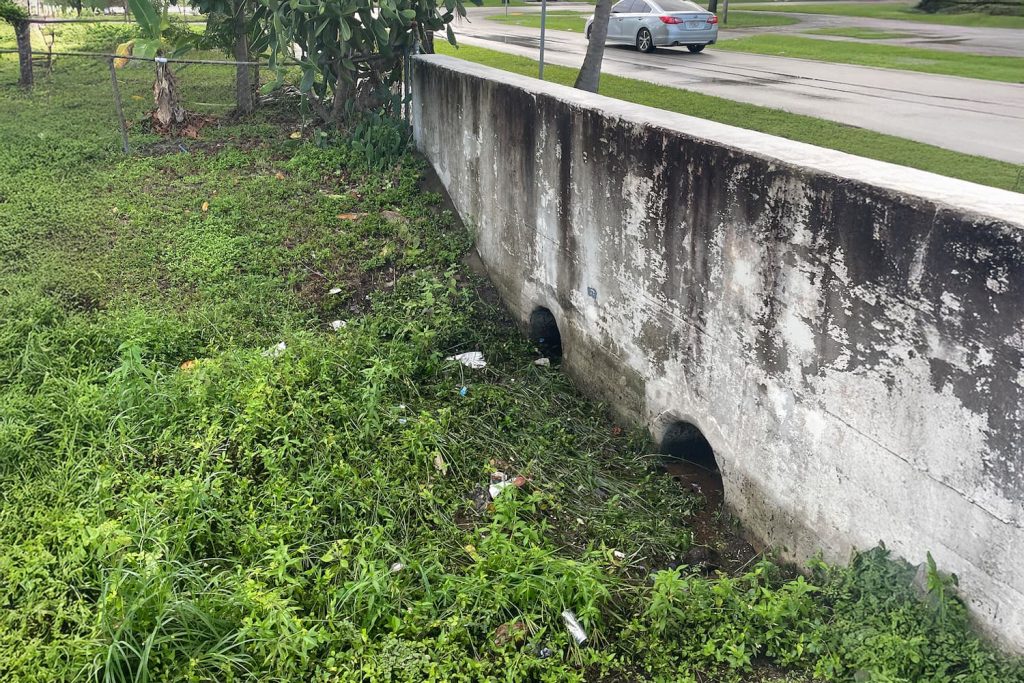
Table of Contents
A culvert is one of those pieces of infrastructure nobody thinks about until it fails, and when it fails, the results are immediate and expensive: water backs up, streets flood, banks erode, and a small blockage becomes a community-wide problem. For an HOA or property manager, keeping culverts clear of debris is one of the simplest and most important things you can do to protect a stormwater system and the community it serves.
This guide explains what a culvert does, why keeping it clear matters so much, what happens when one clogs, how debris accumulates, and how to keep culverts functioning as part of a healthy stormwater system.
Keeping culverts clear of debris matters because culverts carry stormwater under roads and between waterbodies, and a blocked culvert causes water to back up, leading to flooding, erosion, and property damage. Leaves, sediment, and trash accumulate at culvert openings, so regular inspection and clearing are essential to keep stormwater flowing and prevent costly failures.
Key Takeaways
- Culverts carry stormwater under roads, driveways, and paths, connecting the parts of a drainage system.
- A blocked culvert causes flooding, backing water up onto streets, yards, and properties during rain.
- Debris accumulates predictably, with leaves, sediment, and trash collecting at inlets, especially after storms and in fall.
- Clogs cause erosion and damage, as redirected water scours banks and undermines roads and structures.
- Regular inspection and clearing are the key to keeping culverts and the whole stormwater system working.
What Is a Culvert and What Does It Do?
A culvert is a pipe or channel that carries stormwater underneath a road, driveway, path, or embankment. In a community stormwater system, culverts connect ditches, swales, ponds, and other drainage features, allowing water to flow through the system and away from developed areas. They are essential conveyance structures that keep stormwater moving.
Understanding the culvert’s role as a connector explains why a single blockage can affect an entire drainage system.
A culvert’s job is simple but critical: move water from one side of an obstacle to the other. In a community, culverts typically carry stormwater under roads and driveways, linking the ditches, swales, retention ponds, and other features that make up the drainage network. Without them, water could not flow through the system.
Key points about culverts:
- They are conveyance structures, designed to move a specific volume of water through the drainage system.
- They connect the system, linking ponds, ditches, and swales so water can flow where it is designed to go.
- They pass under obstacles, most often roads and driveways, allowing development on top while water flows beneath.
- They often have protective grates. Many culvert inlets have grills or trash racks intended to keep debris out of the pipe.
Because a culvert is a chokepoint where water must pass through a defined opening, it is also the most vulnerable point in the system for blockage. That vulnerability is exactly why keeping culverts clear matters so much.

Why Is It So Important to Keep Culverts Clear?
Keeping culverts clear is important because a culvert is a chokepoint, and when it blocks, the entire drainage system behind it backs up. Blocked stormwater flow causes flooding, redirects water in damaging ways, erodes banks and soil, and can damage roads and property. A clear culvert is essential for the stormwater system to function as designed.
The importance comes down to the fact that a culvert failure does not stay local; it cascades through the system.
When a culvert blocks, several problems follow in sequence:
- Water backs up. With the culvert blocked, stormwater cannot pass, so it pools and rises behind the blockage.
- Flooding occurs. The backed-up water floods streets, yards, and properties, exactly what the drainage system was built to prevent.
- Water redirects. Blocked stormwater finds another path, often eroding soil, scouring banks, and causing mudslides or washouts where water was never meant to flow.
- Infrastructure suffers. Redirected and pooling water can damage pavement, undermine roads, and threaten foundations and structures.
- Mosquitoes breed. Standing water from poor drainage becomes mosquito habitat, a nuisance and health concern.
As stormwater and drainage authorities emphasize, pavement damage, soil erosion, and even mudslides can result from stormwater flow blocked at culverts. The through-line is that a culvert blockage converts a functioning drainage system into a source of flooding and damage, which is why clear culverts are foundational to stormwater management.
Maintain Culverts to Prevent Flooding
Pond Guru will maintain stormwater systems, keep culverts free from debris, and assist in preventing flooding.
What Causes Culverts to Clog?

Culverts clog when debris accumulates at the inlet or inside the pipe. The most common culprits are leaves, grass clippings, branches, and other yard waste, along with sediment, trash, and storm debris. Accumulation is fastest after storms, in autumn when leaves fall, and in communities with mature trees or heavy runoff.
Knowing what causes clogs, and when they happen, is the key to preventing them.
The common causes of culvert blockage:
- Leaves and yard waste. Fallen leaves, grass clippings, and branches are the most frequent culprits, washing toward and collecting at culvert inlets.
- Sediment buildup. Silt and sand carried by runoff settle inside the culvert over time, gradually reducing its capacity.
- Trash and debris. Litter and larger debris get carried into the system and lodge at the opening.
- Storm debris. Heavy weather washes large amounts of material into the drainage system at once, often overwhelming culvert inlets.
- Vegetation overgrowth. Plants and roots growing in and around the channel can obstruct flow.
Timing matters. Debris accumulates fastest during and after storms, and neighborhoods with mature trees experience the worst of it in fall, making seasonal maintenance especially important. Culvert inlet grates and trash racks help keep debris out of the pipe, but those grates themselves need regular clearing, particularly during heavy rainfall when loose debris can accumulate very quickly and block the grate.
This is why the most important maintenance principle is to clear culverts before rain, not just after. A culvert that is clear going into a storm handles the flow, while one already partly blocked can fail when it is needed most.
Who Is Responsible for Culvert Maintenance in an HOA?
In an HOA community, responsibility for culvert maintenance is typically split. The HOA generally maintains culverts and drainage infrastructure in common areas and easements, while individual property owners are often responsible for culverts on their own property, such as driveway culverts. The community’s governing documents define the specific responsibilities.
Clarifying responsibility helps a board ensure culverts actually get maintained rather than falling through the cracks.
The general pattern, drawn from HOA and municipal guidance:
- HOA responsibility. Associations typically maintain the drainage infrastructure in common areas and easements, including culverts, catch basins, and control structures, keeping them clear of debris and obstructions to ensure unrestricted flow.
- Homeowner responsibility. Property owners are often responsible for culverts serving their own property, such as driveway culverts crossing a ditch, and for keeping yard waste out of the drainage system.
- Governing documents decide. The community’s CC&Rs and site plans define who maintains what, so boards should consult them.
For HOA boards, the key takeaway is that drainage should never be treated as a cosmetic issue. Ignored drainage problems can affect resident safety, drive up costs, and even expose the association to liability if known problems go unaddressed. A proactive maintenance program, with regular inspection and clearing of common-area culverts, is both a practical necessity and a matter of prudent management. Because culverts connect to ponds and the broader system, this maintenance fits naturally alongside stormwater pond maintenance and canal and channel clearing.

How Do You Keep Culverts Clear and Functioning?
You keep culverts clear by inspecting them regularly, removing debris from inlets and grates, clearing sediment buildup inside the pipe, and addressing problems before heavy rain. Reducing the yard waste that reaches the drainage system in the first place also helps. A combination of routine clearing and professional cleaning keeps culverts functioning.
A practical maintenance approach keeps culverts working and prevents the failures that cause flooding.
Effective culvert maintenance includes:
- Regular inspection. Check culvert inlets and outlets routinely, and especially before forecasted heavy rain and after storms, when blockages are most likely and most consequential.
- Clearing inlets and grates. Remove leaves, debris, and trash from culvert openings and protective grates so water can enter freely.
- Removing internal sediment. Over time, silt and sand accumulate inside the pipe and must be cleared to restore full capacity, which may require professional equipment.
- Reducing debris at the source. Encouraging residents to keep yard waste, grass clippings, and leaves out of streets and ditches reduces what reaches the culverts.
- Professional cleaning and inspection. Some tasks, like clearing heavily silted or partially collapsed culverts and inspecting internal pipe condition, require professional equipment and expertise.
The guiding principle is that culvert maintenance is ongoing and seasonal, not a one-time task. Debris keeps coming, especially in wooded communities and during storm season, so a recurring program of inspection and clearing is what keeps the stormwater system reliable. Catching a partial blockage during a routine inspection is far cheaper than dealing with the flooding and erosion a full blockage causes during a storm.
Schedule a Site Visit With Pond Guru
Culverts are small, easily overlooked structures that carry an outsized responsibility: keeping a community’s stormwater flowing and its streets and properties dry. A clogged culvert turns a functioning drainage system into a flooding and erosion problem, and the fix, regular inspection and clearing, is far simpler and cheaper than the damage a failure causes.
Pond Guru works with HOA boards and property managers across Florida to maintain stormwater systems, clear culverts and drainage channels, manage the ponds and canals they connect to, and keep community drainage infrastructure functioning and compliant.
Because every community’s stormwater system is different, the process starts with an on-site evaluation of your culverts, drainage features, and ponds. To protect your community from flooding and erosion, schedule a site visit with Pond Guru and a specialist will assess conditions and recommend a plan.

Frequently Asked Questions
A culvert is a pipe or channel that carries stormwater underneath a road, driveway, or embankment, connecting the ditches, swales, ponds, and other features of a drainage system. It lets water flow through the system and away from developed areas. Culverts are essential conveyance structures that keep stormwater moving where it is designed to go.
A clogged culvert causes stormwater to back up, leading to flooding of streets, yards, and properties. The redirected water also erodes soil, scours banks, and can damage roads and structures, and the standing water it leaves behind breeds mosquitoes. Because a culvert is a chokepoint, a single blockage can affect the entire drainage system.
Culverts should be inspected and cleared on a recurring, seasonal schedule, and especially before forecasted heavy rain and after storms. Communities with mature trees need more frequent attention in fall when leaves fall. Debris accumulates continuously, so a one-time cleaning is not enough. Regular inspection catches partial blockages before they cause flooding.
Responsibility is typically split. The HOA generally maintains culverts and drainage infrastructure in common areas and easements, while individual owners are often responsible for culverts on their own property, such as driveway culverts. The community's governing documents define the specific responsibilities, so boards should consult their CC&Rs.
Inspect culverts regularly, clear debris from inlets and protective grates, remove sediment buildup inside the pipe, and address problems before heavy rain. Reducing the yard waste, leaves, and grass clippings that reach the drainage system also helps. A combination of routine clearing and periodic professional cleaning keeps culverts functioning reliably.
Ready to Schedule a Visit ?
Have questions about your pond or lake? Our experts are ready to help you take the next step.
Latest Article
Popular Post

Pennywort: From Lawn Weed to Pond Invader
Table of Contents Most Floridians know pennywort as dollarweed,…
Table of Contents
A culvert is one of those pieces of infrastructure nobody thinks about until it fails, and when it fails, the results are immediate and expensive: water backs up, streets flood, banks erode, and a small blockage becomes a community-wide problem. For an HOA or property manager, keeping culverts clear of debris is one of the simplest and most important things you can do to protect a stormwater system and the community it serves.
This guide explains what a culvert does, why keeping it clear matters so much, what happens when one clogs, how debris accumulates, and how to keep culverts functioning as part of a healthy stormwater system.
Keeping culverts clear of debris matters because culverts carry stormwater under roads and between waterbodies, and a blocked culvert causes water to back up, leading to flooding, erosion, and property damage. Leaves, sediment, and trash accumulate at culvert openings, so regular inspection and clearing are essential to keep stormwater flowing and prevent costly failures.
Key Takeaways
- Culverts carry stormwater under roads, driveways, and paths, connecting the parts of a drainage system.
- A blocked culvert causes flooding, backing water up onto streets, yards, and properties during rain.
- Debris accumulates predictably, with leaves, sediment, and trash collecting at inlets, especially after storms and in fall.
- Clogs cause erosion and damage, as redirected water scours banks and undermines roads and structures.
- Regular inspection and clearing are the key to keeping culverts and the whole stormwater system working.
What Is a Culvert and What Does It Do?
A culvert is a pipe or channel that carries stormwater underneath a road, driveway, path, or embankment. In a community stormwater system, culverts connect ditches, swales, ponds, and other drainage features, allowing water to flow through the system and away from developed areas. They are essential conveyance structures that keep stormwater moving.
Understanding the culvert’s role as a connector explains why a single blockage can affect an entire drainage system.
A culvert’s job is simple but critical: move water from one side of an obstacle to the other. In a community, culverts typically carry stormwater under roads and driveways, linking the ditches, swales, retention ponds, and other features that make up the drainage network. Without them, water could not flow through the system.
Key points about culverts:
- They are conveyance structures, designed to move a specific volume of water through the drainage system.
- They connect the system, linking ponds, ditches, and swales so water can flow where it is designed to go.
- They pass under obstacles, most often roads and driveways, allowing development on top while water flows beneath.
- They often have protective grates. Many culvert inlets have grills or trash racks intended to keep debris out of the pipe.
Because a culvert is a chokepoint where water must pass through a defined opening, it is also the most vulnerable point in the system for blockage. That vulnerability is exactly why keeping culverts clear matters so much.
Why Is It So Important to Keep Culverts Clear?
Keeping culverts clear is important because a culvert is a chokepoint, and when it blocks, the entire drainage system behind it backs up. Blocked stormwater flow causes flooding, redirects water in damaging ways, erodes banks and soil, and can damage roads and property. A clear culvert is essential for the stormwater system to function as designed.
The importance comes down to the fact that a culvert failure does not stay local; it cascades through the system.
When a culvert blocks, several problems follow in sequence:
- Water backs up. With the culvert blocked, stormwater cannot pass, so it pools and rises behind the blockage.
- Flooding occurs. The backed-up water floods streets, yards, and properties, exactly what the drainage system was built to prevent.
- Water redirects. Blocked stormwater finds another path, often eroding soil, scouring banks, and causing mudslides or washouts where water was never meant to flow.
- Infrastructure suffers. Redirected and pooling water can damage pavement, undermine roads, and threaten foundations and structures.
- Mosquitoes breed. Standing water from poor drainage becomes mosquito habitat, a nuisance and health concern.
As stormwater and drainage authorities emphasize, pavement damage, soil erosion, and even mudslides can result from stormwater flow blocked at culverts. The through-line is that a culvert blockage converts a functioning drainage system into a source of flooding and damage, which is why clear culverts are foundational to stormwater management.
Maintain Culverts to Prevent Flooding
Pond Guru will maintain stormwater systems, keep culverts free from debris, and assist in preventing flooding.
What Causes Culverts to Clog?

Culverts clog when debris accumulates at the inlet or inside the pipe. The most common culprits are leaves, grass clippings, branches, and other yard waste, along with sediment, trash, and storm debris. Accumulation is fastest after storms, in autumn when leaves fall, and in communities with mature trees or heavy runoff.
Knowing what causes clogs, and when they happen, is the key to preventing them.
The common causes of culvert blockage:
- Leaves and yard waste. Fallen leaves, grass clippings, and branches are the most frequent culprits, washing toward and collecting at culvert inlets.
- Sediment buildup. Silt and sand carried by runoff settle inside the culvert over time, gradually reducing its capacity.
- Trash and debris. Litter and larger debris get carried into the system and lodge at the opening.
- Storm debris. Heavy weather washes large amounts of material into the drainage system at once, often overwhelming culvert inlets.
- Vegetation overgrowth. Plants and roots growing in and around the channel can obstruct flow.
Timing matters. Debris accumulates fastest during and after storms, and neighborhoods with mature trees experience the worst of it in fall, making seasonal maintenance especially important. Culvert inlet grates and trash racks help keep debris out of the pipe, but those grates themselves need regular clearing, particularly during heavy rainfall when loose debris can accumulate very quickly and block the grate.
This is why the most important maintenance principle is to clear culverts before rain, not just after. A culvert that is clear going into a storm handles the flow, while one already partly blocked can fail when it is needed most.
Who Is Responsible for Culvert Maintenance in an HOA?
In an HOA community, responsibility for culvert maintenance is typically split. The HOA generally maintains culverts and drainage infrastructure in common areas and easements, while individual property owners are often responsible for culverts on their own property, such as driveway culverts. The community’s governing documents define the specific responsibilities.
Clarifying responsibility helps a board ensure culverts actually get maintained rather than falling through the cracks.
The general pattern, drawn from HOA and municipal guidance:
- HOA responsibility. Associations typically maintain the drainage infrastructure in common areas and easements, including culverts, catch basins, and control structures, keeping them clear of debris and obstructions to ensure unrestricted flow.
- Homeowner responsibility. Property owners are often responsible for culverts serving their own property, such as driveway culverts crossing a ditch, and for keeping yard waste out of the drainage system.
- Governing documents decide. The community’s CC&Rs and site plans define who maintains what, so boards should consult them.
For HOA boards, the key takeaway is that drainage should never be treated as a cosmetic issue. Ignored drainage problems can affect resident safety, drive up costs, and even expose the association to liability if known problems go unaddressed. A proactive maintenance program, with regular inspection and clearing of common-area culverts, is both a practical necessity and a matter of prudent management. Because culverts connect to ponds and the broader system, this maintenance fits naturally alongside stormwater pond maintenance and canal and channel clearing.
How Do You Keep Culverts Clear and Functioning?
You keep culverts clear by inspecting them regularly, removing debris from inlets and grates, clearing sediment buildup inside the pipe, and addressing problems before heavy rain. Reducing the yard waste that reaches the drainage system in the first place also helps. A combination of routine clearing and professional cleaning keeps culverts functioning.
A practical maintenance approach keeps culverts working and prevents the failures that cause flooding.
Effective culvert maintenance includes:
- Regular inspection. Check culvert inlets and outlets routinely, and especially before forecasted heavy rain and after storms, when blockages are most likely and most consequential.
- Clearing inlets and grates. Remove leaves, debris, and trash from culvert openings and protective grates so water can enter freely.
- Removing internal sediment. Over time, silt and sand accumulate inside the pipe and must be cleared to restore full capacity, which may require professional equipment.
- Reducing debris at the source. Encouraging residents to keep yard waste, grass clippings, and leaves out of streets and ditches reduces what reaches the culverts.
- Professional cleaning and inspection. Some tasks, like clearing heavily silted or partially collapsed culverts and inspecting internal pipe condition, require professional equipment and expertise.
The guiding principle is that culvert maintenance is ongoing and seasonal, not a one-time task. Debris keeps coming, especially in wooded communities and during storm season, so a recurring program of inspection and clearing is what keeps the stormwater system reliable. Catching a partial blockage during a routine inspection is far cheaper than dealing with the flooding and erosion a full blockage causes during a storm.
Schedule a Site Visit With Pond Guru

Culverts are small, easily overlooked structures that carry an outsized responsibility: keeping a community’s stormwater flowing and its streets and properties dry. A clogged culvert turns a functioning drainage system into a flooding and erosion problem, and the fix, regular inspection and clearing, is far simpler and cheaper than the damage a failure causes.
Pond Guru works with HOA boards and property managers across Florida to maintain stormwater systems, clear culverts and drainage channels, manage the ponds and canals they connect to, and keep community drainage infrastructure functioning and compliant.
Because every community’s stormwater system is different, the process starts with an on-site evaluation of your culverts, drainage features, and ponds. To protect your community from flooding and erosion, schedule a site visit with Pond Guru and a specialist will assess conditions and recommend a plan.
Frequently Asked Questions
A culvert is a pipe or channel that carries stormwater underneath a road, driveway, or embankment, connecting the ditches, swales, ponds, and other features of a drainage system. It lets water flow through the system and away from developed areas. Culverts are essential conveyance structures that keep stormwater moving where it is designed to go.
A clogged culvert causes stormwater to back up, leading to flooding of streets, yards, and properties. The redirected water also erodes soil, scours banks, and can damage roads and structures, and the standing water it leaves behind breeds mosquitoes. Because a culvert is a chokepoint, a single blockage can affect the entire drainage system.
Culverts should be inspected and cleared on a recurring, seasonal schedule, and especially before forecasted heavy rain and after storms. Communities with mature trees need more frequent attention in fall when leaves fall. Debris accumulates continuously, so a one-time cleaning is not enough. Regular inspection catches partial blockages before they cause flooding.
Responsibility is typically split. The HOA generally maintains culverts and drainage infrastructure in common areas and easements, while individual owners are often responsible for culverts on their own property, such as driveway culverts. The community's governing documents define the specific responsibilities, so boards should consult their CC&Rs.
Inspect culverts regularly, clear debris from inlets and protective grates, remove sediment buildup inside the pipe, and address problems before heavy rain. Reducing the yard waste, leaves, and grass clippings that reach the drainage system also helps. A combination of routine clearing and periodic professional cleaning keeps culverts functioning reliably.
Ready to Schedule a Visit ?
Have questions about your pond or lake? Our experts are ready to help you take the next step.
Latest Article
Popular Post
Pennywort: From Lawn Weed to Pond Invader
Table of Contents Most Floridians know pennywort as dollarweed,…