

Why Canal Cleaning Matters for Waterfront HOAs
Why Canal Cleaning Matters for Waterfront HOAs

Table of Contents
For a waterfront community, the canal system is both an amenity and a piece of critical infrastructure, and when it silts in or chokes with vegetation, both roles fail at once. Views disappear, boats run aground, and, most seriously, water that should drain away instead backs up into streets and yards. Regular canal cleaning is what keeps a waterfront HOA’s canals doing their job, protecting property values and preventing flooding.
This guide explains why canal cleaning matters for waterfront communities, what happens when canals are neglected, what the work involves, how often it is needed, and how it protects both drainage and property.
Canal cleaning matters for waterfront HOAs because canals must stay clear to drain stormwater and tides, support navigation, and maintain water quality and property values. Over time, canals fill with sediment, muck, aquatic weeds, and debris that block flow and cause flooding. Regular canal cleaning removes these, restoring drainage, access, and appearance.
Key Takeaways
- Canals are drainage infrastructure, not just amenities. When they clog, stormwater and tidal water back up and can flood streets and yards.
- They fill in over time with sediment, muck, aquatic weeds, and storm debris that restrict flow and navigation.
- Neglect causes real problems, including flooding, blocked navigation, poor water quality, odors, and mosquito breeding.
- Cleaning restores flow, depth, and access, protecting property values and reducing flood risk.
- Recurring maintenance is essential, since canals continually reaccumulate sediment and vegetation, especially in tidal and storm-prone areas.
Why Do Canals Need Regular Cleaning?
Canals need regular cleaning because they continuously accumulate sediment, muck, aquatic weeds, and debris that restrict water flow. In waterfront communities, canals are drainage infrastructure that must stay clear to move stormwater and, in coastal areas, tidal water. When they fill in, that water backs up instead of draining, creating flood risk.
Recognizing canals as working infrastructure, not just scenery, is the key to understanding why maintenance is not optional.
Canals fill in from several directions at once. In coastal Florida especially, the process is relentless. As Pond Guru describes for Miami canal systems, tidal canals never get a break, with tides pushing sediment and debris up the channel twice a day, hurricane season adding storm wreckage, and inland canals reinfesting with weeds drifting in from connected waters, so a single cleanup cannot keep up.
The main things that accumulate:
- Sediment and silt that settle on the bottom and reduce depth.
- Muck, the organic sludge from decaying vegetation and debris.
- Aquatic weeds, which grow fast in warm, nutrient-rich Florida water.
- Storm debris, piled in by hurricanes and heavy weather.
Because these build up continuously, canal cleaning is a maintenance need rather than a one-time fix. The question for a waterfront HOA is not whether canals will fill in, but how proactively the community manages it.

What Happens if a Canal Is Not Maintained?
If a canal is not maintained, it silts in and fills with vegetation until water can no longer drain properly. The consequences include flooding of streets and properties, blocked navigation, degraded water quality, foul odors, increased mosquito breeding, and falling property values. In tidal areas, a clogged canal can cause flooding even on sunny days at high tide.
Spelling out the consequences shows why deferred canal maintenance is a false economy.
When a canal is neglected, problems compound:
- Flooding. This is the most serious. When a canal silts in or fills with vegetation, water that should drain away backs up, and stormwater or high tides end up in the streets and yards.
- Blocked navigation. Reduced depth and weed overgrowth make canals unusable for boating and paddling, stranding the waterfront amenity residents paid for.
- Poor water quality. Stagnant, clogged canals develop low oxygen, algae problems, and foul odors.
- Mosquito breeding. Stagnant water and dense vegetation create ideal mosquito habitat, a health and nuisance concern.
- Falling property values and curb appeal. An overgrown, mucky canal drags down the appearance and value of every waterfront home along it.
- Compliance issues. In many areas, keeping drainage canals clear and functional is required under local rules.
In low-lying coastal communities, the flooding risk is especially acute. As Pond Guru notes for Miami-Dade, where the land sits low and flat on porous limestone with a high water table, a canal that silts in or fills with vegetation means water that should empty into the bay backs up instead, producing sunny-day flooding and storm runoff in the street. That is the core reason canal maintenance is a genuine safety and property-protection issue, not just an aesthetic one.
Manage Your Canal Systems
Canal systems need to be regularly managed. Work with Pond Guru to clean your canal system and improve water flow.
What Does Canal Cleaning Involve?

Canal cleaning involves removing the sediment, muck, aquatic weeds, and debris that block flow, and often dredging to restore the canal’s depth and capacity. The work typically starts with a survey of depth, flow, vegetation, and debris, followed by mechanical removal, and is tailored to whether the canal is a freshwater inland channel or a tidal, bay-connected one.
Understanding the scope helps a board know what to expect and what to ask for.
The typical components of canal cleaning and restoration:
- Assessment first. A baseline survey of depth, water flow, vegetation, and debris along the full length of the canal establishes what is needed.
- Vegetation and weed removal. Clearing aquatic weeds and overgrowth that block flow and navigation, ideally including deep-rooted vegetation.
- Muck and sediment removal. Taking out the accumulated silt, muck, and debris that have reduced depth, which is where muck removal and dredging come in.
- Debris and storm cleanup. Removing storm wreckage and trash that block drainage.
- Restoring flow and depth. The goal is to reopen the channel so water drains as designed and boats can pass.
For coastal HOAs, the work is scheduled around tidal patterns and storm season rather than an arbitrary calendar. And because canals often connect to regulated waters, the work is performed with local compliance in mind, such as county environmental and water management district requirements. This blends with broader aquatic weed removal and stormwater maintenance programs.
How Often Should Waterfront Canals Be Cleaned?
Waterfront canals should be maintained on a recurring schedule rather than cleaned only once, because they continuously reaccumulate sediment and vegetation. The right frequency depends on the canal’s conditions, tidal exposure, surrounding vegetation, and storm history. Tidal and heavily vegetated canals need more frequent attention than stable inland ones.
The key principle is that canal cleaning is ongoing maintenance, and the schedule should match the canal’s specific rate of filling in.
Factors that determine how often a canal needs service:
- Tidal exposure. Bay-connected tidal canals accumulate sediment and debris twice daily and need frequent, planned maintenance.
- Vegetation pressure. Canals fed by weed-prone connected waters reinfest quickly and need regular weed removal.
- Storm exposure. Hurricane-prone areas require cleanup after major storms on top of routine service.
- Surrounding landscape. Heavy runoff and nearby vegetation increase sediment and nutrient input.
Rather than waiting for a canal to become blocked and then paying for a large emergency cleanup, most waterfront communities are better served by a recurring maintenance plan that protects the depth and flow once restored. This is both more effective at preventing flooding and typically more economical over time than repeated crisis cleanups.

How Does Canal Cleaning Protect Property and Drainage?
Canal cleaning protects property by keeping canals deep and clear enough to drain stormwater and tides away from homes and streets, preventing the flooding that clogged canals cause. It also preserves navigation, water quality, and appearance, all of which support waterfront property values. Functioning drainage is the most important benefit.
Connecting the maintenance to its payoff makes the case for a board weighing the investment.
The protection works on several levels:
- Flood prevention. A clear canal drains stormwater and tidal water as designed, keeping it out of streets and yards. This is the core protective function.
- Property value. Navigable, clean, attractive canals support the value of every waterfront home, while neglected ones erode it.
- Amenity preservation. Residents keep the boating, paddling, and waterfront access they bought into.
- Water quality and health. Good flow prevents the stagnation, algae, odors, and mosquito breeding that come with clogged canals.
- Regulatory compliance. Keeping drainage functional helps meet local requirements for waterway maintenance.
For a waterfront HOA, canal cleaning is ultimately about protecting the two things residents care about most: their safety from flooding and the value of their homes. Both depend on water continuing to move the way the canal system was designed to move it.
Schedule a Site Visit With Pond Guru
For a waterfront community, canals are infrastructure that quietly protects every home along them, right up until they clog and stop working. Keeping them clear is one of the most important and most overlooked responsibilities a waterfront HOA has, and it is far easier to maintain flow than to recover from a flood.
Pond Guru provides canal cleaning services for HOAs, waterfront communities, and property managers across Florida, clearing and dredging both freshwater inland canals and tidal, bay-connected channels, and building recurring maintenance plans that protect drainage and navigation.
Because every canal system is different, the process starts with a survey of your canal’s depth, flow, vegetation, and debris. To protect your community from flooding and keep your canals clear, schedule a site visit with Pond Guru and a specialist will assess conditions and recommend a plan.

Frequently Asked Questions
Canal cleaning keeps canals clear enough to drain stormwater and tides, which prevents flooding of streets and homes. It also preserves navigation, water quality, and appearance, all of which protect property values. In waterfront communities, canals are drainage infrastructure, so keeping them functional is a safety and property-protection issue, not just aesthetics.
A neglected canal silts in and fills with vegetation until water cannot drain properly, leading to flooding, blocked navigation, poor water quality, odors, mosquito breeding, and falling property values. In tidal coastal areas, a clogged canal can cause flooding even on sunny days at high tide, when backed-up water has nowhere to go.
Canal cleaning includes removing the sediment, muck, aquatic weeds, and debris that block flow, often with dredging to restore depth and capacity. It typically begins with a survey of depth, flow, vegetation, and debris, then mechanical removal tailored to whether the canal is a freshwater inland channel or a tidal, bay-connected one.
Canals should be maintained on a recurring schedule rather than cleaned once, because they continuously reaccumulate sediment and vegetation. Frequency depends on tidal exposure, vegetation pressure, storm history, and the surrounding landscape. Tidal and heavily vegetated canals need more frequent attention, and storm-prone areas need cleanup after major storms.
Yes, significantly. The primary purpose of canal cleaning in a waterfront community is to keep canals deep and clear enough to drain stormwater and tidal water away from homes and streets. When a canal silts in or fills with vegetation, that water backs up instead of draining, so keeping the canal clear directly reduces flood risk.
Ready to Schedule a Visit ?
Have questions about your pond or lake? Our experts are ready to help you take the next step.
Latest Article
Popular Post

The Secchi Disk: Measuring Water Clarity
Table of Contents For a tool that is essentially…
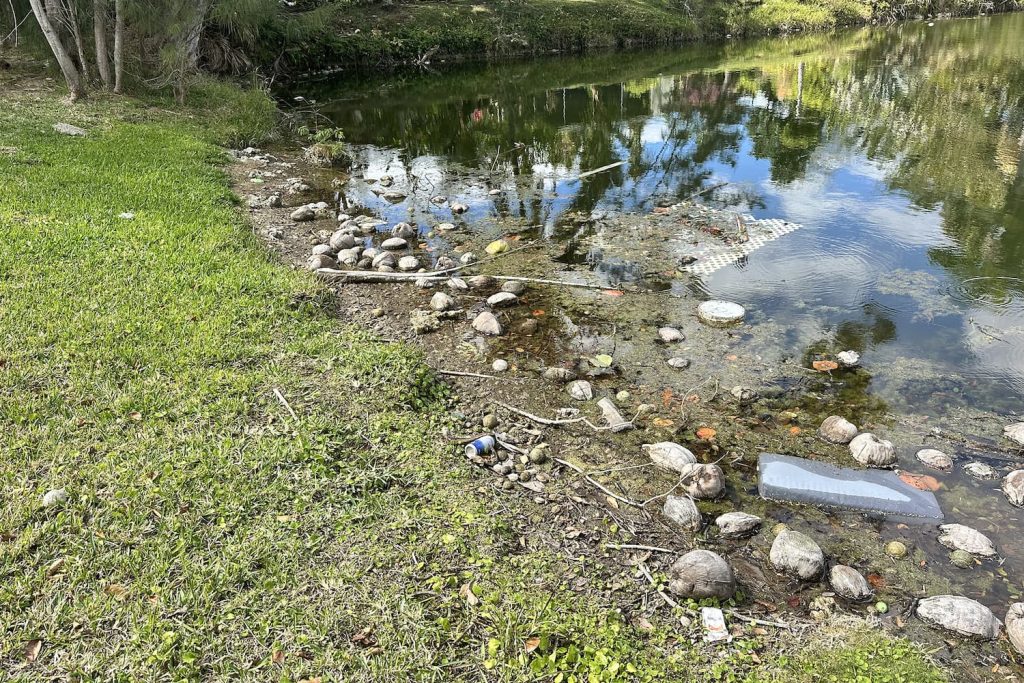
Table of Contents
For a waterfront community, the canal system is both an amenity and a piece of critical infrastructure, and when it silts in or chokes with vegetation, both roles fail at once. Views disappear, boats run aground, and, most seriously, water that should drain away instead backs up into streets and yards. Regular canal cleaning is what keeps a waterfront HOA’s canals doing their job, protecting property values and preventing flooding.
This guide explains why canal cleaning matters for waterfront communities, what happens when canals are neglected, what the work involves, how often it is needed, and how it protects both drainage and property.
Canal cleaning matters for waterfront HOAs because canals must stay clear to drain stormwater and tides, support navigation, and maintain water quality and property values. Over time, canals fill with sediment, muck, aquatic weeds, and debris that block flow and cause flooding. Regular canal cleaning removes these, restoring drainage, access, and appearance.
Key Takeaways
- Canals are drainage infrastructure, not just amenities. When they clog, stormwater and tidal water back up and can flood streets and yards.
- They fill in over time with sediment, muck, aquatic weeds, and storm debris that restrict flow and navigation.
- Neglect causes real problems, including flooding, blocked navigation, poor water quality, odors, and mosquito breeding.
- Cleaning restores flow, depth, and access, protecting property values and reducing flood risk.
- Recurring maintenance is essential, since canals continually reaccumulate sediment and vegetation, especially in tidal and storm-prone areas.
Why Do Canals Need Regular Cleaning?
Canals need regular cleaning because they continuously accumulate sediment, muck, aquatic weeds, and debris that restrict water flow. In waterfront communities, canals are drainage infrastructure that must stay clear to move stormwater and, in coastal areas, tidal water. When they fill in, that water backs up instead of draining, creating flood risk.
Recognizing canals as working infrastructure, not just scenery, is the key to understanding why maintenance is not optional.
Canals fill in from several directions at once. In coastal Florida especially, the process is relentless. As Pond Guru describes for Miami canal systems, tidal canals never get a break, with tides pushing sediment and debris up the channel twice a day, hurricane season adding storm wreckage, and inland canals reinfesting with weeds drifting in from connected waters, so a single cleanup cannot keep up.
The main things that accumulate:
- Sediment and silt that settle on the bottom and reduce depth.
- Muck, the organic sludge from decaying vegetation and debris.
- Aquatic weeds, which grow fast in warm, nutrient-rich Florida water.
- Storm debris, piled in by hurricanes and heavy weather.
Because these build up continuously, canal cleaning is a maintenance need rather than a one-time fix. The question for a waterfront HOA is not whether canals will fill in, but how proactively the community manages it.
What Happens if a Canal Is Not Maintained?
If a canal is not maintained, it silts in and fills with vegetation until water can no longer drain properly. The consequences include flooding of streets and properties, blocked navigation, degraded water quality, foul odors, increased mosquito breeding, and falling property values. In tidal areas, a clogged canal can cause flooding even on sunny days at high tide.
Spelling out the consequences shows why deferred canal maintenance is a false economy.
When a canal is neglected, problems compound:
- Flooding. This is the most serious. When a canal silts in or fills with vegetation, water that should drain away backs up, and stormwater or high tides end up in the streets and yards.
- Blocked navigation. Reduced depth and weed overgrowth make canals unusable for boating and paddling, stranding the waterfront amenity residents paid for.
- Poor water quality. Stagnant, clogged canals develop low oxygen, algae problems, and foul odors.
- Mosquito breeding. Stagnant water and dense vegetation create ideal mosquito habitat, a health and nuisance concern.
- Falling property values and curb appeal. An overgrown, mucky canal drags down the appearance and value of every waterfront home along it.
- Compliance issues. In many areas, keeping drainage canals clear and functional is required under local rules.
In low-lying coastal communities, the flooding risk is especially acute. As Pond Guru notes for Miami-Dade, where the land sits low and flat on porous limestone with a high water table, a canal that silts in or fills with vegetation means water that should empty into the bay backs up instead, producing sunny-day flooding and storm runoff in the street. That is the core reason canal maintenance is a genuine safety and property-protection issue, not just an aesthetic one.
Manage Your Canal Systems
Canal systems need to be regularly managed. Work with Pond Guru to clean your canal system and improve water flow.
What Does Canal Cleaning Involve?

Canal cleaning involves removing the sediment, muck, aquatic weeds, and debris that block flow, and often dredging to restore the canal’s depth and capacity. The work typically starts with a survey of depth, flow, vegetation, and debris, followed by mechanical removal, and is tailored to whether the canal is a freshwater inland channel or a tidal, bay-connected one.
Understanding the scope helps a board know what to expect and what to ask for.
The typical components of canal cleaning and restoration:
- Assessment first. A baseline survey of depth, water flow, vegetation, and debris along the full length of the canal establishes what is needed.
- Vegetation and weed removal. Clearing aquatic weeds and overgrowth that block flow and navigation, ideally including deep-rooted vegetation.
- Muck and sediment removal. Taking out the accumulated silt, muck, and debris that have reduced depth, which is where muck removal and dredging come in.
- Debris and storm cleanup. Removing storm wreckage and trash that block drainage.
- Restoring flow and depth. The goal is to reopen the channel so water drains as designed and boats can pass.
For coastal HOAs, the work is scheduled around tidal patterns and storm season rather than an arbitrary calendar. And because canals often connect to regulated waters, the work is performed with local compliance in mind, such as county environmental and water management district requirements. This blends with broader aquatic weed removal and stormwater maintenance programs.
How Often Should Waterfront Canals Be Cleaned?
Waterfront canals should be maintained on a recurring schedule rather than cleaned only once, because they continuously reaccumulate sediment and vegetation. The right frequency depends on the canal’s conditions, tidal exposure, surrounding vegetation, and storm history. Tidal and heavily vegetated canals need more frequent attention than stable inland ones.
The key principle is that canal cleaning is ongoing maintenance, and the schedule should match the canal’s specific rate of filling in.
Factors that determine how often a canal needs service:
- Tidal exposure. Bay-connected tidal canals accumulate sediment and debris twice daily and need frequent, planned maintenance.
- Vegetation pressure. Canals fed by weed-prone connected waters reinfest quickly and need regular weed removal.
- Storm exposure. Hurricane-prone areas require cleanup after major storms on top of routine service.
- Surrounding landscape. Heavy runoff and nearby vegetation increase sediment and nutrient input.
Rather than waiting for a canal to become blocked and then paying for a large emergency cleanup, most waterfront communities are better served by a recurring maintenance plan that protects the depth and flow once restored. This is both more effective at preventing flooding and typically more economical over time than repeated crisis cleanups.
How Does Canal Cleaning Protect Property and Drainage?
Canal cleaning protects property by keeping canals deep and clear enough to drain stormwater and tides away from homes and streets, preventing the flooding that clogged canals cause. It also preserves navigation, water quality, and appearance, all of which support waterfront property values. Functioning drainage is the most important benefit.
Connecting the maintenance to its payoff makes the case for a board weighing the investment.
The protection works on several levels:
- Flood prevention. A clear canal drains stormwater and tidal water as designed, keeping it out of streets and yards. This is the core protective function.
- Property value. Navigable, clean, attractive canals support the value of every waterfront home, while neglected ones erode it.
- Amenity preservation. Residents keep the boating, paddling, and waterfront access they bought into.
- Water quality and health. Good flow prevents the stagnation, algae, odors, and mosquito breeding that come with clogged canals.
- Regulatory compliance. Keeping drainage functional helps meet local requirements for waterway maintenance.
For a waterfront HOA, canal cleaning is ultimately about protecting the two things residents care about most: their safety from flooding and the value of their homes. Both depend on water continuing to move the way the canal system was designed to move it.
Schedule a Site Visit With Pond Guru

For a waterfront community, canals are infrastructure that quietly protects every home along them, right up until they clog and stop working. Keeping them clear is one of the most important and most overlooked responsibilities a waterfront HOA has, and it is far easier to maintain flow than to recover from a flood.
Pond Guru provides canal cleaning services for HOAs, waterfront communities, and property managers across Florida, clearing and dredging both freshwater inland canals and tidal, bay-connected channels, and building recurring maintenance plans that protect drainage and navigation.
Because every canal system is different, the process starts with a survey of your canal’s depth, flow, vegetation, and debris. To protect your community from flooding and keep your canals clear, schedule a site visit with Pond Guru and a specialist will assess conditions and recommend a plan.
Frequently Asked Questions
Canal cleaning keeps canals clear enough to drain stormwater and tides, which prevents flooding of streets and homes. It also preserves navigation, water quality, and appearance, all of which protect property values. In waterfront communities, canals are drainage infrastructure, so keeping them functional is a safety and property-protection issue, not just aesthetics.
A neglected canal silts in and fills with vegetation until water cannot drain properly, leading to flooding, blocked navigation, poor water quality, odors, mosquito breeding, and falling property values. In tidal coastal areas, a clogged canal can cause flooding even on sunny days at high tide, when backed-up water has nowhere to go.
Canal cleaning includes removing the sediment, muck, aquatic weeds, and debris that block flow, often with dredging to restore depth and capacity. It typically begins with a survey of depth, flow, vegetation, and debris, then mechanical removal tailored to whether the canal is a freshwater inland channel or a tidal, bay-connected one.
Canals should be maintained on a recurring schedule rather than cleaned once, because they continuously reaccumulate sediment and vegetation. Frequency depends on tidal exposure, vegetation pressure, storm history, and the surrounding landscape. Tidal and heavily vegetated canals need more frequent attention, and storm-prone areas need cleanup after major storms.
Yes, significantly. The primary purpose of canal cleaning in a waterfront community is to keep canals deep and clear enough to drain stormwater and tidal water away from homes and streets. When a canal silts in or fills with vegetation, that water backs up instead of draining, so keeping the canal clear directly reduces flood risk.
Ready to Schedule a Visit ?
Have questions about your pond or lake? Our experts are ready to help you take the next step.
Latest Article
Popular Post
The Secchi Disk: Measuring Water Clarity
Table of Contents For a tool that is essentially…