

Alligator in Pond: Are Florida Retention Ponds Safe?
Alligator in Pond: Are Florida Retention Ponds Safe?
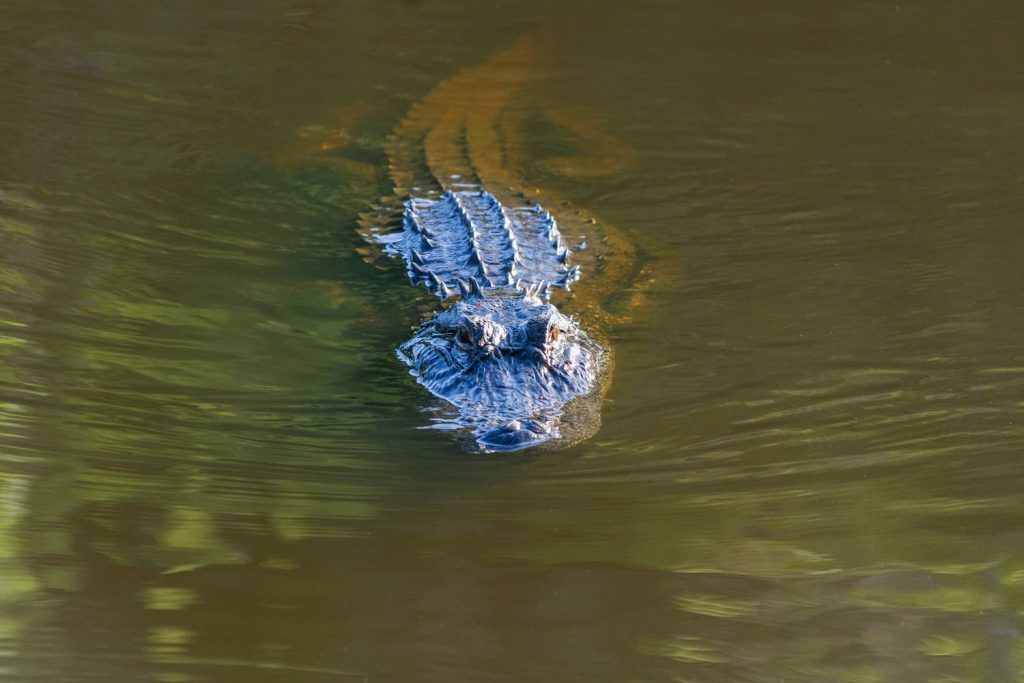
Table of Contents
Spotting an alligator in your community’s retention pond is unsettling, and for many Florida residents it prompts the same two questions: is it dangerous, and what should we do about it? The reassuring reality is that alligators are a normal part of nearly every Florida waterbody, serious attacks are rare, and a few simple precautions keep people and pets safe. But there are real rules to follow, and real mistakes that make things dangerous.
This guide explains how much risk an alligator in pond actually poses, the safety rules that matter most, when and how to report a nuisance alligator to Florida wildlife authorities, and why feeding them is both illegal and dangerous.
An alligator in a Florida retention pond is usually not a serious threat and is a natural part of the ecosystem. Attacks are rare, and most alligators avoid people. Retention ponds are generally safe with basic precautions: keep pets and children away from the edge, never feed alligators, and report any gator over four feet that behaves aggressively to FWC.
Key Takeaways
- Alligators live in nearly every Florida waterbody, including retention ponds, lakes, and canals. Their presence is normal.
- Serious attacks are rare. A Florida resident’s odds of an unprovoked alligator injury are roughly one in 3.1 million, lower than being struck by lightning.
- Pets are the real concern. Dogs are among the most common victims, so keep them leashed and at least 10 feet from the water.
- Never feed alligators. It is illegal in Florida and teaches them to associate people with food, which is what makes them dangerous.
- Report a nuisance gator to FWC at 866-FWC-GATOR. Do not try to remove or handle one yourself.
Is an Alligator in a Retention Pond Dangerous?
An alligator in a retention pond is usually not dangerous to people. Alligators are naturally wary of humans and typically avoid them. Serious attacks are statistically rare, and most alligators in community ponds simply live there quietly. The real risks come from human behavior, like feeding them or letting pets near the water.
Putting the danger in perspective is the first step to responding sensibly rather than fearfully.
According to analysis of Florida Fish and Wildlife Conservation Commission (FWC) data, the state recorded 442 unprovoked alligator bite incidents between 1948 and 2021, of which only 26 were fatal, averaging roughly six to ten serious bites per year and a fatal attack about once every three years. A Florida resident’s probability of an unprovoked alligator injury is around one in 3.1 million, meaning a person is far more likely to be killed by a lightning strike.
Just as telling, a University of Florida study found that about 96 percent of recorded alligator incidents involved some level of human inattention or risk-taking. In other words, alligator danger is overwhelmingly a function of human behavior, not unprovoked aggression. An alligator quietly occupying a retention pond, keeping its distance, is behaving exactly as it should.
That said, “rare” is not “never.” Fatal attacks do happen, often involving large alligators and situations near the water’s edge, which is why the precautions below genuinely matter.

Why Do Alligators Live in Retention Ponds?
Alligators live in retention ponds because these waterbodies offer exactly what they need: fresh water, fish and other prey, basking spots, and cover. Florida has millions of alligators spread across all 67 counties, and as development replaces natural wetlands, retention ponds and community lakes become part of their habitat. Their presence is expected, not unusual.
Understanding why they show up helps explain why removing one rarely solves anything long term.
Alligators can be found in nearly any body of fresh water in Florida, and lakes, retention ponds, and canals are all alligator habitat. A retention pond, from an alligator’s perspective, is simply a pond. It provides the food, water, and shoreline it needs.
Several factors bring alligators into community ponds:
- Habitat loss. As wetlands are developed, alligators use the human-made waterbodies that replace them.
- Abundant prey. Ponds with fish, turtles, and waterfowl are attractive feeding grounds.
- Connected waterways. Canals and drainage systems let alligators move from pond to pond, especially during breeding season and drought.
- Breeding and drought movement. During mating season, roughly April through June, and during dry spells, alligators travel more and may appear in new ponds.
This mobility is why removing one alligator often just opens space for another. A pond that suits one alligator will suit the next, which is part of why FWC manages alligators as a conserved species rather than eliminating them.
What Makes an Alligator a Nuisance?
Under Florida rules, an alligator is generally considered a nuisance if it is at least four feet long and is believed to pose a threat to people, pets, or property. Alligators under four feet are usually left in place, since they rarely threaten adults. A gator that shows no fear of people, or lingers where it should not, may qualify as a nuisance.
Knowing the official threshold helps a community respond appropriately instead of overreacting to every sighting.
The FWC’s Statewide Nuisance Alligator Program (SNAP) defines a nuisance alligator as one at least four feet in length that is believed to pose a threat. Smaller alligators are generally left alone because they are not large enough to be dangerous to people or pets unless handled, and you should never handle even a small one, since bites can cause serious infection and it is illegal.
Signs that an alligator may warrant a nuisance report:
- It is four feet or longer and near where people or pets frequent.
- It shows no fear of people, approaching rather than fleeing, often a sign it has been fed.
- It has moved into a yard, pool, or other developed area away from the pond.
- It has stayed more than a day or two rather than moving through.
A two-foot alligator at a pond’s edge is part of the ecosystem. A large gator sitting by a back fence, or one that approaches people, is a different situation. The distinction is what the four-foot nuisance threshold is designed to capture.
How Do You Report a Nuisance Alligator in Florida?

To report a nuisance alligator in Florida, call the FWC’s toll-free Statewide Nuisance Alligator Program hotline at 866-FWC-GATOR (866-392-4286). If the alligator qualifies, FWC dispatches a licensed, contracted trapper to remove it. Never attempt to capture, harass, or move an alligator yourself, as this is illegal and dangerous.
Reporting through the proper channel is both the safe option and the legal one.
The process is straightforward:
- Call the Nuisance Alligator Hotline at 866-FWC-GATOR (866-392-4286). The hotline number spells out the word GATOR.
- FWC evaluates the report to determine whether the alligator meets the nuisance criteria.
- A contracted trapper is dispatched if the animal qualifies, and licensed trappers are the only people who may legally remove a nuisance alligator.
- For a community, notify property management too, since a CDD or HOA may need the FWC case number to authorize a trapper to access the property.
One difficult but important fact: nuisance alligators are typically euthanized rather than relocated, because relocated adult alligators often try to return to their home range and can create conflicts elsewhere. This is another reason to reserve nuisance reports for alligators that genuinely pose a threat, rather than every alligator simply for existing in its habitat.
Only FWC-authorized trappers may remove an alligator. Capturing, harassing, feeding, or killing one without authorization violates Florida law and can bring significant fines and criminal penalties.
How Do You Stay Safe Around Alligators?
To stay safe, keep a distance of at least 10 to 15 feet from any alligator, never feed them, keep pets leashed and away from the water’s edge, and swim only in designated areas during daylight. Most alligator incidents are preventable with these simple habits, since alligators are most dangerous when they lose their natural fear of people.
These precautions are simple, and they address the situations where the rare incidents actually happen.
Essential safety rules:
- Keep your distance. Stay at least 10 to 15 feet back. Alligators can move quickly over short distances.
- Protect pets. Keep dogs leashed and at least 10 feet from the water, since alligators associate the splashing and movement of small animals with prey. Dogs are among the most common victims.
- Mind children. Keep children away from the water’s edge and never let them play near a pond unsupervised.
- Swim smart. Swim only in designated areas and during daylight, since alligators are most active between dusk and dawn.
- Do not feed prey animals either. Avoid feeding ducks and turtles at the pond, since attracting prey draws alligators closer to shore.
- Dispose of fish scraps properly. Never leave fish scraps in or near the water, as they attract alligators.
The single most important rule underlies all the others: never feed an alligator, and never let anyone else do so. A fed alligator is a dangerous alligator, because it loses its natural wariness and begins to associate people with food.
Report a Nuisance Gator in Your Lake
Pond Guru can help contact FWC and manage reporting nuisance alligators in your pond or lake.
Why Is Feeding Alligators Illegal?
Feeding alligators is illegal in Florida because it directly creates dangerous animals. When alligators are fed, they lose their natural fear of humans and learn to associate people with food, making them far more likely to approach and potentially bite. Florida law prohibits feeding alligators, and violations carry real penalties.
This deserves its own section because it is the single behavior most responsible for turning a harmless alligator into a dangerous one.
Feeding alligators is prohibited under Florida law, and FWC warns that feeding is dangerous precisely because it teaches alligators to associate people with food, eroding the natural wariness that normally keeps them away from humans. Florida Administrative Code 68A-25.001 prohibits feeding alligators, and doing so is a violation that can bring penalties.
Important nuances communities should understand:
- Feeding is not just tossing food to a gator directly. Leaving fish scraps at the shoreline or deliberately attracting wildlife can have the same effect.
- It endangers everyone, since a food-conditioned alligator becomes a threat to the whole community, not just the person who fed it.
- Reporting feeding is appropriate. If you see someone feeding alligators, it can be reported to FWC’s law enforcement line.
For an HOA or community, a clear no-feeding policy, communicated to residents, is one of the most effective safety measures available. It is far easier to prevent a food-conditioned alligator than to deal with one.
Schedule a Site Visit With Pond Guru
An alligator in your community pond is usually nothing to panic about, but managing a waterbody where alligators live does call for the right habits and the occasional professional eye. Healthy ponds, clear shorelines, and informed residents all reduce conflict, while feeding, overgrown banks, and misinformation increase it.
Pond Guru works with HOA boards and property managers across Florida to maintain healthy community waterbodies, manage shorelines and vegetation, and support the balanced wildlife that makes a pond an asset rather than a worry.
Because every pond and community is different, the process starts with an on-site evaluation. To keep your community’s waterbody healthy and its residents informed, schedule a site visit with Pond Guru and a specialist will assess conditions and recommend a plan.
For any alligator that appears to pose a threat, contact the FWC Nuisance Alligator Hotline at 866-FWC-GATOR directly.

Frequently Asked Questions
Usually not. Alligators are naturally wary of people, and serious attacks are rare, with a Florida resident's odds of injury around one in 3.1 million. Retention ponds are generally safe with basic precautions. The real danger comes from human behavior like feeding alligators or letting pets near the water's edge.
FWC generally considers an alligator a nuisance if it is at least four feet long and believed to threaten people, pets, or property. Alligators under four feet are usually left in place, since they rarely threaten adults. Only a licensed, FWC-authorized trapper may legally remove a nuisance alligator.
Call the FWC's Statewide Nuisance Alligator Program hotline at 866-FWC-GATOR (866-392-4286). FWC will evaluate whether the alligator qualifies as a nuisance and, if so, dispatch a licensed trapper. Never try to capture, move, or harm the alligator yourself, as it is illegal and dangerous.
Generally no. Nuisance alligators are typically euthanized rather than relocated, because relocated adult alligators often attempt to return to their home range or create conflicts in new areas. This policy is one reason nuisance reports should be reserved for alligators that genuinely pose a threat, not every alligator present in a pond.
Keep your dog leashed and at least 10 feet from the water's edge, since alligators associate the splashing and movement of small animals with prey, and dogs are among the most common victims. Do not let pets swim or drink in ponds, lakes, or canals, and avoid walking them near the water at dusk or dawn.
Ready to Schedule a Visit ?
Have questions about your pond or lake? Our experts are ready to help you take the next step.
Latest Article
Popular Post

Why Keeping Culverts Clear of Debris Matters for Stormwater Systems
Table of Contents A culvert is one of those…
Table of Contents
Spotting an alligator in your community’s retention pond is unsettling, and for many Florida residents it prompts the same two questions: is it dangerous, and what should we do about it? The reassuring reality is that alligators are a normal part of nearly every Florida waterbody, serious attacks are rare, and a few simple precautions keep people and pets safe. But there are real rules to follow, and real mistakes that make things dangerous.
This guide explains how much risk an alligator in pond actually poses, the safety rules that matter most, when and how to report a nuisance alligator to Florida wildlife authorities, and why feeding them is both illegal and dangerous.
An alligator in a Florida retention pond is usually not a serious threat and is a natural part of the ecosystem. Attacks are rare, and most alligators avoid people. Retention ponds are generally safe with basic precautions: keep pets and children away from the edge, never feed alligators, and report any gator over four feet that behaves aggressively to FWC.
Key Takeaways
- Alligators live in nearly every Florida waterbody, including retention ponds, lakes, and canals. Their presence is normal.
- Serious attacks are rare. A Florida resident’s odds of an unprovoked alligator injury are roughly one in 3.1 million, lower than being struck by lightning.
- Pets are the real concern. Dogs are among the most common victims, so keep them leashed and at least 10 feet from the water.
- Never feed alligators. It is illegal in Florida and teaches them to associate people with food, which is what makes them dangerous.
- Report a nuisance gator to FWC at 866-FWC-GATOR. Do not try to remove or handle one yourself.
Is an Alligator in a Retention Pond Dangerous?
An alligator in a retention pond is usually not dangerous to people. Alligators are naturally wary of humans and typically avoid them. Serious attacks are statistically rare, and most alligators in community ponds simply live there quietly. The real risks come from human behavior, like feeding them or letting pets near the water.
Putting the danger in perspective is the first step to responding sensibly rather than fearfully.
According to analysis of Florida Fish and Wildlife Conservation Commission (FWC) data, the state recorded 442 unprovoked alligator bite incidents between 1948 and 2021, of which only 26 were fatal, averaging roughly six to ten serious bites per year and a fatal attack about once every three years. A Florida resident’s probability of an unprovoked alligator injury is around one in 3.1 million, meaning a person is far more likely to be killed by a lightning strike.
Just as telling, a University of Florida study found that about 96 percent of recorded alligator incidents involved some level of human inattention or risk-taking. In other words, alligator danger is overwhelmingly a function of human behavior, not unprovoked aggression. An alligator quietly occupying a retention pond, keeping its distance, is behaving exactly as it should.
That said, “rare” is not “never.” Fatal attacks do happen, often involving large alligators and situations near the water’s edge, which is why the precautions below genuinely matter.
Why Do Alligators Live in Retention Ponds?
Alligators live in retention ponds because these waterbodies offer exactly what they need: fresh water, fish and other prey, basking spots, and cover. Florida has millions of alligators spread across all 67 counties, and as development replaces natural wetlands, retention ponds and community lakes become part of their habitat. Their presence is expected, not unusual.
Understanding why they show up helps explain why removing one rarely solves anything long term.
Alligators can be found in nearly any body of fresh water in Florida, and lakes, retention ponds, and canals are all alligator habitat. A retention pond, from an alligator’s perspective, is simply a pond. It provides the food, water, and shoreline it needs.
Several factors bring alligators into community ponds:
- Habitat loss. As wetlands are developed, alligators use the human-made waterbodies that replace them.
- Abundant prey. Ponds with fish, turtles, and waterfowl are attractive feeding grounds.
- Connected waterways. Canals and drainage systems let alligators move from pond to pond, especially during breeding season and drought.
- Breeding and drought movement. During mating season, roughly April through June, and during dry spells, alligators travel more and may appear in new ponds.
This mobility is why removing one alligator often just opens space for another. A pond that suits one alligator will suit the next, which is part of why FWC manages alligators as a conserved species rather than eliminating them.
What Makes an Alligator a Nuisance?
Under Florida rules, an alligator is generally considered a nuisance if it is at least four feet long and is believed to pose a threat to people, pets, or property. Alligators under four feet are usually left in place, since they rarely threaten adults. A gator that shows no fear of people, or lingers where it should not, may qualify as a nuisance.
Knowing the official threshold helps a community respond appropriately instead of overreacting to every sighting.
The FWC’s Statewide Nuisance Alligator Program (SNAP) defines a nuisance alligator as one at least four feet in length that is believed to pose a threat. Smaller alligators are generally left alone because they are not large enough to be dangerous to people or pets unless handled, and you should never handle even a small one, since bites can cause serious infection and it is illegal.
Signs that an alligator may warrant a nuisance report:
- It is four feet or longer and near where people or pets frequent.
- It shows no fear of people, approaching rather than fleeing, often a sign it has been fed.
- It has moved into a yard, pool, or other developed area away from the pond.
- It has stayed more than a day or two rather than moving through.
A two-foot alligator at a pond’s edge is part of the ecosystem. A large gator sitting by a back fence, or one that approaches people, is a different situation. The distinction is what the four-foot nuisance threshold is designed to capture.
How Do You Report a Nuisance Alligator in Florida?

To report a nuisance alligator in Florida, call the FWC’s toll-free Statewide Nuisance Alligator Program hotline at 866-FWC-GATOR (866-392-4286). If the alligator qualifies, FWC dispatches a licensed, contracted trapper to remove it. Never attempt to capture, harass, or move an alligator yourself, as this is illegal and dangerous.
Reporting through the proper channel is both the safe option and the legal one.
The process is straightforward:
- Call the Nuisance Alligator Hotline at 866-FWC-GATOR (866-392-4286). The hotline number spells out the word GATOR.
- FWC evaluates the report to determine whether the alligator meets the nuisance criteria.
- A contracted trapper is dispatched if the animal qualifies, and licensed trappers are the only people who may legally remove a nuisance alligator.
- For a community, notify property management too, since a CDD or HOA may need the FWC case number to authorize a trapper to access the property.
One difficult but important fact: nuisance alligators are typically euthanized rather than relocated, because relocated adult alligators often try to return to their home range and can create conflicts elsewhere. This is another reason to reserve nuisance reports for alligators that genuinely pose a threat, rather than every alligator simply for existing in its habitat.
Only FWC-authorized trappers may remove an alligator. Capturing, harassing, feeding, or killing one without authorization violates Florida law and can bring significant fines and criminal penalties.
How Do You Stay Safe Around Alligators?
To stay safe, keep a distance of at least 10 to 15 feet from any alligator, never feed them, keep pets leashed and away from the water’s edge, and swim only in designated areas during daylight. Most alligator incidents are preventable with these simple habits, since alligators are most dangerous when they lose their natural fear of people.
These precautions are simple, and they address the situations where the rare incidents actually happen.
Essential safety rules:
- Keep your distance. Stay at least 10 to 15 feet back. Alligators can move quickly over short distances.
- Protect pets. Keep dogs leashed and at least 10 feet from the water, since alligators associate the splashing and movement of small animals with prey. Dogs are among the most common victims.
- Mind children. Keep children away from the water’s edge and never let them play near a pond unsupervised.
- Swim smart. Swim only in designated areas and during daylight, since alligators are most active between dusk and dawn.
- Do not feed prey animals either. Avoid feeding ducks and turtles at the pond, since attracting prey draws alligators closer to shore.
- Dispose of fish scraps properly. Never leave fish scraps in or near the water, as they attract alligators.
The single most important rule underlies all the others: never feed an alligator, and never let anyone else do so. A fed alligator is a dangerous alligator, because it loses its natural wariness and begins to associate people with food.
Report a Nuisance Gator in Your Lake
Pond Guru can help contact FWC and manage reporting nuisance alligators in your pond or lake.
Why Is Feeding Alligators Illegal?
Feeding alligators is illegal in Florida because it directly creates dangerous animals. When alligators are fed, they lose their natural fear of humans and learn to associate people with food, making them far more likely to approach and potentially bite. Florida law prohibits feeding alligators, and violations carry real penalties.
This deserves its own section because it is the single behavior most responsible for turning a harmless alligator into a dangerous one.
Feeding alligators is prohibited under Florida law, and FWC warns that feeding is dangerous precisely because it teaches alligators to associate people with food, eroding the natural wariness that normally keeps them away from humans. Florida Administrative Code 68A-25.001 prohibits feeding alligators, and doing so is a violation that can bring penalties.
Important nuances communities should understand:
- Feeding is not just tossing food to a gator directly. Leaving fish scraps at the shoreline or deliberately attracting wildlife can have the same effect.
- It endangers everyone, since a food-conditioned alligator becomes a threat to the whole community, not just the person who fed it.
- Reporting feeding is appropriate. If you see someone feeding alligators, it can be reported to FWC’s law enforcement line.
For an HOA or community, a clear no-feeding policy, communicated to residents, is one of the most effective safety measures available. It is far easier to prevent a food-conditioned alligator than to deal with one.
Schedule a Site Visit With Pond Guru

An alligator in your community pond is usually nothing to panic about, but managing a waterbody where alligators live does call for the right habits and the occasional professional eye. Healthy ponds, clear shorelines, and informed residents all reduce conflict, while feeding, overgrown banks, and misinformation increase it.
Pond Guru works with HOA boards and property managers across Florida to maintain healthy community waterbodies, manage shorelines and vegetation, and support the balanced wildlife that makes a pond an asset rather than a worry.
Because every pond and community is different, the process starts with an on-site evaluation. To keep your community’s waterbody healthy and its residents informed, schedule a site visit with Pond Guru and a specialist will assess conditions and recommend a plan.
For any alligator that appears to pose a threat, contact the FWC Nuisance Alligator Hotline at 866-FWC-GATOR directly.
Frequently Asked Questions
Usually not. Alligators are naturally wary of people, and serious attacks are rare, with a Florida resident's odds of injury around one in 3.1 million. Retention ponds are generally safe with basic precautions. The real danger comes from human behavior like feeding alligators or letting pets near the water's edge.
FWC generally considers an alligator a nuisance if it is at least four feet long and believed to threaten people, pets, or property. Alligators under four feet are usually left in place, since they rarely threaten adults. Only a licensed, FWC-authorized trapper may legally remove a nuisance alligator.
Call the FWC's Statewide Nuisance Alligator Program hotline at 866-FWC-GATOR (866-392-4286). FWC will evaluate whether the alligator qualifies as a nuisance and, if so, dispatch a licensed trapper. Never try to capture, move, or harm the alligator yourself, as it is illegal and dangerous.
Generally no. Nuisance alligators are typically euthanized rather than relocated, because relocated adult alligators often attempt to return to their home range or create conflicts in new areas. This policy is one reason nuisance reports should be reserved for alligators that genuinely pose a threat, not every alligator present in a pond.
Keep your dog leashed and at least 10 feet from the water's edge, since alligators associate the splashing and movement of small animals with prey, and dogs are among the most common victims. Do not let pets swim or drink in ponds, lakes, or canals, and avoid walking them near the water at dusk or dawn.
Ready to Schedule a Visit ?
Have questions about your pond or lake? Our experts are ready to help you take the next step.
Latest Article
Popular Post
Why Keeping Culverts Clear of Debris Matters for Stormwater Systems
Table of Contents A culvert is one of those…