

What Eats Frogs in Ponds? Pond Wildlife Management
What Eats Frogs in Ponds? Pond Wildlife Management
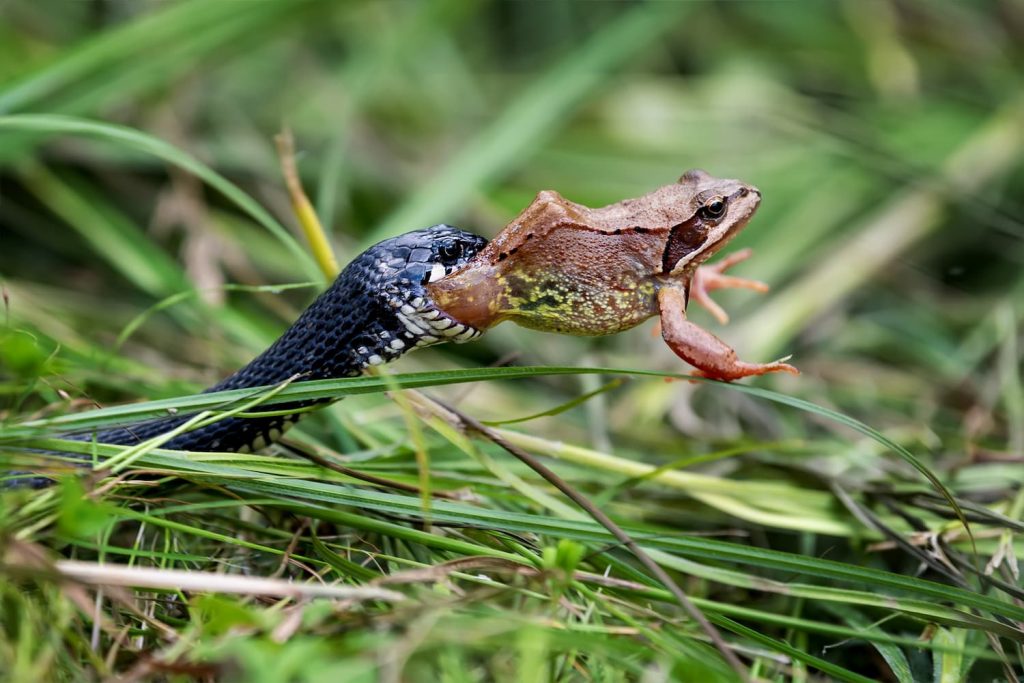
Florida ponds support frogs because they offer shallow water, insect activity, shoreline cover, and breeding habitat. Those same conditions also support predators. In a balanced pond, some frog loss is normal. Birds, snakes, fish, turtles, raccoons, and larger frogs all feed on frogs at different stages of life, and Florida species resources show that common pond frogs in the state include bullfrogs, pig frogs, river frogs, southern leopard frogs, and treefrogs.
For homeowners, HOA boards, golf course superintendents, and property managers, the value in understanding what eats frogs is practical. Predator pressure helps explain why frog numbers rise and fall through the year, why some ponds produce many tadpoles, and why others support mostly adult frogs. In most cases, the bigger issue is not the predator itself. It is whether the shoreline still provides the right balance of refuge, open water, and manageable vegetation.
Main Predators for Pond Frogs
The most common pond frog predators in Florida usually fall into a few clear groups:
- wading birds such as herons
- snakes along the bank and in wet vegetation
- fish that consume eggs and tadpoles
- turtles that feed on egg masses
- raccoons and other shoreline mammals
- larger frogs, especially bullfrogs
Wildlife habitat guidance notes that turtles feed on egg masses, snakes and raccoons feed on tadpoles and frogs, and birds such as green herons and red-shouldered hawks also visit ponds to feed. Fish are especially important at the early life stage because they strongly reduce egg and tadpole survival in permanent water.
Birds matter most where the pond edge is open and shallow. Snakes matter most where wet vegetation gives them cover. Fish matter most for eggs and tadpoles. Bullfrogs matter where smaller frogs and fish fry are already concentrated along the edge. That is why the answer to what eats a frog changes with water depth, shoreline design, and the life stage of the frog.
Eggs, Tadpoles, and Froglets
Early life stages face the heaviest losses. Fish and turtles are major threats to egg masses and tadpoles, while snakes, birds, and larger aquatic insects also add pressure in shallow breeding water. Habitat guidance on seasonal ponds notes that egg masses and tadpoles survive best where fish are absent or where shallow refuge areas give them some protection.
What baby frogs eat depends on the stage. Tadpoles usually feed on algae, detritus, and fine organic material in the water. Once they become froglets, they shift to very small live prey such as springtails and tiny insects. That transition is one of the most vulnerable points in the life cycle because the young frogs need both food and immediate cover at the shoreline.
A pond with no shallow refuge often loses young frogs quickly. A pond with too much dense edge growth may support more young frogs, but it can also support more snakes, raccoons, and larger bullfrogs. In other words, shoreline structure influences both survival and predation.
Adult Frog Diets
Most adult pond frogs are insect eaters. What frogs eat specifically means flies, beetles, mosquitoes, spiders, and other small invertebrates. Florida species accounts note that barking treefrogs eat mainly beetles and other small insects, while squirrel treefrogs feed on spiders, termites, beetles, and similar prey.
That also helps explain what tree frogs eat around pond edges. Treefrogs are usually part of the insect-control side of the pond food web, especially around shoreline lights, wet plantings, and humid landscape zones. They are much less of a fish concern than larger pond frogs.
Large frogs are different. Bullfrogs can take insects, smaller frogs, and fish small enough to swallow. That is where frogs that eat fish become a real pond management issue, especially in ornamental ponds or stocked ponds with fry near the shoreline. The American bullfrog tadpole also matters because bullfrog tadpoles and a large bullfrog tadpole may remain in the pond for an extended period before transforming, which helps explain why very large tadpoles are often linked to bullfrog-dominant ponds.
Impact of Frog Predators on a Pond
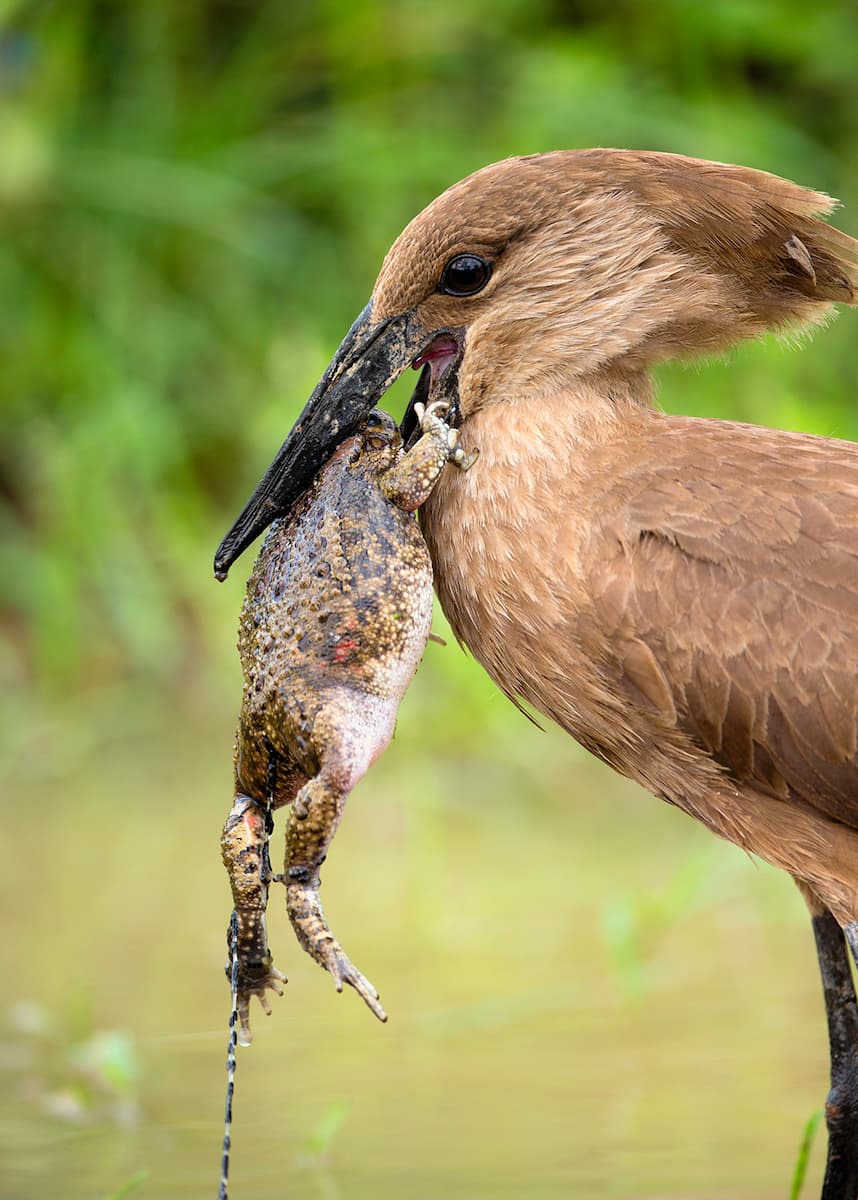
Predators do not automatically mean a pond has a problem. In many cases, frogs and frog predators show that the pond edge still functions as habitat. Frog activity usually points to moisture, insect life, breeding water, and usable cover. Predator activity usually points to a shoreline that is productive enough to support a full food web.
The management issue is balance. A fish-focused pond may need:
- more protection for fry
- less bullfrog pressure
- cleaner shallow margins
A naturalized pond may benefit from:
- broader shoreline cover
- amphibian breeding habitat
- stronger wildlife diversity
A highly managed HOA or golf course pond often needs a middle ground, where the shoreline supports wildlife without becoming too dense, too shallow, or too favorable to predators near visible edge zones.
How Pond Guru Helps
Pond Guru helps property owners evaluate frog activity as part of the broader pond system. A site visit can assess shallow breeding shelves, vegetation density, fish fry vulnerability, predator access along the bank, and whether frog numbers reflect a healthy habitat balance or an overgrown shoreline edge. That kind of review helps turn a general wildlife concern into a practical shoreline and habitat plan.
Frequently Asked Questions
The most common predators are wading birds, snakes, fish, turtles, raccoons, and larger frogs such as bullfrogs. Which predator matters most depends on whether the frog is still an egg, a tadpole, a froglet, or an adult.
After metamorphosis, baby frogs shift away from algae and detritus and begin eating very small live prey such as tiny insects and other small invertebrates. Tadpoles feed very differently from froglets, which is why shallow transition habitat matters so much.
Large bullfrogs can take fry and very small fish, especially in shallow edge habitat where prey is easy to catch. Most small treefrogs are much more insect focused and do not create the same pressure on fish populations.
Treefrogs mainly eat insects. Florida species accounts note diets built around beetles, flies, mosquitoes, spiders, termites, and other small invertebrates, which makes treefrogs more helpful for insect pressure than harmful to fish.
Pond Guru can inspect shoreline habitat, breeding zones, vegetation density, and predator access to determine whether frog activity fits your pond goals or whether the edge should be managed differently.
Ready to Schedule a Visit ?
Have questions about your pond or lake? Our experts are ready to help you take the next step.
Latest Article
Popular Post

Broadleaf Arrowhead (Duck Potato): A Florida Pond Plant Guide
Source: AZGardens.com Table of Contents Walk the shallow edge…
Florida ponds support frogs because they offer shallow water, insect activity, shoreline cover, and breeding habitat. Those same conditions also support predators. In a balanced pond, some frog loss is normal. Birds, snakes, fish, turtles, raccoons, and larger frogs all feed on frogs at different stages of life, and Florida species resources show that common pond frogs in the state include bullfrogs, pig frogs, river frogs, southern leopard frogs, and treefrogs.
For homeowners, HOA boards, golf course superintendents, and property managers, the value in understanding what eats frogs is practical. Predator pressure helps explain why frog numbers rise and fall through the year, why some ponds produce many tadpoles, and why others support mostly adult frogs. In most cases, the bigger issue is not the predator itself. It is whether the shoreline still provides the right balance of refuge, open water, and manageable vegetation.
Main Predators for Pond Frogs
The most common pond frog predators in Florida usually fall into a few clear groups:
- wading birds such as herons
- snakes along the bank and in wet vegetation
- fish that consume eggs and tadpoles
- turtles that feed on egg masses
- raccoons and other shoreline mammals
- larger frogs, especially bullfrogs
Wildlife habitat guidance notes that turtles feed on egg masses, snakes and raccoons feed on tadpoles and frogs, and birds such as green herons and red-shouldered hawks also visit ponds to feed. Fish are especially important at the early life stage because they strongly reduce egg and tadpole survival in permanent water.
Birds matter most where the pond edge is open and shallow. Snakes matter most where wet vegetation gives them cover. Fish matter most for eggs and tadpoles. Bullfrogs matter where smaller frogs and fish fry are already concentrated along the edge. That is why the answer to what eats a frog changes with water depth, shoreline design, and the life stage of the frog.
Eggs, Tadpoles, and Froglets
Early life stages face the heaviest losses. Fish and turtles are major threats to egg masses and tadpoles, while snakes, birds, and larger aquatic insects also add pressure in shallow breeding water. Habitat guidance on seasonal ponds notes that egg masses and tadpoles survive best where fish are absent or where shallow refuge areas give them some protection.
What baby frogs eat depends on the stage. Tadpoles usually feed on algae, detritus, and fine organic material in the water. Once they become froglets, they shift to very small live prey such as springtails and tiny insects. That transition is one of the most vulnerable points in the life cycle because the young frogs need both food and immediate cover at the shoreline.
A pond with no shallow refuge often loses young frogs quickly. A pond with too much dense edge growth may support more young frogs, but it can also support more snakes, raccoons, and larger bullfrogs. In other words, shoreline structure influences both survival and predation.
Adult Frog Diets
Most adult pond frogs are insect eaters. What frogs eat specifically means flies, beetles, mosquitoes, spiders, and other small invertebrates. Florida species accounts note that barking treefrogs eat mainly beetles and other small insects, while squirrel treefrogs feed on spiders, termites, beetles, and similar prey.
That also helps explain what tree frogs eat around pond edges. Treefrogs are usually part of the insect-control side of the pond food web, especially around shoreline lights, wet plantings, and humid landscape zones. They are much less of a fish concern than larger pond frogs.
Large frogs are different. Bullfrogs can take insects, smaller frogs, and fish small enough to swallow. That is where frogs that eat fish become a real pond management issue, especially in ornamental ponds or stocked ponds with fry near the shoreline. The American bullfrog tadpole also matters because bullfrog tadpoles and a large bullfrog tadpole may remain in the pond for an extended period before transforming, which helps explain why very large tadpoles are often linked to bullfrog-dominant ponds.
Impact of Frog Predators on a Pond
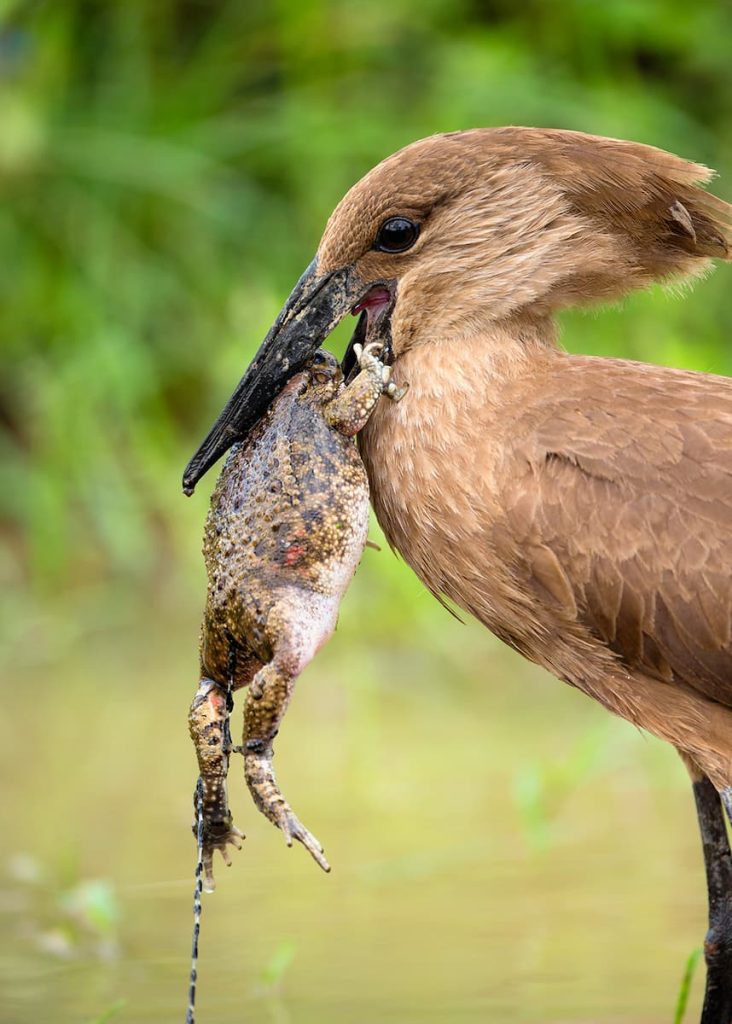
Predators do not automatically mean a pond has a problem. In many cases, frogs and frog predators show that the pond edge still functions as habitat. Frog activity usually points to moisture, insect life, breeding water, and usable cover. Predator activity usually points to a shoreline that is productive enough to support a full food web.
The management issue is balance. A fish-focused pond may need:
- more protection for fry
- less bullfrog pressure
- cleaner shallow margins
A naturalized pond may benefit from:
- broader shoreline cover
- amphibian breeding habitat
- stronger wildlife diversity
A highly managed HOA or golf course pond often needs a middle ground, where the shoreline supports wildlife without becoming too dense, too shallow, or too favorable to predators near visible edge zones.
How Pond Guru Helps
Pond Guru helps property owners evaluate frog activity as part of the broader pond system. A site visit can assess shallow breeding shelves, vegetation density, fish fry vulnerability, predator access along the bank, and whether frog numbers reflect a healthy habitat balance or an overgrown shoreline edge. That kind of review helps turn a general wildlife concern into a practical shoreline and habitat plan.
Frequently Asked Questions
The most common predators are wading birds, snakes, fish, turtles, raccoons, and larger frogs such as bullfrogs. Which predator matters most depends on whether the frog is still an egg, a tadpole, a froglet, or an adult.
After metamorphosis, baby frogs shift away from algae and detritus and begin eating very small live prey such as tiny insects and other small invertebrates. Tadpoles feed very differently from froglets, which is why shallow transition habitat matters so much.
Large bullfrogs can take fry and very small fish, especially in shallow edge habitat where prey is easy to catch. Most small treefrogs are much more insect focused and do not create the same pressure on fish populations.
Treefrogs mainly eat insects. Florida species accounts note diets built around beetles, flies, mosquitoes, spiders, termites, and other small invertebrates, which makes treefrogs more helpful for insect pressure than harmful to fish.
Pond Guru can inspect shoreline habitat, breeding zones, vegetation density, and predator access to determine whether frog activity fits your pond goals or whether the edge should be managed differently.
Ready to Schedule a Visit ?
Have questions about your pond or lake? Our experts are ready to help you take the next step.
Latest Article
Popular Post
Broadleaf Arrowhead (Duck Potato): A Florida Pond Plant Guide
Source: AZGardens.com Table of Contents Walk the shallow edge…