

How Do You Kill Lily Pads Without Harming Fish?
How Do You Kill Lily Pads Without Harming Fish?
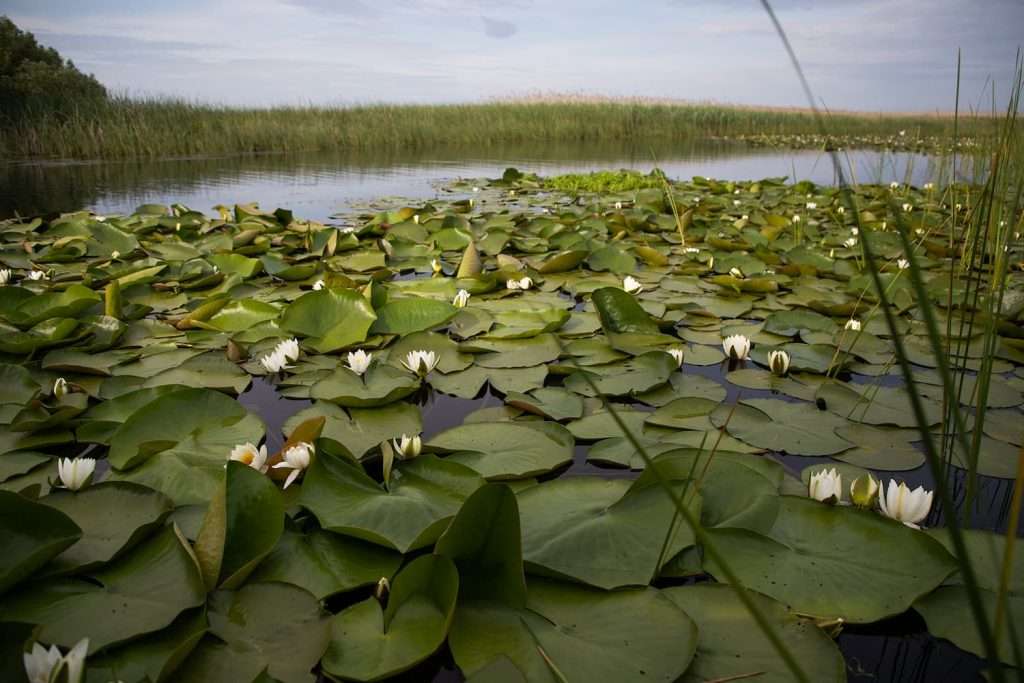
Lily pads can add beauty and habitat to a pond in small amounts, but when they spread aggressively, they quickly become a management problem. Thick lily pad coverage can block sunlight, reduce usable water, interfere with fishing and recreation, and contribute to oxygen imbalance in the pond.
For HOAs, golf courses, property managers, and private pond owners, the challenge is not just how do you kill lily pads without harming fish. The real challenge is controlling lily pads in a way that protects the overall health and function of the waterbody.
This guide explains how lily pads grow, why they spread so aggressively, and the safest methods for aquatic weed removal that minimize stress on fish and pond ecosystems.
Why Lily Pads Become a Problem in Ponds and Lakes
Lily pads are rooted aquatic plants that spread through underground rhizomes beneath the pond bottom. While a moderate amount of vegetation can be beneficial, uncontrolled growth often creates larger issues.
Heavy lily pad coverage can:
- Reduce open water area
- Limit water circulation
- Block sunlight penetration
- Trap sediment and organic debris
- Interfere with fishing and boating
- Increase long-term pond maintenance needs
In many Florida ponds, lily pads expand rapidly because shallow water and nutrient-rich sediment create ideal growing conditions.
How Do You Kill Lily Pads Without Harming Fish?
The safest answer to how do you kill lily pads without harming fish is to avoid sudden, large-scale die-off in the pond.
Fish are often harmed indirectly during vegetation treatment, not by the plants themselves. When large amounts of vegetation die all at once, decomposition consumes oxygen in the water. This can create stress or even fish kills.
The safest approach typically includes:
- Gradual treatment instead of full-pond removal
- Mechanical removal of excess biomass
- Maintaining aeration during treatment
- Targeting specific areas first
- Monitoring oxygen levels in warm weather
This is why professional pond management focuses on controlled reduction rather than aggressive one-time elimination.
How Lily Pads Grow and Spread
Understanding lily pad growth helps explain why control can be difficult.
Lily pads spread through:
Rhizomes
Underground root systems expand horizontally beneath the pond bottom. New plants emerge from these spreading rhizomes.
Seed production
Some species also reproduce by seed, allowing lily pads to establish in new shoreline areas.
Favorable pond conditions
Lily pads thrive in:
- Shallow water
- Soft organic sediment
- Nutrient-rich ponds
- Areas with slow water movement
As ponds gradually fill with sediment over time, lily pads often spread farther into open water.
How to Remove Lily Pads from a Pond
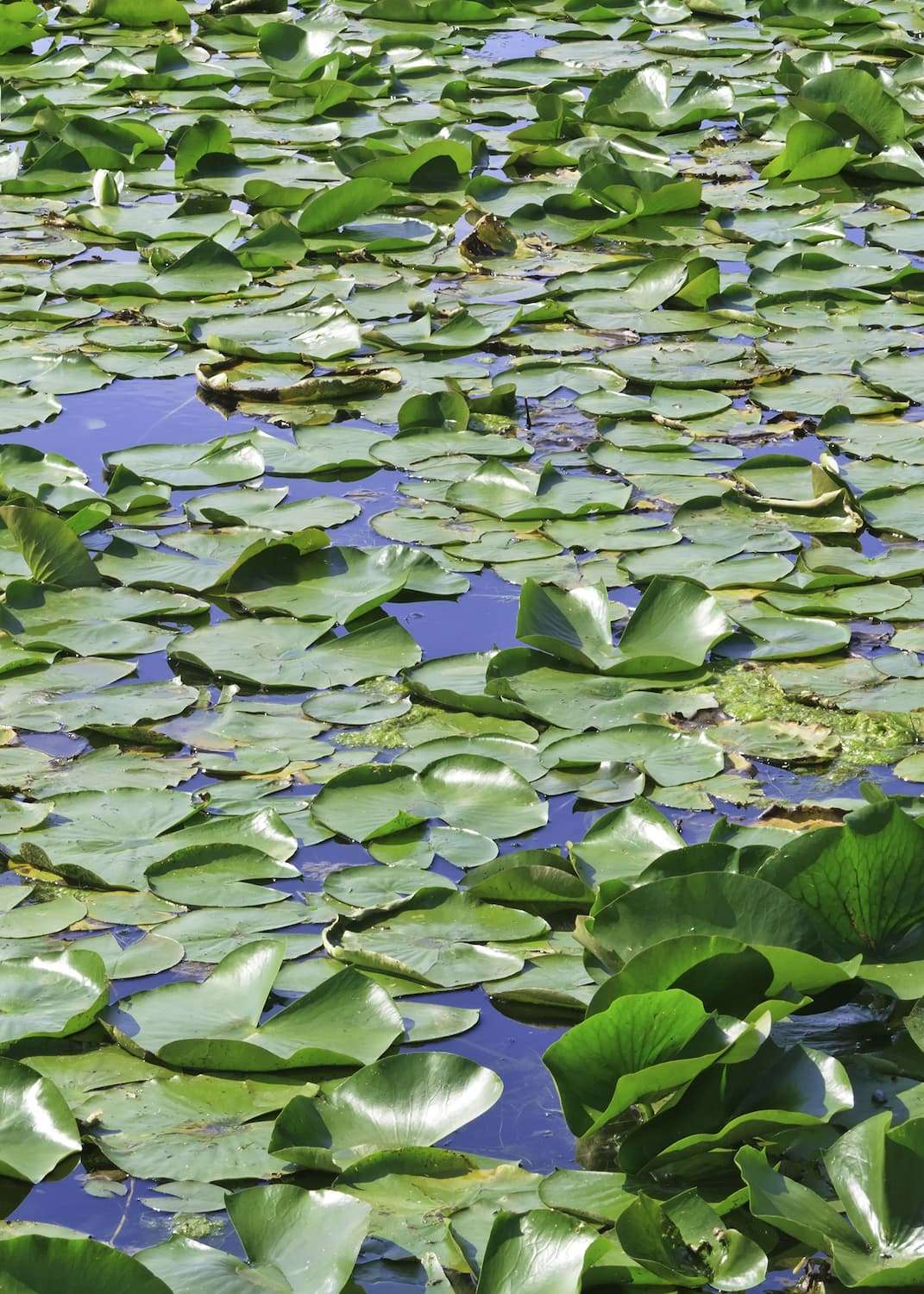
When property owners search how to remove lily pads from a pond, there are several possible approaches depending on the severity of growth.
Common methods include:
- Mechanical harvesting
- Cutting and removal
- Aquatic herbicide treatment
- Physical excavation in severe cases
- Integrated pond management strategies
The best solution depends on:
- Pond size
- Density of lily pads
- Fish population
- Shoreline access
- Long-term management goals
Mechanical Lily Pad Removal: One of the Safest Options for Fish
Mechanical harvesting is often one of the best solutions for removing lily pads while protecting fish populations.
Instead of killing the vegetation in place, equipment physically cuts and removes the plant material from the pond.
Benefits include:
- Immediate visual improvement
- Reduced organic buildup in the water
- Lower oxygen depletion risk
- Removal of nutrient-rich plant biomass
- Better access to open water areas
This is why mechanical removal of lily pads is commonly preferred in HOA ponds, golf course lakes, and high-visibility properties.
At Pond Guru, our Truxor amphibious harvester allows us to access shallow shoreline areas and remove dense vegetation efficiently without draining the pond.
Remove Lily Pads From Your Pond
Pond Guru can help mechanically remove lily pads with our amphibious harvester. Schedule site visit now!
How to Remove Lily Pads from Lake Environments
Managing how to remove lily pads from lake systems often requires a larger-scale strategy than smaller ponds.
Lakes typically involve:
- Wider shoreline coverage
- Greater nutrient inputs
- More extensive shallow zones
Because of this, lake management often combines:
- Mechanical harvesting
- Selective chemical treatment
- Nutrient management
- Ongoing vegetation monitoring
The goal is not complete elimination of all vegetation, but restoring balance and preserving usable open water.
How to Eliminate Lily Pads Long Term
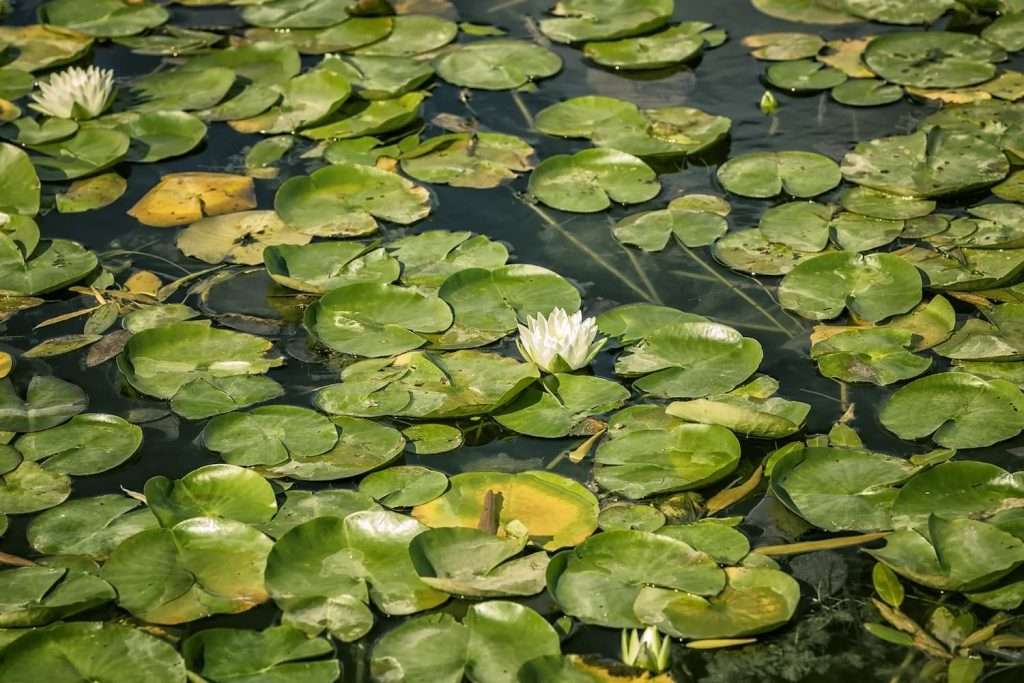
If you want to understand how to eliminate lily pads long term, it is important to recognize that removal alone is usually not enough.
Lily pads often return because the pond conditions still support them.
Long-term management may involve:
- Sediment reduction
- Nutrient control
- Shoreline management
- Aeration improvements
- Routine vegetation maintenance
Without addressing these underlying conditions, lily pads often regrow from remaining rhizomes.
Do Grass Carp Eat Lily Pads?
One of the most common questions property owners ask is: do grass carp eat lily pads?
The answer is sometimes, but not reliably.
Grass carp generally prefer softer submerged vegetation over mature lily pads. In some situations, younger lily pad growth may be grazed, but grass carp are rarely a dependable standalone solution for established lily pad infestations.
Important considerations include:
- Grass carp feeding preferences vary
- Heavy lily pad root systems remain intact
- Stocking rates must be managed carefully
- Permits may be required in some areas
Grass carp may contribute to broader vegetation control, but they are usually not the most effective solution for dense lily pad coverage.
Aquatic Weed Removal and Fish Protection
Proper aquatic weed removal should always consider fish health and water quality.
The safest practices include:
- Avoiding treatment during extreme heat
- Maintaining oxygen levels
- Removing vegetation gradually
- Using aquatic-labeled products only
- Monitoring pond conditions after treatment
This is especially important in ponds with valuable fish populations or recreational fishing.
When Lily Pads Become Too Dense for DIY Removal
Small patches of lily pads may sometimes be managed manually. However, once growth expands significantly, DIY methods often become impractical.
Large infestations may involve:
- Extensive underground rhizome systems
- Thick mats of floating vegetation
- Difficult shoreline access
- Heavy organic accumulation beneath the pads
At that point, specialized equipment and professional management become far more effective.
Why Pond Guru Uses Mechanical Removal for Lily Pads
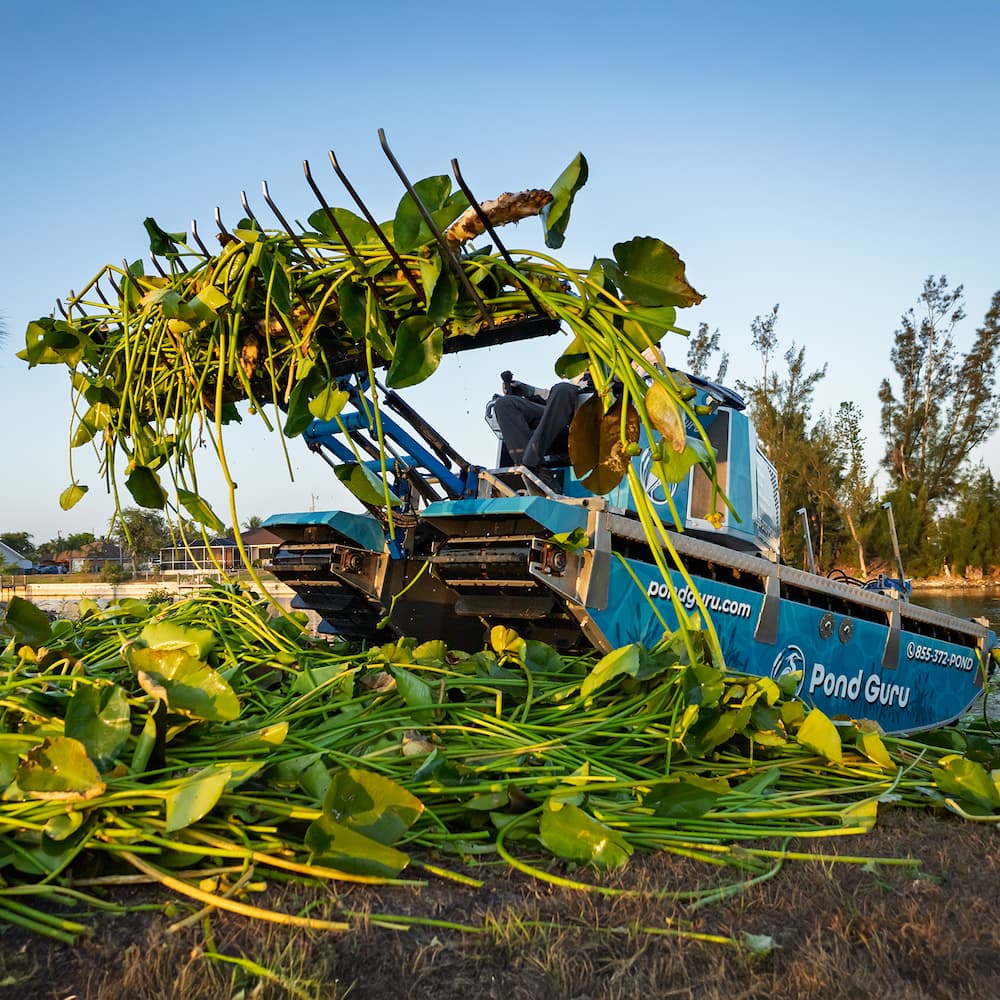
At Pond Guru, we often recommend mechanical harvesting because it addresses several problems at once.
Mechanical removal helps:
- Clear access areas quickly
- Reduce future nutrient recycling
- Remove physical plant mass from the pond
- Improve aesthetics immediately
- Protect fish by avoiding large-scale decomposition events
Our Truxor amphibious harvester is designed specifically for shallow aquatic environments where traditional equipment struggles to operate.
Frequently Asked Questions
The safest method is gradual removal combined with proper oxygen management. Mechanical harvesting is often preferred because it removes plant material from the pond instead of allowing it to decay in the water.
Natural methods include cutting lily pads below the waterline or manually removing smaller patches. However, larger infestations usually require professional management for long-term control.
Grass carp may eat young lily pad growth occasionally, but they are generally not reliable for controlling established lily pad infestations.
Lily pads spread through underground rhizomes and thrive in shallow, nutrient-rich water with soft sediment conditions.
Pond Guru provides site evaluations and mechanical aquatic weed removal using Truxor amphibious harvesters to safely clear lily pads while protecting fish and pond health.
Ready to Schedule a Visit ?
Have questions about your pond or lake? Our experts are ready to help you take the next step.
Latest Article
Popular Post

How Fertilizer Runoff Destroys HOA Lakes | 5 Landscaping Tips
Table of Contents The lush, green lawns that surround…
Lily pads can add beauty and habitat to a pond in small amounts, but when they spread aggressively, they quickly become a management problem. Thick lily pad coverage can block sunlight, reduce usable water, interfere with fishing and recreation, and contribute to oxygen imbalance in the pond.
For HOAs, golf courses, property managers, and private pond owners, the challenge is not just how do you kill lily pads without harming fish. The real challenge is controlling lily pads in a way that protects the overall health and function of the waterbody.
This guide explains how lily pads grow, why they spread so aggressively, and the safest methods for aquatic weed removal that minimize stress on fish and pond ecosystems.
Why Lily Pads Become a Problem in Ponds and Lakes
Lily pads are rooted aquatic plants that spread through underground rhizomes beneath the pond bottom. While a moderate amount of vegetation can be beneficial, uncontrolled growth often creates larger issues.
Heavy lily pad coverage can:
- Reduce open water area
- Limit water circulation
- Block sunlight penetration
- Trap sediment and organic debris
- Interfere with fishing and boating
- Increase long-term pond maintenance needs
In many Florida ponds, lily pads expand rapidly because shallow water and nutrient-rich sediment create ideal growing conditions.
How Do You Kill Lily Pads Without Harming Fish?
The safest answer to how do you kill lily pads without harming fish is to avoid sudden, large-scale die-off in the pond.
Fish are often harmed indirectly during vegetation treatment, not by the plants themselves. When large amounts of vegetation die all at once, decomposition consumes oxygen in the water. This can create stress or even fish kills.
The safest approach typically includes:
- Gradual treatment instead of full-pond removal
- Mechanical removal of excess biomass
- Maintaining aeration during treatment
- Targeting specific areas first
- Monitoring oxygen levels in warm weather
This is why professional pond management focuses on controlled reduction rather than aggressive one-time elimination.
How Lily Pads Grow and Spread
Understanding lily pad growth helps explain why control can be difficult.
Lily pads spread through:
Rhizomes
Underground root systems expand horizontally beneath the pond bottom. New plants emerge from these spreading rhizomes.
Seed production
Some species also reproduce by seed, allowing lily pads to establish in new shoreline areas.
Favorable pond conditions
Lily pads thrive in:
- Shallow water
- Soft organic sediment
- Nutrient-rich ponds
- Areas with slow water movement
As ponds gradually fill with sediment over time, lily pads often spread farther into open water.
How to Remove Lily Pads from a Pond
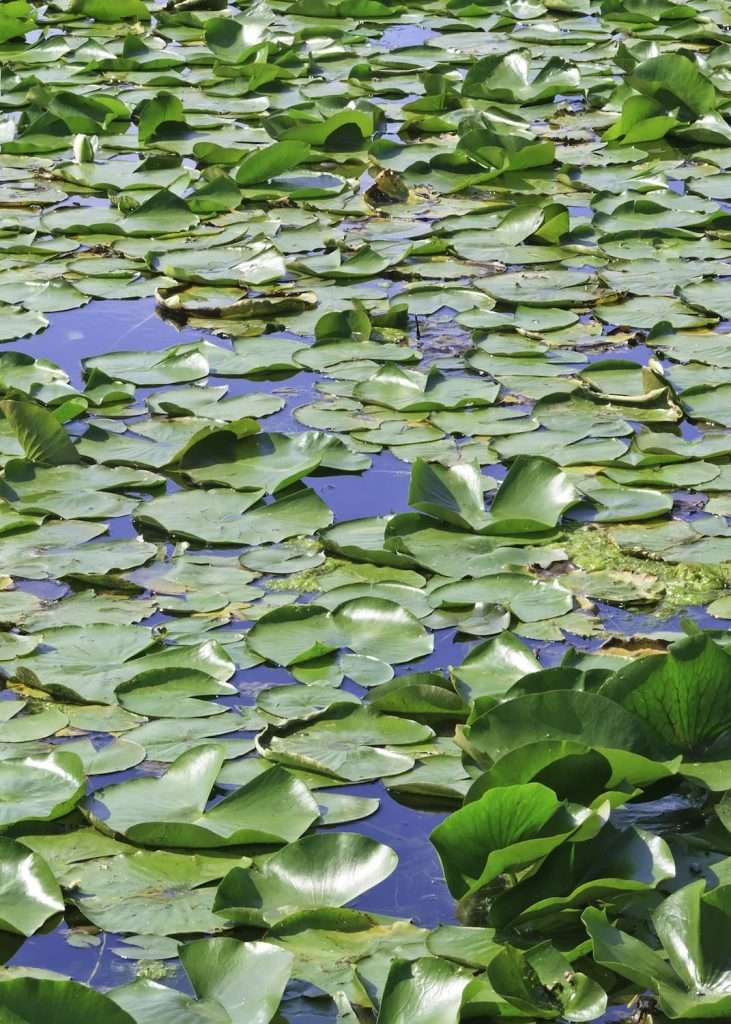
When property owners search how to remove lily pads from a pond, there are several possible approaches depending on the severity of growth.
Common methods include:
- Mechanical harvesting
- Cutting and removal
- Aquatic herbicide treatment
- Physical excavation in severe cases
- Integrated pond management strategies
The best solution depends on:
- Pond size
- Density of lily pads
- Fish population
- Shoreline access
- Long-term management goals
Mechanical Lily Pad Removal: One of the Safest Options for Fish
Mechanical harvesting is often one of the best solutions for removing lily pads while protecting fish populations.
Instead of killing the vegetation in place, equipment physically cuts and removes the plant material from the pond.
Benefits include:
- Immediate visual improvement
- Reduced organic buildup in the water
- Lower oxygen depletion risk
- Removal of nutrient-rich plant biomass
- Better access to open water areas
This is why mechanical removal of lily pads is commonly preferred in HOA ponds, golf course lakes, and high-visibility properties.
At Pond Guru, our Truxor amphibious harvester allows us to access shallow shoreline areas and remove dense vegetation efficiently without draining the pond.
Remove Lily Pads From Your Pond
Pond Guru can help mechanically remove lily pads with our amphibious harvester. Schedule site visit now!
How to Remove Lily Pads from Lake Environments
Managing how to remove lily pads from lake systems often requires a larger-scale strategy than smaller ponds.
Lakes typically involve:
- Wider shoreline coverage
- Greater nutrient inputs
- More extensive shallow zones
Because of this, lake management often combines:
- Mechanical harvesting
- Selective chemical treatment
- Nutrient management
- Ongoing vegetation monitoring
The goal is not complete elimination of all vegetation, but restoring balance and preserving usable open water.
How to Eliminate Lily Pads Long Term
If you want to understand how to eliminate lily pads long term, it is important to recognize that removal alone is usually not enough.
Lily pads often return because the pond conditions still support them.
Long-term management may involve:
- Sediment reduction
- Nutrient control
- Shoreline management
- Aeration improvements
- Routine vegetation maintenance
Without addressing these underlying conditions, lily pads often regrow from remaining rhizomes.
Do Grass Carp Eat Lily Pads?
One of the most common questions property owners ask is: do grass carp eat lily pads?
The answer is sometimes, but not reliably.
Grass carp generally prefer softer submerged vegetation over mature lily pads. In some situations, younger lily pad growth may be grazed, but grass carp are rarely a dependable standalone solution for established lily pad infestations.
Important considerations include:
- Grass carp feeding preferences vary
- Heavy lily pad root systems remain intact
- Stocking rates must be managed carefully
- Permits may be required in some areas
Grass carp may contribute to broader vegetation control, but they are usually not the most effective solution for dense lily pad coverage.
Aquatic Weed Removal and Fish Protection
Proper aquatic weed removal should always consider fish health and water quality.
The safest practices include:
- Avoiding treatment during extreme heat
- Maintaining oxygen levels
- Removing vegetation gradually
- Using aquatic-labeled products only
- Monitoring pond conditions after treatment
This is especially important in ponds with valuable fish populations or recreational fishing.
When Lily Pads Become Too Dense for DIY Removal
Small patches of lily pads may sometimes be managed manually. However, once growth expands significantly, DIY methods often become impractical.
Large infestations may involve:
- Extensive underground rhizome systems
- Thick mats of floating vegetation
- Difficult shoreline access
- Heavy organic accumulation beneath the pads
At that point, specialized equipment and professional management become far more effective.
Why Pond Guru Uses Mechanical Removal for Lily Pads
At Pond Guru, we often recommend mechanical harvesting because it addresses several problems at once.
Mechanical removal helps:
- Clear access areas quickly
- Reduce future nutrient recycling
- Remove physical plant mass from the pond
- Improve aesthetics immediately
- Protect fish by avoiding large-scale decomposition events
Our Truxor amphibious harvester is designed specifically for shallow aquatic environments where traditional equipment struggles to operate.
Frequently Asked Questions
The safest method is gradual removal combined with proper oxygen management. Mechanical harvesting is often preferred because it removes plant material from the pond instead of allowing it to decay in the water.
Natural methods include cutting lily pads below the waterline or manually removing smaller patches. However, larger infestations usually require professional management for long-term control.
Grass carp may eat young lily pad growth occasionally, but they are generally not reliable for controlling established lily pad infestations.
Lily pads spread through underground rhizomes and thrive in shallow, nutrient-rich water with soft sediment conditions.
Pond Guru provides site evaluations and mechanical aquatic weed removal using Truxor amphibious harvesters to safely clear lily pads while protecting fish and pond health.
Ready to Schedule a Visit ?
Have questions about your pond or lake? Our experts are ready to help you take the next step.
Latest Article
Popular Post
How Fertilizer Runoff Destroys HOA Lakes | 5 Landscaping Tips
Table of Contents The lush, green lawns that surround…