

What Is Suction Dredging? How Lake Dredging Restores Depth
What Is Suction Dredging? How Lake Dredging Restores Depth
Ponds rarely fail all at once. Instead, they decline slowly as sediment, organic debris, and runoff settle on the bottom. Over time, this buildup reduces depth, limits water movement, and creates conditions that make the pond harder to manage.
That is where suction dredging becomes relevant.
For homeowners, HOAs, and property managers, understanding what suction dredging is and how pond dredging works helps explain why recurring problems like algae, weeds, and odor persist even with regular maintenance.
This guide breaks down how dredging works, when it is necessary, and what it actually improves beneath the surface.
What Is Suction Dredging
Suction dredging is the process of removing soft sediment and organic buildup from the bottom of a pond by pumping it out as a slurry.
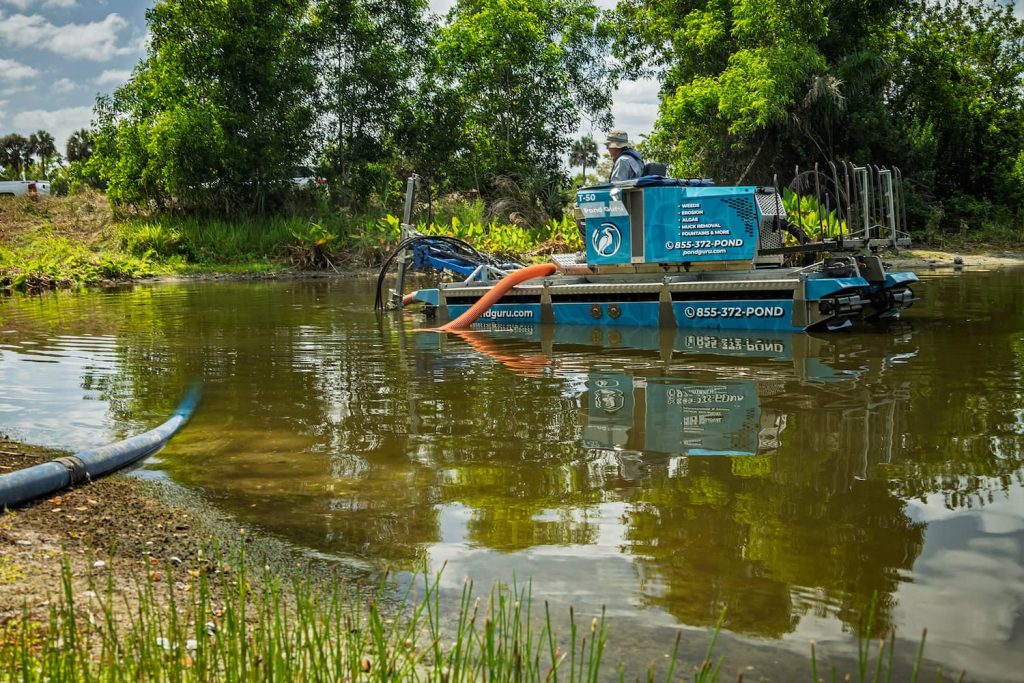
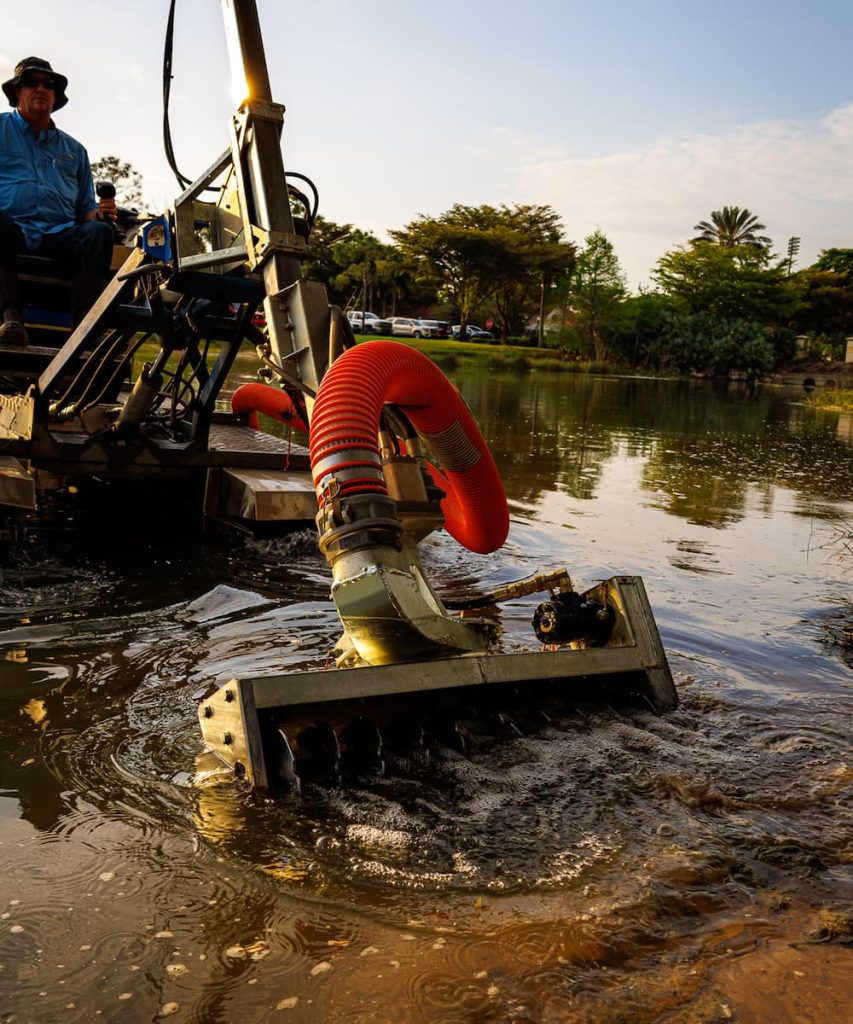
Instead of draining the pond or excavating from above, a suction dredge pulls material directly from the pond floor and transports it through a pipeline to a designated discharge area.
This method is specifically designed to remove:
- Organic muck
- Fine sediment
- Decayed vegetation
- Runoff deposits
- Soft bottom debris
The key distinction is that suction dredging targets subsurface problems, not surface conditions. It addresses what has already accumulated over time and is affecting how the pond functions.
How Pond Dredging Works With a Suction Dredger
Pond dredging is not a single action. It is a controlled process designed around the pond’s layout, sediment levels, and access points.
A typical project includes:
Site assessment
Depth loss, sediment thickness, shoreline access, and discharge locations are evaluated to define the scope of work.
Equipment positioning
The suction dredger is placed so it can reach targeted areas efficiently. In some cases, this involves floating systems or a dredging boat for mobility.
Sediment extraction
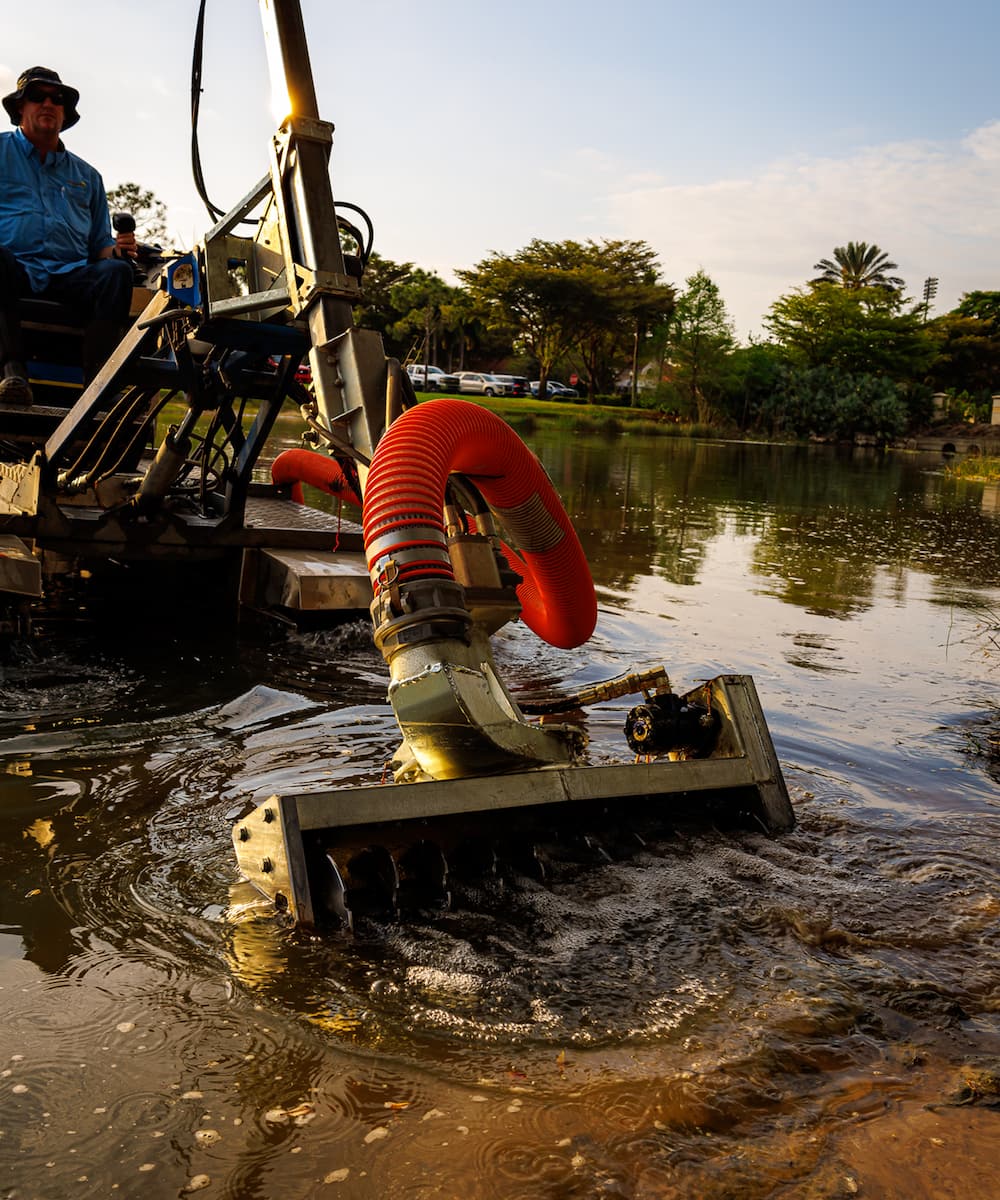
Material is loosened and drawn into the intake head, then pumped through a discharge line as a water-sediment mixture.
Material separation
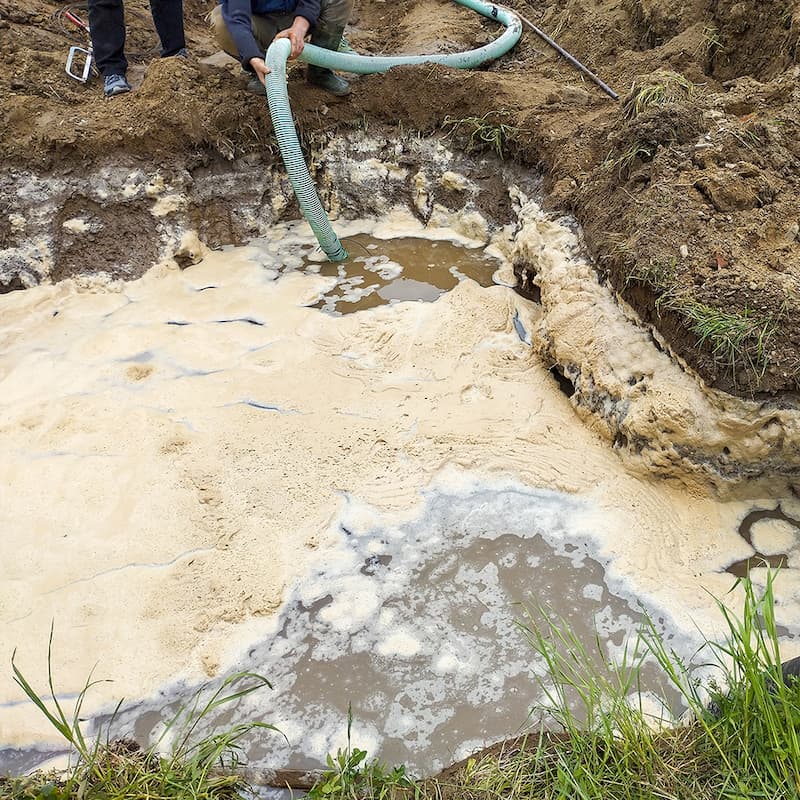
The slurry is directed to a containment or dewatering area where solids settle and water is released or managed.
Final review
Once removal is complete, the pond is evaluated for improved depth and functionality.
This process allows for targeted removal without disrupting the entire waterbody.
Why Sediment Buildup Changes How a Pond Behaves
Sediment accumulation is not just a cosmetic issue. It directly alters how the pond functions.
As material builds up:
- Water depth decreases
- Shorelines expand inward
- Sunlight penetrates deeper into the water column
- Nutrient concentration increases
- Oxygen becomes less stable
These changes create conditions that favor:
- Algae growth
- Aquatic weed expansion
- Odor from decaying material
- Reduced water clarity
Even if the pond still looks acceptable from the surface, its internal structure may already be compromised.
This is why surface treatments alone often fail when sediment is the underlying issue.
Pond Dredging Signs That Point to Bottom Buildup
Not every pond needs dredging, but certain patterns indicate when sediment is driving the problem.
Look for:
- Shorelines that feel softer or “mucky” underfoot
- Gradual loss of depth near banks
- Expanding shallow zones where weeds establish easily
- Persistent algae despite treatment
- Reduced stormwater capacity
- Organic odor from the bottom
These signs suggest the pond is changing structurally, not just experiencing temporary water quality issues.
Understanding the Equipment: Suction Dredge vs Dredging Boat
There is often confusion around dredging terminology.
- A suction dredge is the system that removes sediment
- A suction dredger refers to the full operational setup
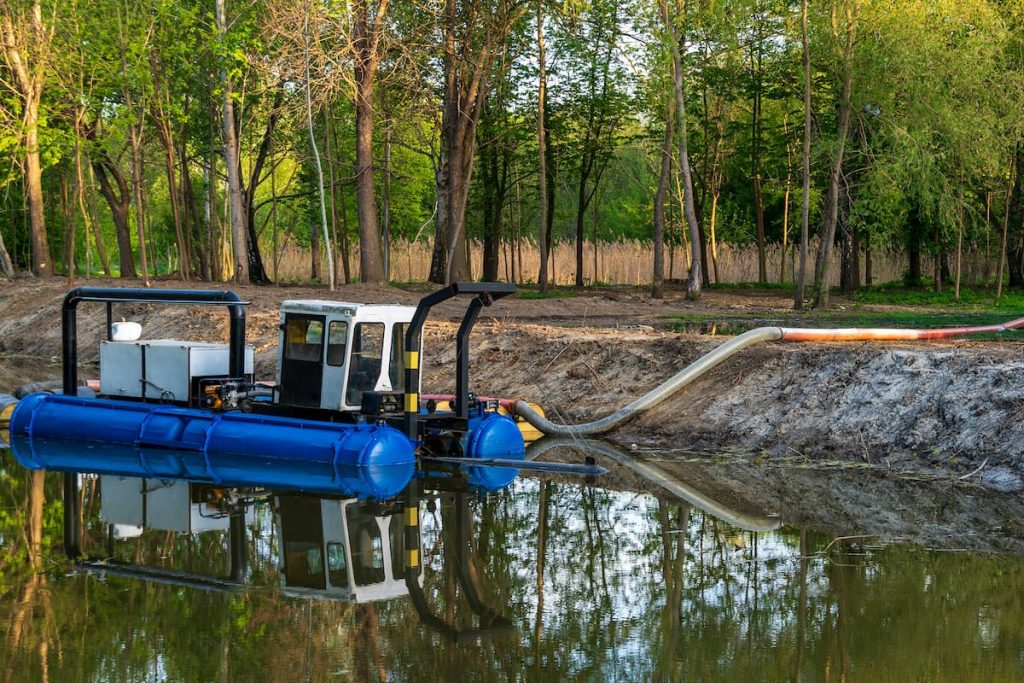
- A dredging boat is the platform that may carry or support the system
In smaller ponds, equipment is compact and highly targeted. In larger systems, floating platforms allow for wider coverage and more efficient removal.
The setup depends on:
- Pond size
- Depth and sediment thickness
- Access to the shoreline
- Disposal logistics
There is no single equipment configuration that fits every project.
Restore Lake Depth With Suction Dredging
Pond Guru can assist in removing built-up sediment and muck from your pond or lake.
What Pond Dredging Actually Improves
Suction dredging is often misunderstood as a cosmetic service. In reality, it is a structural correction.
Removing accumulated material can:
- Restore usable depth
- Increase water storage capacity
- Reduce nutrient load trapped in sediment
- Improve water circulation patterns
- Limit shallow zones where weeds thrive
- Improve overall pond stability
For managed properties like HOAs and golf courses, these improvements affect both appearance and long-term maintenance costs.
When Suction Dredging Is the Right Solution
Dredging is not always the first step. It becomes the right solution when the pond’s physical structure has already changed.
Suction dredging is typically appropriate when:
- Depth loss is measurable
- Sediment layers are significant
- Maintenance treatments are no longer effective
- The pond’s function has declined (storage, clarity, usability)
It is less appropriate when:
- The issue is isolated algae without sediment buildup
- Water quality problems are caused primarily by runoff
- The pond still maintains adequate depth
The key question is whether the problem is surface-level or structural.
How Pond Dredging Fits Into Long-Term Management
Dredging should not be viewed as a standalone fix. It resets the pond’s physical condition, but long-term performance depends on ongoing management.
After dredging, ponds benefit from:
- Nutrient control strategies
- Shoreline stabilization
- Aeration where needed
- Vegetation management
- Runoff mitigation
Without these steps, sediment can begin accumulating again.
Dredging works best as part of a broader management plan.
How Pond Guru Evaluates Dredging Needs
Pond Guru focuses on determining whether dredging is actually necessary before recommending it.
A site visit may include:
- Visual depth analysis
- Sediment and muck evaluation
- Shoreline condition review
- Vegetation and algae patterns
- Access planning for equipment
- Feasibility of sediment removal
This approach ensures that dredging is used when it will provide real value, not just as a default solution.
Final Thoughts
Suction dredging is one of the most effective ways to restore a pond that has lost depth due to sediment and organic buildup.
By removing material from the bottom, pond dredging improves structure, increases capacity, and reduces the conditions that lead to recurring maintenance issues.
For property owners, the key is understanding when dredging is necessary and when other management strategies are more appropriate.
A proper evaluation ensures that the solution matches the actual problem.
Frequently Asked Questions
Suction dredging removes soft sediment and organic material from the pond bottom by pumping it out as a slurry through a dredging system.
It restores depth, reduces nutrient-rich sediment, improves water circulation, and helps limit conditions that promote weeds and algae.
A dredging boat is a floating platform that may carry or support dredging equipment, especially in larger or less accessible ponds.
Signs include depth loss, heavy muck, expanding shallow areas, persistent algae, and reduced water storage capacity.
Through site evaluation of sediment buildup, pond structure, water conditions, and overall performance to confirm whether dredging will provide meaningful improvement.
Ready to Schedule a Visit ?
Have questions about your pond or lake? Our experts are ready to help you take the next step.
Latest Article
Popular Post

Pennywort: From Lawn Weed to Pond Invader
Table of Contents Most Floridians know pennywort as dollarweed,…
Ponds rarely fail all at once. Instead, they decline slowly as sediment, organic debris, and runoff settle on the bottom. Over time, this buildup reduces depth, limits water movement, and creates conditions that make the pond harder to manage.
That is where suction dredging becomes relevant.
For homeowners, HOAs, and property managers, understanding what suction dredging is and how pond dredging works helps explain why recurring problems like algae, weeds, and odor persist even with regular maintenance.
This guide breaks down how dredging works, when it is necessary, and what it actually improves beneath the surface.
What Is Suction Dredging
Suction dredging is the process of removing soft sediment and organic buildup from the bottom of a pond by pumping it out as a slurry.
Instead of draining the pond or excavating from above, a suction dredge pulls material directly from the pond floor and transports it through a pipeline to a designated discharge area.
This method is specifically designed to remove:
- Organic muck
- Fine sediment
- Decayed vegetation
- Runoff deposits
- Soft bottom debris
The key distinction is that suction dredging targets subsurface problems, not surface conditions. It addresses what has already accumulated over time and is affecting how the pond functions.
How Pond Dredging Works With a Suction Dredger
Pond dredging is not a single action. It is a controlled process designed around the pond’s layout, sediment levels, and access points.
A typical project includes:
Site assessment
Depth loss, sediment thickness, shoreline access, and discharge locations are evaluated to define the scope of work.
Equipment positioning
The suction dredger is placed so it can reach targeted areas efficiently. In some cases, this involves floating systems or a dredging boat for mobility.
Sediment extraction
Material is loosened and drawn into the intake head, then pumped through a discharge line as a water-sediment mixture.
Material separation
The slurry is directed to a containment or dewatering area where solids settle and water is released or managed.
Final review
Once removal is complete, the pond is evaluated for improved depth and functionality.
This process allows for targeted removal without disrupting the entire waterbody.
Why Sediment Buildup Changes How a Pond Behaves
Sediment accumulation is not just a cosmetic issue. It directly alters how the pond functions.
As material builds up:
- Water depth decreases
- Shorelines expand inward
- Sunlight penetrates deeper into the water column
- Nutrient concentration increases
- Oxygen becomes less stable
These changes create conditions that favor:
- Algae growth
- Aquatic weed expansion
- Odor from decaying material
- Reduced water clarity
Even if the pond still looks acceptable from the surface, its internal structure may already be compromised.
This is why surface treatments alone often fail when sediment is the underlying issue.
Pond Dredging Signs That Point to Bottom Buildup
Not every pond needs dredging, but certain patterns indicate when sediment is driving the problem.
Look for:
- Shorelines that feel softer or “mucky” underfoot
- Gradual loss of depth near banks
- Expanding shallow zones where weeds establish easily
- Persistent algae despite treatment
- Reduced stormwater capacity
- Organic odor from the bottom
These signs suggest the pond is changing structurally, not just experiencing temporary water quality issues.
Understanding the Equipment: Suction Dredge vs Dredging Boat
There is often confusion around dredging terminology.
- A suction dredge is the system that removes sediment
- A suction dredger refers to the full operational setup
- A dredging boat is the platform that may carry or support the system
In smaller ponds, equipment is compact and highly targeted. In larger systems, floating platforms allow for wider coverage and more efficient removal.
The setup depends on:
- Pond size
- Depth and sediment thickness
- Access to the shoreline
- Disposal logistics
There is no single equipment configuration that fits every project.
Restore Lake Depth With Suction Dredging
Pond Guru can assist in removing built-up sediment and muck from your pond or lake.
What Pond Dredging Actually Improves
Suction dredging is often misunderstood as a cosmetic service. In reality, it is a structural correction.
Removing accumulated material can:
- Restore usable depth
- Increase water storage capacity
- Reduce nutrient load trapped in sediment
- Improve water circulation patterns
- Limit shallow zones where weeds thrive
- Improve overall pond stability
For managed properties like HOAs and golf courses, these improvements affect both appearance and long-term maintenance costs.
When Suction Dredging Is the Right Solution
Dredging is not always the first step. It becomes the right solution when the pond’s physical structure has already changed.
Suction dredging is typically appropriate when:
- Depth loss is measurable
- Sediment layers are significant
- Maintenance treatments are no longer effective
- The pond’s function has declined (storage, clarity, usability)
It is less appropriate when:
- The issue is isolated algae without sediment buildup
- Water quality problems are caused primarily by runoff
- The pond still maintains adequate depth
The key question is whether the problem is surface-level or structural.
How Pond Dredging Fits Into Long-Term Management
Dredging should not be viewed as a standalone fix. It resets the pond’s physical condition, but long-term performance depends on ongoing management.
After dredging, ponds benefit from:
- Nutrient control strategies
- Shoreline stabilization
- Aeration where needed
- Vegetation management
- Runoff mitigation
Without these steps, sediment can begin accumulating again.
Dredging works best as part of a broader management plan.
How Pond Guru Evaluates Dredging Needs
Pond Guru focuses on determining whether dredging is actually necessary before recommending it.
A site visit may include:
- Visual depth analysis
- Sediment and muck evaluation
- Shoreline condition review
- Vegetation and algae patterns
- Access planning for equipment
- Feasibility of sediment removal
This approach ensures that dredging is used when it will provide real value, not just as a default solution.
Final Thoughts
Suction dredging is one of the most effective ways to restore a pond that has lost depth due to sediment and organic buildup.
By removing material from the bottom, pond dredging improves structure, increases capacity, and reduces the conditions that lead to recurring maintenance issues.
For property owners, the key is understanding when dredging is necessary and when other management strategies are more appropriate.
A proper evaluation ensures that the solution matches the actual problem.
Frequently Asked Questions
Suction dredging removes soft sediment and organic material from the pond bottom by pumping it out as a slurry through a dredging system.
It restores depth, reduces nutrient-rich sediment, improves water circulation, and helps limit conditions that promote weeds and algae.
A dredging boat is a floating platform that may carry or support dredging equipment, especially in larger or less accessible ponds.
Signs include depth loss, heavy muck, expanding shallow areas, persistent algae, and reduced water storage capacity.
Through site evaluation of sediment buildup, pond structure, water conditions, and overall performance to confirm whether dredging will provide meaningful improvement.
Ready to Schedule a Visit ?
Have questions about your pond or lake? Our experts are ready to help you take the next step.
Latest Article
Popular Post
Pennywort: From Lawn Weed to Pond Invader
Table of Contents Most Floridians know pennywort as dollarweed,…