

Plants That Border a Pond | Native Species & Purpose
Plants That Border a Pond | Native Species & Purpose
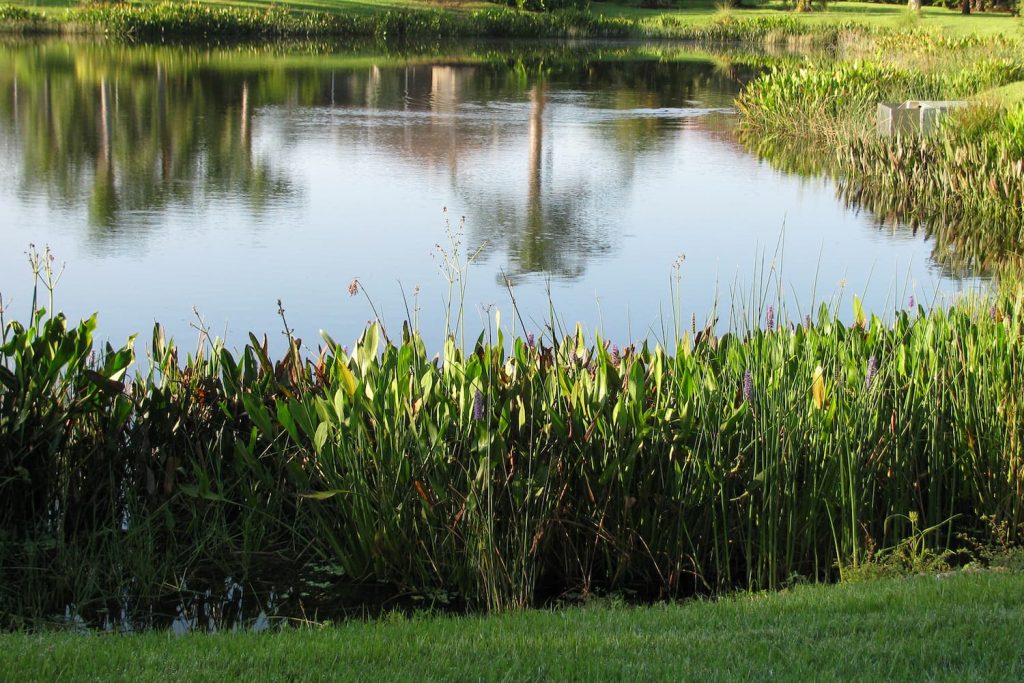
The plants that border a pond do far more than soften the shoreline. They shape water quality, help stabilize the bank, filter runoff, support pollinators, and create a more balanced aquatic environment. For private homeowners, HOA board members, golf course superintendents, and property managers, choosing the right flowers by a pond is one of the most practical ways to improve both appearance and function.
In many landscapes, pond edges are treated as purely decorative space. In reality, that transition zone is one of the most important parts of the entire waterbody. The right planting plan can reduce erosion, intercept nutrients before they reach the water, create habitat, and support healthier pond performance over time.
This guide explains the purpose of marginal pond plants, highlights recommended pond plants and pond plant species, and outlines how plants for pond edges and plants for streams contribute to shoreline health. It also explains how Pond Guru can help identify plant conditions around your pond and recommend a practical, site specific planting strategy.
Flowers by a Pond and Why Native Planting Matters
Flowers by a pond add color and visual appeal, but their value goes well beyond appearance. Native and regionally appropriate plantings are often better adapted to local rainfall, soils, and water fluctuations. They usually require less intervention once established and are more likely to support the wildlife and water conditions already present on the site.
A thoughtful planting plan around a pond can help with:
- Bank stabilization
- Stormwater filtration
- Nutrient uptake
- Habitat for pollinators and beneficial insects
- Reduced shoreline erosion
- More natural transition between land and water
- Improved curb appeal for residential and managed properties
Native planting is especially important because the pond edge is where land based runoff meets the aquatic system. Fertilizer, sediment, and organic debris often enter the pond from this zone. Flowers by a pond, when selected carefully, help slow and filter that movement before it affects clarity and water quality.
Marginal Pond Plants and Marginal Plants: Their Role Around Water
Marginal pond plants and marginal plants are species that thrive in the shallow edges of a pond or in consistently moist soils along the shoreline. These are some of the most valuable plants in any pond landscape because they occupy the transition area between open water and dry land.
Marginal pond plants often grow with their roots in saturated soil or shallow water while their stems and foliage extend above the surface. This makes them highly effective at intercepting nutrients and helping hold soil in place.
Their purpose includes:
- Anchoring shoreline soils
- Slowing runoff before it enters the pond
- Absorbing excess nutrients
- Softening hard pond edges visually
- Providing habitat for frogs, dragonflies, and pollinators
- Creating a more stable shoreline plant community
Common examples of marginal plants often recommended around ponds include pickerelweed, blue flag iris, lizard’s tail, soft rush, sedges, duck potato, swamp milkweed, and cardinal flower. The best choice depends on region, slope, water level fluctuation, and maintenance goals.
Recommended Pond Plant Species for Function and Beauty
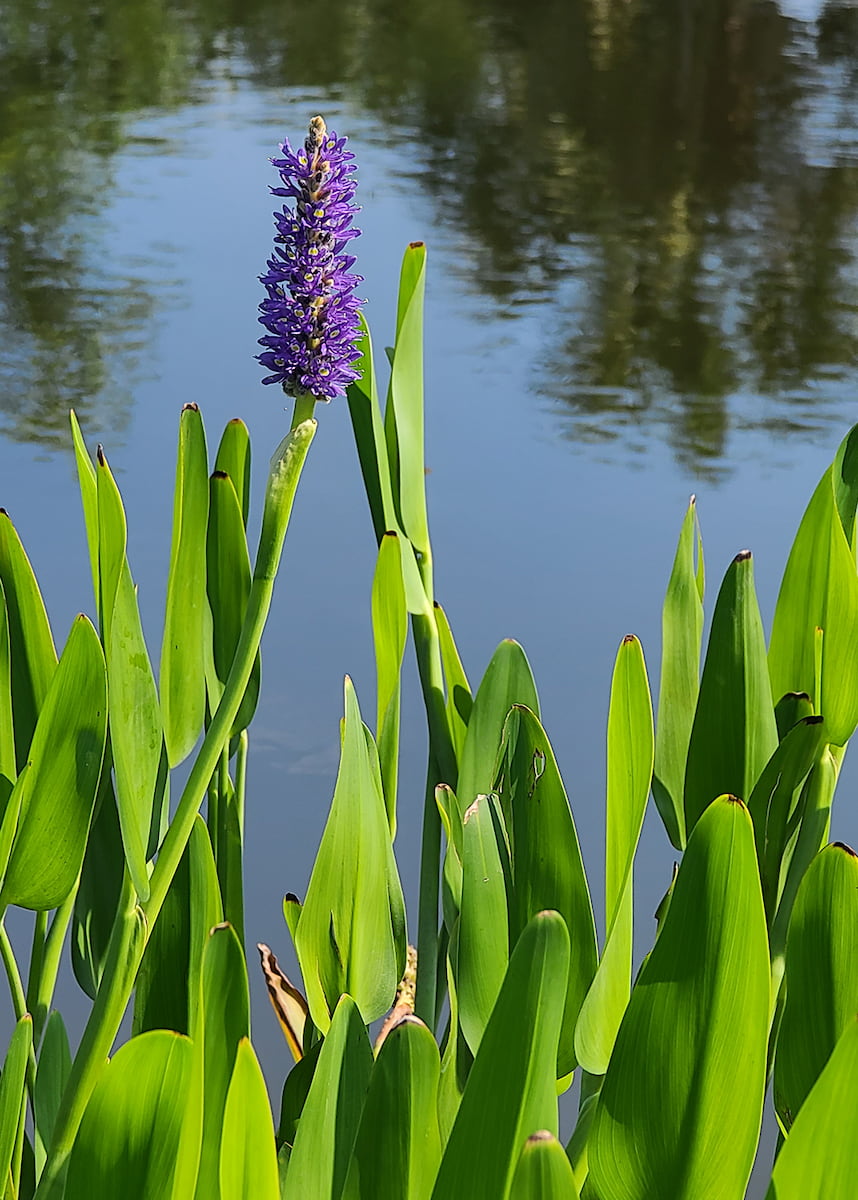
Recommended pond plants should support both visual appeal and ecological function. The best pond plant species for one property may differ from another, but strong planting plans usually combine flowering plants, grasses, sedges, and structure forming species.
A balanced mix often includes the following categories.
Flowering pond plant species
These provide seasonal color and soften the pond border.
Common choices may include:
- Pickerelweed
- Blue flag iris
- Cardinal flower
- Swamp milkweed
- Joe Pye weed
- Golden ragwort
These flowers by a pond attract pollinators and add interest without sacrificing ecological value.
Structural marginal plants
These give height, texture, and root support along wet edges.
Common choices may include:
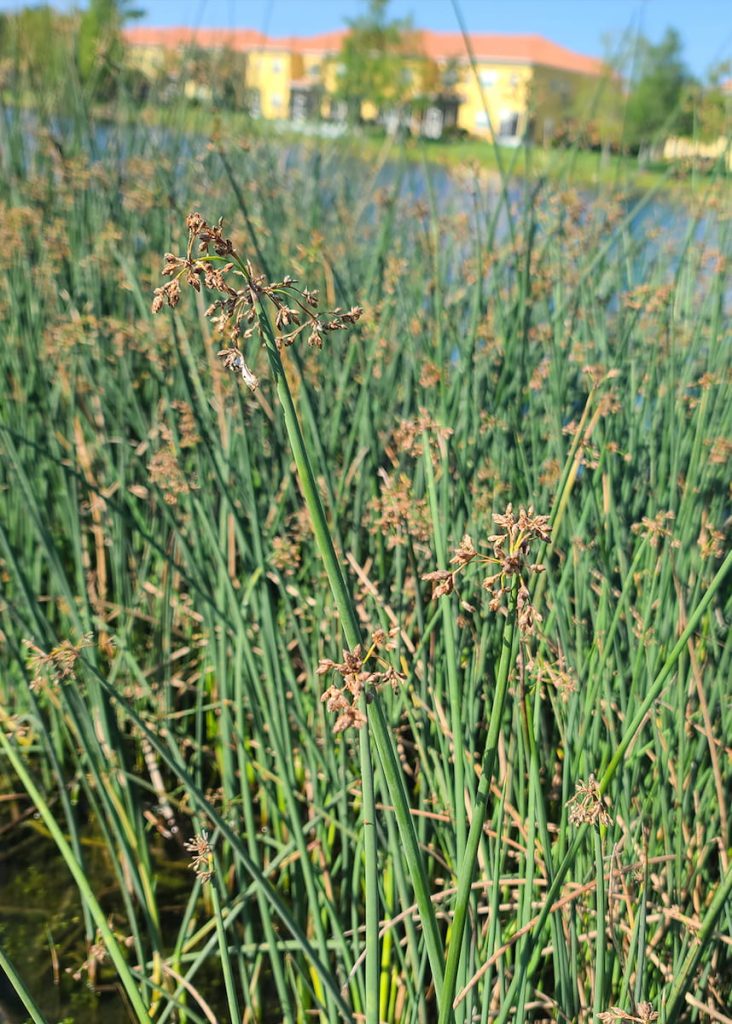
- Soft rush
- Rush species
- Native sedges
- Bulrush species in appropriate settings
- Maidencane in select regional applications
These marginal pond plants are often especially useful for stabilizing banks and supporting shallow shoreline zones.
Buffer and transition plants
These work slightly farther back from the waterline where soils are moist rather than permanently saturated.
Common choices may include:
- Native grasses
- Switchgrass
- Muhly grass in suitable regions
- River oats
- Moisture tolerant shrubs in larger landscapes
These plants create a layered look and help intercept runoff moving downhill toward the pond.
Plants for Pond Edges and Pond Border Plants for Shoreline Stability
Plants for pond edges and pond border plants should be selected with bank stability in mind. This is especially important for HOA ponds, golf course water features, and residential shorelines where wave action, runoff, mowing pressure, or foot traffic can weaken the edge over time.
Pond border plants help by creating a living root network that holds soil together. A bare shoreline is much more likely to erode, slump, or contribute sediment into the pond. Once that sediment enters the water, it can feed algae, increase turbidity, and reduce overall pond depth over time.
- Useful plants for pond edges often share these characteristics:
- Strong root systems
- Tolerance for changing water levels
- Moderate spread without becoming overly aggressive
- Compatibility with surrounding landscape goals
- Ability to thrive in wet or seasonally wet soil
Good pond border plants are often layered in zones:
- At the waterline with emergent or marginal pond plants
- Just above the edge with flowering natives and sedges
- Higher on the bank with grasses and moisture tolerant support plants
This zoning approach creates visual depth while also serving a practical purpose. It reduces erosion, filters runoff, and makes the pond look more natural and intentional.
Build an Ecosystem with Littoral Plants
Plants help maintain a healthy pond ecosystem and stabilize shoreline while providing habitat for natural wildlife.
Plants for Streams and Overflow Areas
Plants for streams deserve special attention because these areas often experience moving water, periodic washout, and fluctuating moisture conditions. Stream edges, spillways, and overflow channels benefit from plant species that can tolerate force, saturation, and periods of drying in between storm events.
Plants for streams are often selected for:
- Root strength
- Flexibility during flow events
- Soil holding ability
- Adaptation to wet soils
- Reduced need for constant replacement
Suitable plants may include:
- Native rushes
- Native sedges
- Blue flag iris
- Lizard’s tail
- Soft rush
- Moisture tolerant grasses
In these areas, plant choice is not just about appearance. It is also about resilience. A beautiful stream edge planting that cannot tolerate periodic flow will not perform well over time. That is why professionally selected plants for streams are usually based on the site’s hydrology and not just the look of the plant.
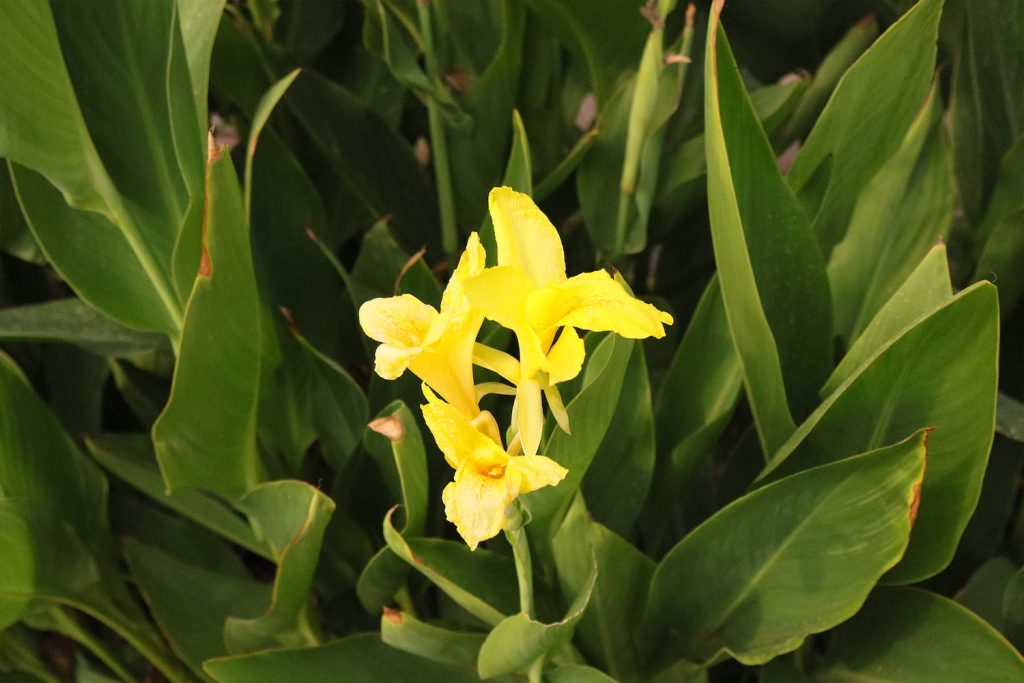
Flowers by a Pond for Pollinators, Habitat, and Water Quality
Flowers by a pond support more than the pond itself. They contribute to the broader landscape by feeding pollinators, creating habitat value, and supporting beneficial insect populations. Dragonflies, native bees, butterflies, and amphibians all benefit from a well planted shoreline.
From a pond management perspective, that habitat value matters because a more diverse shoreline often supports a more balanced environment. Dense mowing to the water’s edge may look clean in the short term, but it often removes the exact plant layer that helps the pond function better.
A well designed planting zone around the pond can help:
- Reduce heat stress on shallow shorelines
- Improve habitat diversity
- Trap sediment before it enters the water
- Support beneficial insect activity
- Break up the visual edge between turf and open water
For homeowners and property managers, this means flowers by a pond can be both attractive and highly functional when chosen correctly.
Recommended Pond Plants to Avoid and Planting Mistakes to Watch
Not every wet area plant is a good pond choice. Some species spread too aggressively, some become difficult to maintain, and some may not be suitable for the scale of the property.
Common planting mistakes include:
- Choosing nonnative ornamentals without understanding their spread habits
- Installing a single species only, rather than a mixed planting
- Planting too close together without accounting for mature size
- Using species that cannot handle water fluctuation
- Leaving bare shoreline gaps between plant groupings
- Treating the pond edge like a standard landscape bed instead of a functional buffer
Recommended pond plants should be chosen with maintenance, growth habit, and pond purpose in mind. A private ornamental pond may allow for a more decorative planting palette, while a stormwater pond, HOA lake, or golf course feature usually needs a more functional and durable approach.
Pond Plant Species and How to Build a Balanced Shoreline Planting Plan
The most effective pond plant species are usually part of a layered plan rather than a scattered collection of isolated plants. A balanced shoreline planting plan often includes three zones.
Zone one: shallow water and saturated edge
This is where marginal pond plants do the most work.
Examples may include:
- Pickerelweed
- Duck potato
- Blue flag iris
- Soft rush
Zone two: moist shoreline
This zone supports flowers by a pond and moisture tolerant structure plants.
Examples may include:
- Swamp milkweed
- Cardinal flower
- Sedges
- Joe Pye weed
Zone three: upper bank and transition area
This zone filters runoff and frames the pond visually.
Examples may include:
- Native grasses
- Moisture tolerant perennials
- Shrubs selected for site conditions
This layered strategy helps pond border plants function as a living buffer rather than just scattered decoration.
How Pond Guru Helps Identify Plants Around the Pond
Planting around a pond should be based on more than color preference alone. The wrong species can create maintenance problems, while the right species can support water quality, appearance, and shoreline stability all at once.
Pond Guru helps property owners evaluate:
- Existing plant growth around the shoreline
- Desirable native plant species already present
- Areas of erosion or poor coverage
- Overgrown or invasive vegetation concerns
- Opportunities for adding recommended pond plants
- Practical planting strategies for pond edges and stream areas
A site visit can help identify which pond plant species are helping the shoreline and which may need to be managed or replaced. This is especially valuable for HOA communities, golf courses, and larger managed properties where appearance and function must work together.
Final Thoughts
The best flowers by a pond do more than create visual interest. They help stabilize the shoreline, filter runoff, support habitat, and improve the overall health of the pond environment. Marginal pond plants, pond border plants, and plants for pond edges all serve a practical purpose when selected carefully and installed in the right zones.
Native and regionally appropriate plantings are often the strongest long term choice because they are better suited to local conditions and usually provide more ecological value. A balanced shoreline planting plan can improve water quality, reduce maintenance pressure, and create a more polished, natural appearance around the pond.
Pond Guru provides site visits to help identify plants around the pond, evaluate shoreline conditions, and recommend practical planting strategies tailored to the property. Schedule a site visit with Pond Guru to assess the plants around your pond and develop a more functional, attractive shoreline plan.
Frequently Asked Questions
The best flowers by a pond are usually native or regionally appropriate species that tolerate wet soil and support shoreline stability. Pickerelweed, blue flag iris, swamp milkweed, cardinal flower, and Joe Pye weed are often strong choices because they provide seasonal color while also supporting pollinators and improving the transition between land and water.
Marginal pond plants are species that grow in shallow water or saturated soil along the pond edge. They are important because they help stabilize the shoreline, filter runoff, absorb nutrients, and create habitat. These plants are one of the most functional parts of a pond landscape and often play a major role in long term shoreline health.
Plants for pond edges and plants for streams should be selected for moisture tolerance, root strength, and site conditions. Rushes, sedges, blue flag iris, lizard’s tail, and duck potato are often used because they can handle wet soils and variable water levels while helping control erosion.
Recommended pond plants help improve water quality by slowing runoff, trapping sediment, absorbing excess nutrients, and reducing erosion along the shoreline. When used as part of a layered planting plan, they create a living buffer that protects the pond from many of the inputs that contribute to cloudy water, algae growth, and sediment buildup.
Pond Guru can assess the plants already growing around the pond, identify beneficial and problematic species, evaluate shoreline conditions, and recommend a planting strategy that fits the property. A site visit helps turn plant selection into a practical pond management tool rather than a purely decorative decision.
Ready to Schedule a Visit ?
Have questions about your pond or lake? Our experts are ready to help you take the next step.
Latest Article
Popular Post

Pennywort: From Lawn Weed to Pond Invader
Table of Contents Most Floridians know pennywort as dollarweed,…
The plants that border a pond do far more than soften the shoreline. They shape water quality, help stabilize the bank, filter runoff, support pollinators, and create a more balanced aquatic environment. For private homeowners, HOA board members, golf course superintendents, and property managers, choosing the right flowers by a pond is one of the most practical ways to improve both appearance and function.
In many landscapes, pond edges are treated as purely decorative space. In reality, that transition zone is one of the most important parts of the entire waterbody. The right planting plan can reduce erosion, intercept nutrients before they reach the water, create habitat, and support healthier pond performance over time.
This guide explains the purpose of marginal pond plants, highlights recommended pond plants and pond plant species, and outlines how plants for pond edges and plants for streams contribute to shoreline health. It also explains how Pond Guru can help identify plant conditions around your pond and recommend a practical, site specific planting strategy.
Flowers by a Pond and Why Native Planting Matters
Flowers by a pond add color and visual appeal, but their value goes well beyond appearance. Native and regionally appropriate plantings are often better adapted to local rainfall, soils, and water fluctuations. They usually require less intervention once established and are more likely to support the wildlife and water conditions already present on the site.
A thoughtful planting plan around a pond can help with:
- Bank stabilization
- Stormwater filtration
- Nutrient uptake
- Habitat for pollinators and beneficial insects
- Reduced shoreline erosion
- More natural transition between land and water
- Improved curb appeal for residential and managed properties
Native planting is especially important because the pond edge is where land based runoff meets the aquatic system. Fertilizer, sediment, and organic debris often enter the pond from this zone. Flowers by a pond, when selected carefully, help slow and filter that movement before it affects clarity and water quality.
Marginal Pond Plants and Marginal Plants: Their Role Around Water
Marginal pond plants and marginal plants are species that thrive in the shallow edges of a pond or in consistently moist soils along the shoreline. These are some of the most valuable plants in any pond landscape because they occupy the transition area between open water and dry land.
Marginal pond plants often grow with their roots in saturated soil or shallow water while their stems and foliage extend above the surface. This makes them highly effective at intercepting nutrients and helping hold soil in place.
Their purpose includes:
- Anchoring shoreline soils
- Slowing runoff before it enters the pond
- Absorbing excess nutrients
- Softening hard pond edges visually
- Providing habitat for frogs, dragonflies, and pollinators
- Creating a more stable shoreline plant community
Common examples of marginal plants often recommended around ponds include pickerelweed, blue flag iris, lizard’s tail, soft rush, sedges, duck potato, swamp milkweed, and cardinal flower. The best choice depends on region, slope, water level fluctuation, and maintenance goals.
Recommended Pond Plant Species for Function and Beauty
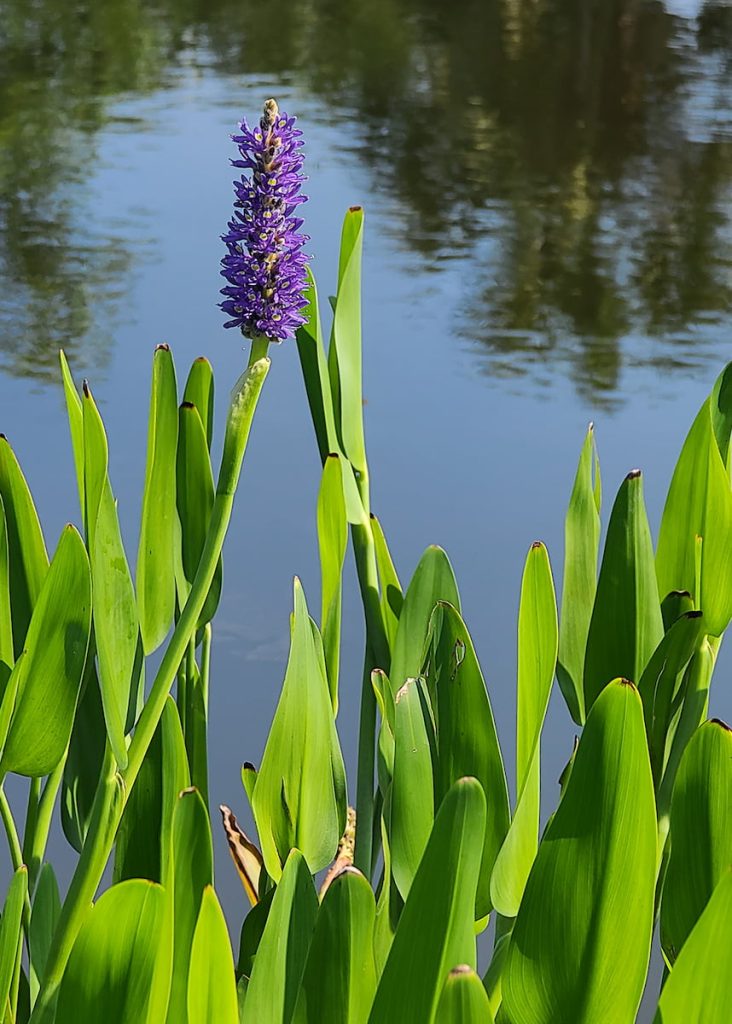
Recommended pond plants should support both visual appeal and ecological function. The best pond plant species for one property may differ from another, but strong planting plans usually combine flowering plants, grasses, sedges, and structure forming species.
A balanced mix often includes the following categories.
Flowering pond plant species
These provide seasonal color and soften the pond border.
Common choices may include:
- Pickerelweed
- Blue flag iris
- Cardinal flower
- Swamp milkweed
- Joe Pye weed
- Golden ragwort
These flowers by a pond attract pollinators and add interest without sacrificing ecological value.
Structural marginal plants
These give height, texture, and root support along wet edges.
Common choices may include:
- Soft rush
- Rush species
- Native sedges
- Bulrush species in appropriate settings
- Maidencane in select regional applications
These marginal pond plants are often especially useful for stabilizing banks and supporting shallow shoreline zones.
Buffer and transition plants
These work slightly farther back from the waterline where soils are moist rather than permanently saturated.
Common choices may include:
- Native grasses
- Switchgrass
- Muhly grass in suitable regions
- River oats
- Moisture tolerant shrubs in larger landscapes
These plants create a layered look and help intercept runoff moving downhill toward the pond.
Plants for Pond Edges and Pond Border Plants for Shoreline Stability
Plants for pond edges and pond border plants should be selected with bank stability in mind. This is especially important for HOA ponds, golf course water features, and residential shorelines where wave action, runoff, mowing pressure, or foot traffic can weaken the edge over time.
Pond border plants help by creating a living root network that holds soil together. A bare shoreline is much more likely to erode, slump, or contribute sediment into the pond. Once that sediment enters the water, it can feed algae, increase turbidity, and reduce overall pond depth over time.
- Useful plants for pond edges often share these characteristics:
- Strong root systems
- Tolerance for changing water levels
- Moderate spread without becoming overly aggressive
- Compatibility with surrounding landscape goals
- Ability to thrive in wet or seasonally wet soil
Good pond border plants are often layered in zones:
- At the waterline with emergent or marginal pond plants
- Just above the edge with flowering natives and sedges
- Higher on the bank with grasses and moisture tolerant support plants
This zoning approach creates visual depth while also serving a practical purpose. It reduces erosion, filters runoff, and makes the pond look more natural and intentional.
Build an Ecosystem with Littoral Plants
Plants help maintain a healthy pond ecosystem and stabilize shoreline while providing habitat for natural wildlife.
Plants for Streams and Overflow Areas
Plants for streams deserve special attention because these areas often experience moving water, periodic washout, and fluctuating moisture conditions. Stream edges, spillways, and overflow channels benefit from plant species that can tolerate force, saturation, and periods of drying in between storm events.
Plants for streams are often selected for:
- Root strength
- Flexibility during flow events
- Soil holding ability
- Adaptation to wet soils
- Reduced need for constant replacement
Suitable plants may include:
- Native rushes
- Native sedges
- Blue flag iris
- Lizard’s tail
- Soft rush
- Moisture tolerant grasses
In these areas, plant choice is not just about appearance. It is also about resilience. A beautiful stream edge planting that cannot tolerate periodic flow will not perform well over time. That is why professionally selected plants for streams are usually based on the site’s hydrology and not just the look of the plant.
Flowers by a Pond for Pollinators, Habitat, and Water Quality
Flowers by a pond support more than the pond itself. They contribute to the broader landscape by feeding pollinators, creating habitat value, and supporting beneficial insect populations. Dragonflies, native bees, butterflies, and amphibians all benefit from a well planted shoreline.
From a pond management perspective, that habitat value matters because a more diverse shoreline often supports a more balanced environment. Dense mowing to the water’s edge may look clean in the short term, but it often removes the exact plant layer that helps the pond function better.
A well designed planting zone around the pond can help:
- Reduce heat stress on shallow shorelines
- Improve habitat diversity
- Trap sediment before it enters the water
- Support beneficial insect activity
- Break up the visual edge between turf and open water
For homeowners and property managers, this means flowers by a pond can be both attractive and highly functional when chosen correctly.
Recommended Pond Plants to Avoid and Planting Mistakes to Watch
Not every wet area plant is a good pond choice. Some species spread too aggressively, some become difficult to maintain, and some may not be suitable for the scale of the property.
Common planting mistakes include:
- Choosing nonnative ornamentals without understanding their spread habits
- Installing a single species only, rather than a mixed planting
- Planting too close together without accounting for mature size
- Using species that cannot handle water fluctuation
- Leaving bare shoreline gaps between plant groupings
- Treating the pond edge like a standard landscape bed instead of a functional buffer
Recommended pond plants should be chosen with maintenance, growth habit, and pond purpose in mind. A private ornamental pond may allow for a more decorative planting palette, while a stormwater pond, HOA lake, or golf course feature usually needs a more functional and durable approach.
Pond Plant Species and How to Build a Balanced Shoreline Planting Plan
The most effective pond plant species are usually part of a layered plan rather than a scattered collection of isolated plants. A balanced shoreline planting plan often includes three zones.
Zone one: shallow water and saturated edge
This is where marginal pond plants do the most work.
Examples may include:
- Pickerelweed
- Duck potato
- Blue flag iris
- Soft rush
Zone two: moist shoreline
This zone supports flowers by a pond and moisture tolerant structure plants.
Examples may include:
- Swamp milkweed
- Cardinal flower
- Sedges
- Joe Pye weed
Zone three: upper bank and transition area
This zone filters runoff and frames the pond visually.
Examples may include:
- Native grasses
- Moisture tolerant perennials
- Shrubs selected for site conditions
This layered strategy helps pond border plants function as a living buffer rather than just scattered decoration.
How Pond Guru Helps Identify Plants Around the Pond
Planting around a pond should be based on more than color preference alone. The wrong species can create maintenance problems, while the right species can support water quality, appearance, and shoreline stability all at once.
Pond Guru helps property owners evaluate:
- Existing plant growth around the shoreline
- Desirable native plant species already present
- Areas of erosion or poor coverage
- Overgrown or invasive vegetation concerns
- Opportunities for adding recommended pond plants
- Practical planting strategies for pond edges and stream areas
A site visit can help identify which pond plant species are helping the shoreline and which may need to be managed or replaced. This is especially valuable for HOA communities, golf courses, and larger managed properties where appearance and function must work together.
Final Thoughts
The best flowers by a pond do more than create visual interest. They help stabilize the shoreline, filter runoff, support habitat, and improve the overall health of the pond environment. Marginal pond plants, pond border plants, and plants for pond edges all serve a practical purpose when selected carefully and installed in the right zones.
Native and regionally appropriate plantings are often the strongest long term choice because they are better suited to local conditions and usually provide more ecological value. A balanced shoreline planting plan can improve water quality, reduce maintenance pressure, and create a more polished, natural appearance around the pond.
Pond Guru provides site visits to help identify plants around the pond, evaluate shoreline conditions, and recommend practical planting strategies tailored to the property. Schedule a site visit with Pond Guru to assess the plants around your pond and develop a more functional, attractive shoreline plan.
Frequently Asked Questions
The best flowers by a pond are usually native or regionally appropriate species that tolerate wet soil and support shoreline stability. Pickerelweed, blue flag iris, swamp milkweed, cardinal flower, and Joe Pye weed are often strong choices because they provide seasonal color while also supporting pollinators and improving the transition between land and water.
Marginal pond plants are species that grow in shallow water or saturated soil along the pond edge. They are important because they help stabilize the shoreline, filter runoff, absorb nutrients, and create habitat. These plants are one of the most functional parts of a pond landscape and often play a major role in long term shoreline health.
Plants for pond edges and plants for streams should be selected for moisture tolerance, root strength, and site conditions. Rushes, sedges, blue flag iris, lizard’s tail, and duck potato are often used because they can handle wet soils and variable water levels while helping control erosion.
Recommended pond plants help improve water quality by slowing runoff, trapping sediment, absorbing excess nutrients, and reducing erosion along the shoreline. When used as part of a layered planting plan, they create a living buffer that protects the pond from many of the inputs that contribute to cloudy water, algae growth, and sediment buildup.
Pond Guru can assess the plants already growing around the pond, identify beneficial and problematic species, evaluate shoreline conditions, and recommend a planting strategy that fits the property. A site visit helps turn plant selection into a practical pond management tool rather than a purely decorative decision.
Ready to Schedule a Visit ?
Have questions about your pond or lake? Our experts are ready to help you take the next step.
Latest Article
Popular Post
Pennywort: From Lawn Weed to Pond Invader
Table of Contents Most Floridians know pennywort as dollarweed,…