

What Is Smartweed? Understanding This Common Pond Invader
What Is Smartweed? Understanding This Common Pond Invader
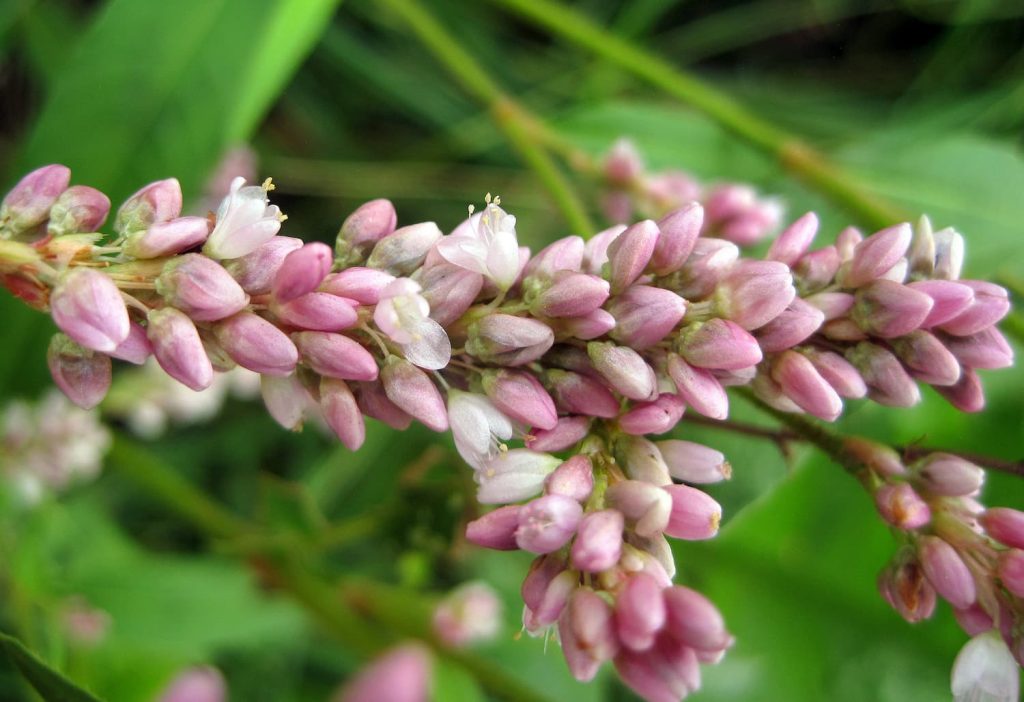
If you’ve noticed a pink weed plant growing aggressively near your pond’s edge or scattered throughout shallow water, you’re likely dealing with smartweed. While it can be attractive at first glance, smartweed poses significant challenges for pond health and maintenance.
In this guide, we’ll explore exactly what smartweed is, how to identify it, whether smartweed is invasive, and most importantly, how to remove smartweed with professional help from Pond Guru.
What Is Smartweed?
Smartweed, also known by its scientific name Persicaria spp., is a fast-growing, moisture-loving plant found in wetlands, ditches, shorelines, and shallow ponds. It’s commonly identified by its long, narrow leaves and spike-shaped clusters of pink or white flowers, often referred to as a pink weed plant.
There are several varieties, including water smartweed and pond smartweed, which can root in mud and spread across water surfaces. While it serves as a habitat for insects and amphibians, it becomes a nuisance when it overwhelms a pond ecosystem.
Is Smartweed Invasive?
One of the most common concerns among pond owners is, is smartweed invasive? The answer depends on the environment.
While not officially classified as an invasive species in every state, smartweed behaves invasively in warm, shallow bodies of water. It spreads quickly, forming dense colonies that:
- Crowd out native aquatic plants
- Impede water flow
- Reduce oxygen levels
- Create ideal conditions for mosquitoes
In managed landscapes like golf courses, HOA ponds, and residential water features, smartweed’s aggressive growth can disrupt both the aesthetic and ecological balance. Once established, it’s notoriously difficult to control without professional intervention.
Smartweed for Ducks: Helpful or Harmful?
There’s a bit of confusion surrounding smartweed for ducks. Some species of ducks do forage on smartweed seeds, and waterfowl managers may even encourage its growth in seasonal wetlands.
However, in permanent ponds or lakes where clarity, oxygenation, and visual appeal are priorities, smartweed does more harm than good. It competes with submerged aquatic vegetation beneficial to fish, and its mat-forming tendencies make boating and swimming unpleasant or even dangerous.
If your waterbody is intended for recreation or year-round use, allowing smartweed to flourish may backfire.
Identifying Water Smartweed and Pond Smartweed
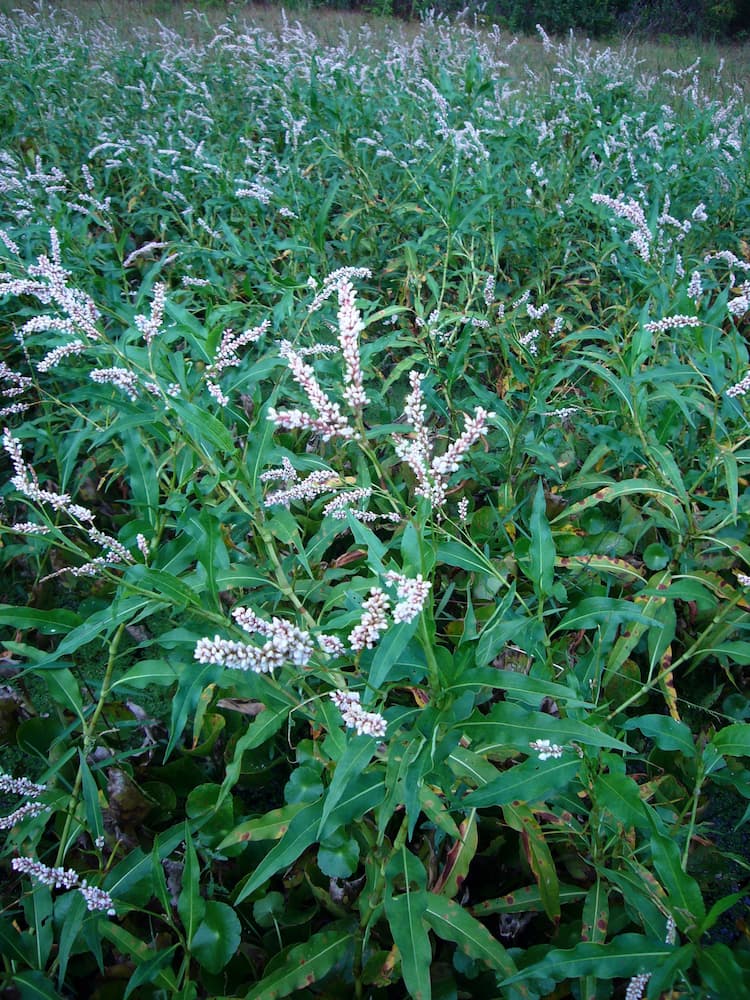
Water smartweed typically floats on the surface and can root from nodes along its creeping stem, while pond smartweed grows emergently around the water’s edge, often transitioning into submerged areas.
Key identification features:
- Long, lance-shaped leaves
- Jointed stems that may have dark blotches
- Dense spikes of pink or white flowers
- Roots that form in shallow water or saturated soil
The pink weed plant aesthetic can be misleading; while pretty, it indicates potential overgrowth issues.
How to Remove Smartweed from Your Pond
If you’re wondering how to remove smartweed, it’s important to know that DIY methods like hand-pulling or mowing rarely offer lasting results. Smartweed’s resilient root system and prolific seed production make it a long-term challenge.
Here’s how professionals approach aquatic weed removal:
- Mechanical removal: Skimming or cutting to reduce above-water biomass
- Biological controls: Encouraging beneficial species to compete with smartweed
- Herbicide treatments: Targeted aquatic-safe herbicides applied by licensed technicians
- Long-term management: Nutrient control, shoreline restoration, and aeration
Pond Guru specializes in all of the above, offering comprehensive lake management services that eliminate smartweed and prevent its return through nutrient balance and ecosystem support.
Get Rid of Pond Weeds
Struggling with weeds taking over your pond? Schedule with your local Pond Guru for a free site visit.
Why Choose Pond Guru for Smartweed Removal?
When it comes to pond smartweed and aquatic weeds in general, the problem is rarely isolated. Excessive nutrients, poor oxygenation, and lack of regular maintenance often set the stage for outbreaks.
Pond Guru offers:
- On-site evaluations and species identification
- Seasonal treatment plans tailored to your pond’s unique ecosystem
- Safe, EPA-approved herbicide applications
- Long-term strategies for aquatic weed removal that work
Whether you manage a private backyard pond or an entire golf course water system, Pond Guru ensures you’re not fighting smartweed alone.
Frequently Asked Questions
Smartweed has long, narrow leaves and pink or white flower spikes that grow on jointed stems near or in water.
Yes, it can become invasive, reduce oxygen, encourage algae growth, and damage native plant life if not controlled.
Ducks may eat the seeds, but in managed ponds, the plant's aggressive growth outweighs its benefits.
Effective removal involves mechanical cutting, safe herbicides, nutrient control, and long-term pond management.
Schedule with Pond Guru online or call today to book a site visit. Our team will inspect your pond and provide a custom solution.
Ready to Schedule a Visit ?
Have questions about your pond or lake? Our experts are ready to help you take the next step.
Latest Article
Popular Post

How Fertilizer Runoff Destroys HOA Lakes | 5 Landscaping Tips
Table of Contents The lush, green lawns that surround…
If you’ve noticed a pink weed plant growing aggressively near your pond’s edge or scattered throughout shallow water, you’re likely dealing with smartweed. While it can be attractive at first glance, smartweed poses significant challenges for pond health and maintenance.
In this guide, we’ll explore exactly what smartweed is, how to identify it, whether smartweed is invasive, and most importantly, how to remove smartweed with professional help from Pond Guru.
What Is Smartweed?
Smartweed, also known by its scientific name Persicaria spp., is a fast-growing, moisture-loving plant found in wetlands, ditches, shorelines, and shallow ponds. It’s commonly identified by its long, narrow leaves and spike-shaped clusters of pink or white flowers, often referred to as a pink weed plant.
There are several varieties, including water smartweed and pond smartweed, which can root in mud and spread across water surfaces. While it serves as a habitat for insects and amphibians, it becomes a nuisance when it overwhelms a pond ecosystem.
Is Smartweed Invasive?
One of the most common concerns among pond owners is, is smartweed invasive? The answer depends on the environment.
While not officially classified as an invasive species in every state, smartweed behaves invasively in warm, shallow bodies of water. It spreads quickly, forming dense colonies that:
- Crowd out native aquatic plants
- Impede water flow
- Reduce oxygen levels
- Create ideal conditions for mosquitoes
In managed landscapes like golf courses, HOA ponds, and residential water features, smartweed’s aggressive growth can disrupt both the aesthetic and ecological balance. Once established, it’s notoriously difficult to control without professional intervention.
Smartweed for Ducks: Helpful or Harmful?
There’s a bit of confusion surrounding smartweed for ducks. Some species of ducks do forage on smartweed seeds, and waterfowl managers may even encourage its growth in seasonal wetlands.
However, in permanent ponds or lakes where clarity, oxygenation, and visual appeal are priorities, smartweed does more harm than good. It competes with submerged aquatic vegetation beneficial to fish, and its mat-forming tendencies make boating and swimming unpleasant or even dangerous.
If your waterbody is intended for recreation or year-round use, allowing smartweed to flourish may backfire.
Identifying Water Smartweed and Pond Smartweed
Water smartweed typically floats on the surface and can root from nodes along its creeping stem, while pond smartweed grows emergently around the water’s edge, often transitioning into submerged areas.
Key identification features:
- Long, lance-shaped leaves
- Jointed stems that may have dark blotches
- Dense spikes of pink or white flowers
- Roots that form in shallow water or saturated soil
The pink weed plant aesthetic can be misleading; while pretty, it indicates potential overgrowth issues.
How to Remove Smartweed from Your Pond
If you’re wondering how to remove smartweed, it’s important to know that DIY methods like hand-pulling or mowing rarely offer lasting results. Smartweed’s resilient root system and prolific seed production make it a long-term challenge.
Here’s how professionals approach aquatic weed removal:
- Mechanical removal: Skimming or cutting to reduce above-water biomass
- Biological controls: Encouraging beneficial species to compete with smartweed
- Herbicide treatments: Targeted aquatic-safe herbicides applied by licensed technicians
- Long-term management: Nutrient control, shoreline restoration, and aeration
Pond Guru specializes in all of the above, offering comprehensive lake management services that eliminate smartweed and prevent its return through nutrient balance and ecosystem support.
Get Rid of Pond Weeds
Struggling with weeds taking over your pond? Schedule with your local Pond Guru for a free site visit.
Why Choose Pond Guru for Smartweed Removal?
When it comes to pond smartweed and aquatic weeds in general, the problem is rarely isolated. Excessive nutrients, poor oxygenation, and lack of regular maintenance often set the stage for outbreaks.
Pond Guru offers:
- On-site evaluations and species identification
- Seasonal treatment plans tailored to your pond’s unique ecosystem
- Safe, EPA-approved herbicide applications
- Long-term strategies for aquatic weed removal that work
Whether you manage a private backyard pond or an entire golf course water system, Pond Guru ensures you’re not fighting smartweed alone.
Frequently Asked Questions
Smartweed has long, narrow leaves and pink or white flower spikes that grow on jointed stems near or in water.
Yes, it can become invasive, reduce oxygen, encourage algae growth, and damage native plant life if not controlled.
Ducks may eat the seeds, but in managed ponds, the plant's aggressive growth outweighs its benefits.
Effective removal involves mechanical cutting, safe herbicides, nutrient control, and long-term pond management.
Schedule with Pond Guru online or call today to book a site visit. Our team will inspect your pond and provide a custom solution.
Ready to Schedule a Visit ?
Have questions about your pond or lake? Our experts are ready to help you take the next step.
Latest Article
Popular Post
How Fertilizer Runoff Destroys HOA Lakes | 5 Landscaping Tips
Table of Contents The lush, green lawns that surround…