

5 Signs of Low Oxygen in Ponds: Pond Aeration Services
5 Signs of Low Oxygen in Ponds: Pond Aeration Services
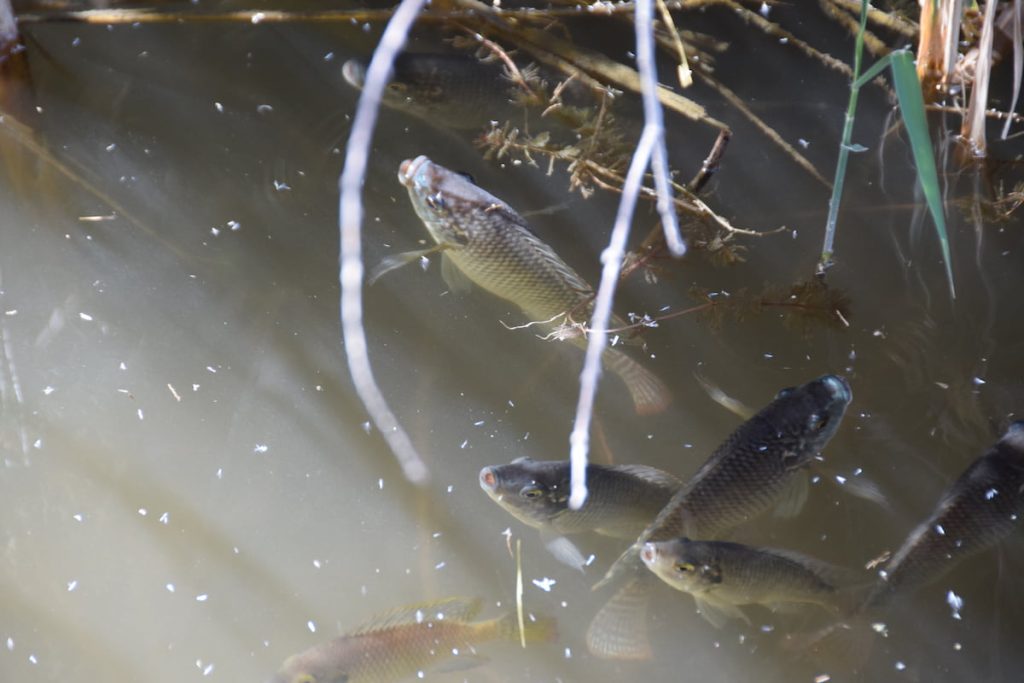
Maintaining healthy oxygen levels in a pond isn’t just important, it’s essential. When oxygen drops too low, aquatic life suffers, water quality deteriorates, and entire ecosystems can become imbalanced. But how do you recognize the early signs of low oxygen in ponds?
In this article, we’ll explore the most common symptoms, what can low oxygen in a pond lead to, and how Pond Guru can help restore and maintain oxygen levels through effective pond aeration solutions.
What Causes Low Oxygen in Ponds?
Before spotting the signs, it’s important to understand why oxygen levels might drop in the first place. Here are some of the most common culprits:
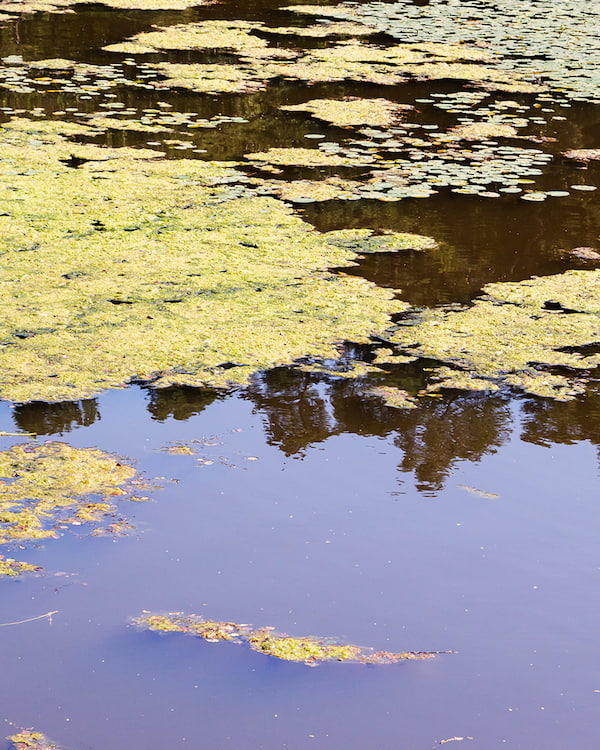
- Overgrowth of algae or aquatic weeds that consume oxygen at night
- Stagnant water due to lack of aeration or circulation
- High temperatures during summer, which reduce oxygen solubility
- Fish overpopulation, increasing oxygen demand
Organic matter build-up, such as decaying leaves or waste
1. Fish Gasping at the Surface
One of the most immediate and visible signs of low oxygen in ponds is fish gasping for air at the water’s surface, especially early in the morning. This desperate behavior indicates oxygen depletion at deeper levels, forcing fish to seek what little oxygen remains near the surface.
If this occurs regularly, it’s a red flag, immediate pond aeration or intervention is needed to avoid fish kills.
2. Sluggish or Lethargic Fish Behavior
Fish that seem slow, inactive, or reluctant to feed may be suffering from oxygen stress. Low oxygen levels reduce their energy and metabolic efficiency, making them sluggish and vulnerable to disease.
For property managers and pond owners, this is one of the most overlooked signs of low oxygen in a pond.
3. Foul or Rotten Odors from the Water
Fish that seem slow, inactive, or reluctant to feed may be suffering from oxygen stress. Low oxygen levels reduce their energy and metabolic efficiency, making them sluggish and vulnerable to disease.
For property managers and pond owners, this is one of the most overlooked signs of low oxygen in a pond.
4. Cloudy or Murky Water
Cloudy pond water often signals a lack of oxygen and poor circulation. Without sufficient oxygen, beneficial aerobic bacteria cannot break down organic matter effectively, leading to murky water and excessive nutrient build-up; conditions that only worsen over time.
If you’re searching for ways to maintain a clear pond water system, solving the oxygen problem is often the first step.
5. Sudden Fish Deaths or Wildlife Decline
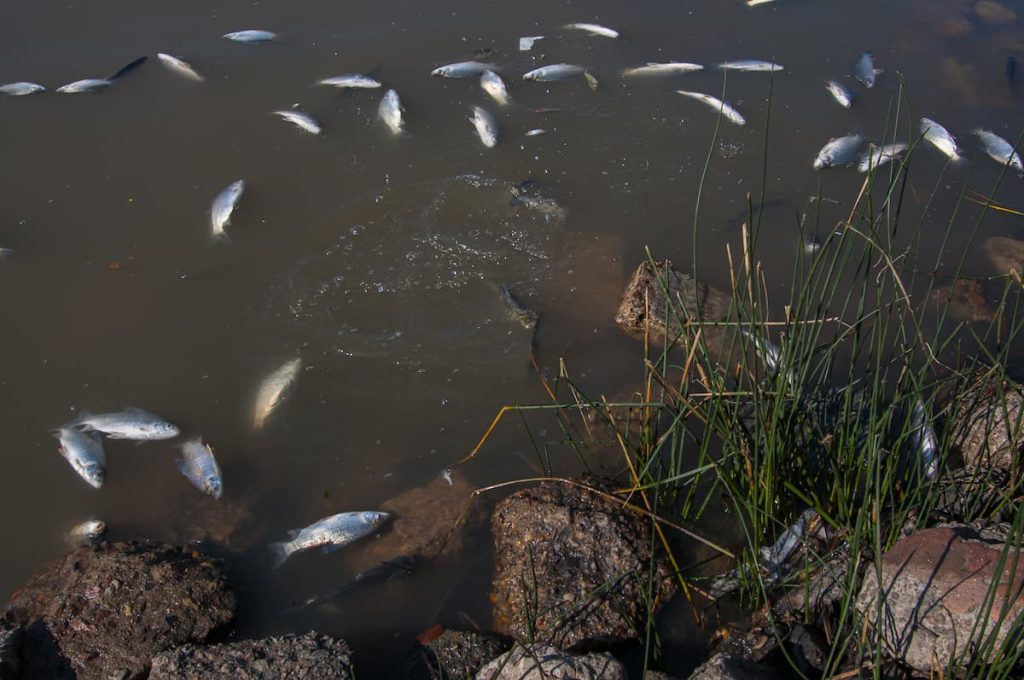
One of the most severe outcomes of prolonged low oxygen levels is a sudden die-off of fish or other pond life. These events can be tragic and costly to fix, but they are preventable with proactive monitoring and effective pond aeration strategies.
Pond Guru recommends regular inspection of your pond or lake, especially during hot summer months when oxygen depletion can happen rapidly.
Get an Aeration System in Your Pond
If you’ve noticed these signs in your lake, its time to get an aerator installed. Call Pond Guru today to get your aeration system.
What Can Low Oxygen in a Pond Lead To?
Left unaddressed, low oxygen can trigger a cascade of negative effects:
- Fish kills
- Algae blooms
- Increased mosquito breeding
- Overgrowth of harmful bacteria
- Sediment buildup and foul smells
That’s why pond aeration is a foundational service offered by Pond Guru. Proper aeration helps maintain oxygen balance, prevents stagnation, and supports overall pond health.
How Pond Aeration Restores Balance
Aeration introduces oxygen into the water column, disrupting stratification and increasing circulation. Whether it’s a small backyard pond or a large HOA-managed lake, Pond Guru can install aeration systems tailored to your pond’s size and condition.
We offer floating fountains, diffused aerators, and custom solutions for long-term oxygenation and clarity.
Why Choose Pond Guru?
Pond Guru serves private homeowners, HOA boards, golf courses, and commercial properties with expert-level pond and lake management. Our team can conduct a site visit, assess water quality, and recommend the right aeration system or treatment plan.
We don’t just fix symptoms, we get to the root of the problem.
Frequently Asked Questions
Fish gasping at the surface, foul odors, and cloudy water are often the first noticeable symptoms.
Yes. Algae consume oxygen at night, which can drastically reduce dissolved oxygen levels, especially in stagnant ponds.
Aeration increases dissolved oxygen, improves water circulation, and reduces the buildup of organic waste and harmful gases.
Long-term effects include fish die-offs, algae blooms, water quality decline, and foul odors.
Absolutely. Our team provides site visits, installs aeration systems, and offers ongoing support to ensure your pond stays healthy and balanced.
Ready to Schedule a Visit ?
Have questions about your pond or lake? Our experts are ready to help you take the next step.
Latest Article
Popular Post

Pennywort: From Lawn Weed to Pond Invader
Table of Contents Most Floridians know pennywort as dollarweed,…
Maintaining healthy oxygen levels in a pond isn’t just important, it’s essential. When oxygen drops too low, aquatic life suffers, water quality deteriorates, and entire ecosystems can become imbalanced. But how do you recognize the early signs of low oxygen in ponds?
In this article, we’ll explore the most common symptoms, what can low oxygen in a pond lead to, and how Pond Guru can help restore and maintain oxygen levels through effective pond aeration solutions.
What Causes Low Oxygen in Ponds?
Before spotting the signs, it’s important to understand why oxygen levels might drop in the first place. Here are some of the most common culprits:
- Overgrowth of algae or aquatic weeds that consume oxygen at night
- Stagnant water due to lack of aeration or circulation
- High temperatures during summer, which reduce oxygen solubility
- Fish overpopulation, increasing oxygen demand
Organic matter build-up, such as decaying leaves or waste
1. Fish Gasping at the Surface
One of the most immediate and visible signs of low oxygen in ponds is fish gasping for air at the water’s surface, especially early in the morning. This desperate behavior indicates oxygen depletion at deeper levels, forcing fish to seek what little oxygen remains near the surface.
If this occurs regularly, it’s a red flag, immediate pond aeration or intervention is needed to avoid fish kills.
2. Sluggish or Lethargic Fish Behavior
Fish that seem slow, inactive, or reluctant to feed may be suffering from oxygen stress. Low oxygen levels reduce their energy and metabolic efficiency, making them sluggish and vulnerable to disease.
For property managers and pond owners, this is one of the most overlooked signs of low oxygen in a pond.
3. Foul or Rotten Odors from the Water
Fish that seem slow, inactive, or reluctant to feed may be suffering from oxygen stress. Low oxygen levels reduce their energy and metabolic efficiency, making them sluggish and vulnerable to disease.
For property managers and pond owners, this is one of the most overlooked signs of low oxygen in a pond.
4. Cloudy or Murky Water
Cloudy pond water often signals a lack of oxygen and poor circulation. Without sufficient oxygen, beneficial aerobic bacteria cannot break down organic matter effectively, leading to murky water and excessive nutrient build-up; conditions that only worsen over time.
If you’re searching for ways to maintain a clear pond water system, solving the oxygen problem is often the first step.
5. Sudden Fish Deaths or Wildlife Decline
One of the most severe outcomes of prolonged low oxygen levels is a sudden die-off of fish or other pond life. These events can be tragic and costly to fix, but they are preventable with proactive monitoring and effective pond aeration strategies.
Pond Guru recommends regular inspection of your pond or lake, especially during hot summer months when oxygen depletion can happen rapidly.
Get an Aeration System in Your Pond
If you’ve noticed these signs in your lake, its time to get an aerator installed. Call Pond Guru today to get your aeration system.
What Can Low Oxygen in a Pond Lead To?
Left unaddressed, low oxygen can trigger a cascade of negative effects:
- Fish kills
- Algae blooms
- Increased mosquito breeding
- Overgrowth of harmful bacteria
- Sediment buildup and foul smells
That’s why pond aeration is a foundational service offered by Pond Guru. Proper aeration helps maintain oxygen balance, prevents stagnation, and supports overall pond health.
How Pond Aeration Restores Balance
Aeration introduces oxygen into the water column, disrupting stratification and increasing circulation. Whether it’s a small backyard pond or a large HOA-managed lake, Pond Guru can install aeration systems tailored to your pond’s size and condition.
We offer floating fountains, diffused aerators, and custom solutions for long-term oxygenation and clarity.
Why Choose Pond Guru?
Pond Guru serves private homeowners, HOA boards, golf courses, and commercial properties with expert-level pond and lake management. Our team can conduct a site visit, assess water quality, and recommend the right aeration system or treatment plan.
We don’t just fix symptoms, we get to the root of the problem.
Frequently Asked Questions
Fish gasping at the surface, foul odors, and cloudy water are often the first noticeable symptoms.
Yes. Algae consume oxygen at night, which can drastically reduce dissolved oxygen levels, especially in stagnant ponds.
Aeration increases dissolved oxygen, improves water circulation, and reduces the buildup of organic waste and harmful gases.
Long-term effects include fish die-offs, algae blooms, water quality decline, and foul odors.
Absolutely. Our team provides site visits, installs aeration systems, and offers ongoing support to ensure your pond stays healthy and balanced.
Ready to Schedule a Visit ?
Have questions about your pond or lake? Our experts are ready to help you take the next step.
Latest Article
Popular Post
Pennywort: From Lawn Weed to Pond Invader
Table of Contents Most Floridians know pennywort as dollarweed,…