

Pond Smelling Like Rotten Eggs? Foul Smelling Pond Water
Pond Smelling Like Rotten Eggs? Foul Smelling Pond Water
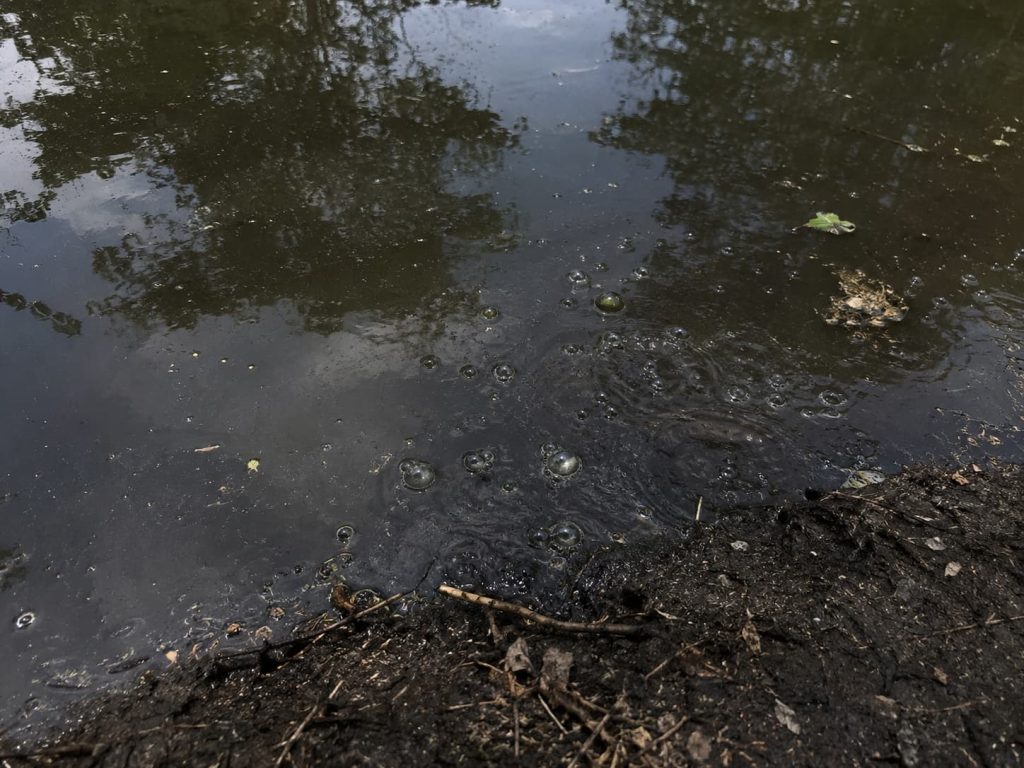
Table of Contents
That unmistakable rotten-egg, sulfur smell drifting off a pond is one of the most common complaints property managers and homeowners have, and it is more than an unpleasant nuisance. The odor is a chemical signal that the pond has run low on oxygen at the bottom, and the same conditions producing the smell are quietly harming the water’s health. Fortunately, the cause is well understood and the fix is straightforward.
This guide explains why a pond smells like rotten eggs, the science of hydrogen sulfide and the bacteria behind it, why the smell is often worst in spring, what other pond odors mean, and how to eliminate foul-smelling water for good.
A pond smells like rotten eggs because of hydrogen sulfide gas, produced by anaerobic bacteria that break down organic matter in the oxygen-starved muck at the bottom. When a pond lacks oxygen, these bacteria take over from odorless aerobic decomposition, releasing the sulfur smell. The fix is aeration to restore oxygen, plus reducing bottom muck.
Key Takeaways
- The rotten-egg smell is hydrogen sulfide gas, produced in the oxygen-free muck at the pond bottom.
- It signals low oxygen. The smell means anaerobic bacteria have taken over from healthy aerobic decomposition.
- Muck is the fuel. Decomposing leaves, algae, and waste on the bottom feed the odor-producing bacteria.
- Spring is peak season, when winter-trapped gases release as the water mixes and warms.
- Aeration is the fix, restoring oxygen so odorless bacteria break down organic matter instead.
What Causes the Rotten Egg Smell in a Pond?
The rotten-egg smell in a pond is caused by hydrogen sulfide gas. When a pond’s bottom runs out of oxygen, anaerobic bacteria break down organic matter and release hydrogen sulfide as a byproduct. This gas has the characteristic rotten-egg or sulfur odor. It is a direct sign that the pond has become oxygen-starved at the bottom.
Understanding the smell as a low-oxygen signal, not just a random nuisance, is the key to fixing it properly.
As pond management and water quality sources explain, in a healthy, oxygen-rich pond, aerobic bacteria break down organic material cleanly into odorless carbon dioxide and water. But when oxygen at the bottom is depleted, slower anaerobic bacteria take over, and their decomposition releases hydrogen sulfide and other gases instead.
Specifically, the rotten-egg odor comes from sulfate-reducing bacteria, such as those in the genus Desulfovibrio, which live in the muck layer where oxygen has been completely used up. These bacteria “breathe” sulfate instead of oxygen, reducing it to sulfide, which becomes the hydrogen sulfide gas you smell.
The core sequence:
- Oxygen runs out at the bottom, usually in the muck layer where decomposition demand is highest.
- Anaerobic bacteria take over, since aerobic bacteria cannot function without oxygen.
- They release hydrogen sulfide as they break down organic matter, producing the rotten-egg smell.
- The gas escapes when the water is disturbed or as it builds up and rises.
Worth noting: hydrogen sulfide is not just smelly. At the concentrations found in pond sediment it is also toxic to fish and aquatic life, which is another reason to take the odor seriously rather than treating it as a cosmetic issue.

Why Does the Muck at the Bottom Cause Odor?
The muck at the bottom causes odor because it is where organic matter accumulates and decomposes, and where oxygen is depleted first. Layers of decaying leaves, dead algae, and fish waste feed bacteria that, without oxygen, produce hydrogen sulfide. The thicker the muck, the more fuel for the smell, making muck the root source of most pond odors.
The muck layer is the heart of the problem, which is why lasting odor control has to address it.
Built-up muck and sludge, the layers of decomposing leaves, algae, and waste on the pond bottom, are a major source of odor. This organic material is both the food source for the odor-producing bacteria and the zone where oxygen disappears fastest, since decomposition consumes oxygen.
How muck drives the odor:
- It supplies the fuel. Organic matter is what the bacteria decompose, so more muck means more potential gas.
- It creates the oxygen-free zone. Decomposition uses up oxygen in and above the muck, creating the anaerobic conditions the odor bacteria need.
- It compounds over time. As algae die and debris settles, the muck layer grows, intensifying the problem.
There is a direct link to algae here. When an algae bloom crashes, the dead algae sink and decay, adding a large pulse of organic matter to the bottom and often producing a strong odor along with ammonia. So recurring odor is frequently a sign of both excess nutrients feeding algae and an accumulating muck layer, which is why muck removal and nutrient control are central to solving it.
Fix Your Rotten Egg Pond
There are a lot of contributing factors to foul smelling pond water. Work with Pond Guru to target source factors and clean your pond today!
Why Is the Smell Worse in Spring?

The rotten-egg smell is often worst in spring because gases trapped under winter conditions are suddenly released when the water mixes and warms. During colder months, hydrogen sulfide can accumulate in the still bottom water. As spring temperatures and weather cause the pond to turn over and circulate, those trapped gases rise and release all at once.
The seasonal timing surprises people, but it follows directly from how ponds stratify and mix.
Many pond owners notice the strongest odors in spring, right as the water begins to mix after winter. Here is why:
- Gases accumulate in still water. During calm or cold periods, hydrogen sulfide builds up in the oxygen-poor bottom layer without escaping.
- Spring mixing releases them. As temperatures change, the pond’s layers turn over and mix, carrying the trapped gases to the surface.
- The release is sudden. Rather than venting gradually, the mixing event releases the accumulated gas in a concentrated burst.
This same turnover dynamic is why odor can spike suddenly after a seasonal shift or a big weather change, and it connects the smell to the broader issue of pond stratification. A pond kept circulating year-round through aeration never allows that buildup in the first place, which is a major reason aeration prevents odor rather than just masking it.
What Do Different Pond Smells Mean?
Different pond smells point to different problems. A rotten-egg or sulfur smell means hydrogen sulfide from low-oxygen decomposition. A heavy, musty, or swampy smell often accompanies an algae bloom, with new algae growing and old algae decaying. A fishy or ammonia smell can follow an algae die-off. All indicate a water quality imbalance worth addressing.
Learning to read the smell helps identify what is happening in the water.
The main pond odors and what they signal:
- Rotten eggs or sulfur. Hydrogen sulfide from anaerobic decomposition in low-oxygen conditions. The classic stagnant-pond smell.
- Musty, swampy, or earthy. Often tied to algae blooms, including the compounds algae themselves produce, especially during active growth and decay.
- Fishy or ammonia-like. Frequently follows an algae bloom crash, as large amounts of algae decompose and release ammonia along with hydrogen sulfide.
Whatever the specific smell, the underlying theme is consistent: a bad odor is an early indicator of a natural imbalance, usually involving low oxygen, excess nutrients, and organic buildup. Even in a pond without fish, a foul smell signals conditions that will slowly degrade the ecosystem, so it is worth diagnosing and treating rather than ignoring.

How Do You Get Rid of Foul Pond Smell?
The most effective way to get rid of foul pond smell is aeration, which restores oxygen so odorless aerobic bacteria replace the anaerobic bacteria producing the smell. Combined with reducing bottom muck, limiting nutrients, and managing algae, aeration eliminates the odor at its source rather than masking it. It is the standard, proven solution.
Getting rid of the smell means fixing the low-oxygen condition that creates it, which is exactly what aeration does.
The core solutions, in order of importance:
- Add aeration. This is the fastest and most effective fix. Fountains and aerators circulate the water and infuse oxygen, especially at the bottom where the odor originates. With oxygen restored, efficient aerobic bacteria break down organic matter cleanly, without producing hydrogen sulfide.
- Reduce the muck. Since muck is the fuel, reducing it cuts the odor at the source. Aeration itself accelerates this by powering aerobic bacteria that digest muck, and heavy accumulation may warrant dredging or muck removal.
- Control nutrients. Limiting the fertilizer runoff and organic debris that feed algae reduces the blooms and die-offs that add muck and odor, which is where shoreline buffers help.
- Manage algae carefully. Preventing large blooms, and treating them in stages when needed, avoids the die-off pulses that cause sudden odor.
A key point: aeration solves the odor by fixing its cause, unlike masking agents that only cover it temporarily. Restoring oxygen shifts the entire pond from a state of stagnant decay to healthy decomposition. This is why professional aeration paired with water quality management is the reliable long-term answer to a smelly pond.
Schedule a Site Visit With Pond Guru
A rotten-egg smell is your pond telling you it has run low on oxygen, and behind that odor is usually a combination of accumulated muck, excess nutrients, and poor circulation. The smell is unpleasant, but it is also a useful early warning, and addressing it improves the pond’s whole health, not just its odor.
Pond Guru works with HOA boards, property managers, and homeowners across Florida to install and maintain aeration, reduce muck, manage nutrients and algae, and eliminate foul-smelling water at its source.
Because every pond is different, the process starts with an on-site evaluation of oxygen, muck depth, and nutrients. To clear the air around your pond for good, schedule a site visit with Pond Guru and a specialist will assess conditions and recommend a plan.

Frequently Asked Questions
The rotten-egg smell is hydrogen sulfide gas, produced by anaerobic bacteria that break down organic matter in the oxygen-starved muck at the pond bottom. When a pond lacks oxygen, these bacteria replace the odorless aerobic decomposition process, releasing the sulfur smell. It is a direct sign the pond has become oxygen-depleted at the bottom.
he hydrogen sulfide behind the smell is toxic to fish and aquatic life at the concentrations found in pond sediment, so the odor signals a genuine water quality problem, not just a nuisance. While the smell at the surface is mainly unpleasant for people, it indicates low-oxygen conditions that stress fish and degrade the ecosystem.
Hydrogen sulfide gas accumulates in the still bottom water during colder months. As spring temperatures and weather cause the pond to turn over and mix, those trapped gases rise and release all at once, producing a strong odor. A pond kept circulating year-round with aeration avoids this buildup entirely.
The most effective fix is aeration, which restores oxygen so odorless aerobic bacteria replace the anaerobic bacteria producing the smell. Pair it with reducing bottom muck, limiting nutrient runoff, and managing algae. This eliminates the odor at its source rather than masking it, and improves overall water quality.
Yes. Aeration is the standard, proven solution for pond odor because it fixes the root cause. By circulating the water and adding oxygen, especially at the bottom, it enables efficient aerobic bacteria to break down organic matter cleanly without producing hydrogen sulfide. It also accelerates muck digestion, reducing the fuel for future odor.
Ready to Schedule a Visit ?
Have questions about your pond or lake? Our experts are ready to help you take the next step.
Latest Article
Popular Post

The Secchi Disk: Measuring Water Clarity
Table of Contents For a tool that is essentially…
Table of Contents
That unmistakable rotten-egg, sulfur smell drifting off a pond is one of the most common complaints property managers and homeowners have, and it is more than an unpleasant nuisance. The odor is a chemical signal that the pond has run low on oxygen at the bottom, and the same conditions producing the smell are quietly harming the water’s health. Fortunately, the cause is well understood and the fix is straightforward.
This guide explains why a pond smells like rotten eggs, the science of hydrogen sulfide and the bacteria behind it, why the smell is often worst in spring, what other pond odors mean, and how to eliminate foul-smelling water for good.
A pond smells like rotten eggs because of hydrogen sulfide gas, produced by anaerobic bacteria that break down organic matter in the oxygen-starved muck at the bottom. When a pond lacks oxygen, these bacteria take over from odorless aerobic decomposition, releasing the sulfur smell. The fix is aeration to restore oxygen, plus reducing bottom muck.
Key Takeaways
- The rotten-egg smell is hydrogen sulfide gas, produced in the oxygen-free muck at the pond bottom.
- It signals low oxygen. The smell means anaerobic bacteria have taken over from healthy aerobic decomposition.
- Muck is the fuel. Decomposing leaves, algae, and waste on the bottom feed the odor-producing bacteria.
- Spring is peak season, when winter-trapped gases release as the water mixes and warms.
- Aeration is the fix, restoring oxygen so odorless bacteria break down organic matter instead.
What Causes the Rotten Egg Smell in a Pond?
The rotten-egg smell in a pond is caused by hydrogen sulfide gas. When a pond’s bottom runs out of oxygen, anaerobic bacteria break down organic matter and release hydrogen sulfide as a byproduct. This gas has the characteristic rotten-egg or sulfur odor. It is a direct sign that the pond has become oxygen-starved at the bottom.
Understanding the smell as a low-oxygen signal, not just a random nuisance, is the key to fixing it properly.
As pond management and water quality sources explain, in a healthy, oxygen-rich pond, aerobic bacteria break down organic material cleanly into odorless carbon dioxide and water. But when oxygen at the bottom is depleted, slower anaerobic bacteria take over, and their decomposition releases hydrogen sulfide and other gases instead.
Specifically, the rotten-egg odor comes from sulfate-reducing bacteria, such as those in the genus Desulfovibrio, which live in the muck layer where oxygen has been completely used up. These bacteria “breathe” sulfate instead of oxygen, reducing it to sulfide, which becomes the hydrogen sulfide gas you smell.
The core sequence:
- Oxygen runs out at the bottom, usually in the muck layer where decomposition demand is highest.
- Anaerobic bacteria take over, since aerobic bacteria cannot function without oxygen.
- They release hydrogen sulfide as they break down organic matter, producing the rotten-egg smell.
- The gas escapes when the water is disturbed or as it builds up and rises.
Worth noting: hydrogen sulfide is not just smelly. At the concentrations found in pond sediment it is also toxic to fish and aquatic life, which is another reason to take the odor seriously rather than treating it as a cosmetic issue.
Why Does the Muck at the Bottom Cause Odor?
The muck at the bottom causes odor because it is where organic matter accumulates and decomposes, and where oxygen is depleted first. Layers of decaying leaves, dead algae, and fish waste feed bacteria that, without oxygen, produce hydrogen sulfide. The thicker the muck, the more fuel for the smell, making muck the root source of most pond odors.
The muck layer is the heart of the problem, which is why lasting odor control has to address it.
Built-up muck and sludge, the layers of decomposing leaves, algae, and waste on the pond bottom, are a major source of odor. This organic material is both the food source for the odor-producing bacteria and the zone where oxygen disappears fastest, since decomposition consumes oxygen.
How muck drives the odor:
- It supplies the fuel. Organic matter is what the bacteria decompose, so more muck means more potential gas.
- It creates the oxygen-free zone. Decomposition uses up oxygen in and above the muck, creating the anaerobic conditions the odor bacteria need.
- It compounds over time. As algae die and debris settles, the muck layer grows, intensifying the problem.
There is a direct link to algae here. When an algae bloom crashes, the dead algae sink and decay, adding a large pulse of organic matter to the bottom and often producing a strong odor along with ammonia. So recurring odor is frequently a sign of both excess nutrients feeding algae and an accumulating muck layer, which is why muck removal and nutrient control are central to solving it.
Fix Your Rotten Egg Pond
There are a lot of contributing factors to foul smelling pond water. Work with Pond Guru to target source factors and clean your pond today!
Why Is the Smell Worse in Spring?

The rotten-egg smell is often worst in spring because gases trapped under winter conditions are suddenly released when the water mixes and warms. During colder months, hydrogen sulfide can accumulate in the still bottom water. As spring temperatures and weather cause the pond to turn over and circulate, those trapped gases rise and release all at once.
The seasonal timing surprises people, but it follows directly from how ponds stratify and mix.
Many pond owners notice the strongest odors in spring, right as the water begins to mix after winter. Here is why:
- Gases accumulate in still water. During calm or cold periods, hydrogen sulfide builds up in the oxygen-poor bottom layer without escaping.
- Spring mixing releases them. As temperatures change, the pond’s layers turn over and mix, carrying the trapped gases to the surface.
- The release is sudden. Rather than venting gradually, the mixing event releases the accumulated gas in a concentrated burst.
This same turnover dynamic is why odor can spike suddenly after a seasonal shift or a big weather change, and it connects the smell to the broader issue of pond stratification. A pond kept circulating year-round through aeration never allows that buildup in the first place, which is a major reason aeration prevents odor rather than just masking it.
What Do Different Pond Smells Mean?
Different pond smells point to different problems. A rotten-egg or sulfur smell means hydrogen sulfide from low-oxygen decomposition. A heavy, musty, or swampy smell often accompanies an algae bloom, with new algae growing and old algae decaying. A fishy or ammonia smell can follow an algae die-off. All indicate a water quality imbalance worth addressing.
Learning to read the smell helps identify what is happening in the water.
The main pond odors and what they signal:
- Rotten eggs or sulfur. Hydrogen sulfide from anaerobic decomposition in low-oxygen conditions. The classic stagnant-pond smell.
- Musty, swampy, or earthy. Often tied to algae blooms, including the compounds algae themselves produce, especially during active growth and decay.
- Fishy or ammonia-like. Frequently follows an algae bloom crash, as large amounts of algae decompose and release ammonia along with hydrogen sulfide.
Whatever the specific smell, the underlying theme is consistent: a bad odor is an early indicator of a natural imbalance, usually involving low oxygen, excess nutrients, and organic buildup. Even in a pond without fish, a foul smell signals conditions that will slowly degrade the ecosystem, so it is worth diagnosing and treating rather than ignoring.
How Do You Get Rid of Foul Pond Smell?
The most effective way to get rid of foul pond smell is aeration, which restores oxygen so odorless aerobic bacteria replace the anaerobic bacteria producing the smell. Combined with reducing bottom muck, limiting nutrients, and managing algae, aeration eliminates the odor at its source rather than masking it. It is the standard, proven solution.
Getting rid of the smell means fixing the low-oxygen condition that creates it, which is exactly what aeration does.
The core solutions, in order of importance:
- Add aeration. This is the fastest and most effective fix. Fountains and aerators circulate the water and infuse oxygen, especially at the bottom where the odor originates. With oxygen restored, efficient aerobic bacteria break down organic matter cleanly, without producing hydrogen sulfide.
- Reduce the muck. Since muck is the fuel, reducing it cuts the odor at the source. Aeration itself accelerates this by powering aerobic bacteria that digest muck, and heavy accumulation may warrant dredging or muck removal.
- Control nutrients. Limiting the fertilizer runoff and organic debris that feed algae reduces the blooms and die-offs that add muck and odor, which is where shoreline buffers help.
- Manage algae carefully. Preventing large blooms, and treating them in stages when needed, avoids the die-off pulses that cause sudden odor.
A key point: aeration solves the odor by fixing its cause, unlike masking agents that only cover it temporarily. Restoring oxygen shifts the entire pond from a state of stagnant decay to healthy decomposition. This is why professional aeration paired with water quality management is the reliable long-term answer to a smelly pond.
Schedule a Site Visit With Pond Guru

A rotten-egg smell is your pond telling you it has run low on oxygen, and behind that odor is usually a combination of accumulated muck, excess nutrients, and poor circulation. The smell is unpleasant, but it is also a useful early warning, and addressing it improves the pond’s whole health, not just its odor.
Pond Guru works with HOA boards, property managers, and homeowners across Florida to install and maintain aeration, reduce muck, manage nutrients and algae, and eliminate foul-smelling water at its source.
Because every pond is different, the process starts with an on-site evaluation of oxygen, muck depth, and nutrients. To clear the air around your pond for good, schedule a site visit with Pond Guru and a specialist will assess conditions and recommend a plan.
Frequently Asked Questions
The rotten-egg smell is hydrogen sulfide gas, produced by anaerobic bacteria that break down organic matter in the oxygen-starved muck at the pond bottom. When a pond lacks oxygen, these bacteria replace the odorless aerobic decomposition process, releasing the sulfur smell. It is a direct sign the pond has become oxygen-depleted at the bottom.
The hydrogen sulfide behind the smell is toxic to fish and aquatic life at the concentrations found in pond sediment, so the odor signals a genuine water quality problem, not just a nuisance. While the smell at the surface is mainly unpleasant for people, it indicates low-oxygen conditions that stress fish and degrade the ecosystem.
Hydrogen sulfide gas accumulates in the still bottom water during colder months. As spring temperatures and weather cause the pond to turn over and mix, those trapped gases rise and release all at once, producing a strong odor. A pond kept circulating year-round with aeration avoids this buildup entirely.
The most effective fix is aeration, which restores oxygen so odorless aerobic bacteria replace the anaerobic bacteria producing the smell. Pair it with reducing bottom muck, limiting nutrient runoff, and managing algae. This eliminates the odor at its source rather than masking it, and improves overall water quality.
Yes. Aeration is the standard, proven solution for pond odor because it fixes the root cause. By circulating the water and adding oxygen, especially at the bottom, it enables efficient aerobic bacteria to break down organic matter cleanly without producing hydrogen sulfide. It also accelerates muck digestion, reducing the fuel for future odor.
Ready to Schedule a Visit ?
Have questions about your pond or lake? Our experts are ready to help you take the next step.
Latest Article
Popular Post
The Secchi Disk: Measuring Water Clarity
Table of Contents For a tool that is essentially…