

Stagnant Pond Water: Why Ponds Go Stagnant and How to Fix It
Stagnant Pond Water: Why Ponds Go Stagnant and How to Fix It
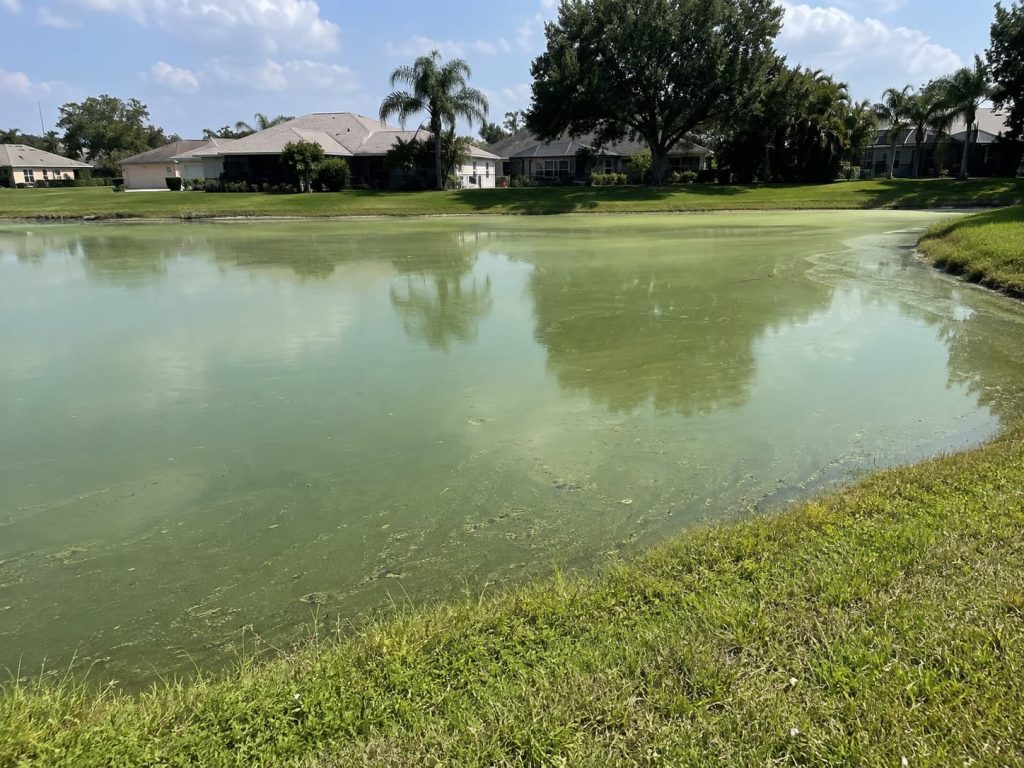
Table of Contents
A pond that has gone still and lifeless, with a filmy surface, a green tint, and a faint swampy smell, is a pond in trouble. Stagnant pond water is not just unpleasant to look at; it sets off a chain reaction of algae, mosquitoes, odor, and low oxygen that can damage the whole ecosystem and become a genuine nuisance and health concern for a community. The good news is that stagnation has a clear cause and a proven fix.
This guide explains what makes pond water go stagnant, the problems it creates, the health and mosquito risks involved, and how aeration and circulation restore a stagnant pond to health.
Stagnant water is water that does not circulate or flow, which causes oxygen levels to drop and lets algae, mosquitoes, bacteria, and foul odors take over. In ponds it results from poor circulation, excess nutrients, and organic buildup. The most effective fix is aeration, which restores water movement and oxygen and reverses the conditions that cause stagnation.
Key Takeaways
- Stagnation starts with a lack of water movement, which causes oxygen levels to fall and problems to compound.
- It breeds algae, mosquitoes, odor, and harmful bacteria, turning a healthy pond into a nuisance and a health concern.
- Mosquitoes need still water, so moving water disrupts their larvae, one of the biggest benefits of fixing stagnation.
- The root cause is low oxygen and poor circulation, often worsened by excess nutrients and organic muck.
- Aeration is the most effective fix, restoring circulation and oxygen and reversing the stagnation cycle.
What Makes Pond Water Go Stagnant?
Pond water goes stagnant when it stops circulating and oxygen levels drop. Without movement, oxygen is not replenished, organic debris accumulates on the bottom, and biological activity stalls. Common causes include a lack of aeration, excess nutrients from runoff, too much organic matter, shallow depth, and overstocking with fish.
Understanding stagnation as fundamentally a circulation and oxygen problem is the key to fixing it.
A pond is considered stagnant when its water circulation slows to the point that oxygen levels drop, debris collects, and biological activity stalls. Without fresh water entering and excess nutrients cycling out, a once-healthy ecosystem becomes a breeding ground for algae, bacteria, and pests.
The common causes work together:
- Lack of circulation or aeration. With no movement from wind, flow, or an aerator, oxygen is not replenished and the water goes still.
- Excess nutrients. Runoff carrying fertilizer and organic matter feeds algae and drives the imbalance.
- Organic buildup. Leaves, grass clippings, and other debris settle and decompose, consuming oxygen.
- Shallow depth. Shallow ponds heat up fast, which lowers dissolved oxygen and speeds stagnation.
- Overstocking. Too many fish add waste and oxygen demand that overwhelm the pond’s balance.
In Florida’s warm climate, these factors act quickly. Warm water holds less oxygen to begin with, so a pond with poor circulation can tip into stagnation in a single hot, calm stretch.

Why Is Stagnant Pond Water a Problem?
Stagnant water is a problem because low oxygen and still conditions trigger a cascade of issues: algae blooms, foul odors, mosquito infestations, harmful bacteria, and fish stress or death. What starts as a cosmetic issue can escalate into an ecological and health concern within a single season if left unaddressed.
The reason stagnation matters so much is that it does not stay contained; one problem feeds the next.
When water sits still, oxygen levels drop and harmful organisms flourish. The chain reaction typically includes:
- Algae blooms. Low oxygen and excess nutrients let algae thrive unchecked, turning water green and worsening the oxygen swings.
- Foul odors. Anaerobic decomposition at the bottom releases hydrogen sulfide, the rotten-egg smell of a stagnant pond.
- Mosquito breeding. Still water is the ideal nursery for mosquito larvae, a nuisance and a disease risk.
- Harmful bacteria. Warm, low-oxygen water encourages pathogenic bacteria that can affect people, pets, and wildlife.
- Fish stress and kills. As oxygen falls, fish are stressed and can die, especially overnight.
- Discoloration and muck. Water shifts from clear to green, brown, or black, and sludge accumulates.
For a community, these are not just aesthetic concerns. They can drive complaints, harm curb appeal and property values, and create real liability around mosquitoes and odors. This is why catching stagnation early matters.
Stop Stagnant Pond Water
Introduce submersed pond aeration to circulate oxygen and water throughout your pond’s water column and stop mosquitos and algae from growing in stagnant water.
Does Stagnant Water Cause Mosquitoes?

Yes. Stagnant water is the single most important breeding ground for mosquitoes, because most species need a still water surface to lay eggs and for their larvae to develop. Moving water disrupts this cycle. This is why stagnant ponds see mosquito problems while well-circulated ponds do not, and why aeration is an effective mosquito deterrent.
The mosquito connection is one of the most practical reasons to address stagnation, especially in Florida.
Mosquitoes lay their eggs on still water surfaces, and a pond with minimal flow provides the perfect nursery for larvae, often called wrigglers, which hang from the surface film to breathe. Disrupt that surface, and you break the cycle.
Why moving water defeats mosquitoes:
- Larvae need a calm surface. Most mosquito species require still water to suspend their larvae at the surface, so surface movement drowns or disperses them.
- Aeration disturbs the surface. Aeration systems and fountains agitate the surface enough to prevent egg-laying and larval survival.
- Circulation removes the habitat. Moving water eliminates the stagnant microenvironments where larvae develop undisturbed.
The health stakes are real in Florida, where mosquitoes can carry West Nile virus and other diseases. Reducing mosquito breeding is both a nuisance and a public health benefit. Aeration works best as part of an integrated approach, but water movement is one of the most effective preventive strategies available, which connects directly to mosquito control for community waterbodies.
How Do You Fix a Stagnant Pond?
The most effective way to fix a stagnant pond is aeration, which restores water movement and oxygen. Combined with reducing nutrient inputs, removing organic muck, and managing algae, aeration reverses the stagnation cycle. A bottom-diffused aerator or fountain circulates the water, raises oxygen, and prevents the conditions that cause stagnation.
Fixing stagnation means addressing its root, the lack of oxygen and movement, rather than just treating symptoms.
Cause of stagnation | The fix |
|---|---|
Poor circulation | Aeration or a fountain to keep water moving |
Low dissolved oxygen | Aeration to raise and stabilize oxygen |
Excess nutrients | Reduce runoff, add shoreline buffers |
Organic muck buildup | Muck removal and beneficial bacteria |
Algae overgrowth | Nutrient control and careful algae management |
Shallow, warm water | Aeration and, in some cases, dredging for depth |
Aeration is the centerpiece because it addresses several problems at once. A bottom-diffused aerator moves cooler, oxygen-poor water from the bottom up and circulates the whole pond, raising oxygen throughout the water column. Higher oxygen also powers the beneficial aerobic bacteria that break down muck, and since aerobic bacteria are far more efficient at decomposing organic matter than the anaerobic bacteria that dominate a stagnant pond, aeration steadily reduces the sludge and nutrient load that feed the problem.
The complete fix pairs aeration with nutrient management and shoreline buffers, muck reduction, and, where needed, algae control. Together these move a pond from a stagnant, low-oxygen state to a dynamic, healthy one.

How Do You Keep a Pond From Going Stagnant?
To keep a pond from going stagnant, maintain continuous water movement with aeration, limit the nutrients and organic debris that feed the problem, and monitor water quality. Prevention is far easier and cheaper than reversing an established stagnation cycle, since a well-aerated, nutrient-managed pond simply does not stagnate.
Prevention is where a community gains lasting control, because keeping a pond dynamic stops every downstream problem before it starts.
The core preventive measures:
- Run aeration continuously. Consistent circulation and oxygen are the foundation, preventing the stratification and oxygen loss that start stagnation.
- Limit nutrient inputs. Reduce fertilizer runoff and organic debris entering the water, ideally with vegetated shoreline buffers.
- Manage organic matter. Keep leaves, grass clippings, and muck from accumulating on the bottom.
- Avoid overstocking. Match fish populations to what the pond can support.
- Monitor water quality. Regular testing catches the nutrient and oxygen trends that precede stagnation.
The unifying principle is simple: keep the water moving and the nutrients down. A pond that circulates well and is not overloaded with nutrients stays clear, oxygenated, and free of the algae, mosquitoes, and odor that define a stagnant one. This is why ongoing aeration and water quality management are the backbone of a healthy community pond
Schedule a Site Visit With Pond Guru
Stagnant water is one of the most common and most fixable pond problems. Behind the algae, odor, and mosquitoes is almost always the same root cause, a lack of movement and oxygen, and restoring those reverses the whole cycle. The key is matching the right aeration and management to your specific pond.
Pond Guru works with HOA boards, property managers, and homeowners across Florida to install and maintain aeration, manage nutrients and algae, control mosquitoes, and keep community ponds circulating and healthy.
Because every pond is different, the process starts with an on-site evaluation of circulation, oxygen, depth, and nutrients. To bring a stagnant pond back to life, schedule a site visit with Pond Guru and a specialist will assess conditions and recommend a plan.

Frequently Asked Questions
A pond becomes stagnant when water stops circulating and oxygen levels drop. Common causes include a lack of aeration, excess nutrients from runoff, buildup of organic matter like leaves and debris, shallow depth that warms quickly, and overstocking with fish. Without movement, oxygen is not replenished and problems compound quickly.
Stagnant water can be a genuine health concern. Low oxygen and warm conditions encourage harmful bacteria and provide ideal breeding grounds for mosquitoes, which in Florida can carry diseases like West Nile virus. It also produces foul odors and can harm fish and wildlife. Addressing stagnation protects both the ecosystem and community health.
Yes. Most mosquito species need a still water surface to lay eggs and for their larvae to develop. Aeration and fountains disturb the surface and keep water moving, which disrupts the mosquito life cycle. This makes aeration one of the most effective preventive strategies against mosquito breeding in ponds and lakes.
The most effective fix is aeration to restore circulation and oxygen, paired with reducing nutrient inputs, removing organic muck, and managing algae. A bottom-diffused aerator or fountain circulates the whole pond and raises oxygen, reversing the low-oxygen conditions that cause stagnation. Addressing the nutrient sources prevents it from returning.
A stagnant pond smells bad because low oxygen lets anaerobic bacteria break down organic matter at the bottom, releasing hydrogen sulfide, the rotten-egg odor. This happens when there is not enough oxygen for the odorless aerobic decomposition process. Restoring oxygen through aeration and reducing bottom muck eliminates the smell at its source.
Ready to Schedule a Visit ?
Have questions about your pond or lake? Our experts are ready to help you take the next step.
Latest Article
Popular Post

The Secchi Disk: Measuring Water Clarity
Table of Contents For a tool that is essentially…
Table of Contents
A pond that has gone still and lifeless, with a filmy surface, a green tint, and a faint swampy smell, is a pond in trouble. Stagnant pond water is not just unpleasant to look at; it sets off a chain reaction of algae, mosquitoes, odor, and low oxygen that can damage the whole ecosystem and become a genuine nuisance and health concern for a community. The good news is that stagnation has a clear cause and a proven fix.
This guide explains what makes pond water go stagnant, the problems it creates, the health and mosquito risks involved, and how aeration and circulation restore a stagnant pond to health.
Stagnant water is water that does not circulate or flow, which causes oxygen levels to drop and lets algae, mosquitoes, bacteria, and foul odors take over. In ponds it results from poor circulation, excess nutrients, and organic buildup. The most effective fix is aeration, which restores water movement and oxygen and reverses the conditions that cause stagnation.
Key Takeaways
- Stagnation starts with a lack of water movement, which causes oxygen levels to fall and problems to compound.
- It breeds algae, mosquitoes, odor, and harmful bacteria, turning a healthy pond into a nuisance and a health concern.
- Mosquitoes need still water, so moving water disrupts their larvae, one of the biggest benefits of fixing stagnation.
- The root cause is low oxygen and poor circulation, often worsened by excess nutrients and organic muck.
- Aeration is the most effective fix, restoring circulation and oxygen and reversing the stagnation cycle.
What Makes Pond Water Go Stagnant?
Pond water goes stagnant when it stops circulating and oxygen levels drop. Without movement, oxygen is not replenished, organic debris accumulates on the bottom, and biological activity stalls. Common causes include a lack of aeration, excess nutrients from runoff, too much organic matter, shallow depth, and overstocking with fish.
Understanding stagnation as fundamentally a circulation and oxygen problem is the key to fixing it.
A pond is considered stagnant when its water circulation slows to the point that oxygen levels drop, debris collects, and biological activity stalls. Without fresh water entering and excess nutrients cycling out, a once-healthy ecosystem becomes a breeding ground for algae, bacteria, and pests.
The common causes work together:
- Lack of circulation or aeration. With no movement from wind, flow, or an aerator, oxygen is not replenished and the water goes still.
- Excess nutrients. Runoff carrying fertilizer and organic matter feeds algae and drives the imbalance.
- Organic buildup. Leaves, grass clippings, and other debris settle and decompose, consuming oxygen.
- Shallow depth. Shallow ponds heat up fast, which lowers dissolved oxygen and speeds stagnation.
- Overstocking. Too many fish add waste and oxygen demand that overwhelm the pond’s balance.
In Florida’s warm climate, these factors act quickly. Warm water holds less oxygen to begin with, so a pond with poor circulation can tip into stagnation in a single hot, calm stretch.
Why Is Stagnant Pond Water a Problem?
Stagnant water is a problem because low oxygen and still conditions trigger a cascade of issues: algae blooms, foul odors, mosquito infestations, harmful bacteria, and fish stress or death. What starts as a cosmetic issue can escalate into an ecological and health concern within a single season if left unaddressed.
The reason stagnation matters so much is that it does not stay contained; one problem feeds the next.
When water sits still, oxygen levels drop and harmful organisms flourish. The chain reaction typically includes:
- Algae blooms. Low oxygen and excess nutrients let algae thrive unchecked, turning water green and worsening the oxygen swings.
- Foul odors. Anaerobic decomposition at the bottom releases hydrogen sulfide, the rotten-egg smell of a stagnant pond.
- Mosquito breeding. Still water is the ideal nursery for mosquito larvae, a nuisance and a disease risk.
- Harmful bacteria. Warm, low-oxygen water encourages pathogenic bacteria that can affect people, pets, and wildlife.
- Fish stress and kills. As oxygen falls, fish are stressed and can die, especially overnight.
- Discoloration and muck. Water shifts from clear to green, brown, or black, and sludge accumulates.
For a community, these are not just aesthetic concerns. They can drive complaints, harm curb appeal and property values, and create real liability around mosquitoes and odors. This is why catching stagnation early matters.
Stop Stagnant Pond Water
Introduce submersed pond aeration to circulate oxygen and water throughout your pond’s water column and stop mosquitos and algae from growing in stagnant water.
Does Stagnant Water Cause Mosquitoes?

Yes. Stagnant water is the single most important breeding ground for mosquitoes, because most species need a still water surface to lay eggs and for their larvae to develop. Moving water disrupts this cycle. This is why stagnant ponds see mosquito problems while well-circulated ponds do not, and why aeration is an effective mosquito deterrent.
The mosquito connection is one of the most practical reasons to address stagnation, especially in Florida.
Mosquitoes lay their eggs on still water surfaces, and a pond with minimal flow provides the perfect nursery for larvae, often called wrigglers, which hang from the surface film to breathe. Disrupt that surface, and you break the cycle.
Why moving water defeats mosquitoes:
- Larvae need a calm surface. Most mosquito species require still water to suspend their larvae at the surface, so surface movement drowns or disperses them.
- Aeration disturbs the surface. Aeration systems and fountains agitate the surface enough to prevent egg-laying and larval survival.
- Circulation removes the habitat. Moving water eliminates the stagnant microenvironments where larvae develop undisturbed.
The health stakes are real in Florida, where mosquitoes can carry West Nile virus and other diseases. Reducing mosquito breeding is both a nuisance and a public health benefit. Aeration works best as part of an integrated approach, but water movement is one of the most effective preventive strategies available, which connects directly to mosquito control for community waterbodies.
How Do You Fix a Stagnant Pond?
The most effective way to fix a stagnant pond is aeration, which restores water movement and oxygen. Combined with reducing nutrient inputs, removing organic muck, and managing algae, aeration reverses the stagnation cycle. A bottom-diffused aerator or fountain circulates the water, raises oxygen, and prevents the conditions that cause stagnation.
Fixing stagnation means addressing its root, the lack of oxygen and movement, rather than just treating symptoms.
Cause of stagnation | The fix |
|---|---|
Poor circulation | Aeration or a fountain to keep water moving |
Low dissolved oxygen | Aeration to raise and stabilize oxygen |
Excess nutrients | Reduce runoff, add shoreline buffers |
Organic muck buildup | Muck removal and beneficial bacteria |
Algae overgrowth | Nutrient control and careful algae management |
Shallow, warm water | Aeration and, in some cases, dredging for depth |
Aeration is the centerpiece because it addresses several problems at once. A bottom-diffused aerator moves cooler, oxygen-poor water from the bottom up and circulates the whole pond, raising oxygen throughout the water column. Higher oxygen also powers the beneficial aerobic bacteria that break down muck, and since aerobic bacteria are far more efficient at decomposing organic matter than the anaerobic bacteria that dominate a stagnant pond, aeration steadily reduces the sludge and nutrient load that feed the problem.
The complete fix pairs aeration with nutrient management and shoreline buffers, muck reduction, and, where needed, algae control. Together these move a pond from a stagnant, low-oxygen state to a dynamic, healthy one.
How Do You Keep a Pond From Going Stagnant?
To keep a pond from going stagnant, maintain continuous water movement with aeration, limit the nutrients and organic debris that feed the problem, and monitor water quality. Prevention is far easier and cheaper than reversing an established stagnation cycle, since a well-aerated, nutrient-managed pond simply does not stagnate.
Prevention is where a community gains lasting control, because keeping a pond dynamic stops every downstream problem before it starts.
The core preventive measures:
- Run aeration continuously. Consistent circulation and oxygen are the foundation, preventing the stratification and oxygen loss that start stagnation.
- Limit nutrient inputs. Reduce fertilizer runoff and organic debris entering the water, ideally with vegetated shoreline buffers.
- Manage organic matter. Keep leaves, grass clippings, and muck from accumulating on the bottom.
- Avoid overstocking. Match fish populations to what the pond can support.
- Monitor water quality. Regular testing catches the nutrient and oxygen trends that precede stagnation.
The unifying principle is simple: keep the water moving and the nutrients down. A pond that circulates well and is not overloaded with nutrients stays clear, oxygenated, and free of the algae, mosquitoes, and odor that define a stagnant one. This is why ongoing aeration and water quality management are the backbone of a healthy community pond.
Schedule a Site Visit With Pond Guru

Stagnant water is one of the most common and most fixable pond problems. Behind the algae, odor, and mosquitoes is almost always the same root cause, a lack of movement and oxygen, and restoring those reverses the whole cycle. The key is matching the right aeration and management to your specific pond.
Pond Guru works with HOA boards, property managers, and homeowners across Florida to install and maintain aeration, manage nutrients and algae, control mosquitoes, and keep community ponds circulating and healthy.
Because every pond is different, the process starts with an on-site evaluation of circulation, oxygen, depth, and nutrients. To bring a stagnant pond back to life, schedule a site visit with Pond Guru and a specialist will assess conditions and recommend a plan.
Frequently Asked Questions
A pond becomes stagnant when water stops circulating and oxygen levels drop. Common causes include a lack of aeration, excess nutrients from runoff, buildup of organic matter like leaves and debris, shallow depth that warms quickly, and overstocking with fish. Without movement, oxygen is not replenished and problems compound quickly.
Stagnant water can be a genuine health concern. Low oxygen and warm conditions encourage harmful bacteria and provide ideal breeding grounds for mosquitoes, which in Florida can carry diseases like West Nile virus. It also produces foul odors and can harm fish and wildlife. Addressing stagnation protects both the ecosystem and community health.
Yes. Most mosquito species need a still water surface to lay eggs and for their larvae to develop. Aeration and fountains disturb the surface and keep water moving, which disrupts the mosquito life cycle. This makes aeration one of the most effective preventive strategies against mosquito breeding in ponds and lakes.
The most effective fix is aeration to restore circulation and oxygen, paired with reducing nutrient inputs, removing organic muck, and managing algae. A bottom-diffused aerator or fountain circulates the whole pond and raises oxygen, reversing the low-oxygen conditions that cause stagnation. Addressing the nutrient sources prevents it from returning.
A stagnant pond smells bad because low oxygen lets anaerobic bacteria break down organic matter at the bottom, releasing hydrogen sulfide, the rotten-egg odor. This happens when there is not enough oxygen for the odorless aerobic decomposition process. Restoring oxygen through aeration and reducing bottom muck eliminates the smell at its source.
Ready to Schedule a Visit ?
Have questions about your pond or lake? Our experts are ready to help you take the next step.
Latest Article
Popular Post
The Secchi Disk: Measuring Water Clarity
Table of Contents For a tool that is essentially…