

Pond Weed Management | Eco-Friendly Herbicide Solutions
Pond Weed Management | Eco-Friendly Herbicide Solutions
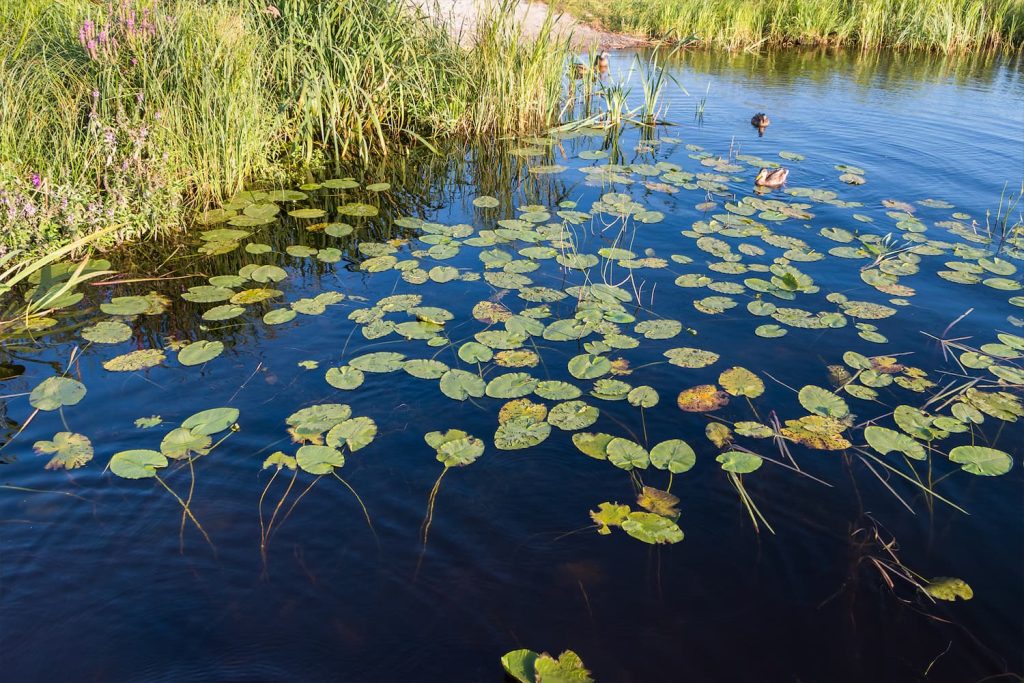
Weed growth is a natural part of any pond, but excessive vegetation quickly shifts from beneficial to problematic. When left unmanaged, aquatic weeds can reduce water flow, limit oxygen, interfere with recreation, and impact overall pond health.
For homeowners, HOAs, and property managers, effective pond weed management requires more than simply applying a pond weed killer. The goal is to control unwanted growth while maintaining balance in the aquatic environment.
This guide explains how aquatic weed killer products fit into a broader management strategy, how different herbicides are used, and how to approach weed control in a way that supports long-term pond performance.
Aquatic Weed Killer and Pond Weed Management
An aquatic weed killer refers to herbicide products specifically formulated for use in ponds and lakes. These products are designed to target unwanted vegetation while remaining compatible with aquatic environments when used correctly.
However, effective pond weed management is not based on applying a single product across the entire pond.
It begins with:
- Identifying the weed species
- Understanding how that plant grows
- Evaluating pond conditions
- Selecting a targeted treatment approach
Different types of vegetation require different strategies. Common categories include:
- Floating weeds
- Submerged vegetation
- Emergent shoreline plants
- Pond grasses
- Broadleaf aquatic weeds
Because each category behaves differently, the best weed control for ponds always depends on the specific plant being treated.
Fish & Water Safe Weed Killer Considerations
The terms fish safe weed killer and water safe weed killer are commonly used, but they are often misunderstood.
There is no universal product that is automatically safe in every situation. Safety depends on:
- Whether the product is labeled for aquatic use
- The dosage and application method
- Pond size and depth
- Water temperature and oxygen levels
- Fish population and sensitivity
A product that is safe when applied correctly can still cause problems if used improperly.
Equally important, products designed for land use should never be applied in ponds. Only herbicides labeled for aquatic environments should be considered.
Pond Weed Control Chemicals and Eco-Friendly Management
Pond weed control chemicals are one part of a broader management approach.
Eco-friendly management does not mean avoiding herbicides. It means using them selectively and in combination with practices that improve the pond itself.
These supporting strategies include:
- Reducing nutrient inputs
- Improving aeration and circulation
- Managing shoreline vegetation
- Removing excess organic debris
- Monitoring pond conditions over time
Without these steps, weed growth often returns even after treatment.
Herbicides are most effective when they are used to regain control, not as the only solution.
Aquatic Weed Treatment and the Best Weed Control for Ponds
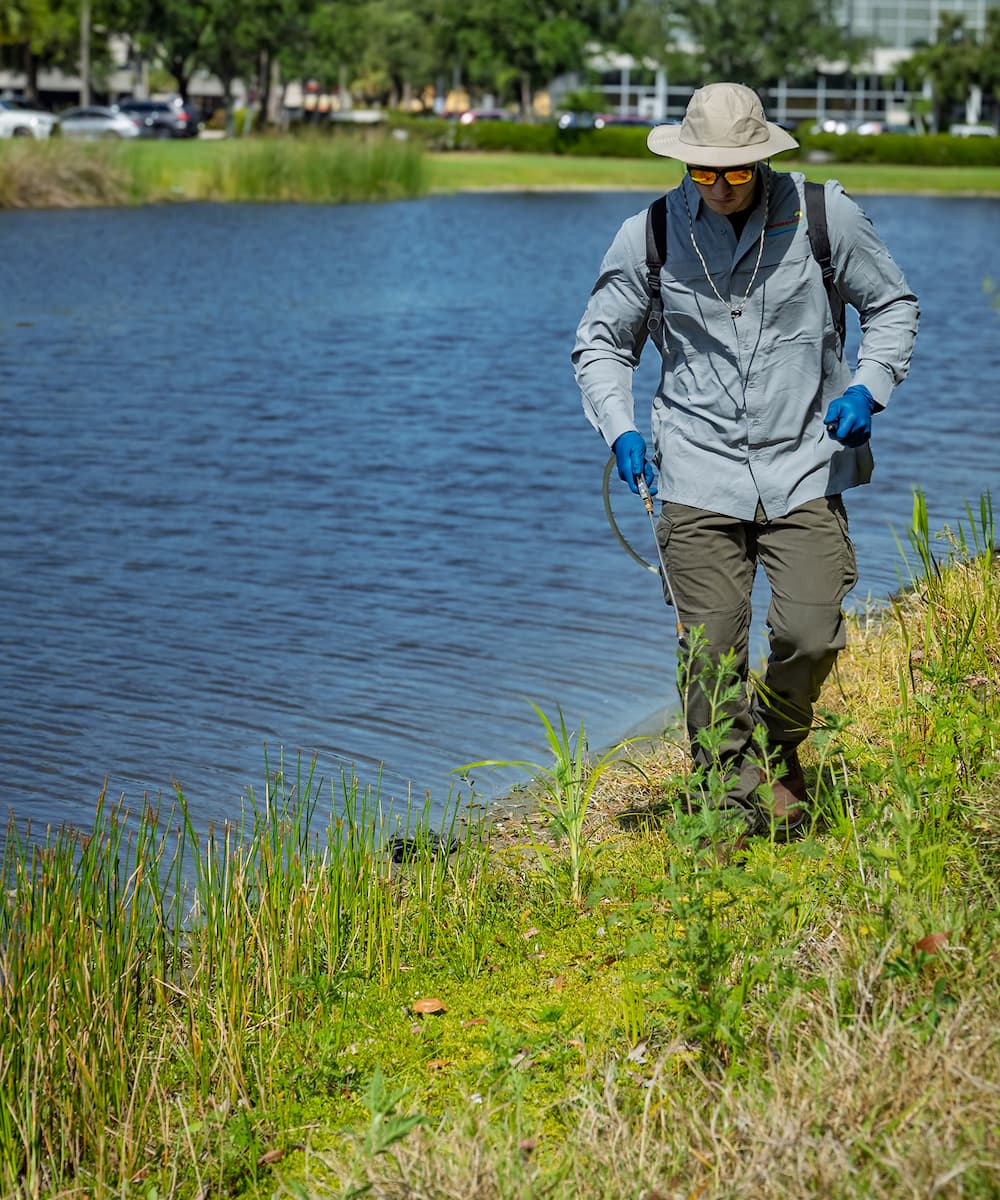
The most effective aquatic weed treatment follows a structured process rather than a reactive approach.
Step 1: Identify the plant
Different weeds respond to different herbicides. Misidentification leads to ineffective treatment.
Step 2: Evaluate the pond
Conditions such as nutrient levels, oxygen stability, and sediment buildup influence how weeds grow and how treatments perform.
Step 3: Select the right product
The best pond weed killer is one that matches the specific weed and pond conditions.
Step 4: Plan the application
Timing and coverage matter. Large-scale die-off must be managed carefully to avoid oxygen depletion.
Step 5: Support long-term control
Follow-up management reduces the likelihood of regrowth.
This approach ensures that treatment is both effective and sustainable.
Aquatic Herbicide Products
Certain herbicide categories are commonly used in pond management. One example is 2,4-D aquatic herbicide, which is often used for specific broadleaf aquatic weeds.
These products are:
- Formulated for aquatic environments
- Designed for selective control
- Used when matched to the correct plant type
Common related search terms include:
- 2 4 d granular aquatic herbicide
- aquatic 24d
- herbicide for lake weeds
While effective in the right situation, these products are not universal solutions. Their success depends on proper selection and application.
Trust the Pros for Pond Weed Management
Pond Guru has 30 years of pond weed management. We can help you identify your aquatic weed and treat them safely and effectively.
Aquatic Herbicide Granulars
Granular herbicides, sometimes referred to as aquatic weed killer pellets, are used for targeted applications.
They are typically chosen when:
- Treatment needs to stay localized
- Shoreline areas require precision
- Specific plant clusters are being addressed
However, granular formulations are not always the best option. Some situations require liquid treatments or integrated approaches.
The choice depends on the plant, the location, and how the pond is used.
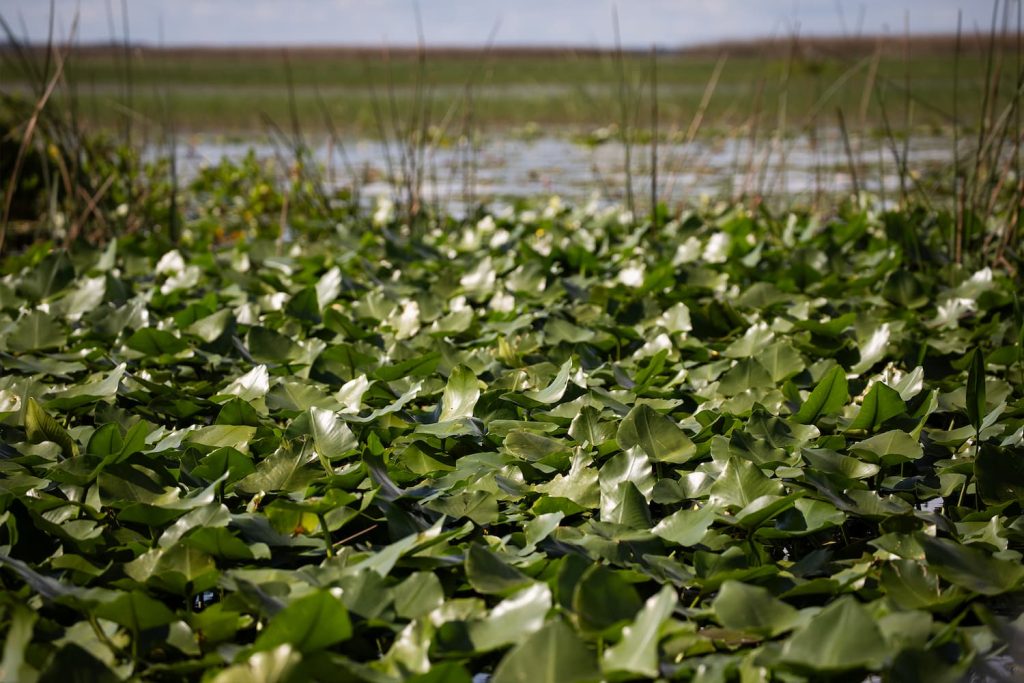
Pond Weed Killer, Pond Grass Killer, and Treatment Categories
Search terms like pond weed killer, pond grass killer, and pondweed killer often refer to different types of vegetation.
Each requires a different approach:
- Broadleaf weeds: Often treated with selective herbicides
- Grasses and emergent plants: May require shoreline-focused control
- Submerged weeds: Often need systemic treatment
- Floating plants: Require surface-focused strategies
Because of these differences, there is no single best pond weed killer for all situations.
Aquatic Herbicide Use in Ponds and Lakes
Whether referred to as pond herbicide, lake herbicide, or herbicide for lake weeds, the key factor is proper use.
Effective application requires:
- Matching the product to the target species
- Following label instructions
- Considering water use restrictions
- Monitoring environmental conditions
Larger water bodies may require more structured planning due to volume and treatment scale.
Best Aquatic Herbicide Selection
Choosing the best aquatic herbicide depends on site-specific factors.
Key considerations include:
- Type of vegetation
- Water depth and surface area
- Fish and wildlife presence
- Oxygen conditions
- Desired level of control
- Timing of application
The goal is targeted control with minimal disruption to the ecosystem.
Aquatic Herbicide and Long-Term Pond Weed Control
Long-term pond weed control depends on reducing the conditions that support excessive growth.
Effective management includes:
- Limiting nutrient runoff
- Improving circulation
- Reducing sediment buildup
- Managing shoreline inputs
- Monitoring regularly
Herbicide treatment plays a role, but prevention determines long-term success.
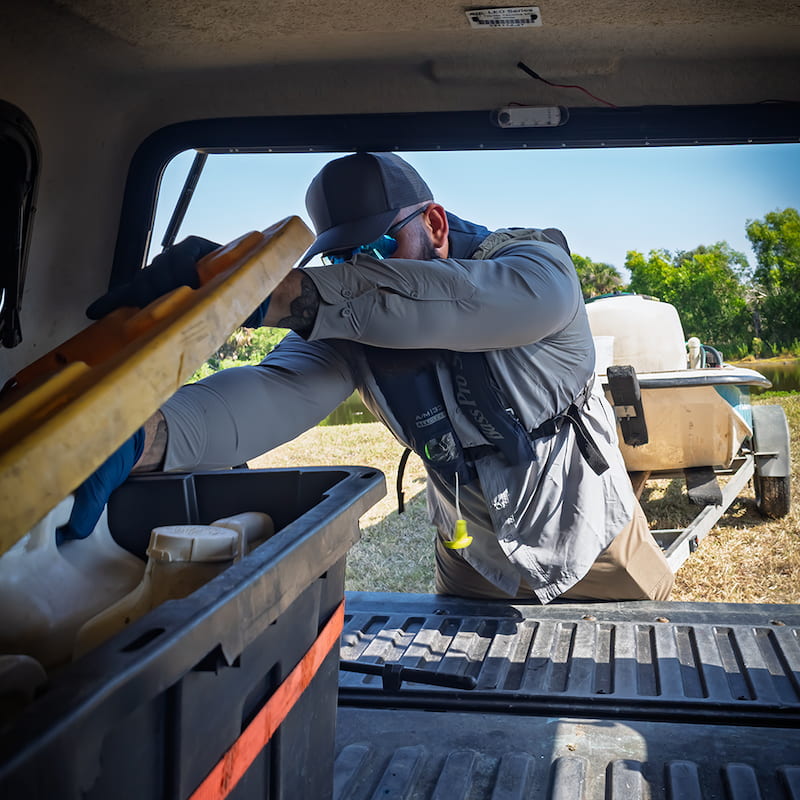
How Pond Guru Supports Eco-Friendly Pond Weed Management
Pond Guru evaluates each pond individually to determine the most effective weed management strategy.
A site visit helps identify:
- The type of vegetation present
- Whether aquatic weed treatment is needed
- Which herbicide approach fits the site
- What underlying conditions are driving growth
- How to reduce future outbreaks
This approach ensures that treatment is tailored, not generic.
Frequently Asked Questions
Yes. Aquatic herbicides labeled for pond use can be applied safely when used correctly and matched to the target plant.
Fish safe refers to treatments compatible with aquatic life when applied properly. Water safe refers to products labeled for aquatic environments.
Yes, they are used for certain broadleaf weeds, but only when matched to the correct plant type and applied appropriately.
The best option depends on the plant species, pond conditions, and management goals.
Pond Guru evaluates pond conditions and recommends targeted treatment and long-term management strategies.
Ready to Schedule a Visit ?
Have questions about your pond or lake? Our experts are ready to help you take the next step.
Latest Article
Popular Post

Pennywort: From Lawn Weed to Pond Invader
Table of Contents Most Floridians know pennywort as dollarweed,…
Weed growth is a natural part of any pond, but excessive vegetation quickly shifts from beneficial to problematic. When left unmanaged, aquatic weeds can reduce water flow, limit oxygen, interfere with recreation, and impact overall pond health.
For homeowners, HOAs, and property managers, effective pond weed management requires more than simply applying a pond weed killer. The goal is to control unwanted growth while maintaining balance in the aquatic environment.
This guide explains how aquatic weed killer products fit into a broader management strategy, how different herbicides are used, and how to approach weed control in a way that supports long-term pond performance.
Aquatic Weed Killer and Pond Weed Management
An aquatic weed killer refers to herbicide products specifically formulated for use in ponds and lakes. These products are designed to target unwanted vegetation while remaining compatible with aquatic environments when used correctly.
However, effective pond weed management is not based on applying a single product across the entire pond.
It begins with:
- Identifying the weed species
- Understanding how that plant grows
- Evaluating pond conditions
- Selecting a targeted treatment approach
Different types of vegetation require different strategies. Common categories include:
- Floating weeds
- Submerged vegetation
- Emergent shoreline plants
- Pond grasses
- Broadleaf aquatic weeds
Because each category behaves differently, the best weed control for ponds always depends on the specific plant being treated.
Fish & Water Safe Weed Killer Considerations
The terms fish safe weed killer and water safe weed killer are commonly used, but they are often misunderstood.
There is no universal product that is automatically safe in every situation. Safety depends on:
- Whether the product is labeled for aquatic use
- The dosage and application method
- Pond size and depth
- Water temperature and oxygen levels
- Fish population and sensitivity
A product that is safe when applied correctly can still cause problems if used improperly.
Equally important, products designed for land use should never be applied in ponds. Only herbicides labeled for aquatic environments should be considered.
Pond Weed Control Chemicals and Eco-Friendly Management
Pond weed control chemicals are one part of a broader management approach.
Eco-friendly management does not mean avoiding herbicides. It means using them selectively and in combination with practices that improve the pond itself.
These supporting strategies include:
- Reducing nutrient inputs
- Improving aeration and circulation
- Managing shoreline vegetation
- Removing excess organic debris
- Monitoring pond conditions over time
Without these steps, weed growth often returns even after treatment.
Herbicides are most effective when they are used to regain control, not as the only solution.
Aquatic Weed Treatment and the Best Weed Control for Ponds
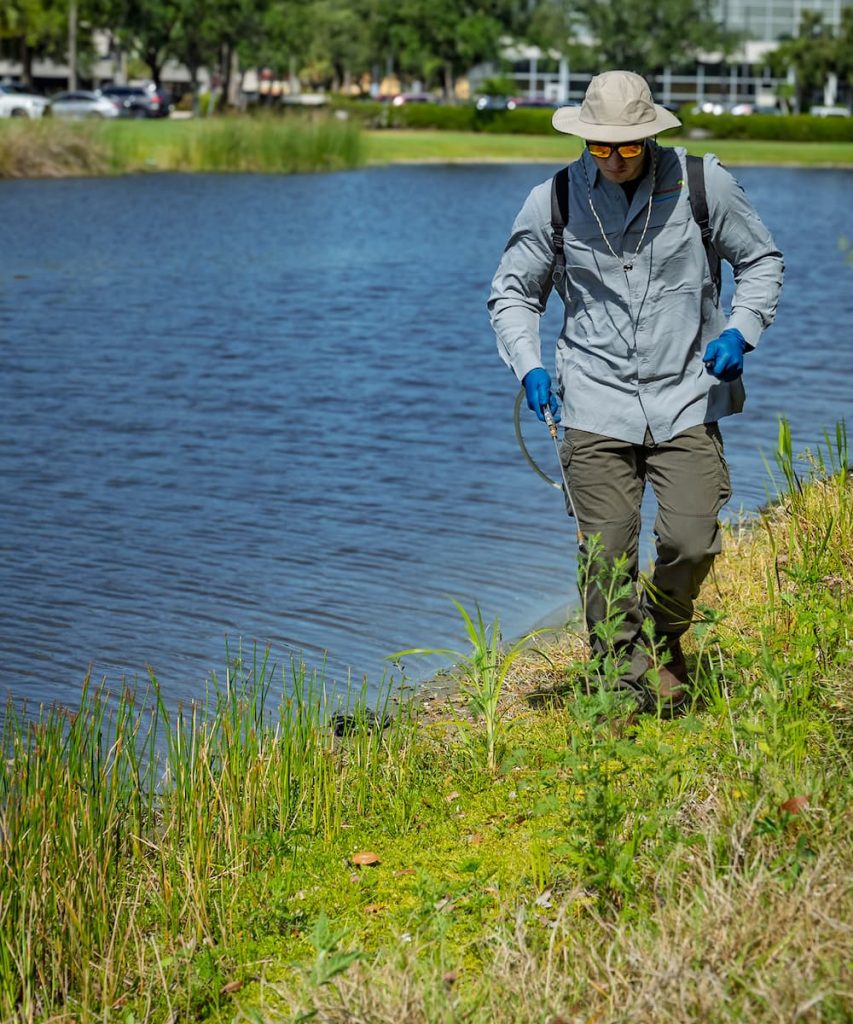
The most effective aquatic weed treatment follows a structured process rather than a reactive approach.
Step 1: Identify the plant
Different weeds respond to different herbicides. Misidentification leads to ineffective treatment.
Step 2: Evaluate the pond
Conditions such as nutrient levels, oxygen stability, and sediment buildup influence how weeds grow and how treatments perform.
Step 3: Select the right product
The best pond weed killer is one that matches the specific weed and pond conditions.
Step 4: Plan the application
Timing and coverage matter. Large-scale die-off must be managed carefully to avoid oxygen depletion.
Step 5: Support long-term control
Follow-up management reduces the likelihood of regrowth.
This approach ensures that treatment is both effective and sustainable.
Aquatic Herbicide Products
Certain herbicide categories are commonly used in pond management. One example is 2,4-D aquatic herbicide, which is often used for specific broadleaf aquatic weeds.
These products are:
- Formulated for aquatic environments
- Designed for selective control
- Used when matched to the correct plant type
Common related search terms include:
- 2 4 d granular aquatic herbicide
- aquatic 24d
- herbicide for lake weeds
While effective in the right situation, these products are not universal solutions. Their success depends on proper selection and application.
Trust the Pros for Pond Weed Management
Pond Guru has 30 years of pond weed management. We can help you identify your aquatic weed and treat them safely and effectively.
Aquatic Herbicide Granulars
Granular herbicides, sometimes referred to as aquatic weed killer pellets, are used for targeted applications.
They are typically chosen when:
- Treatment needs to stay localized
- Shoreline areas require precision
- Specific plant clusters are being addressed
However, granular formulations are not always the best option. Some situations require liquid treatments or integrated approaches.
The choice depends on the plant, the location, and how the pond is used.
Pond Weed Killer, Pond Grass Killer, and Treatment Categories
Search terms like pond weed killer, pond grass killer, and pondweed killer often refer to different types of vegetation.
Each requires a different approach:
- Broadleaf weeds: Often treated with selective herbicides
- Grasses and emergent plants: May require shoreline-focused control
- Submerged weeds: Often need systemic treatment
- Floating plants: Require surface-focused strategies
Because of these differences, there is no single best pond weed killer for all situations.
Aquatic Herbicide Use in Ponds and Lakes
Whether referred to as pond herbicide, lake herbicide, or herbicide for lake weeds, the key factor is proper use.
Effective application requires:
- Matching the product to the target species
- Following label instructions
- Considering water use restrictions
- Monitoring environmental conditions
Larger water bodies may require more structured planning due to volume and treatment scale.
Best Aquatic Herbicide Selection
Choosing the best aquatic herbicide depends on site-specific factors.
Key considerations include:
- Type of vegetation
- Water depth and surface area
- Fish and wildlife presence
- Oxygen conditions
- Desired level of control
- Timing of application
The goal is targeted control with minimal disruption to the ecosystem.
Aquatic Herbicide and Long-Term Pond Weed Control
Long-term pond weed control depends on reducing the conditions that support excessive growth.
Effective management includes:
- Limiting nutrient runoff
- Improving circulation
- Reducing sediment buildup
- Managing shoreline inputs
- Monitoring regularly
Herbicide treatment plays a role, but prevention determines long-term success.
How Pond Guru Supports Eco-Friendly Pond Weed Management
Pond Guru evaluates each pond individually to determine the most effective weed management strategy.
A site visit helps identify:
- The type of vegetation present
- Whether aquatic weed treatment is needed
- Which herbicide approach fits the site
- What underlying conditions are driving growth
- How to reduce future outbreaks
This approach ensures that treatment is tailored, not generic.
Frequently Asked Questions
Yes. Aquatic herbicides labeled for pond use can be applied safely when used correctly and matched to the target plant.
Fish safe refers to treatments compatible with aquatic life when applied properly. Water safe refers to products labeled for aquatic environments.
Yes, they are used for certain broadleaf weeds, but only when matched to the correct plant type and applied appropriately.
The best option depends on the plant species, pond conditions, and management goals.
Pond Guru evaluates pond conditions and recommends targeted treatment and long-term management strategies.
Ready to Schedule a Visit ?
Have questions about your pond or lake? Our experts are ready to help you take the next step.
Latest Article
Popular Post
Pennywort: From Lawn Weed to Pond Invader
Table of Contents Most Floridians know pennywort as dollarweed,…