

Best Goose Deterrents | Keep Invasive Geese Away From Your Pond
Best Goose Deterrents | Keep Invasive Geese Away From Your Pond
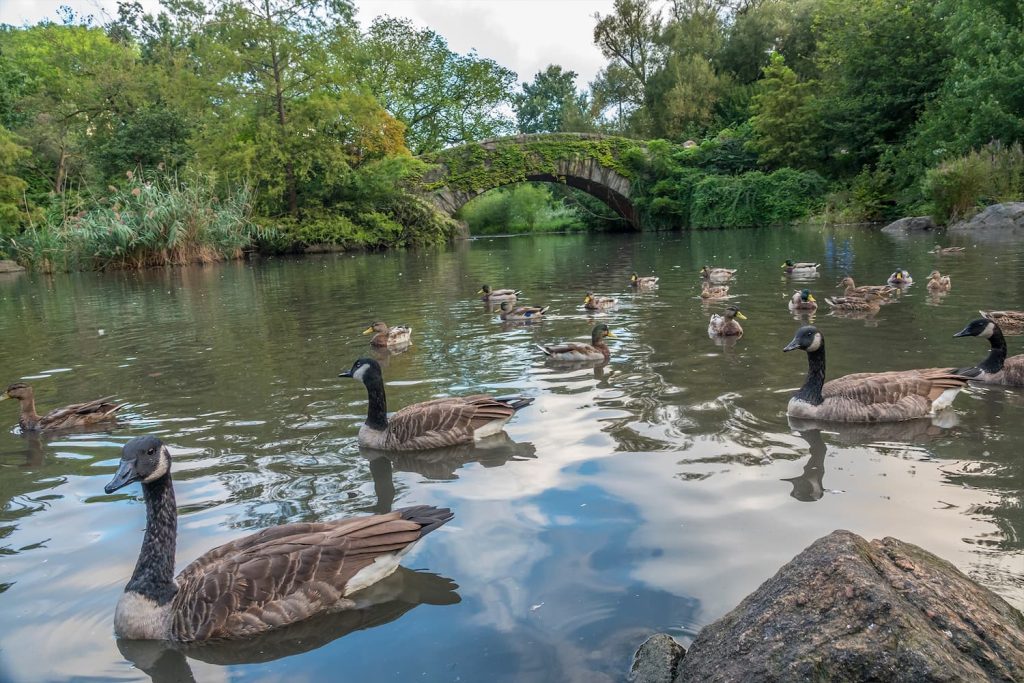
Geese can turn a healthy pond edge into a constant maintenance problem. Droppings on turf, worn shoreline areas, muddy access points, and poor water quality are some of the most common issues that follow repeated goose activity. For private homeowners, HOA board members, golf course superintendents, and property managers, the right goose repellent strategy starts with understanding why geese choose a pond in the first place.
In most cases, geese stay where they find three things: open sight lines, short grass, and easy access to water. That is why a long term solution usually involves more than one product or one scare tactic. The most effective plan combines habitat changes, geese deterrent tools, and consistent pressure that makes the site less comfortable over time.
This guide explains how goose repellent options actually fit into pond management, how to keep geese out of your yard and away from shoreline turf, and how Pond Guru can help determine which deterrent solution is the best fit for your property.
Goose Repellent Works Best When Pond Conditions Change First
A strong goose repellent plan begins with the property itself. Geese are attracted to ponds that have wide open banks, direct water access, and short green grass. USDA APHIS notes that geese and ducks prefer short, green grass for food and recommends adjusting landscaping, including allowing grass to grow longer, as part of waterfowl damage prevention. APHIS also recommends stopping wildlife feeding because feeding geese encourages them to stay and can increase aggressive behavior.
That matters because the best goose deterrent is often a site that no longer feels easy or safe to use. If the shoreline stays open, heavily mowed, and consistently accessible, geese will keep returning even if a repellent product is used for a short period.
A better starting point includes:
- Reducing open grazing space near the water
- Breaking up the direct path from lawn to pond
- Avoiding intentional or accidental feeding
- Making loafing areas less comfortable
Geese Deterrent Plans Start With Habitat Pressure
The most reliable geese deterrent programs use habitat pressure instead of relying on one single fix. USDA APHIS describes waterfowl conflict management as a combination of habitat changes, dispersal, and population control while respecting federal migratory bird protections.
For pond properties, that usually means creating a shoreline that geese do not like to cross or graze. Taller native plantings, denser pond edge vegetation, and selective shoreline buffering often work better than maintaining a clean, flat turf edge all the way to the water.
This is one reason pond owners often get better results with:
- Taller shoreline grass in selected areas
- Marginal pond plants and buffer vegetation
- Reduced mowing right at the waterline
- Physical barriers along common entry points
- Repeated nonlethal hazing when geese first arrive
When these changes are used together, the property becomes less inviting and geese are less likely to settle in.
Goose Repellent for Lawn Areas and Pond Edges
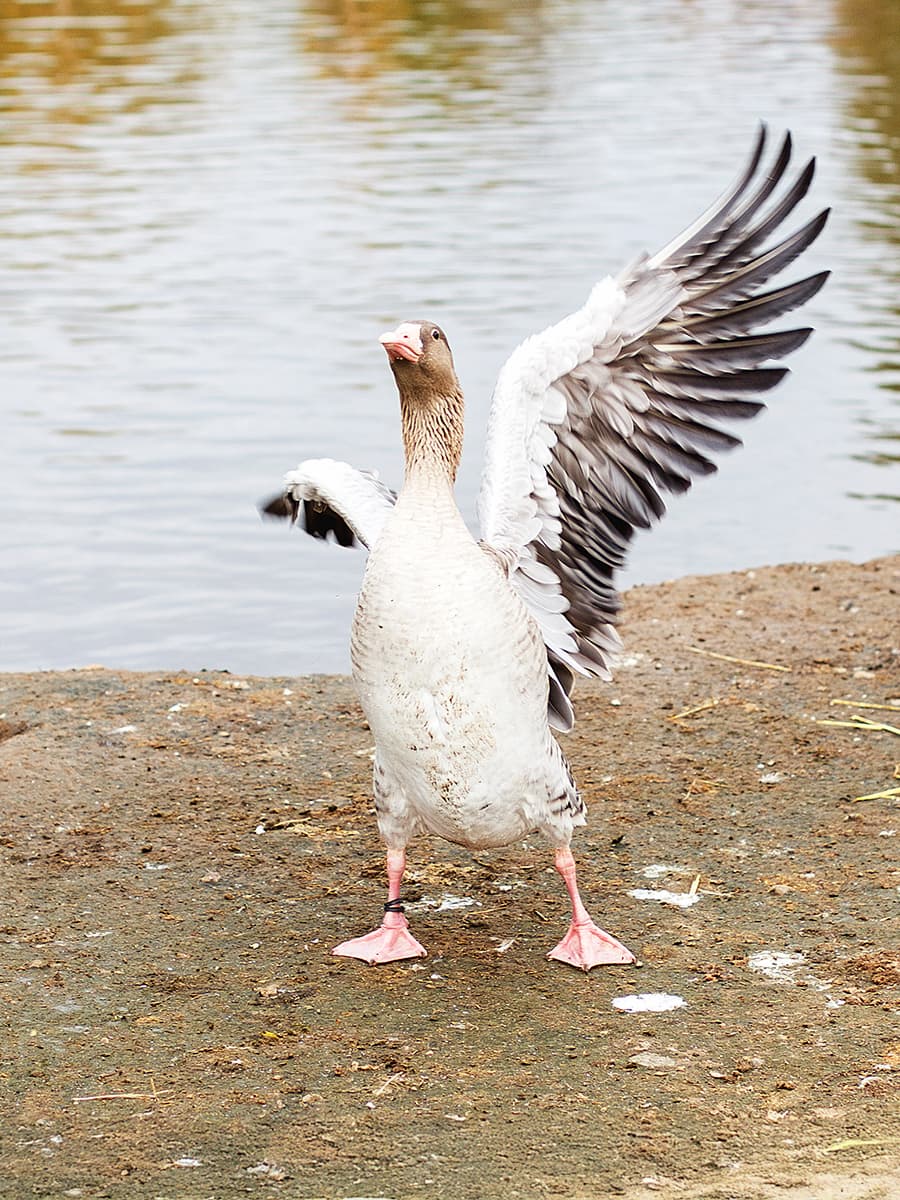
Goose repellent for lawn areas can be useful, but it usually performs best as one part of a broader plan. Repellent products may help reduce grazing pressure on turf, especially where geese repeatedly feed on short lawn close to the pond. Even so, a goose repellent for lawn use rarely solves the whole problem by itself if the pond edge remains open and easy to access.
The more effective approach is to think in zones.
Lawn zone
This is where grazing and droppings are often most visible. Repellent may help here, but mowing practices and feeding elimination matter just as much.
Shoreline zone
This is where geese enter, exit, and loaf. Habitat changes and pond border planting are often more effective than product only control.
Water access zone
This is where geese feel safest. If they can walk directly from turf into open water, they are more likely to remain on site.
A good goose deterrent plan works across all three zones instead of only treating the lawn.
How to Keep Geese Out of Your Yard With Consistency
Learning how to keep geese out of your yard requires consistency. Geese respond quickly to properties that are easy to use, and they also learn quickly when a site becomes inconvenient. In practical terms, that means early intervention matters.
The strongest yard level deterrent strategies usually include:
- Removing any feeding source
- Letting selected shoreline grass grow taller
- Using plant buffers between lawn and water
- Applying pressure early before geese become established
- Repeating deterrent efforts instead of using them only once
USDA APHIS specifically recommends stopping wildlife feeding and adjusting landscaping to make grazed turf less attractive.
This matters on residential properties, HOA common areas, and golf course features where geese often become habitual visitors. The goal is not just to move them for a day. The goal is to make the property less comfortable over time.
Don't Let Nuisance Geese Ruin Your Lake
Call Pond Guru to discuss managing wildlife around your pond and building a healthy, balanced ecosystem.
How to Get Rid of Geese With a Layered Pond Strategy
How to get rid of geese around a pond depends on how established the problem is. A few occasional visitors can often be discouraged with faster habitat changes and active hazing. A larger recurring population usually requires a more layered plan.
That plan often includes:
- Shoreline redesign or selective planting
- Reduced turf access near the water
- Repeated geese deterrent activity
- Evaluation of lawn and shoreline use patterns
- Professional guidance if birds are nesting or repeatedly returning
This is also where pond specific management becomes important. Geese do not just affect turf appearance. APHIS notes that overabundance of ducks, geese, and swans can contribute to erosion and reduce water quality because of feces and runoff.
For pond owners, that means a goose problem is not only a landscape problem. It is often a water quality and shoreline stability problem as well.
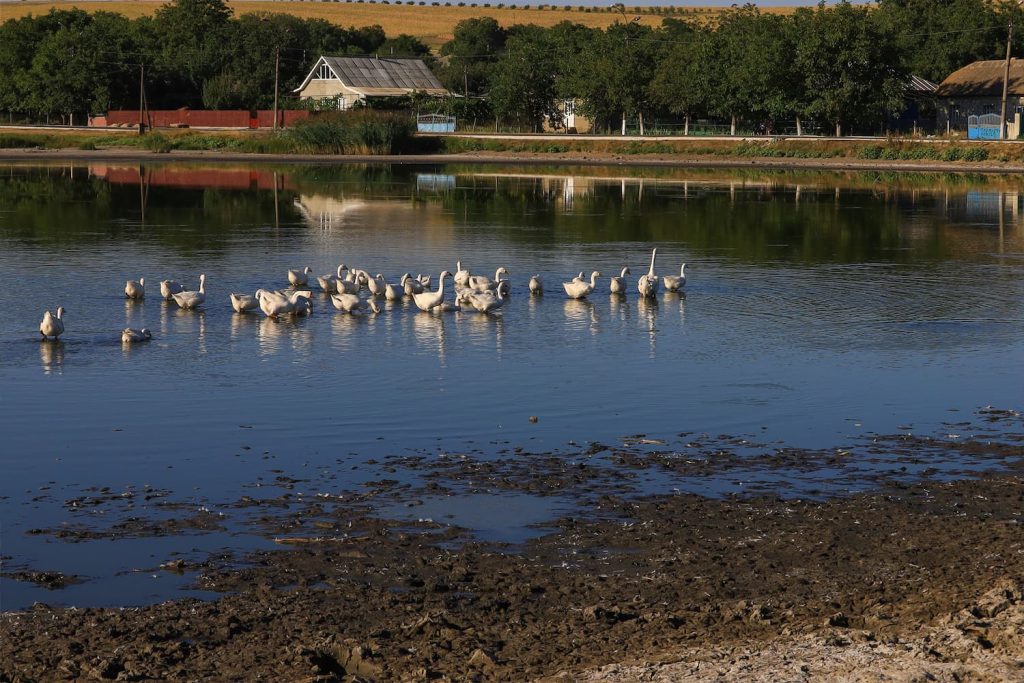
Goose Deterrent Tools Work Best Before Nesting Becomes the Main Issue
A goose deterrent program should begin before nesting becomes the main challenge. Once birds are settled, they are harder to move, and management options become more restricted. The U.S. Fish and Wildlife Service states that waterfowl are protected under the Migratory Bird Treaty Act, and handling nests, eggs, capture, or lethal control may require permits depending on the activity and situation. FWS and APHIS also indicate that depredation permits are used for capture or killing and that nonlethal deterrents and habitat modification should be tried first.
For most property owners, the practical takeaway is simple. Start early, use nonlethal methods first, and do not interfere with nests or birds without understanding the applicable rules.
That is another reason professional site evaluation matters. The best time to act is before birds become established, not after repeated use has already turned the pond into a regular goose site.
Geese Repellent Products Have a Role, But They Are Not the Whole Plan
Geese repellent products can support a control strategy, especially on lawn areas where geese repeatedly graze. They are usually most effective when the rest of the property is also being managed to reduce attraction.
A product only approach often fails for three reasons:
- The shoreline still provides easy access
- The turf is still ideal for grazing
- The application is not paired with broader deterrence
That is why the best goose repellent plan usually combines product use with shoreline vegetation, mowing changes, and repeated pressure that teaches geese the property is no longer easy to use.
How Pond Guru Helps Identify the Best Goose Deterrent for Your Property
Every pond property attracts geese for slightly different reasons. Some sites have open HOA turf and direct water access. Some have golf course style edges with heavy mowing. Some have residential lawns that run straight into the pond. The best deterrent depends on the layout.
Pond Guru can help assess:
- Shoreline access points
- Open grazing areas
- Pond edge vegetation gaps
- Water quality concerns caused by geese
- Erosion or wear along common landing and walking zones
- Which goose repellent or geese deterrent methods fit the site best
A site visit helps turn a general nuisance complaint into a practical pond management plan.
Final Thoughts About Goose Deterrents
A good goose repellent strategy is rarely one product and rarely one day of effort. The strongest results come from changing the conditions that attract geese in the first place. Short turf, open pond access, and easy loafing areas make properties attractive. Taller buffers, selective planting, and steady geese deterrent pressure make those same properties much less inviting.
For private homeowners, HOAs, golf courses, and managed properties, the most effective answer to how to get rid of geese is usually a layered plan built around the pond edge itself. When shoreline design and deterrent tools work together, results are more consistent and easier to maintain.
Pond Guru provides site visits to evaluate your pond, identify why geese are using the property, and recommend the deterrent solution that best fits your shoreline, lawn, and maintenance goals. Schedule a site visit with Pond Guru to assess your pond and build a more effective goose control plan.
Frequently Asked Questions
The best goose repellent is usually not a single product. On most pond properties, the strongest results come from combining lawn or turf repellents with shoreline habitat changes, reduced open access, and repeated deterrent pressure. A product may help discourage grazing, but geese are less likely to stay when the shoreline no longer feels easy to use.
Geese deterrent methods work better when they change the daily experience of the property. One time noise, motion, or visual scare tactics may move geese briefly, but they often return if the pond still offers food, safety, and water access. A more effective plan combines plant buffers, reduced mowing at the edge, nonlethal hazing, and consistent follow through so the site becomes less attractive over time.
The best way to keep geese out of your yard is to reduce the features that make the area comfortable for them. That usually means stopping any feeding, letting selected grass near the water grow taller, adding pond border plants, and preventing a straight open path from turf to water. The more the yard feels like open grazing land, the more likely geese are to keep returning.
Geese repellent products can help, especially on turf, but they usually do not solve the full problem on their own. If the pond still has short grass, open shoreline, and easy water access, geese often remain interested in the site. Repellents are most effective when used as part of a broader management plan rather than as the only response.
Pond Guru can evaluate why geese are using your pond, identify the shoreline and lawn features drawing them in, and recommend a deterrent strategy that fits the property. That may include shoreline planting recommendations, access reduction, water quality considerations, and guidance on the most practical goose deterrent options for your site.
Ready to Schedule a Visit ?
Have questions about your pond or lake? Our experts are ready to help you take the next step.
Latest Article
Popular Post

What Is Pond Scum? Causes and How to Clear It
Table of Contents That green, stringy, sometimes slimy layer…
Geese can turn a healthy pond edge into a constant maintenance problem. Droppings on turf, worn shoreline areas, muddy access points, and poor water quality are some of the most common issues that follow repeated goose activity. For private homeowners, HOA board members, golf course superintendents, and property managers, the right goose repellent strategy starts with understanding why geese choose a pond in the first place.
In most cases, geese stay where they find three things: open sight lines, short grass, and easy access to water. That is why a long term solution usually involves more than one product or one scare tactic. The most effective plan combines habitat changes, geese deterrent tools, and consistent pressure that makes the site less comfortable over time.
This guide explains how goose repellent options actually fit into pond management, how to keep geese out of your yard and away from shoreline turf, and how Pond Guru can help determine which deterrent solution is the best fit for your property.
Goose Repellent Works Best When Pond Conditions Change First
A strong goose repellent plan begins with the property itself. Geese are attracted to ponds that have wide open banks, direct water access, and short green grass. USDA APHIS notes that geese and ducks prefer short, green grass for food and recommends adjusting landscaping, including allowing grass to grow longer, as part of waterfowl damage prevention. APHIS also recommends stopping wildlife feeding because feeding geese encourages them to stay and can increase aggressive behavior.
That matters because the best goose deterrent is often a site that no longer feels easy or safe to use. If the shoreline stays open, heavily mowed, and consistently accessible, geese will keep returning even if a repellent product is used for a short period.
A better starting point includes:
- Reducing open grazing space near the water
- Breaking up the direct path from lawn to pond
- Avoiding intentional or accidental feeding
- Making loafing areas less comfortable
Geese Deterrent Plans Start With Habitat Pressure
The most reliable geese deterrent programs use habitat pressure instead of relying on one single fix. USDA APHIS describes waterfowl conflict management as a combination of habitat changes, dispersal, and population control while respecting federal migratory bird protections.
For pond properties, that usually means creating a shoreline that geese do not like to cross or graze. Taller native plantings, denser pond edge vegetation, and selective shoreline buffering often work better than maintaining a clean, flat turf edge all the way to the water.
This is one reason pond owners often get better results with:
- Taller shoreline grass in selected areas
- Marginal pond plants and buffer vegetation
- Reduced mowing right at the waterline
- Physical barriers along common entry points
- Repeated nonlethal hazing when geese first arrive
When these changes are used together, the property becomes less inviting and geese are less likely to settle in.
Goose Repellent for Lawn Areas and Pond Edges
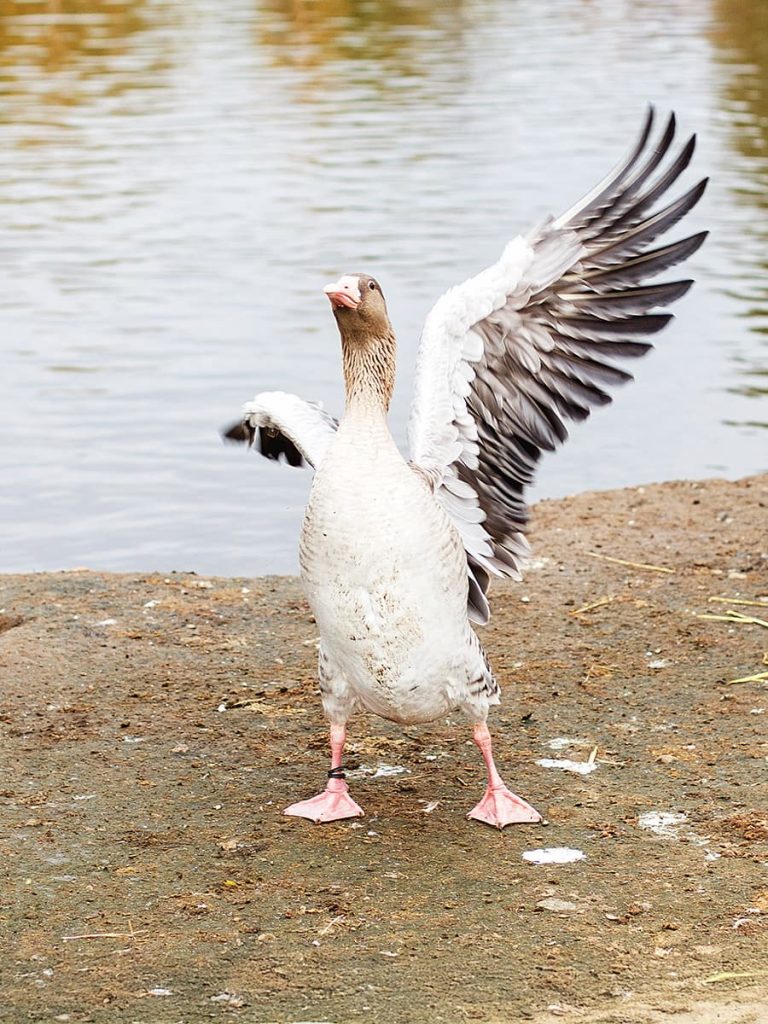
Goose repellent for lawn areas can be useful, but it usually performs best as one part of a broader plan. Repellent products may help reduce grazing pressure on turf, especially where geese repeatedly feed on short lawn close to the pond. Even so, a goose repellent for lawn use rarely solves the whole problem by itself if the pond edge remains open and easy to access.
The more effective approach is to think in zones.
Lawn zone
This is where grazing and droppings are often most visible. Repellent may help here, but mowing practices and feeding elimination matter just as much.
Shoreline zone
This is where geese enter, exit, and loaf. Habitat changes and pond border planting are often more effective than product only control.
Water access zone
This is where geese feel safest. If they can walk directly from turf into open water, they are more likely to remain on site.
A good goose deterrent plan works across all three zones instead of only treating the lawn.
How to Keep Geese Out of Your Yard With Consistency
Learning how to keep geese out of your yard requires consistency. Geese respond quickly to properties that are easy to use, and they also learn quickly when a site becomes inconvenient. In practical terms, that means early intervention matters.
The strongest yard level deterrent strategies usually include:
- Removing any feeding source
- Letting selected shoreline grass grow taller
- Using plant buffers between lawn and water
- Applying pressure early before geese become established
- Repeating deterrent efforts instead of using them only once
USDA APHIS specifically recommends stopping wildlife feeding and adjusting landscaping to make grazed turf less attractive.
This matters on residential properties, HOA common areas, and golf course features where geese often become habitual visitors. The goal is not just to move them for a day. The goal is to make the property less comfortable over time.
Don't Let Nuisance Geese Ruin Your Lake
Call Pond Guru to discuss managing wildlife around your pond and building a healthy, balanced ecosystem.
How to Get Rid of Geese With a Layered Pond Strategy
How to get rid of geese around a pond depends on how established the problem is. A few occasional visitors can often be discouraged with faster habitat changes and active hazing. A larger recurring population usually requires a more layered plan.
That plan often includes:
- Shoreline redesign or selective planting
- Reduced turf access near the water
- Repeated geese deterrent activity
- Evaluation of lawn and shoreline use patterns
- Professional guidance if birds are nesting or repeatedly returning
This is also where pond specific management becomes important. Geese do not just affect turf appearance. APHIS notes that overabundance of ducks, geese, and swans can contribute to erosion and reduce water quality because of feces and runoff.
For pond owners, that means a goose problem is not only a landscape problem. It is often a water quality and shoreline stability problem as well.
Goose Deterrent Tools Work Best Before Nesting Becomes the Main Issue
A goose deterrent program should begin before nesting becomes the main challenge. Once birds are settled, they are harder to move, and management options become more restricted. The U.S. Fish and Wildlife Service states that waterfowl are protected under the Migratory Bird Treaty Act, and handling nests, eggs, capture, or lethal control may require permits depending on the activity and situation. FWS and APHIS also indicate that depredation permits are used for capture or killing and that nonlethal deterrents and habitat modification should be tried first.
For most property owners, the practical takeaway is simple. Start early, use nonlethal methods first, and do not interfere with nests or birds without understanding the applicable rules.
That is another reason professional site evaluation matters. The best time to act is before birds become established, not after repeated use has already turned the pond into a regular goose site.
Geese Repellent Products Have a Role, But They Are Not the Whole Plan
Geese repellent products can support a control strategy, especially on lawn areas where geese repeatedly graze. They are usually most effective when the rest of the property is also being managed to reduce attraction.
A product only approach often fails for three reasons:
- The shoreline still provides easy access
- The turf is still ideal for grazing
- The application is not paired with broader deterrence
That is why the best goose repellent plan usually combines product use with shoreline vegetation, mowing changes, and repeated pressure that teaches geese the property is no longer easy to use.
How Pond Guru Helps Identify the Best Goose Deterrent for Your Property
Every pond property attracts geese for slightly different reasons. Some sites have open HOA turf and direct water access. Some have golf course style edges with heavy mowing. Some have residential lawns that run straight into the pond. The best deterrent depends on the layout.
Pond Guru can help assess:
- Shoreline access points
- Open grazing areas
- Pond edge vegetation gaps
- Water quality concerns caused by geese
- Erosion or wear along common landing and walking zones
- Which goose repellent or geese deterrent methods fit the site best
A site visit helps turn a general nuisance complaint into a practical pond management plan.
Final Thoughts About Goose Deterrents
A good goose repellent strategy is rarely one product and rarely one day of effort. The strongest results come from changing the conditions that attract geese in the first place. Short turf, open pond access, and easy loafing areas make properties attractive. Taller buffers, selective planting, and steady geese deterrent pressure make those same properties much less inviting.
For private homeowners, HOAs, golf courses, and managed properties, the most effective answer to how to get rid of geese is usually a layered plan built around the pond edge itself. When shoreline design and deterrent tools work together, results are more consistent and easier to maintain.
Pond Guru provides site visits to evaluate your pond, identify why geese are using the property, and recommend the deterrent solution that best fits your shoreline, lawn, and maintenance goals. Schedule a site visit with Pond Guru to assess your pond and build a more effective goose control plan.
Frequently Asked Questions
The best goose repellent is usually not a single product. On most pond properties, the strongest results come from combining lawn or turf repellents with shoreline habitat changes, reduced open access, and repeated deterrent pressure. A product may help discourage grazing, but geese are less likely to stay when the shoreline no longer feels easy to use.
Geese deterrent methods work better when they change the daily experience of the property. One time noise, motion, or visual scare tactics may move geese briefly, but they often return if the pond still offers food, safety, and water access. A more effective plan combines plant buffers, reduced mowing at the edge, nonlethal hazing, and consistent follow through so the site becomes less attractive over time.
The best way to keep geese out of your yard is to reduce the features that make the area comfortable for them. That usually means stopping any feeding, letting selected grass near the water grow taller, adding pond border plants, and preventing a straight open path from turf to water. The more the yard feels like open grazing land, the more likely geese are to keep returning.
Geese repellent products can help, especially on turf, but they usually do not solve the full problem on their own. If the pond still has short grass, open shoreline, and easy water access, geese often remain interested in the site. Repellents are most effective when used as part of a broader management plan rather than as the only response.
Pond Guru can evaluate why geese are using your pond, identify the shoreline and lawn features drawing them in, and recommend a deterrent strategy that fits the property. That may include shoreline planting recommendations, access reduction, water quality considerations, and guidance on the most practical goose deterrent options for your site.
Ready to Schedule a Visit ?
Have questions about your pond or lake? Our experts are ready to help you take the next step.
Latest Article
Popular Post
What Is Pond Scum? Causes and How to Clear It
Table of Contents That green, stringy, sometimes slimy layer…