

Is Alligator Weed Invasive in Florida?
Is Alligator Weed Invasive in Florida?
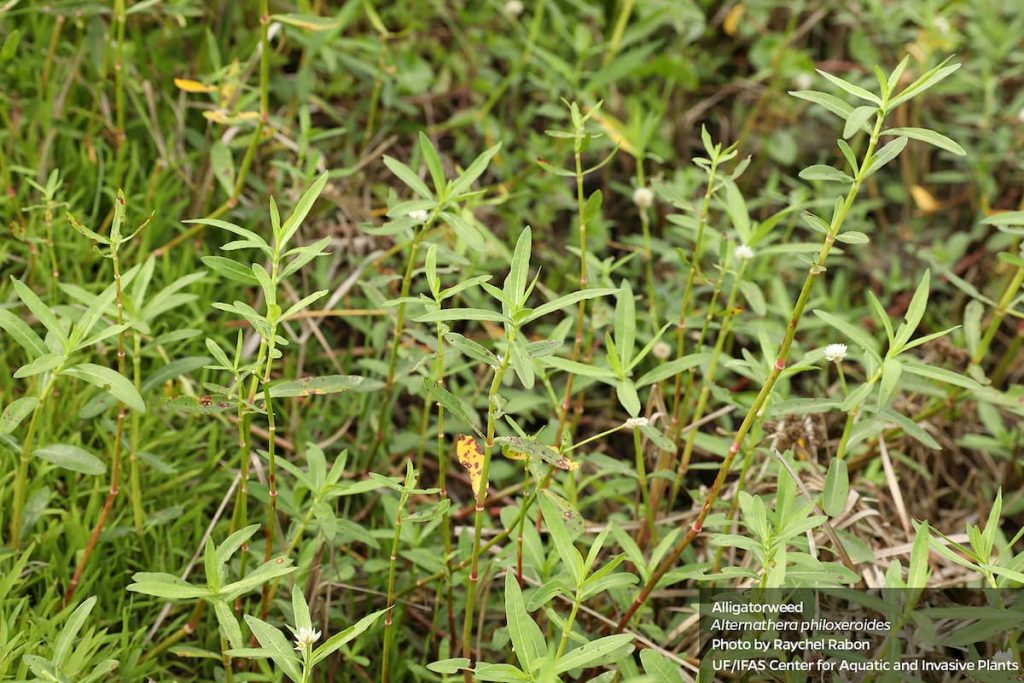
Alligator weed may sound like a swampy oddity, but this aggressive plant is a major problem for pond owners, HOAs, and golf courses across Florida. If you’ve spotted dense mats of floating green stems or noticed that your shoreline is getting overrun, you might be dealing with this notorious invader.
Let’s take a closer look at what alligator weed is, why it’s a threat to your pond or lake, and how Pond Guru can help with expert aquatic weed removal.
What Is Alligator Weed?
Alligator weed (Alternanthera philoxeroides) is a fast-growing aquatic plant that thrives along the edges of ponds, lakes, rivers, and canals. Also referred to as alligator grass, this species forms dense, floating mats that can clog waterways and disrupt native ecosystems.
This plant is native to South America and was likely introduced to the U.S. through ballast water or plant trade. Once established, it spreads through fragmentation, meaning even small pieces can root and grow into new infestations.
Why Is Alligator Weed a Problem?
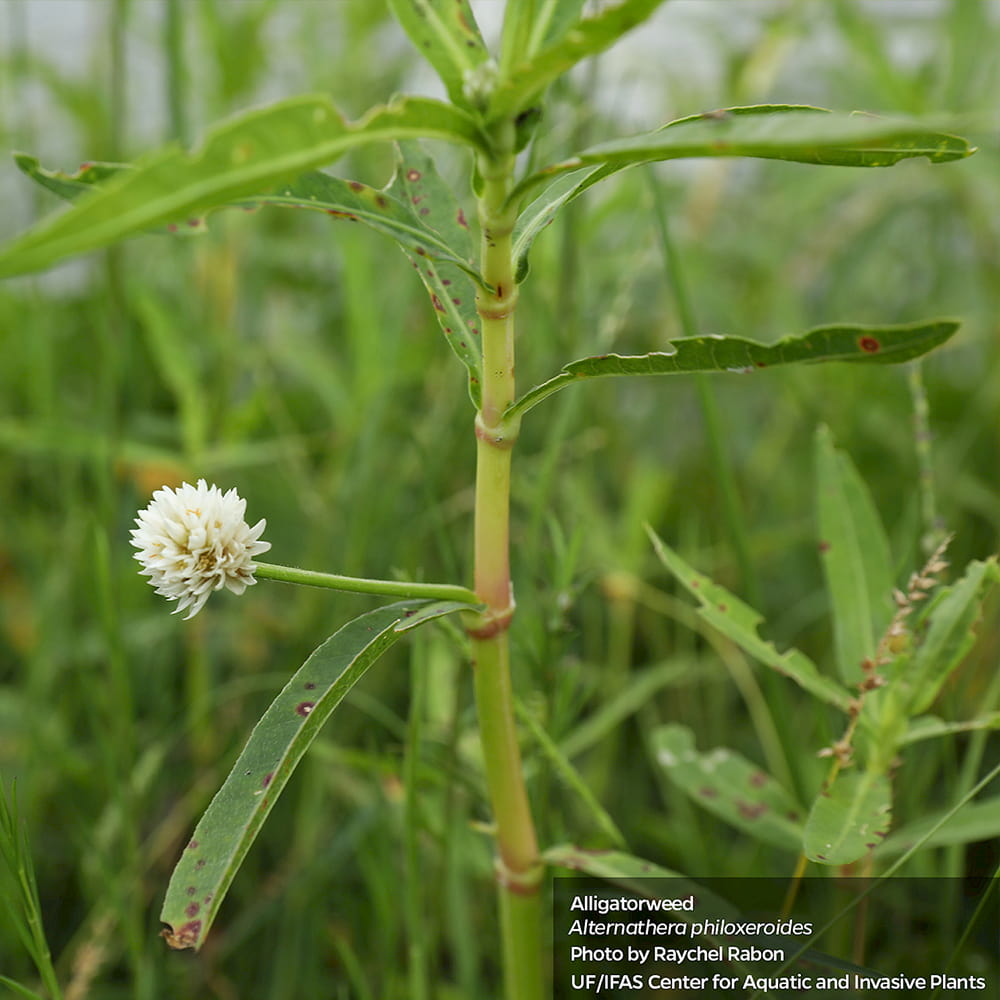
When people ask “why is alligator weed a problem?”, they’re often dealing with rapid overgrowth and unexpected consequences. Here’s why this weed causes concern:
- Chokes waterways: It blocks sunlight and reduces oxygen levels in water.
- Harms fish and wildlife: It outcompetes native aquatic vegetation that fish and other wildlife depend on.
- Causes erosion: It destabilizes shorelines, especially when removed improperly.
- Impacts recreation: It clogs waterways and interferes with fishing, boating, and irrigation systems.
If left untreated, alligator weed in Florida can dominate an entire waterbody in a single growing season.
Where Did Alligator Weed Come From?
Alligator weed originated in South America, but today it is considered one of the most invasive aquatic plants in the southern United States. In Florida, its warm climate and abundant waterways provide perfect growing conditions.
It spreads easily through broken stems and fragments, which means mowing or careless mechanical removal can actually make the problem worse. That’s why alligator weed control requires a targeted, professional approach.
Remove Overgrown Weeds from Your Lake
Let us remove weeds and grasses from your lake and give you back your view
How to Identify Alligator Weed in Your Pond or Lawn
If you’ve spotted a creeping, bright green plant forming mats along the surface of your pond or wet lawn, it might be alligator weed. Look for:
- Hollow stems with opposite leaves
- Small, white clover-like flowers
- Roots forming at the waterline or damp ground
- Rapid horizontal spread in both water and moist soil
It’s sometimes confused with smartweed or water hyacinth, but alligator weed’s growth pattern and resilience are unique.
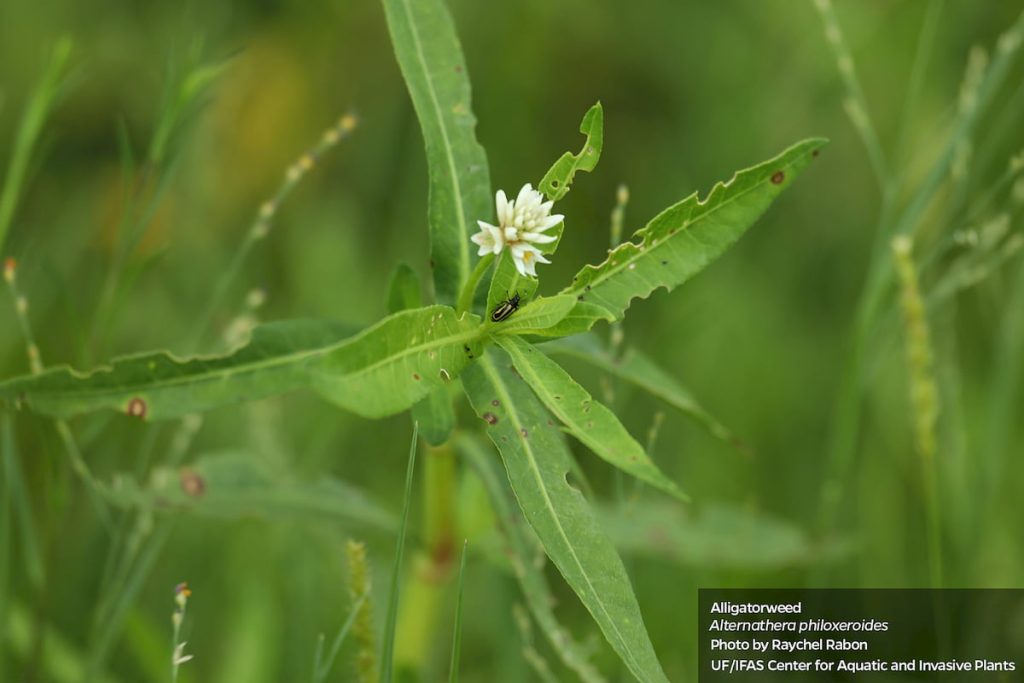
Alligator Weed in Lawns and Shorelines
Alligator weed doesn’t just stay in ponds, it often encroaches onto lawns, ditches, and retention basins, especially in Florida neighborhoods with poor drainage. Its ability to survive in both aquatic and semi-aquatic conditions makes it hard to eliminate with typical landscaping strategies.
If you’re dealing with alligator weed in your lawn, don’t mow it. That spreads it. Instead, contact an aquatic vegetation specialist like Pond Guru for a site-specific removal plan.
Effective Alligator Weed Control Methods
Controlling alligator weed requires more than just pulling it out or spraying the surface. At Pond Guru, we assess your pond’s nutrient levels, surrounding vegetation, and hydrology before choosing the best removal method. These may include:
- Targeted herbicide treatments that don’t harm fish or beneficial plants
- Mechanical removal using low-impact equipment to minimize erosion
- Shoreline stabilization to prevent re-growth and protect your property
- Ongoing monitoring and nutrient management to stop recurrence
Our aquatic weed removal services are tailored to each pond or lake we visit, ensuring a lasting solution without unnecessary harm to your local ecosystem.
Why Choose Pond Guru for Aquatic Weed Removal?
Pond Guru is trusted by Florida homeowners, HOA boards, and golf courses for managing aggressive aquatic species. Whether you’re dealing with alligator grass, hydrilla, or duckweed, we offer:
- On-site assessments
- Sustainable control solutions
- Eco-friendly herbicide options
- Shoreline and nutrient management
- Compliance with state and environmental guidelines
Don’t wait until your pond is overrun. Schedule a site visit with Pond Guru today and take control of your pond’s health before invasive weeds take over.
Frequently Asked Questions
It has hollow stems, opposite leaves, and small white flowers that resemble clover. It often floats in mats along pond edges.
Yes, it reduces oxygen levels and outcompetes native plants that fish depend on, which can impact aquatic life.
Manual removal is risky because broken fragments can regrow. Professional removal is recommended to prevent spread.
Very quickly. It can double in size within a few weeks during the growing season.
We provide on-site assessments, targeted treatments, erosion control, and long-term aquatic management solutions tailored to your pond or lake.
Ready to Schedule a Visit ?
Have questions about your pond or lake? Our experts are ready to help you take the next step.
Latest Article
Popular Post

Pennywort: From Lawn Weed to Pond Invader
Table of Contents Most Floridians know pennywort as dollarweed,…
Alligator weed may sound like a swampy oddity, but this aggressive plant is a major problem for pond owners, HOAs, and golf courses across Florida. If you’ve spotted dense mats of floating green stems or noticed that your shoreline is getting overrun, you might be dealing with this notorious invader.
Let’s take a closer look at what alligator weed is, why it’s a threat to your pond or lake, and how Pond Guru can help with expert aquatic weed removal.
What Is Alligator Weed?
Alligator weed (Alternanthera philoxeroides) is a fast-growing aquatic plant that thrives along the edges of ponds, lakes, rivers, and canals. Also referred to as alligator grass, this species forms dense, floating mats that can clog waterways and disrupt native ecosystems.
This plant is native to South America and was likely introduced to the U.S. through ballast water or plant trade. Once established, it spreads through fragmentation, meaning even small pieces can root and grow into new infestations.
Why Is Alligator Weed a Problem?
When people ask “why is alligator weed a problem?”, they’re often dealing with rapid overgrowth and unexpected consequences. Here’s why this weed causes concern:
- Chokes waterways: It blocks sunlight and reduces oxygen levels in water.
- Harms fish and wildlife: It outcompetes native aquatic vegetation that fish and other wildlife depend on.
- Causes erosion: It destabilizes shorelines, especially when removed improperly.
- Impacts recreation: It clogs waterways and interferes with fishing, boating, and irrigation systems.
If left untreated, alligator weed in Florida can dominate an entire waterbody in a single growing season.
Where Did Alligator Weed Come From?
Alligator weed originated in South America, but today it is considered one of the most invasive aquatic plants in the southern United States. In Florida, its warm climate and abundant waterways provide perfect growing conditions.
It spreads easily through broken stems and fragments, which means mowing or careless mechanical removal can actually make the problem worse. That’s why alligator weed control requires a targeted, professional approach.
Remove Overgrown Weeds from Your Lake
Let us remove weeds and grasses from your lake and give you back your view
How to Identify Alligator Weed in Your Pond or Lawn
If you’ve spotted a creeping, bright green plant forming mats along the surface of your pond or wet lawn, it might be alligator weed. Look for:
- Hollow stems with opposite leaves
- Small, white clover-like flowers
- Roots forming at the waterline or damp ground
- Rapid horizontal spread in both water and moist soil
It’s sometimes confused with smartweed or water hyacinth, but alligator weed’s growth pattern and resilience are unique.
Alligator Weed in Lawns and Shorelines
Alligator weed doesn’t just stay in ponds, it often encroaches onto lawns, ditches, and retention basins, especially in Florida neighborhoods with poor drainage. Its ability to survive in both aquatic and semi-aquatic conditions makes it hard to eliminate with typical landscaping strategies.
If you’re dealing with alligator weed in your lawn, don’t mow it. That spreads it. Instead, contact an aquatic vegetation specialist like Pond Guru for a site-specific removal plan.
Effective Alligator Weed Control Methods
Controlling alligator weed requires more than just pulling it out or spraying the surface. At Pond Guru, we assess your pond’s nutrient levels, surrounding vegetation, and hydrology before choosing the best removal method. These may include:
- Targeted herbicide treatments that don’t harm fish or beneficial plants
- Mechanical removal using low-impact equipment to minimize erosion
- Shoreline stabilization to prevent re-growth and protect your property
- Ongoing monitoring and nutrient management to stop recurrence
Our aquatic weed removal services are tailored to each pond or lake we visit, ensuring a lasting solution without unnecessary harm to your local ecosystem.
Why Choose Pond Guru for Aquatic Weed Removal?
Pond Guru is trusted by Florida homeowners, HOA boards, and golf courses for managing aggressive aquatic species. Whether you’re dealing with alligator grass, hydrilla, or duckweed, we offer:
- On-site assessments
- Sustainable control solutions
- Eco-friendly herbicide options
- Shoreline and nutrient management
- Compliance with state and environmental guidelines
Don’t wait until your pond is overrun. Schedule a site visit with Pond Guru today and take control of your pond’s health before invasive weeds take over.
Frequently Asked Questions
It has hollow stems, opposite leaves, and small white flowers that resemble clover. It often floats in mats along pond edges.
Yes, it reduces oxygen levels and outcompetes native plants that fish depend on, which can impact aquatic life.
Manual removal is risky because broken fragments can regrow. Professional removal is recommended to prevent spread.
Very quickly. It can double in size within a few weeks during the growing season.
We provide on-site assessments, targeted treatments, erosion control, and long-term aquatic management solutions tailored to your pond or lake.
Ready to Schedule a Visit ?
Have questions about your pond or lake? Our experts are ready to help you take the next step.
Latest Article
Popular Post
Pennywort: From Lawn Weed to Pond Invader
Table of Contents Most Floridians know pennywort as dollarweed,…